Quick wins for a faster PC:
Scan for outdated or missing drivers - takes under a minuteDriver Scan →Repair Windows errors before they cause bigger problemsFix Now →Manage family finances as a shared system: make a written monthly budget, use bill timing to avoid cash shortfalls, build emergency savings, and give debt, retirement, education, and account protection distinct places in the plan. The steps below are designed for U.S. households; tax, insurance, and account rules differ elsewhere.
Make a written budget the family can use
A budget is a plan for how to spend money each month. Consumer.gov recommends gathering bills and pay stubs, listing income and expenses, and comparing the plan with what actually happened. Treat savings as a planned expense rather than waiting to see whether money is left over.
- Gather the inputs. Collect recent pay stubs, bills, and other records of money coming in and going out.
- List monthly income. Record the amounts the household expects to receive and when they arrive.
- List expenses. Separate fixed bills from variable spending, and include debt payments and planned savings.
- Compare income with expenses. Subtract the planned expenses from income. If the plan does not balance, adjust spending or goals before the month begins.
- Track spending during the month. Record purchases and bills against the relevant budget categories so you can spot a likely shortfall in time to respond.
- Close the month and revise. Compare actual spending with the plan, note what changed, and use those results to prepare the next month’s budget.
Choose a method that fits the household
There is no single best format for every family. An envelope or zero-based approach assigns available money to planned categories; category-based tracking focuses on monitoring limits by spending area. Compare the visibility each gives you, the effort required to keep it current, and whether it can accommodate income that varies from month to month. The useful method is the one everyone responsible for household spending can understand and maintain.
Use bill timing to manage cash flow
A budget can balance on paper and still leave a family short between paydays. Make a calendar showing when income arrives and when each bill is due. Check the calendar before the start of each week, not just at month-end.
Do these 3 things before closing this tab:
1Scan for outdated or missing drivers - takes under a minute2Repair Windows errors before they cause bigger problems3Fix the driver behind crashes, sound loss and screen glitches#1 Best Overall

- THE IDEAL FAMILY ORGANIZER – Flexible weekly and monthly layouts with designated spaces for each family member’s activities and a collective meal-planning row—starts whenever you choose.
- ELEGANT AND CUSTOMIZABLE DESIGN – Available in multiple stylish hardcover covers, featuring full-color interior pages, durable binding, an elastic closure to keep everything secure, and a handy ribbon bookmark.
- VALUE-ADDING SECTIONS – Includes monthly budgeting pages (track income, expenditures, savings, overall family totals), a flexible meal planner, and a shared family habit tracker to encourage routines together.
- MADE TO LAST ALL YEAR – Durable cover, thick paper that resists ink bleed-through, strong binding, and thoughtful design elements ensure your planner holds up to busy family life—whether you're jotting notes on the go or flipping pages daily.
- If several large bills fall before the next paycheck, ask the creditor whether the due date can be changed.
- When a week has more cash available than the household needs for near-term bills, consider moving the extra into savings.
- Keep the budget and calendar together: the budget shows whether the plan works overall; the calendar shows whether money is available when payments are due.
The Consumer Financial Protection Bureau (CFPB) includes cash-flow budgeting and bill-planning tools in its Your Money, Your Goals toolkit. The 2020 toolkit contains 43 tools and handouts covering goals, saving, income and bills, debt, credit reports, and financial products.
Build emergency savings around your circumstances
The CFPB defines an emergency fund as cash set aside for unplanned costs such as a car or home repair, a medical bill, or lost income. The amount a family needs depends on its circumstances; there is no universal target that fits every household. The Federal Deposit Insurance Corporation (FDIC), citing financial experts in 2025, reports a general recommendation of at least six months of living expenses. Treat that as a benchmark, not a rule that must be reached before taking any other financial step. Small, regular deposits can help build resilience, too.
Rank #2

- THE IDEAL FAMILY ORGANIZER – Flexible weekly and monthly layouts with designated spaces for each family member’s activities and a collective meal-planning row—starts whenever you choose.
- ELEGANT AND CUSTOMIZABLE DESIGN – Available in multiple stylish hardcover covers, featuring full-color interior pages, durable binding, an elastic closure to keep everything secure, and a handy ribbon bookmark.
- VALUE-ADDING SECTIONS – Includes monthly budgeting pages (track income, expenditures, savings, overall family totals), a flexible meal planner, and a shared family habit tracker to encourage routines together.
- MADE TO LAST ALL YEAR – Durable cover, thick paper that resists ink bleed-through, strong binding, and thoughtful design elements ensure your planner holds up to busy family life—whether you're jotting notes on the go or flipping pages daily.
Choose a place for the reserve deliberately
When comparing a bank or credit-union account, a prepaid product, or cash kept at home, weigh safety, access when an expense occurs, and the temptation to spend the money for something else. For a deposit account, check how federal deposit insurance applies to its account type and ownership category, and how balances are aggregated at the same bank. FDIC coverage has limits; do not assume that every balance or product is covered in the same way.
Coordinate debt payments, savings, and retirement
Debt, emergency savings, and retirement contributions compete for household cash, so plan them together rather than making each decision in isolation. Start with a written list of debts, balances, required payments, and interest costs. Then compare possible payment choices by their interest cost, payment flexibility, risk of falling behind, and effect on the emergency reserve. The right balance depends on the household’s cash flow and obligations; the sources cited here do not establish one debt-payoff sequence for everyone.
Rank #3

- THE IDEAL FAMILY ORGANIZER – Flexible weekly and monthly layouts with designated spaces for each family member’s activities and a collective meal-planning row—starts whenever you choose.
- ELEGANT AND CUSTOMIZABLE DESIGN – Available in multiple stylish hardcover covers, featuring full-color interior pages, durable binding, an elastic closure to keep everything secure, and a handy ribbon bookmark.
- VALUE-ADDING SECTIONS – Includes monthly budgeting pages (track income, expenditures, savings, overall family totals), a flexible meal planner, and a shared family habit tracker to encourage routines together.
- MADE TO LAST ALL YEAR – Durable cover, thick paper that resists ink bleed-through, strong binding, and thoughtful design elements ensure your planner holds up to busy family life—whether you're jotting notes on the go or flipping pages daily.
- Keep required payments visible in the monthly budget and track balances as they change.
- Before committing extra cash to debt or a long-term contribution, check whether upcoming bills and likely emergencies remain manageable.
- Set a retirement contribution goal that can be sustained alongside essential bills and the household’s savings plan; revisit it when income or expenses change.
The CFPB’s Your Money, Your Goals tools can help families track debt, credit reports, income, bills, and savings in one planning process. For help beyond self-guided tools, compare a nonprofit counselor with a paid professional on credentials, impartiality, cost, privacy, and geography. Confirm the provider’s qualifications and services before sharing sensitive financial information.
Decide whether a 529 fits an education goal
A 529 is a plan operated by a state or educational institution that offers tax advantages for qualified education expenses. Plans differ by state, and contributors and beneficiaries generally face no income restrictions. That does not make every plan identical or every expense qualified.
Rank #4

- THE IDEAL FAMILY ORGANIZER – Flexible undated weekly and monthly layouts with designated spaces for each family member’s activities and a collective meal-planning row—starts whenever you choose.
- ELEGANT AND CUSTOMIZABLE DESIGN – Available in multiple stylish hardcover covers, featuring full-color interior pages, durable binding, an elastic closure to keep everything secure, and a handy ribbon bookmark.
- VALUE-ADDING SECTIONS – Includes monthly budgeting pages (track income, expenditures, savings, overall family totals), a flexible meal planner, and a shared family habit tracker to encourage routines together.
- A THOUGHTFUL GIFT FOR ANY TIME – Perfect for holidays, birthdays, or back-to-school—pre-mark special family anniversaries, holidays, and birthdays before gifting, with no date restrictions.
- MADE TO LAST ALL YEAR – Durable cover, thick paper that resists ink bleed-through, strong binding, and thoughtful design elements ensure your planner holds up to busy family life—whether you're jotting notes on the go or flipping pages daily.
Before opening an account, compare the plan’s fees, investment choices, any state incentives relevant to your household, and the rules for qualified expenses. Check current IRS guidance and the plan’s own terms; tax treatment and available incentives can depend on the plan and the family’s circumstances. A 529 is one education-savings option, not a requirement for every family.
Independent reader supportYour contribution helps us test, update, and keep practical guides available for everyone.Protect beneficiaries, account access, and deposits
Review beneficiary designations after major life changes
Retirement accounts and insurance proceeds generally pass directly to the named beneficiaries. FINRA warns that beneficiary designations typically override instructions in a will. Review the designations after marriage, divorce, a birth, a death, or another major change rather than assuming an old form will match the family’s current wishes.
Best Value
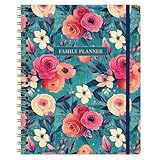
- THE IDEAL FAMILY ORGANIZER – Flexible undated weekly and monthly layouts with designated spaces for each family member’s activities and a collective meal-planning row—starts whenever you choose.
- ELEGANT AND CUSTOMIZABLE DESIGN – Available in multiple stylish hardcover covers, featuring full-color interior pages, durable binding, an elastic closure to keep everything secure, and a handy ribbon bookmark.
- VALUE-ADDING SECTIONS – Includes monthly budgeting pages (track income, expenditures, savings, overall family totals), a flexible meal planner, and a shared family habit tracker to encourage routines together.
- A THOUGHTFUL GIFT FOR ANY TIME – Perfect for holidays, birthdays, or back-to-school—pre-mark special family anniversaries, holidays, and birthdays before gifting, with no date restrictions.
- MADE TO LAST ALL YEAR – Durable cover, thick paper that resists ink bleed-through, strong binding, and thoughtful design elements ensure your planner holds up to busy family life—whether you're jotting notes on the go or flipping pages daily.
Inherited-account tax rules vary by beneficiary type and can require taxable distributions. The IRS rules are not the same for every inheritor, so check the applicable current guidance before making decisions about an inherited account.
Check how accounts are titled and insured
FDIC deposit insurance depends on the type of account, its ownership category, and coverage limits. Families with several accounts at one bank should understand how balances are titled and aggregated before relying on a coverage assumption. A product’s name alone is not enough to determine how it is treated.
Keep practical account information organized so the people who may need it know where to find it. After a life event, review account access and powers of attorney as well as beneficiaries; the appropriate documents and rules depend on the family’s circumstances and jurisdiction.
Teach children through everyday money conversations
Children can build money skills through age-appropriate explanations of family decisions. Talk about the difference between a need and a want, explain that a budget assigns money to priorities, and let a child practice making a small spending or saving choice. The CFPB offers tools for children’s money skills and family money conversations; choose activities suited to the child’s age and understanding.
Use a regular review schedule
| When | What to review |
|---|---|
| Weekly | Record spending, check upcoming bills, and flag unusual charges. |
| Monthly | Compare the budget with actual spending, make planned savings transfers, and update debt balances. |
| Quarterly | Review insurance coverage, emergency-savings progress, subscriptions, credit reports, and education and retirement contributions. |
| After a major life event | Update beneficiaries, account access, powers of attorney, and the budget to reflect changes in income, housing, dependents, or health. |
This cadence gives each financial task a place without requiring the family to reconsider every decision every week. Adjust it when household needs change.
Quick Recap
Product prices and availability are accurate as of the date/time indicated and are subject to change. Any price and availability information displayed on Amazon at the time of purchase will apply.




