You can earn money from a garden by selling fresh produce, herbs, seedlings, flowers, seeds, or selected value-added goods—but none is automatically profitable. Start by finding likely buyers and checking what they want, then estimate your full costs before you plant or expand. The best option depends on your local market, growing conditions, sales channel, and the time you can devote to production and selling.
What can you grow and sell from a garden?
A garden business can involve more than fresh vegetables. The University of Georgia Extension’s garden-business ideas include seedlings, greenhouse-grown ornamentals, saved seeds, fresh and dried flowers, wreaths, and pressed-flower crafts. These are options to investigate, not evidence that a particular product will earn a profit.


Fresh vegetables and culinary herbs
Potential outlets include farmers markets, farm stands, direct customer relationships, restaurants, specialty shops, and wholesale buyers where available. NC State Extension lists basil, cilantro, mint, rosemary, thyme, tarragon, lemon balm, sage, and parsley among popular fresh culinary herbs. Its fresh herb production and marketing guidance stresses coordinating the crop, timing, and volume with buyers before planting because herbs are perishable.
Timing affects the opportunity. NC State notes that many basil growers have product in midsummer, when prices are low; supplying other times may be possible through season extension, if the methods make sense for your location and costs. After harvest, handle herbs gently, cool them quickly, dry them after washing, and package them to reduce damage and preserve shelf life.
Quick wins for a faster PC:
Scan for outdated or missing drivers - takes under a minuteDriver Scan →Clear out junk files and repair common Windows errorsFree Scan →Fix the driver behind crashes, sound loss and screen glitchesFind Drivers →#1 Best Overall

- Step-by-step advice for success with more than 30 vegetables in any zone|The dirt on soil: why testing is so important—and how to do it|Easy techniques for growing in-ground plus alternatives to traditional raised beds|Seed-starting and -saving methods simplified|Gardeners’ friends and foes: which plants help (or hinder) vegetables|Enlightening (and humorous!) anecdotes from fellow gardeners|Space for noting observations and experiences|More than 150 full-color photos|Essential reference tables and charts|Much much more!
Seedlings, ornamentals, and saved seeds
Seedlings and ornamental plants may suit someone who can start plants reliably and find local buyers at the right time. Choose varieties for local growing conditions and actual customer interest rather than assuming a popular crop or input guarantees sales. Seed-starting trays are one optional tool; the University of Florida IFAS Extension’s moneywise garden guidance describes reusing suitable household containers as a lower-cost alternative.
Cut flowers, dried flowers, and crafts
Flowers can be sold as fresh bouquets or arrangements, or made into dried arrangements, wreaths, pressed-flower cards, or placemats. Before growing at scale, estimate the labor and materials for cutting, arranging, drying, storing, and packaging—and identify who is likely to buy the finished product.
Rank #2
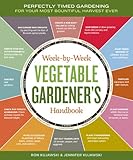
- Storey publishing
- Language: english
- Book - week-by-week vegetable gardener's handbook: perfectly timed gardening for your most bountiful harvest ever
Value-added food and herb products
Possible products include dried culinary herbs, herb blends, pesto, vinegars, jellies, and other preserved goods. Drying herbs can let you hold product until a market is ready, but it requires suitable facilities. Processing and packaging may add value, but also add work, costs, and regulatory questions. University of Maryland Extension’s direct marketing and value-added products guidance recommends researching the market, understanding the customer and product, calculating costs and break-even volume, and checking applicable rules. Do not assume that a home kitchen is automatically approved for food made for retail sale.
How to choose an idea before you invest
- Identify a likely customer. Ask what people currently buy, where they buy it, and in what unit or package. Visit relevant farmers markets and retailers to compare products, quality, and prices. University of Minnesota Extension’s direct marketing guidance emphasizes understanding the market and customers.
- Choose the sales channel with the crop. Consider access to buyers, delivery distance, market fees and requirements, packaging, and the time spent selling. For a perishable crop such as fresh herbs, agree with buyers on what to grow, when they need it, and how much they can take before planting. Small restaurant orders may be a starting point, but scattered deliveries can eventually take too much time; a wholesale outlet may suit a specialized product where a buyer exists.
- Estimate the full cost per unit. Include seeds or starts, growing supplies, labor, harvest, cooling or storage, packaging, delivery, market time, and product that spoils or remains unsold. Minnesota Extension specifically advises considering marketing costs alongside production costs.
- Set a price using local evidence. Compare local prices and account for your costs, quality, customer response, and perishability. A higher selling price alone does not mean a higher profit.
- Test on a manageable scale. Start with a crop quantity you can grow and sell without overcommitting. Track sales, leftovers, time, and actual expenses, then adjust before expanding. This makes it easier to see whether demand and margins hold up in practice.
There is no reliable universal ranking of the “most profitable” garden crops: the reviewed extension sources do not establish typical earnings or profit for a home garden business. Your result depends on local demand, season, costs, losses, and selling arrangements.
Recommended Free Tools
Rank #3

- Storey publishing
- Binding: paperback
- Language: english
Account for selling and local requirements
Farmers markets can put growers in direct contact with customers and help build repeat relationships, but each market and locality may have different conditions. UNH Extension’s farmers market guidance recommends discussing insurance needs with an agent and checking applicable federal, state, local, and market-specific requirements.
Processed foods can raise separate questions about food safety, facility use, labeling, zoning, and applicable FDA or other rules. Requirements vary by product and jurisdiction, so ask your local Extension office, market administrator, and relevant regulators what applies before you sell.
Quick Recap
Rank #4
Product prices and availability are accurate as of the date/time indicated and are subject to change. Any price and availability information displayed on Amazon at the time of purchase will apply.




