Crashes, No Sound, or Screen Glitches?
Random freezes, missing sound and display glitches usually trace back to one bad driver. Find and replace yours safely.Free scan · under a minuteWindows Errors? Fix Them Before They Spread
Repair common Windows errors and clear accumulated junk for a smoother, more stable PC - no reinstall needed.Free scan · no reinstallYou can make money cooking by selling locally permitted food, preparing meals for clients, teaching, or creating recipes and food content. The best fit depends on how you want to work: food sales bring product, safety, and local-rule responsibilities, while services and publishing depend more on finding clients or an audience. Treat these as practical options, not guaranteed income sources; there is no earnings estimate here that applies across locations and business models.
How to choose a cooking income idea
Compare each option by its costs and the way it gets paid, rather than assuming one is automatically more profitable. Ask:


- What will you spend on ingredients, packaging, equipment, travel, or platform fees?
- Will customers pay by the hour, event, order, class, or through an audience?
- How much time and effort will it take to find the first customer—and repeat customers?
- Will you handle or sell food, and what rules apply to that product, facility, and location?
- Can you reuse a recipe, class, or piece of content, or does each sale require your time?
- Does the schedule fit around other work, or are you aiming to build a full-time operation?
Start with a small, clearly defined offer. For example, test a single class or a limited menu with a few clients before committing to equipment, inventory, or a large event. Track the time and expenses involved so you can decide whether the model is worth continuing.
13 ways to make money cooking
These are examples, not a ranked or canonical list. Food sales and cooking services are different kinds of work, and their requirements can vary by location and operating model.
What’s actually slowing this PC down?
Pick the symptom - the matching free tool is one click away.
#1 Best Overall
1. Sell baked goods or other locally permitted foods
Choose a product that local rules allow you to make and sell from your intended facility. Start by checking requirements for that exact food and kitchen; do not assume that a home-kitchen exemption applies to every product or sale. Ingredient, packaging, labeling, and delivery costs affect what you keep from each order.
2. Sell at farmers markets
A market can put your food in front of local customers, but it adds planning and costs such as booth arrangements, transport, display materials, and unsold inventory. Confirm both the market’s vendor requirements and the rules that apply to the food you plan to sell.
3. Cater small events
Offer food for a defined event, such as a family gathering or workplace lunch. Before accepting a booking, set the menu, guest count, service expectations, payment terms, and cancellation arrangements. Check requirements for preparing, transporting, and serving food; catering may have different obligations from selling a packaged product.
Rank #2
4. Work as a private or personal chef
Prepare meals for an individual or household, often with a menu tailored to the client. Agree in advance on who buys ingredients, where you cook, how kitchen access works, and what cleanup or service is included. Requirements can differ when you cook in a client’s home rather than sell food made in your own facility.
5. Offer in-home meal preparation
Cook several meals in a client’s kitchen for their household to eat later. This can suit cooks who prefer a recurring service over event work. Define the number and type of meals, shopping responsibilities, storage and reheating instructions, and the client’s dietary needs before starting.
6. Prepare meal-prep orders where permitted
Sell a set of prepared meals to customers who want ready-to-eat or ready-to-reheat food. The model can involve substantial planning for batch size, ingredients, packaging, pickup or delivery, and food safety. Verify the local rules for your preparation site and sales method before taking orders.
Rank #3
7. Teach in-person cooking classes
Run a class around a specific skill, cuisine, or menu. You might teach in a suitable rented space, community venue, or another approved setting. Consider class size, ingredient costs, equipment, venue arrangements, and whether the ticket price covers the full experience you are offering.
8. Teach online cooking classes
Teach live over video or create a recorded class. Online instruction avoids some venue logistics, but you still need a clear lesson, a way to reach students, and workable camera, sound, and lighting. Decide whether students will cook along, watch a demonstration, or receive recipes and other materials.
9. Create recipe content for publishers
Pitch recipes, food stories, or related content to publications that work with outside contributors. Follow each publisher’s submission requirements and agree on the scope, payment terms, and rights before doing commissioned work. Having strong recipes is only part of the job; clear writing and dependable delivery matter too.
Rank #4
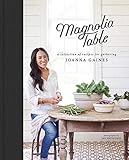
- Magnolia Table is infused with Joanna Gaines' warmth and passion for all things family, prepared and served straight from the heart of her home, with recipes inspired by dozens of Gaines family favorites and classic comfort selections from the couple's new Waco restaurant, Magnolia Table.
- Jo believes there's no better way to celebrate family and friendship than through the art of togetherness, celebrating tradition, and sharing a great meal. Magnolia Table includes 125 classic recipes—from breakfast, lunch, and dinner to small plates, snacks, and desserts—presenting a modern selection of American classics and personal family favorites.
- Complemented by her love for her garden, these dishes also incorporate homegrown, seasonal produce at the peak of its flavor. Inside Magnolia Table, you'll find recipes the whole family will enjoy, such as:
10. Write a cookbook or downloadable recipe collection
Package a focused set of recipes into a book or digital collection. A narrow subject—such as weeknight meals or a particular baking technique—can help define the audience and make the project coherent. Account for recipe testing, editing, photography or illustration, production, and promotion.
11. Build a cooking blog or video channel
Publish recipes, demonstrations, or cooking advice on a site or channel you control. This is usually an audience-building project rather than an immediate payment for each meal you cook: readers and viewers need a reason to return, and publishing takes consistent effort. Do not treat future advertising, sponsorship, or other platform income as assured.
12. Offer cooking demonstrations or events
Demonstrate a recipe or technique at a community, educational, or private event. This can be a fit if you enjoy presenting and can adapt the content to the audience and venue. Clarify who supplies ingredients and equipment, what the event organizer expects, and whether you are demonstrating, serving samples, or both.
Best Value
13. Provide menu or recipe development services
Develop recipes or menus for a client such as a food business, publisher, or event organizer. Define the deliverable—ideas, tested recipes, ingredient specifications, or a complete menu—and agree on revisions, deadlines, and rights to the work. This path rewards planning and communication as much as cooking ability.
Independent reader supportYour contribution helps us test, update, and keep practical guides available for everyone.Check food rules before selling or serving
In the United States, requirements can depend on the food, where it is made, and how it reaches customers. The FDA’s food-business guidance advises home-based food businesses to review applicable FDA requirements as well as state and local health department rules. It also explains that FDA regulates foods offered for sale in interstate commerce, with exceptions including meat, poultry, and certain processed egg products regulated by USDA; retail food establishments and farmers markets are examples it identifies as outside FDA regulation. That federal overview does not settle what is permitted in a particular city or state.
Before taking food orders, identify your exact product and preparation facility, then ask the relevant state and local health departments what rules apply. Check separately if you are catering, delivering meals, selling at a market, or preparing food in a client’s kitchen: do not assume that rules for one model cover another. FDA’s Food Safety in Your Kitchen page links to safe meal-preparation and recipe-writing resources for home cooks, professional chefs, and recipe writers.
Keep business records and plan for taxes
Track income and expenses from the beginning, including receipts for ingredients, packaging, travel, equipment, and other business costs. The IRS says gig-work income must be reported even if the payer does not send a tax form, and independent contractors may need to make estimated tax payments. Its gig-work tax guidance explains recordkeeping and tax responsibilities. Whether you owe estimated payments depends on your circumstances; a platform’s reporting form does not by itself determine whether income is taxable.
Quick wins for a faster PC:
Scan for outdated or missing drivers - takes under a minuteDriver Scan →Clear out junk files and repair common Windows errorsFree Scan →Fix the driver behind crashes, sound loss and screen glitchesFind Drivers →Occasional cooking income is not automatically a hobby for tax purposes. The IRS considers multiple factors when distinguishing a business from a hobby, including whether you operate in a businesslike way, intend to make a profit, keep records, and try to improve profitability. It says, “No single thing is the deciding factor.” See the IRS’s hobby-or-business guidance for the broader test.
Choose a first step you can evaluate
Pick one offer, define its customer and costs, and check any applicable food or venue requirements before accepting payment. After a small trial, compare what customers paid with the ingredients, supplies, travel, fees, and time the work required. That gives you a more useful basis for deciding whether to repeat it, adjust the offer, or try a different way of earning from your cooking.
Quick Recap
Product prices and availability are accurate as of the date/time indicated and are subject to change. Any price and availability information displayed on Amazon at the time of purchase will apply.




