International students can earn money through campus jobs, assistantships, approved internships and other work—but what is allowed depends on the country, immigration status, school, program and job arrangement. Before accepting or starting any paid activity, check the current government rules and ask your school’s international-student office whether that specific work is permitted and whether you need authorization first. This guide gives examples for F-1 students in the United States and eligible study-permit holders in Canada; the rules are not interchangeable.
What should you check before trying to earn money?
A job listing, offer letter or promise of payment does not establish that you are allowed to work. Start by identifying your status and the proposed work arrangement, then verify the rules before you accept or begin. Include unpaid internships, freelance services and online work in that check: unpaid work may still require approval, and remote work is not automatically exempt.



- Describe the work precisely. Note whether it is on campus, off campus, remote, an internship or placement, or self-employment; who the employer or client is; whether you will receive wages, commission or another benefit; and when the work takes place.
- Check the government conditions for your status. Confirm eligibility, hour limits, school-term and break rules, and whether approval is required before starting. Use the current government guidance for your country and permit.
- Ask your school’s international-student office. Give the adviser the job description and work arrangement. Ask what authorization or documentation is needed, who must approve it and when you may begin.
- Keep written records. Save the adviser’s guidance, approvals, job description and schedule. Track your hours, including time spent on self-employed work where the applicable rules count it.
If you are studying somewhere other than the United States or Canada, use this same process with that country’s immigration authority and your institution. Neither country’s examples below establish the rules for another jurisdiction.
Which student work options are worth exploring?
Campus jobs and assistantships
Start with your school’s student employment board, department pages and career center. Campus services and academic departments may advertise hourly roles; some schools also offer assistantships. Indiana University, for example, describes student hourly positions and assistantships as options for its students. Availability, duties and authorization procedures are school-specific, so an opening is a lead to investigate—not confirmation that you qualify.
Ask the hiring department and international office whether the position is considered on-campus work for your status, whether you need to complete any steps before your first shift, and how your hours are counted. Indiana University says its F-1 students are not eligible for federally funded work-study positions and advises students to contact its Office of International Services before accepting certain campus jobs not paid by the university. Those details are specific to IU; ask your own school about its programs and requirements.
Internships, practicums and field-related work
A placement connected to your studies may offer experience as well as income, but the connection to your program does not by itself establish permission to work. In the United States, USC identifies Curricular Practical Training (CPT) as a route for paid or unpaid off-campus internships or practicums, and Optional Practical Training (OPT) as work experience in a student’s field of study. Eligibility and the required authorization depend on the student and program. Get the school’s guidance and any required authorization before work begins.
Georgetown’s Office of Global Services tells its F-1 and J-1 students: “Never accept or engage in paid or unpaid off-campus employment, internships, fellowships, or other training without prior authorization from OGS.” That is Georgetown’s instruction to its students, but it is a useful warning against treating an unpaid role or internship as automatically outside work rules. Students at other institutions should ask their own international office.
Freelance, gig and online services
Do not assume that tutoring, selling a service, taking platform-based gigs, freelancing for overseas clients or working remotely avoids immigration restrictions. The answer can depend on where you are, who the employer or client is, how the work is structured and what your status permits. Ask your international office about the exact activity before taking a client, accepting a commission or doing work for pay.
Free tools Windows power users keep installed
One-click scans. No signup required.
Rank #3
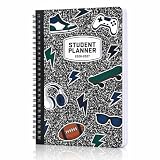
- Easily Stay on Top Of Things: Tackle it all with ease - less stress, more fun! The student planner 2026-2027 is here to streamline the organization of monthly & weekly goals, tasks, lessons, homework & exams. Easily stay on track with calendars, notes sections & more
- Boost Organizational Skills & Productivity: ZICOTO’s school planner is your powerful tool to manage your time wisely, getting all work done, while also honing your organizational skills, learning how to prioritize effectively and finally free up some of your time
- Enjoy Practical Features & Resource Pages: The perfect student planner for middle and high school years! Each month, there is a dedicated page for notes, to do’s & appointments. Clever: the planner even includes study tips and basics for math, science & co.
- Super Cool Composition Book Design: How awesome is that? The homework planner sports a trendy composition book style cover with cool sporty icons like sneakers, skateboards, footballs, game controllers and lightning bolts – a fun design that will make any student want to stay organized!
- Sturdy & Perfect Size: Super cool with a soft feel, robust cover, sturdy spiral binding and ideal size of 8.5x6.1", the student planner for high & middle school is truly made for everyday use, fitting neatly into any bag
Canada has a specific published distinction for remote work: Immigration, Refugees and Citizenship Canada (IRCC) says remote work for an employer outside Canada does not count toward the 24-hour off-campus limit, provided the student continues to meet study-permit conditions. This is a narrow, Canada-specific rule, not a general permission for self-employment or remote work. Check IRCC’s current guidance and your own permit conditions.
How do the U.S. and Canadian rules differ?
The examples below apply to particular student categories, not every international student in either country. The hour limits also depend on the type and location of work, school calendar and eligibility.
Rank #4

- 2026-2027 STUDENT PLANNER: The student planner with waterproof flexible cover is from July 2026 – June 2027, covering 12 months of monthly and weekly spread for an easy academic year planning. SIZE: 10.5’’ x 8.5”, moderate size, easy to carry and durable to use.
- PRACTICAL WEEKLY PAPGES: This school planner 2026-2027 is from Monday to Saturday or Sunday, with 7 columns, distinguished in green and white, giving you more ample and clearer room for class schedule. Plus, 3 month reference, holidays marked, weekly goals and to-do lists will make your plan easier. Parents and teacher comments are also included.
- EXTRA MONTHLY SPREADS: With inspirational quotes, 2-page monthly spread gives you a clear view of your plans for the whole month. There are 3 reference calendars to review the past and plan for the future, To-do lists and Notes for important reminders, and Holidays are marked, Large Blocks to jot down your plans, ideas, activities, appointments, etc.
- MULTI-FUNCTIONAL DESIGN: The 2026-2027 school planner calendar is made of sturdy materials, with waterproof cover, 12 coated tabs, ink-resistant thick paper, double-sided pocket, twin-wire binding, all of these make your planning easier and keep your life, work, and study more organized!
- STAY EFFICIENT & ORGANIZED: The student planner 2026-2027 also includes pages of Stickers Page, Yearly Calendars, Semester Schedule, Special Dates, Grades Pages, and Notes pages to improve your organizational skills.
| Situation | United States: F-1 example | Canada: eligible study-permit holder |
|---|---|---|
| On-campus work | USC’s Office of International Services says F-1 students may work up to 20 hours per week during fall and spring semesters and up to 40 hours per week during university vacations and summer vacation. This is USC’s guidance; verify your school’s rules and your eligibility. | IRCC says eligible students who meet the applicable permit and enrollment conditions, including having a Social Insurance Number, have no hour limit for on-campus work during regular terms or scheduled breaks. Other permit conditions and practical study limits still matter. |
| Off-campus work during regular academic sessions | Do not begin off-campus work based on a job offer alone. USC lists CPT, OPT and employment based on economic hardship among off-campus categories; ask your school which, if any, applies and obtain required authorization first. | IRCC says eligible students may work up to 24 hours per week off campus during regular academic sessions. Eligibility conditions apply, including that the student has started the program, is enrolled full time in an eligible program (with a limited final-semester exception), and has a study permit with conditions allowing work. |
| Scheduled school breaks or vacations | USC describes up to 40 hours per week during university vacations and summer vacation for F-1 on-campus work. Confirm how your school classifies the break and what applies to your work category. | Eligible students may work full time during scheduled breaks, according to IRCC. The break must qualify under the applicable rules; check your school calendar and current IRCC guidance. |
| Self-employment or client work | The sources cited here do not establish a blanket exemption for freelance, online or self-employed activity. Ask your international office about the specific work before beginning. | IRCC says self-employed students must track their work time. Time spent earning wages, selling a service or product, or collecting commission counts in its off-campus hour calculation. |
How can you find openings without confusing a listing with permission?
Use your institution’s channels to discover roles, then conduct the authorization check separately. Adelphi University points students to Handshake for campus job opportunities; other schools may use different platforms or department-specific listings.
- Search your school’s student job board and career center listings.
- Ask academic departments about assistantships, hourly work and eligible placements.
- Check campus services and departments that hire students.
- Before accepting an offer, send the international office the position description, employer details, location, schedule and pay arrangement.
Compare actual opportunities on the details that affect both permission and day-to-day feasibility:
The Tool Desk
Outbyte Driver Updater FREEScan for outdated or missing drivers - takes under a minuteDriver Scan →Outbyte PC Repair FREERepair Windows errors before they cause bigger problemsFix Now →- Authorization: Is the role permitted under your exact status, and does it require approval before you start?
- Location and employer: Is it on campus, off campus, remote or part of a placement, and who is paying you?
- Hours and calendar: What limit applies during classes, and what changes during qualifying breaks?
- Study connection: Does the work need to relate to your field or curriculum?
- Practical fit: What are the actual pay, schedule, commute and effect on coursework? Compare offers using their stated terms; there is no single reliable earnings figure for international students across countries and jobs.
Can student work cover tuition and living costs?
Do not build a study budget on the assumption that a part-time job will pay for everything. Georgetown advises its international students not to plan to meet education or personal living expenses through employment earnings. That is advice from Georgetown, not a universal estimate of what every student can earn; pay and available hours vary, and the sources cited here do not establish a representative income across countries or jobs.
Before relying on work income, make a budget using confirmed costs and conservative, realistic work hours that fit your authorization and academic schedule. Ask your school’s financial-aid or student-support office about funding, payment arrangements or emergency resources available to you, and your international office about any implications of a change in your finances or work plan.
Quick Recap
Product prices and availability are accurate as of the date/time indicated and are subject to change. Any price and availability information displayed on Amazon at the time of purchase will apply.




