Quick wins for a faster PC:
Repair Windows errors before they cause bigger problemsFix Now →Scan for outdated or missing drivers - takes under a minuteDriver Scan →Clear out junk files and repair common Windows errorsFree Scan →Whether you have a claim against the IRS depends on what you want the IRS to do. Seeking back an overpayment, disputing a proposed tax bill, challenging a penalty, and seeking damages for collection conduct follow different procedures, forms, and deadlines. Start by identifying the relief you want and the IRS notice or action involved; then match those facts to the route below.
First, identify what you mean by “a claim against the IRS”
Ask yourself two questions: What outcome do I want, and what IRS action or tax payment is it about? The answer determines whether you are making a refund claim, requesting an abatement, challenging a tax determination, or pursuing damages. These are not interchangeable processes, and there is no single form for every complaint.
| Your situation | Likely route | First facts to check |
|---|---|---|
| You think you overpaid federal income tax | Claim a credit or refund, usually through an original or amended income-tax return | Tax year, return filing date, payment dates, and any IRS denial notice |
| You want certain penalties, interest, fees, or other specified taxes reduced or returned | Request an abatement or refund using the procedure for that tax or charge; Form 843 may apply | Type of charge, reason for relief, relevant notice, and payment history |
| You disagree with a proposed additional tax or another IRS decision | Use the review or appeal route available for that decision; a notice of deficiency may allow a Tax Court petition | Exact notice, its response deadline, and whether the tax has been assessed or paid |
| You believe IRS collection conduct caused legally actionable harm | Assess a possible collection-damages claim, which may require an administrative claim first | Collection action, alleged legal violation, date of harm, and supporting evidence |
| You suffered personal injury or property damage | Consider the distinct Federal Tort Claims Act administrative and court process | What happened, the injury or damage, dates, and evidence of loss |
The table is a starting point, not a legal determination. A notice, collection event, payment record, and the reason for the requested relief can change which procedure applies.
How to check whether the IRS owes you an income-tax refund
Calculate the claim-filing window
The IRS’s general deadline for a federal income-tax credit or refund claim is the later of three years after the return was filed or two years after the tax was paid. The IRS states this general rule on its refund-claim guidance, current as of October 4, 2026. A return filed before its due date is generally treated as filed on the due date. Withholding and estimated payments are generally treated as paid on the return’s due date.
#1 Best Overall

- 2026 2027 Yearly Tax Organizer: includes 2 spiral bound tax organizer designed to help you collect, sort, and store important tax records throughout the year, keeping receipts, income records, bills, and other paperwork in one easy to manage place
- Large Size for Everyday Documents: cover measures about 13 x 9.65 inches, with inside pages about 9.65 x 6.5 inches; The spacious pocket design provides room for receipts, statements, records, and tax-related papers without taking up too much desk or shelf space
- 12 Monthly Pockets for Easy Sorting: the tax record organizer features 12 pockets, making it simple to separate documents by month or category; Useful for organizing medical expenses, charitable donations, prescriptions, invoices, income folders, and monthly bill receipts
- Spiral Bound for Convenient Access: the secure spiral binding lets pages turn smoothly, so you can quickly add, remove, or review documents whenever needed; A practical design that helps simplify filing and reduce last-minute stress during tax season
- Widely Applied: this annual tax organizer is suitable for managing annual taxes, tracking receipts and preparing for audits all year round, making your tax preparation more systematic and manageable, and it is very suitable for annual tax returns, document storage and filing, professional tax services and tax agencies
Do not rely on a rough calendar-year calculation. Check the specific tax year, actual filing date, due date, and dates and types of payments. The IRS lists possible exceptions, including certain written assessment extensions, declared disasters, combat-zone service, and bad-debt or worthless-security claims. Whether an exception applies depends on the facts and governing rules.
Check how much of the payment could be recovered
Meeting the deadline to file a claim does not necessarily mean every amount paid can be refunded. The amount recoverable can be limited by when the tax was paid. Compare the payment dates with the applicable claim period and review the IRS’s instructions for the specific year and circumstances.
Use the income-tax return route, not Form 843
For an income-tax refund, the original return or Form 1040-X amended return can serve as the claim. Form 843 is not a universal complaint form and should not be used to claim an income-tax refund or amend an income-tax return. Its instructions cover specified other taxes, penalties, additions to tax, interest, and fees. The instructions were revised in December 2024; check the current Form 843 instructions and IRS form information before filing.
Rank #2
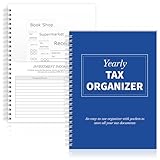
- Sufficient Quantity: you will receive 1 annual tax organizers to organize and store important tax records
- Spiral Binding: with spiral security binding, you can sort and access your monthly tax documents all year round; Help simplify tax time
- Durable: our tax document organizer is made of paper, which is very durable and convenient for you to use frequently in your daily work
- Large Capacity: this tax document organizer has 12 pockets, which makes it convenient for you to sort and file receipts and records and store them in a centralized manner; With this document organizer, you can organize various documents such as medical expenses, prescription drugs, charitable donations, etc. throughout the year, and face tax season confidently and efficiently
- Widely Applied: this annual tax organizer is suitable for managing annual taxes, tracking receipts and preparing for audits all year round, making your tax preparation more systematic and manageable, and it is very suitable for annual tax returns, document storage and filing, professional tax services and tax agencies
For a Form 843 claim, explain the basis for the requested refund or abatement and provide the information and supporting documents required by the instructions for that type of claim. The correct evidence varies with the tax or charge.
The Tool Desk
Outbyte Driver Updater FREEFix the driver behind crashes, sound loss and screen glitchesFind Drivers →Outbyte PC Repair FREERepair Windows errors before they cause bigger problemsFix Now →What to do if the IRS denied your refund claim
Read the disallowance notice and record the date it was mailed. The Taxpayer Advocate Service explains that the refund statute expiration date, or RSED, is the end of the time to file a claim for a credit or refund for a particular year. A disallowance letter explains the IRS’s decision and appeal rights; it also starts a separate period for a possible refund suit.
The IRS generally says a taxpayer may bring a refund suit in U.S. District Court or the U.S. Court of Federal Claims if the tax has been fully paid and the claim was denied, if the IRS has taken no action on the claim for six months, or if the IRS mailed a denial less than two years ago. The ordinary deadline after a disallowance is two years from the date the IRS mailed the notice. The Internal Revenue Service’s Publication 556 states: “You generally must file suit for a credit or refund no later than 2 years after the IRS informs you that your claim has been rejected.” Publication 556 dates to September 2013, so read it alongside current IRS appeal guidance and the actual notice.
Rank #3

- Great way to organize and store vital tax records
- Instruction sheet/checklist and preprinted labels included
- 12 pockets plus one large pocket in back provides ample storage
- Protective flap and elastic cord closure
- Contains 10% recycled content, 10% post-consumer material
Requesting an administrative appeal does not itself extend the two-year deadline. The IRS describes Form 907 as a written agreement to extend the period for filing suit; it is effective only if both you and the IRS sign it before the deadline. Do not assume an appeal or ongoing correspondence pauses a court deadline.
How a proposed tax bill differs from a refund claim
If the IRS says you owe additional tax and sends a statutory notice of deficiency, that notice may provide a path to petition the U.S. Tax Court before paying the proposed additional tax. The deadline is the one stated in the notice; check it immediately. A Tax Court petition is not the standard way to recover tax that you have already paid as a refund.
Recommended Free Tools
Many other IRS decisions, including many penalty decisions, may be eligible for review by the IRS Independent Office of Appeals. The available process and deadlines depend on the type of decision and the notice. Follow the notice’s instructions rather than substituting a refund claim or court route that applies to a different dispute.
Rank #4

- All-In-One Monthly Organizer: Keep all your important documents in one place with Sooez Accordion File Organizer. 13 pockets design works great for Monthly organizing and protecting all your important paperwork, bills, taxes, receipts, invoices and more. Perfect for letter size.
- Expandable Capacity: The accordion file folder can be stretched up to 12 inches. 13 pockets allow you to store more than 2000 sheets. No matter how many documents you need to store, this folder can accommodate your needs as it can be easily expanded according to your requirements.
- Efficient Organization & Easy Lookup: To enhance your file organization, we provide blank labels along with this folder. You can personalize them to suit your requirements, such as labeling sections by month for effortless file retrieval.
- Stable & Portable: Stand on its own on the desk and not easy to tip over. Designed with portability in mind, allowing you to effortlessly move it between your desk, cabinet, and any other preferred locations.
- Maximum Protection and Durability: Well made, made from durable wipe-clean polypropylene. Waterproof & sturdy. Tear-resistant plastic provides durable structure. Acid-free, PVC-free, and archival quality for safe storage. Adjustable snap closure helps keep contents secure. Use 2 additional front pockets for business cards, project title cards or notes.
When collection conduct or injury may support a damages claim
Collection-related damages
Internal Revenue Code section 7433 provides for a damages action against the United States in federal district court when an IRS officer or employee, in connection with tax collection, recklessly, intentionally, or negligently disregards the Internal Revenue Code or related regulations. An upsetting interaction, audit disagreement, or delayed refund alone does not establish that this standard is met.
For certain claims under sections 7433, 7432, and 7426(h), IRS materials identify Publication 5390 and Form 15237 for an administrative claim. The IRS’s Internal Revenue Manual describes exhaustion of administrative remedies before a damages judgment and a two-year suit limitation measured from accrual. The claim type, facts, and applicable law matter, so do not treat that limitation as a universal deadline for every dispute with the IRS.
Personal injury or property damage
A claim for personal injury or property damage may instead fall under the Federal Tort Claims Act, which has a separate administrative-claim and court process. The IRS distinguishes this route from section 7433 claims, which it handles through Collection Advisory procedures. Identify the kind of harm and the conduct that caused it before choosing a form or forum; the processes should not be combined.
What’s actually slowing this PC down?
Pick the symptom - the matching free tool is one click away.
Build a file before you submit anything
Organize the records that establish what happened, when it happened, and what relief you are requesting. Depending on the route, useful records may include:
- The IRS notice or letter, including its envelope or other evidence of the mailing date
- The relevant return, amended return, or proof of filing
- Payment records showing amounts and dates, including withholding or estimated payments where relevant
- IRS correspondence and records of calls or other contact
- For a damages claim, records of the collection action and evidence supporting the alleged violation and loss
Use the applicable form instructions or notice to determine what must accompany the submission. Keep copies of everything filed and proof of when and how it was sent.
Quick Recap
A practical decision sequence
- Name the outcome. Decide whether you seek an income-tax refund, an abatement or refund of another specified charge, review of an IRS decision, or damages for collection conduct or injury.
- Find the controlling records. Locate the tax year, return and payment dates, IRS notice, and any collection or injury records. Note the mailing date of a denial or deficiency notice.
- Match the procedure. Use an original or amended income-tax return for an income-tax refund claim; check Form 843 instructions for a specified non-income-tax refund or abatement; follow the notice for an appeal or deficiency petition; and verify whether an administrative damages claim is required.
- Calendar every deadline. Calculate the refund-claim period using the filing and payment dates, and separately calendar any court deadline triggered by a denial or notice. Do not assume an appeal extends a suit deadline.
- Get help when a deadline or court route is in play. A tax controversy attorney or tax professional experienced with IRS claims may be useful if you received a denial, face collection action, are considering damages, or have a deadline approaching.
Product prices and availability are accurate as of the date/time indicated and are subject to change. Any price and availability information displayed on Amazon at the time of purchase will apply.




