What’s actually slowing this PC down?
Pick the symptom - the matching free tool is one click away.
Automating your finances means arranging income, transfers, bill payments and alerts so routine money moves happen on schedule while you retain enough visibility to catch errors, low balances and changed charges. The reliable approach is to map cash flow first, automate only predictable amounts, keep a checking-account buffer and review activity on a recurring schedule.
1. Map your cash flow before scheduling anything
Start with one list or calendar showing every payday, recurring bill, minimum debt payment and essential variable expense. Record the due date, expected amount, account used and whether the amount is fixed or can change. Include annual or irregular obligations by setting aside a monthly amount for them.
- Mark when income actually becomes available, not merely the pay-period end date.
- Separate fixed charges, such as rent, from variable charges, such as utilities or a credit-card statement.
- Identify which account will fund each payment and the minimum balance it must retain.
- Use a bill calendar or worksheet if several due dates cluster together; the CFPB provides bill-calendar guidance through its consumer resources.
This map exposes timing problems before an automatic payment does. A transfer scheduled for payday may still arrive after a bill is presented, depending on your employer and financial institution.
2. Route each paycheck deliberately
Direct deposit to checking
Use payroll direct deposit for the account that handles near-term bills and everyday spending. Confirm the employer’s cutoff and the institution’s posting schedule, then leave enough cash for charges due before the next paycheck.
Do these 3 things before closing this tab:
1Scan for outdated or missing drivers - takes under a minute2Clear out junk files and repair common Windows errors3Fix the driver behind crashes, sound loss and screen glitches#1 Best Overall

- EFFECTIVELY MANAGE YOUR MONEY - Our budget planner helps you take control of your finances by providing sections for financial goals, savings, debts, daily expenses, monthly budget, monthly budget review. This finance planner is a good finance book and will help you manage your money effectively.
- PREMIUM QUALITY - Our budget planner is made with high-quality 100gsm paper that reduces ink leakage, fraying, and shade issues. The sturdy and flexible cover,, helps protect the pages. The metal lay-flat twin-wire binding ensures durability and longevity.
- ORGANIZED MONTHLY GOALS & BUDGETS - Our 12-month budget planner helps you set monthly goals, budgets, reviews, and develop good monetary habits, strategies, and action plans. Write down monthly financial goals, put reminders of bills and payments on the calendar, plan your monthly budget in each category, track daily expenses, and review the monthly budget at the end of the month.
- FLEXIBLE USAGE - Our undated finance planner allows you to start at any time and place, making it convenient to use. It has a perfect size of 8.6x5.9 inches and fits in every bag, so it's always at hand.
- CREATE FINANCIAL FREEDOM - Our budget planner is your chance to develop monthly habits, monetary strategies, and action plans to start your journey to long-term financial freedom. It allows you to track monetary flow and review each area for improvements. With this 1-Years budget book, you can take the first step towards financial freedom.
Split direct deposit
If your employer supports split deposits, send a planned amount or percentage to savings and the remainder to checking. This can automate “pay yourself first” without a later transfer, but payroll rules, minimum amounts and processing times vary.
Post-payday transfer
If split deposit is unavailable, schedule a recurring checking-to-savings transfer for after pay arrives. Choose a date that gives income time to post and leaves checking funded for bills and essential variable spending. Regulation E generally permits an employer to require electronic direct deposit only when employees can choose the receiving institution, or when an alternative payment method is offered through a designated institution; this is general U.S. information, not individualized legal advice. CFPB Regulation E §1005.10
3. Set a savings automation you can sustain
Base the amount and cadence on actual net income and outgoings, not an aspirational target. Start conservatively enough that ordinary bills remain covered, then increase it after you have observed several pay cycles. A weekly, biweekly or monthly schedule can work; align it with when money is available.
Rank #2

- Effective Budget Planning - Take control of your finances with the budget account book. This comprehensive planner allows you to plan and track your income, expenses, savings, and financial goals in one convenient place. With its intuitive layout and easy-to-use sections, you can stay organized and make informed decisions to achieve financial success.
- User-Friendly Layout - The budget planner features a user-friendly layout designed for easy navigation and organization. Each month, you'll find dedicated budget pages where you can set financial goals, track your income, and plan your expenses. Additional sections include debt trackers, savings goals, bill payment trackers, and more, making it simple to stay on top of your finances.
- Undated Monthly Calendar & Bonus Stickers - Featuring undated calendar each month, you'll have ample space to mark paydays, bills due, appointments, and important dates. Say goodbye to difficult writing spaces. Plus, we've included 3 cute sticker sheets that allow you to personalize your financial organizer and make budgeting more fun. Dates are not pre-printed and are completed by the user.
- Reliable and Convenient Design - Our monthly budget planner is designed for your convenience and built to last. The elastic band keeps everything securely in place, and the dual-sided pocket provides extra storage. Experience a budget planner that combines practicality and durability.
- Master Budgeting with Ease - Our financial planner includes a complete guidebook that provides valuable insights and instructions for optimal usage. From setting financial goals to tracking expenses, this guidebook offers step-by-step guidance and practical tips. Whether you're new to budgeting or an experienced user, this resource will help you make the most of your budget planner, empowering you to achieve financial success.
The FDIC illustrates the arithmetic with $20 every other week: over one year, that equals $520 plus interest. The FDIC’s 2022 example is an illustration, not a forecast of your account’s earnings or a recommended contribution. FDIC savings guidance
Quick wins for a faster PC:
Scan for outdated or missing drivers - takes under a minuteDriver Scan →Clear out junk files and repair common Windows errorsFree Scan →Fix the driver behind crashes, sound loss and screen glitchesFind Drivers →Keep a separate plan for irregular expenses so a short-term bill does not force you to cancel a recurring transfer. Revisit the amount after a pay change, rent increase, new debt payment or sustained change in essential spending.
4. Choose the right way to automate bills
“Automatic bill payment” can describe two different arrangements. In bank bill pay, you instruct your bank or credit union to send money to a biller. In company automatic debit, you authorize the biller to withdraw money from your account. The Consumer Financial Protection Bureau explains the distinction and the related safeguards. CFPB: How do automatic payments from a bank account work?
Rank #3

- TAKE CONTROL OF YOUR MONEY & ACHIEVE YOUR FINANCIAL GOALS - Are you looking for the best monthly budget planner to keep your finances organized? Clever Fox Budget Book will help you keep your money organized, spend well and start saving.
- FIND THE BEST WAY TO ACHIEVE YOUR FINANCIAL GOALS - This budget organizer is not just a tool; it's a framework for achieving your financial goals. The finance planner helps you develop a strategy and break your ambitious goals into manageable monthly tasks.
- EASILY CONTROL YOUR SPENDING, DEBTS & SAVINGS - This money planner is undated and covers 12 months. Every month features a calendar, a budget plan, and an expense tracker. The budgeting planner also includes 8 savings and 12 debt trackers.
- USER GUIDE & BUDGETING STICKERS - Measuring 5.8 by 8.3 inches, this bill planner features a vegan leather hardcover, thick 120gsm paper, pen loop, elastic band, 3 bookmarks, pocket for receipts, budgeting stickers, and a user guide.
- 60-DAY GUARANTEE - We will exchange or refund your Budget Planner Organizer if you aren’t satisfied with your budgeting workbook for any reason. Reach out to us via message to refund your financial planner.
| Arrangement | Who initiates the movement | Best fit | Key checks |
|---|---|---|---|
| Bank recurring bill pay | Your bank sends the payment under your instruction. | Predictable bills when you want centralized scheduling and a clear outgoing calendar. | Delivery lead time, payment amount, processing date and how to edit or cancel. |
| Company automatic debit | The biller withdraws under your authorization. | Services where the amount or statement is managed directly by the provider. | Biller identity, authorized amount or range, withdrawal frequency, notice terms and cancellation process. |
Fixed-amount bills
Rent, a fixed loan payment or a subscription with a stable price is easier to schedule. Still, check for renewal, tax or fee changes and retain the authorization or confirmation.
Variable-amount bills
Utilities, card statements and usage-based services need more supervision. Confirm how the amount is determined and when notice arrives. The CFPB says that when a scheduled debit differs from the authorized amount or range, or from the most recent payment, the company must generally give at least 10 days’ notice, subject to the rule’s conditions. Read the biller’s terms rather than assuming every change follows the same timetable.
Before turning on a debit
- Verify the company through a trusted statement, official website or known customer-service number.
- Read the authorization: amount or range, frequency, first withdrawal date and how to revoke it.
- Save the confirmation and note where to stop or change the payment.
- Review the first withdrawal against the authorization.
5. Build a checking-account safety buffer
Automation does not prevent a payment from arriving before income or from exceeding an estimate. Keep a cushion sized to your own timing and bill volatility, rather than treating the account’s apparent balance as all available to spend. The CFPB warns: “Pay close attention to your bank account balance and upcoming automatic payments to make sure there will be enough money in your account when the payment is scheduled.” Consumer Financial Protection Bureau
Rank #4

- Effective Budget Plan Book – Take control of your finances with the SUNEE budget account book. This all-in-one budget planner allows you to plan and track your income, expenses, savings, and financial goals. Its intuitive layout and easy-to-use sections help you stay organized and make smart decisions to reach financial success. Our financial planner also included a comprehensive guidebook with valuable tips and instructions to help you get the most out of your budgeting planner.
- Full-Page Calendars – Each month’s full-page calendar provides plenty of space to track paydays, bills due dates, appointments, and important events. No more cramped boxes or tight writing areas, you can easily plan and organize your schedule at a glance.
- Colorful Pages Layout and Tabs – This vibrant budget planner features a user-friendly design for easy navigation and organization. Each month includes dedicated budget pages to set financial goals, track income, and plan expenses. Additional sections like debt trackers, savings goals, and bill payment trackers make managing your finances a breeze. The colorful backgrounds on each page offer clear, instant visibility.
- Bonus 4 Stickers and Convenient Design – This monthly budget planner is built for convenience and durability. Water-resistant cover protects against spills, while the elastic band keeps everything secure, and the dual-sided pocket offers extra storage. Plus, we’ve included 4 adorable sticker sheets to personalize your planner and make budgeting more enjoyable. Experience a budget planner that combines practicality with lasting quality.
- UNDATED DESIGN & 1 YEAR USE - Undated finance books start with 1 page-financial goals, 1 page-Mind Map, 1 page-Financial Strategy, 1 page-Tactics, 2 pages-Important Dates, 4 pages-Bill Tracker, 4 pages-Saving Tracker, 8 pages-Debt Tracker, followed by 12 Months(10 pages per month, 1 unique color for each month). 2 pages-Christmas Budgeting, 2 pages-Yearly Summary, 2 pages-Check Register and 12 pages-Notes(dotted). It is UNDATED, so you could start at any time, suitable for 1 year use.
- Check whether your institution charges overdraft or nonsufficient-funds fees and how transactions are ordered.
- Do not schedule a savings transfer on the same day as a large, uncertain debit unless the buffer covers both.
- Use alerts for low balances and unusually large or new transactions where available.
6. Create a review loop, not a “set and forget” system
At least once each pay cycle, review the next scheduled debits, current balance and recent transactions. Compare amounts with your cash-flow map and investigate anything unfamiliar. Review again after a bill, job, bank account or recurring authorization changes.
A practical monthly checklist
- Confirm the next month’s pay dates and expected net pay.
- Scan scheduled transfers and bill payments for date or amount changes.
- Match recurring debits to current services; cancel unused authorizations with the biller and your bank when appropriate.
- Adjust savings only after essential bills and debt minimums remain covered.
- Check alerts, statements and contact information for signs of unauthorized activity.
Keep records of authorizations and cancellations. If a company continues debiting after you revoke authorization, contact the company and your financial institution promptly and document the dates and amounts.
7. Decide whether to use an outside finance app
A spreadsheet, calendar or bank tools may be enough. Third-party money-management software can consolidate accounts and categorize spending, but it is optional. The FDIC advises choosing a known, trusted organization when using financial apps. Before connecting an account, review the provider’s security practices, data-access scope, fees and account-disconnection process. Do not grant access merely to duplicate a system you can manage with your bank’s own alerts and recurring transfers.
Recommended Free Tools
Best Value
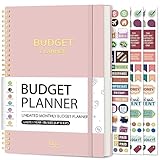
- Effective Budget Planning - Take control of your finances with the budget account book. This comprehensive planner allows you to plan and track your income, expenses, savings, and financial goals in one convenient place. With its intuitive layout and easy-to-use sections, you can stay organized and make informed decisions to achieve financial success.
- User-Friendly Layout - The budget planner features a user-friendly layout designed for easy navigation and organization. Each month, you'll find dedicated budget pages where you can set financial goals, track your income, and plan your expenses. Additional sections include debt trackers, savings goals, bill payment trackers, and more, making it simple to stay on top of your finances.
- Undated Monthly Calendar & Bonus Stickers - Featuring undated calendar each month, you'll have ample space to mark paydays, bills due, appointments, and important dates. Say goodbye to difficult writing spaces. Plus, we've included 3 cute sticker sheets that allow you to personalize your financial organizer and make budgeting more fun. Dates are not pre-printed and are completed by the user.
- Reliable and Convenient Design - Our monthly budget planner is designed for your convenience and built to last. The elastic band keeps everything securely in place, and the dual-sided pocket provides extra storage. Experience a budget planner that combines practicality and durability.
- Master Budgeting with Ease - Our financial planner includes a complete guidebook that provides valuable insights and instructions for optimal usage. From setting financial goals to tracking expenses, this guidebook offers step-by-step guidance and practical tips. Whether you're new to budgeting or an experienced user, this resource will help you make the most of your budget planner, empowering you to achieve financial success.
Common failure modes and fixes
A payment causes an overdraft or nonsufficient-funds fee
Find out whether the debit date preceded payroll posting, an estimate was low or another transaction reduced the balance. Move the bill or transfer date, increase the buffer or switch a variable debit to a method that gives you more timing control.
A debit is larger or earlier than expected
Compare it with the authorization and the biller’s notice. Contact the biller using verified details, then ask your institution what stop-payment or dispute options apply. Update your records once resolved.
You lose track of committed money
Use one bill calendar and include every recurring transfer. Treat scheduled savings and upcoming debits as committed cash, not as part of the spendable balance.
Income or expenses change
Pause or reduce discretionary transfers before a missed bill occurs, then rebuild the schedule from the new cash-flow map. Recheck every date after changing payroll or bank accounts.
What automation can—and cannot—solve
Automation is well suited to repeatable actions: routing pay, moving a chosen savings amount, paying known bills and sending alerts. It cannot determine an appropriate savings rate for every household, detect every unauthorized charge without your review or guarantee that a variable bill will match a prior amount. Bank features, fees and processing times differ, so confirm the terms for your accounts.
Quick Recap
Product prices and availability are accurate as of the date/time indicated and are subject to change. Any price and availability information displayed on Amazon at the time of purchase will apply.




