A 2019 report described three different ways to give agricultural residue value instead of burning it: BIO-LUTIONS India made tableware and packaging from agricultural waste, Kriya Labs developed pulp from rice straw, and Farm2Energy baled and supplied several kinds of crop residue for biomass uses. The approaches could create alternatives to burning, but the report documented pilots and plans—not proof that the ventures reduced regional air pollution or that they still operate today.
Why farmers burned crop residue
After paddy is harvested, farmers in parts of North India face a narrow window to prepare fields for the next wheat crop. The 2019 Scroll report, republished from Mongabay, cited that time pressure, intensive cropping patterns, the convenience of clearing fields, and limited collection infrastructure as reasons burning remained attractive. Agricultural scientist SPS Beniwal described the pressure to get fields ready.
The report estimated that around 15–20 million tonnes of crop stubble, mainly rice straw, were burned annually in Punjab and Haryana. It also described Delhi air pollution during peak Punjab crop-burning season as 20 times the World Health Organization’s safe-air threshold. Both are historical figures reported in 2019, not current estimates or readings.
One alternative mentioned was equipment designed by Punjab Agricultural University to cut standing paddy stubble into smaller pieces for incorporation into soil. SPS Beniwal said the farmer’s out-of-pocket cost remained about Rs 30,000–Rs 40,000 even with subsidy, a deterrent reported at the time.
Do these 3 things before closing this tab:
1Repair Windows errors before they cause bigger problems2Fix the driver behind crashes, sound loss and screen glitches3Clear out junk files and repair common Windows errors#1 Best Overall
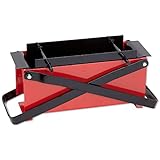
- Make Your Own Fireplace Logs: Our Newspaper Briquette Maker turns piles of old newspapers into easily burnable fireplace logs.
- Good-bye Waste, Hello Warmth: Recycle newspaper that would otherwise be thrown away and turn it into your very own homemade fuel.
- Ash-Free Fireplace Logs: Creates virtually ash-free bricquettes that burn at a rate of 4 bricks per hour; ideal for fireplaces, pirepits, campfires, and wood burnign stoves.
- Heavy Duty Steel Constructgion: Newspaper briquette maker has solid steel construction, so it will last a lifetime.
- Dimensions: The brick maker measures 10¼” x 5¼”; a complete set of instructions is included for easy assembly and use.
How the three residue-reuse models differed
| Venture | Feedstock and collection | Processing route and maturity reported in 2019 | Who bore or received costs |
|---|---|---|---|
| BIO-LUTIONS India, with collection organized by Vikasana | Sugarcane and banana residue collected in Mandya, Karnataka | Water and machinery turned agricultural waste into self-binding fibres for packaging and tableware; a BigBasket packaging pilot ran from early 2017 through mid-2018 | Vikasana reported paying about Rs 500 per tonne of collected residue; the source does not state a comparable collection-cost arrangement for the other ventures |
| Kriya Labs | Rice straw; a proposed model involved mid-income farmers buying straw from smaller farmers | Rice straw was converted into pulp samples and tableware for trials; the venture was described as pilot-stage | The proposed farmer-operated pulp-unit model was a plan, not a reported commercial arrangement |
| Farm2Energy | Paddy straw, corn stover, sugarcane trash, and wheat straw, baled from fields | Supplied residue to biofuel, biopower, and bio-based industries; the report also listed bio-pellets, biochar, and torrefied pellets | The report said it baled stubble without charging farmers |
BIO-LUTIONS: agricultural waste into tableware and packaging
The report described Hamburg-based BIO-LUTIONS India as operating near Ramanagara, Karnataka. Its process used water and large machines to make self-binding fibres from agricultural waste. The reported products included tableware and packaging, and the article said the tableware took three months to biodegrade.
Its packaging pilot with BigBasket supplied small quantities for fruit and vegetables between early 2017 and mid-2018. CEO Kurian Mathew said the company was producing tableware in India and reported using 2,000–2,500 tonnes of raw material annually at that time. These are statements in a 2019 account, not current capacity or product information.
Rank #2

- BURNS UP TO 2 HOURS: All the effort that you’ll put into making your very own briquettes will be well worth it. Each paper log can burn up to 2 hours which will be ideal for your fireplace, fire pits, and more applications!
- HELPS YOU RECYCLE: Chopping up firewood and using charcoal can have environmental repercussions. This handy little paper log maker offers a simple to use alternative that lets you recycle old newspaper and magazines into useful fuel! Great for households with tonnes and tonnes of paper waiting to be disposed of.
- ECO-FRIENDLY FUEL ALTERNATIVE TO COAL: Households all over the world emit 14 billion tonnes of carbon dioxide annually. Do your part and help chip away at that number; use an eco-friendly alternative! Our paper briquette maker allows you to produce your very own fuel at the comfort of your home.
- EASY TO USE: Just soak papers that have been machine shredded or torn apart by hand into water for a couple of hours to turn them into mush. Transfer the paper to this convenient paper log briquette maker and compress until you squeeze out every bit of moisture from the “bricks.” Leave the moulded bricks for a few weeks to a couple of months to dry for best results.
- TOUGH METAL CONSTRUCTION: This paper log press is made from a robust steel construction that will effortlessly compress bits of paper into a solid briquette. Expect years and years of recycling and eco-friendly fuel making!
How residue reached the company
Vikasana, an NGO working on sustainable agriculture, organized sugarcane and banana residue collection in Mandya. Its director, Maheshchandra Guru, said the organization had identified 3,000 farmers and a collection centre. The report estimated four to five tonnes of waste per acre and described additional monthly farmer income of Rs 1,500–Rs 2,000, alongside a payment of about Rs 500 per tonne collected. Those historical figures are not a current or guaranteed offer to farmers.
Kriya Labs: rice straw into pulp
Kriya Labs was described as converting rice straw into pulp for possible use in paper and paper derivatives, bioethanol and other biofuels, fabrics, and specialty chemicals such as cellulose acetate and carboxymethyl cellulose. At the time of the report, it was producing pulp samples and tableware for trials.
Quick wins for a faster PC:
Clear out junk files and repair common Windows errorsFree Scan →Fix the driver behind crashes, sound loss and screen glitchesFind Drivers →Rank #3

- 【Build to Last】: The carbon steel and spraying molding process make this product hard, strong, and less prone to deformation, which can ensure long-term use.
- 【High Efficiency】: Paper log maker contains 4 grids and has many small holes at the bottom, which can quickly and efficiently squeeze out the water from the soaked waste paper, allowing you to obtain 4 paper bricks at once, greatly improving production efficiency.
- 【Economic Savings】: This briquette press can turn waste paper into new fuel and can also be used to suppress carbon or coal blocks, saving the cost of purchasing fuel and making your life more economical.
- 【Easy to Operate】: You only need to put the soaked waste paper into the grid, and then squeeze the handle to obtain the paper bricks, without the need for complex programming or power connection.
- 【Easy Assembly】: This paper fire brick maker has a simple structure and does not require complex assembly, you can just put the inner box into the housing and start to use it.
CEO Ankur Kumar outlined a proposed model in which mid-income farmers with the capacity to invest would operate pulp units and buy straw from smaller farmers. The article forecast that optimization and commercial production were a few months away, but that forecast is not evidence that commercialization took place.
Independent reader supportYour contribution helps us test, update, and keep practical guides available for everyone.Farm2Energy: baling residue for biomass uses
The report described Farm2Energy as a Punjab startup founded by Sukhbir Singh Dhaliwal in July 2016. It baled stubble without charging farmers and supplied paddy straw, corn stover, sugarcane trash, and wheat straw to biofuel, biopower, and bio-based industries. Listed products included bio-pellets, biochar, and torrefied pellets.
Rank #4

- 【BUILD TO LAST】The carbon steel and spraying molding process make this product hard, strong, and less prone to rust and deformation, which can ensure long-term use
- 【ECONOMIC SAVINGS】 This briquette maker can turn waste paper into new fuel and can also be used to suppress carbon or coal blocks, saving the cost of purchasing fuel
- 【EASY TO OPERATE】 You only need to put the soaked waste paper into the grid, and then squeeze the handle to obtain the paper bricks, without the need for complex programming or power connection
- 【EASY ASSEMBLY】This paper brick maker has a simple structure and does not require complex assembly, you can just put the inner box into the housing and start to use it
- 【HIGH EFFICIENCY】 It contains 4 grids and has many small holes at the bottom, which can quickly and efficiently squeeze out the water from the soaked waste paper, allowing you to obtain 4 paper bricks at once
Torrefaction was described as heating biomass without oxygen at 200°C to 320°C to make it denser and improve its burning characteristics. These details describe the venture as covered in 2019; they do not establish present-day services, product availability, or performance.
What these approaches could—and could not—change
Each model sought to make residue useful: processing it into fibres or pulp, or collecting and supplying it as biomass. Paying for residue or removing the cost of collection could improve the economic case for not burning it. But that outcome depends on practical conditions the report did not measure consistently, including local collection logistics, processing capacity, buyer demand, and the economics of alternatives.
What’s actually slowing this PC down?
Pick the symptom - the matching free tool is one click away.
The report presented pilots, proposals, and company or NGO figures. It did not provide comparative lifecycle evidence or before-and-after air-quality measurements showing that these ventures reduced pollution. Farm2Energy’s chief innovation officer, Preet Chandhoke, described the initiative’s aim as educating farmers and offering a sustainable way to prepare fields. That statement expressed the venture’s purpose, not a measured result.
What the 2019 account establishes
The January 20, 2019 Scroll article, republished from Mongabay, is a historical account of the ventures’ activities and plans at that point. It does not establish whether any of the three remains active, whether the forecasts were realized, or what current residue-burning and air-quality figures are. The reported numbers should therefore be read in their original context, not as current conditions or ongoing payment terms.
Quick Recap
Product prices and availability are accurate as of the date/time indicated and are subject to change. Any price and availability information displayed on Amazon at the time of purchase will apply.




