Quick wins for a faster PC:
Scan for outdated or missing drivers - takes under a minuteDriver Scan →Clear out junk files and repair common Windows errorsFree Scan →Fix the driver behind crashes, sound loss and screen glitchesFind Drivers →An onchain credit vault pools or routes deposits into lending markets. Borrowers pay interest, and the vault’s rules determine how that income, fees, losses, and any incentives affect depositors. In return for a deposit, you may receive shares or a receipt token representing a proportional claim on the vault’s assets—but that token does not guarantee a profit, preserve your principal, or ensure an instant withdrawal. The details depend on the vault’s design.
What is an onchain credit vault?
An onchain credit vault is a smart-contract-based system that accepts supported assets and makes them available for lending under configured rules. It may lend through one market or allocate funds among several. The term “vault” alone does not tell you who chooses borrowers, what assets back their loans, or how risk is controlled.
In some collateralized lending markets, a borrower posts eligible cryptoassets and borrows within limits set for that market. Other credit arrangements may restrict who can borrow, use curated market lists, or give a manager a bounded role in configuring allocations. It is therefore inaccurate to assume that every vault lends to anonymous borrowers on identical, fully permissionless terms.
These systems are one kind of decentralized finance, or DeFi. The Bank for International Settlements describes DeFi as services such as lending, investing, and exchanging cryptoassets that use distributed ledger technology without relying on a traditional centralized intermediary. Its paper also explains that DeFi services can be built across settlement, application, and interface layers, with composability creating both new services and potential pathways for risk: BIS, “The Technology of Decentralized Finance (DeFi)”.
#1 Best Overall

- Effortlessly build your crypto portfolio via the all in one Ledger Wallet app: buy, sell, send, receive, swap, stake and more across popular blockchains. 15,000+ coins & tokens in a single dashboard. Keep a close eye on the market. Compare service providers. Track performance. Get timely alerts. Build your portfolio with confidence.
- Effortlessly build your crypto portfolio via the all in one Ledger Wallet app: buy, sell, send, receive, swap, stake and more across popular blockchains. 15,000+ coins & tokens in a single dashboard. Keep a close eye on the market. Compare service providers. Track performance. Get timely alerts. Build your portfolio with confidence.
- Enjoy Bluetooth connectivity, iOS access, and hours of battery use with this mobile-first, secure backup signer. Freedom you can depend on.
- Genuine Check: confirm your signer is authentic during setup with the Ledger Wallet app.
- Protect your signer: keep it in mint condition at all times with a bespoke Pod or Case to avoid scratches and everyday wear and tear.
What happens after you deposit?
The exact transaction and claim you receive depend on the product. A common pattern is that you deposit a supported asset and receive shares or a receipt token. Those tokens represent a proportional claim under the vault’s accounting rules—not a separate pot of assets reserved for you.
- Select and deposit an asset. You choose an asset the vault accepts and submit the required wallet transaction. The product’s terms determine eligibility and any other requirements.
- Receive shares or a receipt. The vault issues a token that represents your share of its accounted assets. For example, Euler’s Vault Kit uses ERC-4626 shares as proportional claims on vault assets. Bitwise’s terms describe receipt tokens representing a proportional claim on pooled assets and accrued interest. These are product-specific examples, not proof that every vault uses the same token design. See Euler’s Vault Kit overview and Bitwise’s Lending Vault terms.
- Funds are lent or allocated. The vault makes deposited funds available to borrowers or routes them among its configured markets. In a collateralized market, borrowers supply eligible collateral and borrow within the market’s risk limits.
- Borrower interest accrues. Borrowers pay interest. The vault’s accounting reflects accrued interest, fees, and any losses; if net assets grow, each share may represent more underlying value. The accounting method and timing depend on the vault.
- Redeem under the vault’s rules. You return or burn shares or receipt tokens to claim the assets available to you. If funds are currently borrowed, redemption may be limited until borrowers repay or liquidity otherwise becomes available.
How do lending vaults generate returns?
The basic source of lending return is interest paid by borrowers for using supplied capital. In algorithmic lending markets, rates can respond to supply and demand and to utilization: the proportion of available capital that has been borrowed. When utilization changes, the rate may change too, so a displayed rate is not a fixed promise.
Rank #2

- Proven security at scale: Over 9 years and millions of cards issued with no known remote hacks, while military‑grade EAL6+ security keeps your private keys locked inside the chip. Your cryptocurrencies stay strongly protected from online attackers.
- Tap once to manage your entire crypto wallet across 90 blockchains - no USB cables or Bluetooth, no batteries, no setup. Access 14,100+ coins & tokens, DeFi, NFTs, and staking instantly from your phone
- Smart backup: Use your second Tangem Wallet as your Backup keys with end‑to‑end encryption; no more papers, pictures. If one card is lost, the remaining can still restore full access, with an optional seed phrase available for advanced users.
- Engineered to last up to 25 years: Waterproof (IP69K), shockproof and tested for extreme temperatures from −25°C to 50°C. A durable cold wallet with long‑term protection and independently audited security.
- Trusted by 6 million users worldwide (4.9 App Store, 4.8 Google Play) - buy, sell, swap, stake, and spend cryptocurrency directly. The secure offline storage wallet designed for how people actually use crypto wallets
Euler documents a common rate-model design in which the rate becomes steeper after utilization passes a target point. This is an example from Euler’s Vault Kit, not a universal rule for every protocol. A vault that allocates across several markets can reflect a mix of their rates and risks. Fees reduce what reaches depositors, while token incentives can supplement a return or pay it in a different asset. See Euler’s Vault Kit overview and Coinbase’s guide to its Morpho-powered lending implementation.
Do not treat a target, historical figure, or rate displayed in an interface as a guaranteed outcome. An APY is specific to a vault and a point in time; it can change with borrowing demand, utilization, allocations, fees, incentives, and losses. No current APY or general market-wide return applies to all onchain credit vaults.
Recommended Free Tools
Rank #3

- Proven security at scale: Over 9 years and millions of cards issued with no known remote hacks, while military‑grade EAL6+ security keeps your private keys locked inside the chip. Your cryptocurrencies stay strongly protected from online attackers.
- Tap once to manage your entire crypto wallet across 90 blockchains - no USB cables or Bluetooth, no batteries, no setup. Access 14,100+ coins & tokens, DeFi, NFTs, and staking instantly from your phone
- Smart backup: Use your second Tangem Wallet as your Backup keys with end‑to‑end encryption; no more papers, pictures. If one card is lost, the remaining can still restore full access, with an optional seed phrase available for advanced users.
- Engineered to last up to 25 years: Waterproof (IP69K), shockproof and tested for extreme temperatures from −25°C to 50°C. A durable cold wallet with long‑term protection and independently audited security.
- Trusted by 6 million users worldwide - buy, sell, swap, stake, and spend cryptocurrency directly. The secure offline storage wallet designed for how people actually use crypto wallets
Why can a withdrawal take time?
A vault cannot necessarily return assets that are still lent out. If the pool has little idle liquidity, a redemption may be delayed or constrained until borrowers repay or new deposits supply liquidity. Onchain transactions can settle through smart contracts, but that does not make the underlying loan immediately callable.
Read the specific vault’s redemption terms for any withdrawal limits, queues, cycles, or stated time expectations. “Typical” or usual withdrawal behavior is not the same as a guaranteed redemption deadline. Bitwise’s terms, for example, describe redemptions as dependent on available liquidity; that is a statement about its own product, not a universal withdrawal schedule. Bitwise Lending Vault terms.
Rank #4

- EAL5+ CERTIFIED SECURE ELEMENT + FINGERPRINT PROTECTION — Your private keys stay encrypted offline on a certified EAL5+ chip, the same security tier used in EMV bank cards. Built by DCENT, securing crypto since 2018. Fingerprint authentication adds a second layer no PIN-only wallet can match.
- 10,000+ ASSETS NATIVE ON 100+ BLOCKCHAINS — Hold Bitcoin, Ethereum, XRP, Solana, Cardano, popular stablecoins (USDT, USDC), and NFTs in one wallet. No third-party apps, no fragmented setup — every supported asset works straight out of the box.
- TAP-TO-SIGN MOBILE EXPERIENCE — Pair your wallet with the DCENT mobile app over Bluetooth. Manage tokens, review transactions, and access in-app swap features directly from your phone — no cables, no desktop required.
- WEB3 & dAPP ACCESS VIA METAMASK — Connect to MetaMask and other browser extension wallets to manage NFTs, claim airdrops, and access dApps. A large screen and intuitive 4-button interface keep every transaction clearly visible before you sign.
- SEAMLESS FIRMWARE UPDATES & 30-DAY MONEY-BACK GUARANTEE — Apply security updates without resetting your wallet or migrating funds. Backed by Amazon's 30-day money-back guarantee — your purchase is risk-free.
What can cause losses or change the result?
Collateral and liquidation rules are safeguards, not guarantees. If collateral falls sharply, markets gap, or liquidators cannot sell collateral effectively, a loan may leave bad debt. That can reduce the assets backing depositor claims. Other risks arise from the contracts and controls that operate the vault.
- Smart-contract or dependency failure: A bug, exploit, or failure in a protocol the vault relies on can impair or drain assets.
- Collateral and liquidation shortfalls: Price declines, limited market liquidity, or failed liquidations can leave losses that collateral was meant to cover.
- Liquidity pressure: High utilization or many users seeking to withdraw at once can restrict or delay redemptions.
- Governance and configuration changes: Changes to collateral eligibility, loan limits, interest-rate models, fees, caps, or protocol operations can alter a vault’s risk and return. Check who can make those changes and what emergency controls exist.
- Asset and incentive exposure: A stablecoin can lose its peg; collateral can be volatile; and rewards paid in another token can change in value.
- Principal and yield are not assured: Borrower demand, market conditions, fees, and configuration affect returns, and losses can reduce principal.
Technical design matters as well as the headline rate. Euler’s documentation identifies governance as a risk in its Vault Kit context. Whether contracts are upgradeable, who controls parameters, which oracles are used, what audits cover, and whether emergency actions are available are vault-specific questions; no single answer applies across products. Euler Vault Kit overview.
PC Slower Than It Used to Be?
A free scan shows the junk files, broken settings and background clutter dragging Windows down - then fixes them in one click.Free scan · Windows 10 & 11Crashes, No Sound, or Screen Glitches?
Random freezes, missing sound and display glitches usually trace back to one bad driver. Find and replace yours safely.Free scan · under a minuteBest Value
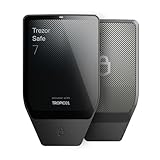
- Dual-chip architecture for maximum protection: The next-gen, fully auditable TROPIC01 chip works alongside a certified EAL6+ Secure Element—completely NDA-free—to deliver radically transparent, industry-leading defense against physical attacks.
- Quantum-ready security: Get protection against future threats with the first-ever hardware wallet designed with quantum-ready architecture.
- See every detail with confidence: Our largest high-resolution color touchscreen makes it easy to navigate your assets, review transactions and manage your coins with clarity.
- Wireless freedom with encrypted Bluetooth control: Manage, buy, swap and stake securely using Trezor Suite on desktop or mobile. Qi2-compatible wireless charging keeps your Trezor powered up. No cables required—security meets convenience.
- Works seamlessly with Android, iOS and desktop: Connect wirelessly or via USB-C to your phone or computer. Manage your crypto anywhere with our companion Trezor Suite app.
How should you compare two vaults?
Compare the rules and exposures behind the displayed rate, not just the number itself. For each vault, look for:
- Yield source and rate behavior: Is return borrower interest, incentives, or both? Which markets determine the rate, and how does utilization affect it? Is the quoted figure current or historical?
- Borrowers and collateral: Who may borrow, which collateral is accepted, what are the relevant borrowing and liquidation limits, and how concentrated is exposure in a market or asset?
- Liquidity and redemption: How much liquidity is available, are withdrawals queued or limited, and do the terms promise a time or only describe typical behavior?
- Technical controls: What contracts and dependencies are involved? Are contracts upgradeable? Who can change parameters, and what audits or emergency controls are disclosed?
- Net return and access: What fees apply, are incentives paid in another token, which assets and networks are supported, and do location or account eligibility rules apply?
For a concrete example of product differences, Coinbase’s guide describes a Morpho-powered USDC lending implementation with prime and high-yield vault choices, variable market rates, and different collateral and risk profiles. It also notes that access depends on location and account eligibility. Those are facts about the implementation described in Coinbase’s guide, not universal characteristics of Morpho or every lending vault. Coinbase’s lending guide.
What the examples do—and do not—establish
Euler’s Vault Kit is a technical example of ERC-4626 vaults extended with lending and borrowing, proportional shares, borrower-interest yield, utilization-linked rate models, and governance risks. Its mechanics should not be generalized to every credit vault. Euler Vault Kit overview.
Bitwise’s Lending Vault terms, last modified September 23, 2026, describe that platform’s receipt tokens, liquidity-dependent redemptions, configuration, borrower-paid algorithmic interest, and protocol dependencies. The terms also say that, for its Lending Vaults, yield comes from algorithmically determined borrower interest net of applicable fees and that no person exercises discretionary control over allocation after deposit. That is a statement about Bitwise’s specified product and terms, not a general definition of onchain credit vaults. Bitwise Lending Vault terms.
Without a named vault, there is no single current APY, utilization level, fee schedule, allocation, withdrawal queue, eligibility rule, or deployed configuration to report. Those details must be checked against the specific vault’s current interface, contract data, and terms.
Quick Recap
Product prices and availability are accurate as of the date/time indicated and are subject to change. Any price and availability information displayed on Amazon at the time of purchase will apply.




