There is no supported nationwide average home equity loan or HELOC rate for October 1, 2024 in the available dated sources. What is documented is a pair of expert forecasts published that day and separate lender disclosures effective on that date; neither can be treated as a national market rate.
What were home equity rates on October 1, 2024?
No national October 1, 2024 average for either home equity loans or HELOCs is established by the cited sources. The available October evidence consists of forecasts and lender-specific pricing, which answer different questions: forecasts describe what experts expected, while lender disclosures describe terms offered by a particular institution to eligible borrowers.


As an Amazon Associate I earn from qualifying purchases.
On October 1, CBS News reported two different expectations for the month. Melisa Cohn, regional vice president at William Raveis Mortgage, predicted that home equity loan rates would be reduced by 0.50% in October. Aaron Gordon, branch manager and senior mortgage loan officer at Guild Mortgage, expected little change that month but anticipated later declines. These were opinions at the time, not realized rate data or a shared industry forecast. CBS News, October 1, 2024.
Do these 3 things before closing this tab:
1Repair Windows errors before they cause bigger problems2Scan for outdated or missing drivers - takes under a minute3Clear out junk files and repair common Windows errorsWhat October 2024 lender disclosures show
Two lender pages with October 1, 2024 terms illustrate why individual rates should not be generalized to all borrowers. Each lender’s pricing depended on qualifications and product terms.
#1 Best Overall
| Institution | What its October 1, 2024 disclosure said | Why it is not a national average |
|---|---|---|
| Affinity Plus Federal Credit Union | Rates were effective October 1, 2024. The disclosed rates were the lowest available to borrowers in good credit standing. The HELOC APR was based on WSJ Prime plus a margin, varied with Prime, and had a disclosed maximum APR of 18%. | Actual pricing could vary with credit history, loan-to-value ratio, property value, and other factors; membership or other eligibility may also matter. Affinity Plus rates and disclosures. |
| Armstrong Bank | As of October 1, 2024, the HELOC had an introductory APR for the first 12 months, followed by a variable rate tied to WSJ Prime and borrower credit history, subject to approval. The disclosure also noted a document fee and appraisal and title fees. | This was a lender-specific historical offer with approval and fee conditions, not a market-wide rate. Armstrong Bank HELOC disclosure. |
These terms are historical and may have changed. A promotional rate or lowest advertised rate is not necessarily the rate a particular applicant would receive. To compare lender offers, request current personalized disclosures and review the qualifying assumptions alongside the price.
How a home equity loan rate differs from a HELOC rate
A home equity loan generally provides a lump sum and a fixed interest rate with scheduled payments. A HELOC is a revolving credit line that lets the borrower draw and repay funds; its rate commonly varies with an index such as Prime. That difference affects both rate risk and how much interest accrues: a HELOC’s cost can change as its index changes, while a fixed-rate loan offers more predictable interest payments.
Some HELOCs start with an introductory APR and then move to a variable formula, as Armstrong Bank’s dated disclosure illustrates. Affinity Plus’s disclosure illustrates a Prime-linked APR. An introductory rate alone does not show which offer costs less over time: the outcome depends on how much is borrowed, when funds are drawn, and how quickly the balance is repaid.
Current comparison benchmarks, dated September 30, 2026
For a present-day reference distinct from the October 2024 historical question, Bankrate reported a national average HELOC rate of 7.29% and a national average home equity loan rate of 8.46%, both as of September 30, 2026. These are dated survey benchmarks, not October 2024 rates, personalized quotes, or guaranteed offers. Bankrate HELOC rates; Bankrate home equity loan rates.
Rank #3
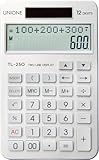
- If you press the key too fast, it can cause an error because TL-250 used IC for engineering calculators.
- Size: 4.5×7 inch, 153g, Two way power Two Line Display, Desktop Calculator
- History Function - The calculated record can be retrieved and corrected. ( About 30 memories )
- Turn the calculator upside down and remove the battery History will be deleted after three seconds.
- Solar energy and battery (AAA 1.5V)
| Product and measure | Rate and date | What the figure represents |
|---|---|---|
| HELOC national average | 7.29% as of September 30, 2026 | Bankrate’s National Average survey; its displayed range was 3.99%–11.60%. The survey gathered rate information from the 10 largest banks and thrifts in 10 large U.S. markets. Its benchmark assumed a $30,000 line, a 700 FICO score, an 80% combined loan-to-value ratio, and a primary single-family detached home. Bankrate methodology and rates. |
| Home equity loan national average | 8.46% as of September 30, 2026 | Bankrate’s survey average from large lenders. Individual lender examples on the page have their own amounts, terms, APRs, and qualification criteria and should not be read as a typical borrower’s offer. Bankrate rates and examples. |
FRED also records 7.29 for September 30, 2026 in its weekly, not seasonally adjusted Bankrate Monitor HELOC series. Because that series is sourced from Bankrate, it corroborates the date and figure but is not an independent survey. FRED Bankrate Monitor HELOC series.
Independent reader supportYour contribution helps us test, update, and keep practical guides available for everyone.How to compare actual home equity offers
Compare offers using the same borrowing amount, timing, and repayment assumptions. Request the lender’s personalized disclosures, then check:
Rank #4
- APR and fees: Compare APR as well as the advertised interest rate; identify closing, appraisal, title, document, and annual fees.
- Rate structure: Check whether the rate is fixed or variable. For a variable rate, identify the index, margin, adjustment schedule, and any maximum rate.
- Introductory terms: Note how long any introductory APR lasts and what formula applies afterward. Estimate total interest under your likely draw and repayment schedule rather than assuming the introductory rate will continue.
- Access and repayment: For a HELOC, review the draw period, repayment period, minimum draw or balance rules, and payment requirements.
- Eligibility and collateral: Ask how credit score, combined loan-to-value ratio, property value and type, and lender or membership requirements affect approval and pricing.
- Total cost: Compare expected interest and fees over the period you expect to carry the debt, not only the initial payment or rate.
Both products use home equity as collateral. Falling behind on payments can put the home at risk, so weigh the payment obligation and full borrowing cost against the purpose of the funds.
Quick Recap
Product prices and availability are accurate as of the date/time indicated and are subject to change. Any price and availability information displayed on Amazon at the time of purchase will apply.




