Free tools Windows power users keep installed
One-click scans. No signup required.
Don’t click an unsubscribe link in an email you cannot verify. Report the message as spam or phishing instead. If you recognize the sender, have a genuine relationship with the company, and the message is ordinary marketing, unsubscribing is usually the right way to stop it. But a sudden flood of confirmations and promotions may be an email-bombing attack designed to hide a real password change, purchase, or account-security alert.
Why an unexpected unsubscribe link can be risky
An unsubscribe link is not automatically malicious. The problem is that a button labeled “Unsubscribe” can lead anywhere—including a fake login page, a malicious redirect, or a site that asks for personal or payment information.
Phishing emails often imitate banks, retailers, delivery companies, employers, cloud services, and government agencies. They may claim that you signed up for a service, received a refund, placed an order, or need to cancel a charge. The unsubscribe link may be the lure that moves you to a credential-stealing page.
The Federal Trade Commission advises consumers not to click links or download attachments in unexpected messages. Do not assume that every unsubscribe click confirms your address or inevitably causes more spam; that can happen in abusive campaigns, but it is not a universal rule. The better-established risk is interacting with an untrusted message unnecessarily.
Do these 3 things before closing this tab:
1Repair Windows errors before they cause bigger problems2Fix the driver behind crashes, sound loss and screen glitches3Clear out junk files and repair common Windows errors#1 Best Overall
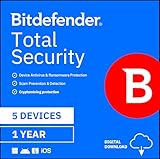
- SPEED-OPTIMIZED, CROSS-PLATFORM PROTECTION: World-class antivirus security and cyber protection for Windows, Mac OS, iOS, and Android. Organize and keep your digital life safe from hackers.
- ADVANCED THREAT DEFENSE: Your software is always up-to-date to defend against the latest attacks, and includes: complete real-time data protection, multi-layer malware, ransomware, cryptomining, phishing, fraud, and spam protection, and more.
- SUPERIOR PRIVACY PROTECTION: including a dedicated safe online banking browser, microphone monitor, webcam protection, anti-tracker, file shredder, parental controls, privacy firewall, anti-theft protection, social network protection, and more.
- TOP-TIER PERFORMANCE: Bitdefender technology provides near-zero impact on your computer’s hardware, including: Autopilot security advisor, auto-adaptive performance technology, game/movie/work modes, OneClick Optimizer, battery mode, and more
First identify what kind of email it is
Legitimate marketing
You recognize the company, have used its service, and the branding, sender domain, and destination are consistent. The email is a normal promotion rather than an urgent account warning.
Unwanted but genuine email
Your address may have been entered accidentally, shared by a business partner, obtained from a mailing list, or used by someone with a similar address. An unexpected message is not automatically a scam.
Phishing or a fake subscription confirmation
The message impersonates a trusted organization or claims you signed up for something unfamiliar. It may request a password, Social Security number, card details, one-time code, or urgent action.
Email bombing or inbox flooding
Dozens or hundreds of sign-up confirmations and promotions arrive in a short period. This may be ordinary spam, but it can also be intended to bury a genuine security or transaction message. Microsoft describes mail bombing as an activity that overwhelms a targeted mailbox, while Google warns that floods can hide important alerts.
Recommended Free Tools
Rank #2

- SPEED-OPTIMIZED, CROSS-PLATFORM PROTECTION: World-class antivirus security and cyber protection for Windows, Mac OS, iOS, and Android. Organize and keep your digital life safe from hackers.
- ADVANCED THREAT DEFENSE: Your software is always up-to-date to defend against the latest attacks, and includes: complete real-time data protection, multi-layer malware, ransomware, cryptomining, phishing, fraud, and spam protection, and more.
- SUPERIOR PRIVACY PROTECTION: including a dedicated safe online banking browser, microphone monitor, webcam protection, anti-tracker, file shredder, parental controls, privacy firewall, anti-theft protection, social network protection, and more.
- TOP-TIER PERFORMANCE: Bitdefender technology provides near-zero impact on your computer’s hardware, including: Autopilot security advisor, auto-adaptive performance technology, game/movie/work modes, OneClick Optimizer, battery mode, and more
Misaddressed or spoofed email
A legitimate message may belong to someone with a similar address. Alternatively, the visible sender name—or even the displayed address—may imitate a trusted organization. The sender field alone does not prove authenticity.
Red flags that should stop you from clicking
- Urgency, threats, or a short deadline.
- A request for a password, payment details, Social Security number, or verification code.
- A sender name that does not match the actual address.
- A lookalike domain, unusual spelling, or unexpected top-level domain.
- A link whose destination does not match the claimed company.
- An unfamiliar invoice, delivery, refund, tax notice, or account-lockout warning.
- An unexpected attachment, download, QR code, or request to call a phone number.
- A request to bypass the organization’s normal login or security process.
Do not use the links, phone numbers, or reply address in a suspicious message. Instead, open the company’s official website yourself or use a number from your bank card, statement, or another known source. The FBI recommends independent verification rather than trusting the message.
What to do with a suspicious email
- Do not click. Avoid the unsubscribe link, buttons, QR codes, attachments, and linked downloads.
- Do not reply. Replying gives the sender unnecessary information and does not verify the organization.
- Report it. Use your provider’s built-in Report spam, Report phishing, or Junk control.
- Delete it after reporting. Keep any message that may document fraud or an account compromise until you have checked it.
- Verify independently. If the message claims to involve an account, order, or payment, sign in through a saved bookmark or manually typed address.
You can report scams to the FTC at ReportFraud.ftc.gov. Phishing-related internet crime can also be reported to the FBI’s IC3. The Anti-Phishing Working Group accepts reports at [email protected].
When unsubscribing is reasonable
Unsubscribe when all—or nearly all—of these conditions are true:
Rank #3
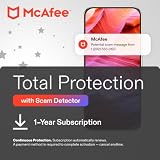
- ALL-IN-ONE SCAM DETECTION – Texts, emails, videos, and QR codes all get checked automatically. Sorting real from fake stops being your job.
- KEEP SCAMMERS OUT OF YOUR WALLET – Every click is no longer a gamble. Our scam detection spots suspicious texts, email scams, SMS phishing, and fake alerts before you click.
- QR CODE SCANNING – Point the app at any code and see where it actually leads before you scan it.
- DEEPFAKE DETECTION – When a video sounds like someone you know but isn't, you hear it from us first.
- ON-DEMAND CHECKS – Got a message you're unsure about? Run it through the app and know in seconds, wherever it came from.
- You recognize the sender and have an existing relationship with the company.
- The email is clearly routine marketing, not a security, receipt, password-reset, or account-change notice.
- The sender’s domain and the link destination are genuine and consistent with the company.
- You reached the unsubscribe option through your trusted mail app or the company’s known website.
The FTC recommends unsubscribing from unwanted email, and the CAN-SPAM Act gives recipients an opt-out mechanism for covered commercial messages. That does not mean every unsolicited email is illegal, and it does not mean you should unsubscribe from genuine transactional or security communications.
A mail provider may show its own unsubscribe control near the sender information. That is different from clicking an arbitrary link inside a message, but use it only when the sender and message are legitimate. If the email is clearly phishing, report it instead.
If your inbox suddenly fills with messages
Do not delete hundreds of emails immediately. First look for the message the flood may be hiding. Search both your inbox and spam folder for:
security,password,sign-in,login, andnew devicereceipt,order,purchase, andchangedforwarding,recovery, andverification
Check important accounts by visiting their official websites independently. Review recent sign-ins, password changes, recovery addresses, forwarding rules, filters, connected applications, shipping addresses, and payment activity. Change a password if compromise is suspected and enable multifactor authentication.
Quick wins for a faster PC:
Scan for outdated or missing drivers - takes under a minuteDriver Scan →Repair Windows errors before they cause bigger problemsFix Now →Fix the driver behind crashes, sound loss and screen glitchesFind Drivers →Rank #4
- THREAT DETECTION – Stay one step ahead. Suspicious links, risky sites, viruses, and scams, caught automatically before they reach you.
- PERSONAL INFO PROTECTION – Keep your personal info safer. Identity monitoring watches for your exposed info and tells you what to do about it.
- SECURE CONNECTIONS – Just a few easy clicks, and we'll automatically protect your info on public Wi‑Fi, every time you connect.
- GUIDED ACTION – Know what matters and what to do next. Clear alerts and simple guidance make it easy to take action.
- MORE THAN ANTIVIRUS – Scam protection, identity monitoring, VPN, web protection, and antivirus work together to protect you, all in one place.
An email flood does not prove that your email account was hacked. It may be spam, a data leak, a misdirected campaign, or an attempt to target another account. Treat it as a warning sign that deserves investigation.
Gmail: report spam or phishing
In Gmail on a computer, select the suspicious message and choose Report spam. For a message attempting to steal credentials or personal information, choose Report phishing where that option is available. Gmail moves reported messages to Spam, and messages in Spam are automatically deleted after 30 days. See Gmail’s phishing guidance for additional details.
If your Gmail inbox is being flooded, Google recommends searching for security alerts and running Security Checkup. Also review recent devices, recovery settings, forwarding, filters, and sign-in activity through your Google Account’s normal security pages.
Independent reader supportYour contribution helps us test, update, and keep practical guides available for everyone.Outlook: report phishing, then block if needed
In Outlook.com and many current Outlook interfaces, select the message, choose Report, and then select Report phishing. Menu names can vary by platform, account type, and Outlook version. Microsoft’s guidance covers Outlook.com, New Outlook for Windows, Outlook 2024, Outlook 2021, and Mac versions.
Best Value
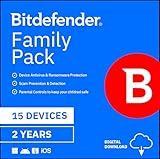
- SPEED-OPTIMIZED, CROSS-PLATFORM PROTECTION: World-class antivirus security and cyber protection for Windows, Mac OS, iOS, and Android. Organize and keep your digital life safe from hackers.
- ADVANCED THREAT DEFENSE: Your software is always up-to-date to defend against the latest attacks, and includes: complete real-time data protection, multi-layer malware, ransomware, cryptomining, phishing, fraud, and spam protection, and more.
- SUPERIOR PRIVACY PROTECTION: including a dedicated safe online banking browser, microphone monitor, webcam protection, anti-tracker, file shredder, parental controls, privacy firewall, anti-theft protection, social network protection, and more.
- TOP-TIER PERFORMANCE: Bitdefender technology provides near-zero impact on your computer’s hardware, including: Autopilot security advisor, auto-adaptive performance technology, game/movie/work modes, OneClick Optimizer, battery mode, and more
Reporting phishing and blocking a sender are not necessarily the same action. Microsoft notes that reporting a message does not automatically block every future message from that sender. If nuisance messages continue, add the sender or domain to the blocked-senders list or create an appropriate rule. Blocking may still be ineffective when campaigns rotate addresses and domains.
What if you already clicked?
You clicked but entered nothing
Close the page. Do not download files, approve a login prompt, or enter a verification code. If a download or suspicious redirect occurred, run your device’s normal security scan and monitor the relevant account.
You entered a password
Change it immediately through the organization’s legitimate website—not through the email. Change it anywhere else you reused it, enable multifactor authentication, and review recent sign-ins, forwarding rules, recovery settings, and connected applications. Contact the organization through a known-good channel.
You entered bank or card information
Call the bank or card issuer using the number on your card or statement. Ask whether the account or card should be locked or replaced, monitor transactions, and report suspected fraud. Microsoft advises documenting what information was shared and where.
The Tool Desk
Outbyte PC Repair FREERepair Windows errors before they cause bigger problemsFix Now →Outbyte Driver Updater FREEFix the driver behind crashes, sound loss and screen glitchesFind Drivers →You downloaded a file or approved an unexpected login
Disconnect the device from the internet if you suspect malware, run a trusted security scan, and change affected passwords from a separate, trusted device. Revoke unfamiliar sessions or applications through the account’s official security page. If financial information may be exposed, contact the institution immediately.
Prevent future damage
- Use a unique password for every important account.
- Enable multifactor authentication, especially for email, banking, and shopping accounts.
- Keep your operating system, browser, and security software updated.
- Turn on account-security alerts and review them through official account portals.
- Use spam filters, rules, and blocked-sender controls—but do not assume they catch every message.
- Check Spam or Junk periodically so legitimate messages can be marked Not spam.
If a legitimate message was incorrectly filtered, mark it Not spam, add the sender to your contacts if appropriate, or create a filter for that known sender. Reporting and blocking are useful tools, but neither guarantees that every future message from a changing campaign will disappear.
The practical rule
Unknown or suspicious sender: report, don’t unsubscribe. Known company and ordinary marketing: verify the destination, then unsubscribe. A sudden flood: search first for account, purchase, password, and forwarding alerts before deleting anything.
Quick Recap
Product prices and availability are accurate as of the date/time indicated and are subject to change. Any price and availability information displayed on Amazon at the time of purchase will apply.




