Do these 3 things before closing this tab:
1Scan for outdated or missing drivers - takes under a minute2Repair Windows errors before they cause bigger problems3Fix the driver behind crashes, sound loss and screen glitchesAn entrepreneur organizes a venture around a customer need or opportunity and takes responsibility for moving it forward under uncertainty. You can start with a local service, a solo business, or a high-growth company; outside investment, novelty, and employees are not requirements. To get started, investigate the customer and market, shape a workable plan, estimate costs, and verify the launch requirements that apply to your location and activity.
What Does It Mean to Be an Entrepreneur?
There is no single formal definition used by the official sources reviewed here. In practical terms, an entrepreneur works to start or grow a business by addressing a market need, making decisions, and carrying out the work required to serve customers. An idea alone is not proof that customers want or will pay for an offer.



Entrepreneurship covers many kinds of ventures, from an independent professional to a neighborhood shop or a company aiming to grow quickly. Founders make choices about what to offer, how to reach customers, how to fund the work, and how to respond when assumptions change. The right choices depend on the business and its circumstances.
How to Get Started as an Entrepreneur
- Describe the customer and problem.
Identify who you hope to serve, what need or problem they have, and what product or service might address it. The U.S. Small Business Administration (SBA) suggests asking, “Is there a need in the marketplace for your product or service?” Treat this as a question to investigate, not an assumption. (Source: SBA startup guidance.)
Special offer. See more information about Outbyte and uninstall instructions. Please review EULA and Privacy policy.#1 Best Overall
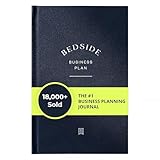 Start Your Business Today, Guided Entrepreneur Business Plan Journal
- TURN IDEAS INTO REALITY – Feeling stuck with your idea and not sure where to start? This guided journal helps you write a complete business plan so you can gain clarity and move forward with confidence as an entrepreneur.
- SIMPLE DAILY PRACTICE – 13 guided journaling sections with over 100+ business planning prompts. Make this business planner part of your routine to build momentum and work toward your business goals in just 5 minutes a day.
- BUSINESS PLANNER FOR ENTREPRENEURS – Use this guided journal to define your vision, understand your customers, evaluate competitors, plan expenses, and create a clear roadmap for launching your business.
- PERSONAL GROWTH – Designed as a personal growth workbook to help you reconnect with your purpose, prioritize well-being, and build a business plan centered around meaningful impact.
- PREMIUM ECO-FRIENDLY JOURNAL – Crafted with 100% FSC-certified recycled paper, a recycled cardboard cover, and wrapped in luxurious linen. This entrepreneur planner blends sustainability with thoughtful design.
- Research the market and alternatives.
Learn about prospective customers and their behavior, then examine existing products, services, and competitors. This can help you understand whether demand exists and how your offer might differ. Research may also show that the original idea needs to change. (Source: SBA plan-your-business guide.)
- Put the idea into a workable plan.
Use a business plan to organize your offer, intended customers, and next steps. The SBA notes that a lean startup format may fit a simple business or one whose plan will be regularly refined. A long formal plan is not right for every venture, and having a plan does not guarantee funding. (Sources: SBA plan-your-business guide; SBA startup guidance.)
- Estimate startup costs and funding needs.
Estimate what it will cost to begin before committing to a launch. Costs vary with factors such as location, wages, property or rent, insurance, utilities, and licensing fees. Possible funding sources include personal resources, investors, and loans; assess them against your business needs rather than assuming one option is best. USAGov says there are no federal grants for starting a business. (Sources: SBA plan-your-business guide; SBA launch guide; USAGov business-starting guidance.)
- Consider the location and business structure.
Location can affect taxes, zoning, regulations, and costs. Structure can affect taxes, paperwork, fundraising, and personal liability. Compare the relevant trade-offs for your situation instead of assuming one structure works for everyone. The SBA advises deciding on structure before registration and notes that changing it later may bring restrictions or tax consequences. (Source: SBA launch guide.)
Crashes, No Sound, or Screen Glitches?
Random freezes, missing sound and display glitches usually trace back to one bad driver. Find and replace yours safely.Free scan · under a minuteWindows Errors? Fix Them Before They Spread
Repair common Windows errors and clear accumulated junk for a smoother, more stable PC - no reinstall needed.Free scan · no reinstallSpecial offer. See more information about Outbyte and uninstall instructions. Please review EULA and Privacy policy. - Complete the launch steps that apply.
Depending on your activity and location, you may need to choose a name, register, obtain tax IDs, check licenses and permits, open a business bank account, or arrange insurance. Requirements and fees vary, so check current SBA guidance and the relevant local, state, and federal authorities. An EIN is needed in specified cases, such as employing workers or operating as a corporation or partnership; do not assume every business needs one. Consider qualified professional advice for consequential legal or tax decisions. (Source: SBA launch guide.)
These steps are U.S.-oriented because the cited guidance is from U.S. government sources. Outside the United States, check your own government’s official requirements.
Independent reader supportYour contribution helps us test, update, and keep practical guides available for everyone.Choosing Between Business Ideas
If you are considering more than one venture, compare them using the same questions rather than relying only on enthusiasm. This framework is a way to organize your research, not a score or a guarantee of success.
| What to compare | Questions to investigate |
|---|---|
| Customer evidence | Who has the need, and what evidence suggests they want the proposed offer? |
| Alternatives | What do customers use now, and how might your offer differ? |
| Costs and funding | What might it cost to start and operate, and what funding could be needed? |
| Operating demands | What time, skills, and resources would the venture require? |
| Location and structure | What local requirements and structure-related trade-offs should you check? |
For business structures, consider liability, taxes, paperwork, fundraising implications, and registration requirements in your location. The SBA’s launch guide can help you identify issues to verify; it cannot determine which choice is right for every reader.
Quick wins for a faster PC:
Clear out junk files and repair common Windows errorsFree Scan →Fix the driver behind crashes, sound loss and screen glitchesFind Drivers →Small Businesses in the United States
Federal figures provide context about small businesses as a group, but they do not tell you whether an individual business will succeed. The SBA Office of Advocacy’s 2024 FAQ reported 34,752,434 small businesses in the United States and said they employed 45.9% of American workers. Its 2024 release reported that 1.4 million establishments opened for the first time in 2022 and 1.2 million establishments closed permanently that year. Establishment openings and closures are not counts of entrepreneurs or predictions of a particular venture’s prospects. (Source: SBA Office of Advocacy 2024 publications.)
FAQ
Do you need outside investment to be an entrepreneur?
No. Entrepreneurship can include a solo venture or a local business as well as a company seeking rapid growth. Funding needs and possible sources depend on the business.
Do you need a formal business plan before starting?
Not necessarily. A plan can organize the work and communicate the business to lenders or investors, but the SBA notes that a lean startup format may suit a simple or frequently changing venture. Choose a format that fits what you are planning.
Does every U.S. business need an EIN?
No. The SBA identifies specified cases in which an EIN is needed, including employing workers or operating as a corporation or partnership. Check current official guidance for your situation.
Where should you check licenses and permits?
Start with the SBA launch guide, then verify the requirements with the relevant authorities for your location and business activity. Requirements and fees vary.
Quick Recap
Product prices and availability are accurate as of the date/time indicated and are subject to change. Any price and availability information displayed on Amazon at the time of purchase will apply.




