Free tools Windows power users keep installed
One-click scans. No signup required.
PayPal’s early appeal was not simply that it moved money online. In a December 2001 account, Technology Review writer Evan Schwartz argued that it made online payments easier for ordinary users and merchants while pairing that simplicity with fraud monitoring. The story also explains why earlier digital-currency systems struggled with complexity, limited acceptance, trust and the economics of tiny payments.
What “digital cash” meant in the 2001 story
“Digital Cash Payoff” is the title of Evan Schwartz’s December 2001 Technology Review feature, whose subtitle was “Online payment services like PayPal are catching on.” It describes an early period of internet payments, particularly person-to-person transfers and transactions involving small businesses and eBay users. It is a historical account, not guidance on choosing a payment app today.
| # | Preview | Product | Price | |
|---|---|---|---|---|
| 1 |
|
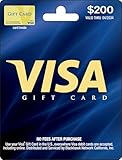
Visa Physical Gift Card $200 (plus $6.95 Purchase Fee) | $206.95 | Buy on Amazon |
| 2 |
|
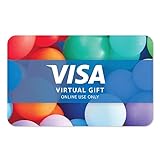
Visa Virtual eGift Card | $206.95 | Buy on Amazon |
| 3 |

|
MasterCard Physical Gift Card – $200 (plus $6.95 Purchase Fee) | Buy on Amazon | |
| 4 |
|
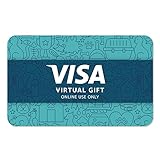
Visa Virtual eGift Card | $105.95 | Buy on Amazon |
| 5 |

|
Visa Virtual eGift Card | $54.95 | Buy on Amazon |
Schwartz’s central point is that a payment system has to work for both sides of a transaction. A clever digital-money design matters little if customers find it cumbersome, merchants cannot readily accept it, or participants do not trust that a payment will settle. PayPal’s practical approach, as the article presents it, addressed those everyday barriers alongside the technical problem of fraud.
Why PayPal’s approach appealed to users and merchants
Familiar money and a broad use case
PayPal’s early growth was associated with person-to-person payments and the needs of small businesses and eBay users. The service used U.S. dollars rather than requiring users to adopt a new currency with a limited network of places to spend it. CEO Peter Thiel summarized the liquidity argument in the article: “Money needs to be liquid.” He also said, “The most popular currency in the world is U.S. dollars.”
#1 Best Overall
- Gift Cards are shipped active and ready for use.
- This card is non-reloadable. No cash or ATM access. Funds do not expire. If available funds remain on your card after the valid thru date has passed, please call customer service for a replacement card. A one-time purchase fee applies at the time of checkout. No fees after purchase.
- To access your card information safely, type the complete website address shown on your Gift Card (MyGift.GiftCardMall.com) directly into your browser's address bar. Don't use search engines or shortened versions of the website address, as these may lead you to fake or fraudulent sites. Do not provide any Gift Card details (example: Card Number) to someone you do not know or trust. If you believe you've reached an illegitimate website, contact cardholder service at 1-888-524-1283. Be cautious of phishing sites, there are a variety of scams in which fraudsters try to trick others into paying with gift cards.
- To report your Lost or Stolen Physical Visa Card, call Customer Service 24/7 at 1 (888) 524-1283 to cancel your Gift Card as soon as you can. You will be asked to provide the Gift Card number and other identifying information.
- Use your Visa Gift Card in the U.S. everywhere Visa debit cards are accepted, including online.
That choice addressed a practical problem: value is useful only if people can receive it and use it. A digital currency restricted to a small community can be technically workable yet less attractive than a familiar unit of money accepted across a wider set of transactions.
Less setup friction
Schwartz contrasts PayPal’s browser-based service with earlier systems that asked consumers to install and manage complex wallet software or required merchants to adopt specialized payment systems. Reducing those demands could make it easier for a buyer and seller to complete a transaction without first changing their hardware or learning a new payment standard. As Levchin put it, “Consumers and merchants shouldn’t have that burden.”
Rank #2
- Visa Virtual eGift Cards are designed for online use only. Gift Cards are subject to Terms and Conditions: a.co/5bw3qXJ
- When you access your Visa Virtual eGift Card for the first time, you’ll need to register your name, address, phone number, and email address via activationspot.com. These details should also be used as your billing address for online purchases, as many merchants require address verification for purchase authorization.
- This Visa Virtual eGift Card is non-reloadable. No cash or ATM access. Visa Virtual eGift Cards are emailed active.
- Funds do not expire but your Visa Virtual eGift Card has a ‘valid thru’ date (9 years from date of purchase). If funds remain after this date has passed, please call the Toll Free number found on your Visa Virtual eGift Card for a replacement card. A one-time purchase fee applies at the time of checkout.
- This item is not eligible for refund, resale, or return. Available for sale within the United States only. Not available to residents of Puerto Rico, Hawaii, New Mexico, South Dakota, West Virginia and the US Virgin Islands.
Fraud controls as part of the service
The article treats fraud monitoring as central to making transactions between people who might not know one another more acceptable. Schwartz says PayPal used fraud-detection software called Igor and had people review suspicious accounts. He also describes browser-based SSL and transfers handled on the company’s servers. These are the article’s descriptions of PayPal’s approach in 2001, not an independent security audit or an account of the company’s current systems.
Why earlier digital-currency systems had trouble
Schwartz’s account identifies several connected obstacles rather than a single technical flaw. A system could struggle if it was hard to use, if few merchants accepted it, if users doubted its reliability, or if small transactions cost too much to process.
Recommended Free Tools
Rank #3
- Cards are shipped active and ready for use.
- This card is non-reloadable. No cash or ATM access. Funds do not expire. If available funds remain on your card after the valid thru date has passed, please call customer service for a replacement card. A one-time purchase fee applies at the time of checkout. No fees after purchase.
- Double check if the URL/website is genuine before entering card details online. Do not provide any gift card details (example: claim code) to someone you do not know or trust. There are a variety of scams in which fraudsters try to trick others into paying with gift cards.
- If you believe that your Card has been lost or stolen, notify Mastercard immediately by calling 1-833-791-7288. You will be asked to provide the Gift Card number and other identifying information.
- Use your Mastercard Gift Card in the U.S. everywhere Mastercard debit cards are accepted, including online. Your Amazon.com Balance cannot be used to purchase Mastercard gift cards.
| Challenge | Why it mattered |
|---|---|
| Complexity | Wallet software or specialized merchant equipment added steps before a payment could happen, making adoption harder. |
| Limited liquidity and acceptance | A balance with few places to spend it was less useful than familiar dollars that could circulate among more participants. |
| Trust and fraud | Users and merchants needed confidence that payments and accounts were not being abused; the article describes monitoring and human review as part of PayPal’s answer. |
| Micropayment economics | Processing costs could make very small payments difficult to support without fees discouraging the behavior the system was meant to enable. |
The article’s explanation is historical analysis, not proof that any one feature alone caused PayPal’s growth or the failures of competitors. Its broader lesson is that payment adoption depends on an ecosystem: ease of use, acceptance, confidence and transaction economics have to work together.
What the article reported about fraud, volume and fees
Schwartz reported several figures to illustrate the perceived challenge of online payments at the time. Each is a 2001-era figure, attributed below as it appeared in the article; none should be treated as a current fraud benchmark or PayPal offer.
Rank #4
- Visa Virtual eGift Cards are designed for online use only. Gift Cards are subject to Terms and Conditions: a.co/5bw3qXJ
- When you access your Visa Virtual eGift Card for the first time, you’ll need to register your name, address, phone number, and email address via activationspot.com. These details should also be used as your billing address for online purchases, as many merchants require address verification for purchase authorization.
- This Visa Virtual eGift Card is non-reloadable. No cash or ATM access. Visa Virtual eGift Cards are emailed active.
- Funds do not expire but your Visa Virtual eGift Card has a ‘valid thru’ date (9 years from date of purchase). If funds remain after this date has passed, please call the Toll Free number found on your Visa Virtual eGift Card for a replacement card. A one-time purchase fee applies at the time of checkout.
- This item is not eligible for refund, resale, or return. Available for sale within the United States only. Not available to residents of Puerto Rico, Hawaii, New Mexico, South Dakota, West Virginia and the US Virgin Islands.
| Figure reported in the article | Attribution and context |
|---|---|
| 0.07% overall fraud rate | Visa, as reported by Evan Schwartz in Technology Review in 2001. |
| 1.13% online transaction fraud rate | A Gartner study of web merchants, as reported by Evan Schwartz in Technology Review in 2001. |
| Below 0.5% online fraud rate | PayPal’s claimed rate, as reported by Evan Schwartz in Technology Review in 2001. |
| “16 times greater risk” | Schwartz’s 2001 characterization comparing the reported 1.13% and 0.07% figures; it is the article’s wording, not an independently validated calculation here. |
| More than 200,000 transactions each day | PayPal figure reported by Schwartz in 2001. |
| 2.9% plus 30 cents per transaction | PayPal seller fee reported by Schwartz in 2001. |
These numbers help explain the business and security questions the article was discussing, but their dates and attributions matter. The fee is not a current quote, and the fraud figures are not comparable to present-day rates without updated definitions, periods and measurement methods.
Independent reader supportYour contribution helps us test, update, and keep practical guides available for everyone.What “payoff” means—and what it does not
The title’s “payoff” is the commercial promise of making online payments useful at scale: lowering friction enough for people and merchants to transact while addressing the risks that come with remote payments. Schwartz’s account connects that promise to PayPal’s simple, dollar-based, browser-oriented experience and its described fraud-monitoring practices.
Best Value
- Visa Virtual eGift Cards are designed for online use only. Gift Cards are subject to Terms and Conditions: a.co/5bw3qXJ
- When you access your Visa Virtual eGift Card for the first time, you’ll need to register your name, address, phone number, and email address via activationspot.com. These details should also be used as your billing address for online purchases, as many merchants require address verification for purchase authorization.
- This Visa Virtual eGift Card is non-reloadable. No cash or ATM access. Visa Virtual eGift Cards are emailed active.
- Funds do not expire but your Visa Virtual eGift Card has a ‘valid thru’ date (9 years from date of purchase). If funds remain after this date has passed, please call the Toll Free number found on your Visa Virtual eGift Card for a replacement card. A one-time purchase fee applies at the time of checkout.
- This item is not eligible for refund, resale, or return. Available for sale within the United States only. Not available to residents of Puerto Rico, Hawaii, New Mexico, South Dakota, West Virginia and the US Virgin Islands.
It does not establish that digital cash eliminated fraud, that PayPal’s historical controls were independently verified, or that the company’s 2001 fees and service details remain valid. The article is useful for understanding the early design tradeoffs in online payments, not for evaluating present-day payment providers.
Source and historical scope
The source is Evan Schwartz’s December 2001 Technology Review feature, reproduced in full at PayPal Objects. It documents what the article said about the period. It does not establish current provider fees, availability, consumer protections, regulation or fraud rates.
Quick Recap
Product prices and availability are accurate as of the date/time indicated and are subject to change. Any price and availability information displayed on Amazon at the time of purchase will apply.




