Quick wins for a faster PC:
Scan for outdated or missing drivers - takes under a minuteDriver Scan →Repair Windows errors before they cause bigger problemsFix Now →Fix the driver behind crashes, sound loss and screen glitchesFind Drivers →Composting can generate revenue through products, collection services, or fees for accepting organic material—but the available guidance does not establish typical profits, startup costs, or guaranteed buyers. Treat each idea below as a business model to validate locally, not a promise of income. The right fit depends on feedstock supply, permits, processing capacity, labor and transport, product requirements, and customers.
First, match the business model to the scale
Composting happens at home, in community and institutional programs, on farms, and at municipal or regional facilities. These are not interchangeable operations: a home worm bin can be a low-scale way to learn, while accepting material from outside customers or selling a regulated soil product can bring substantial handling and compliance responsibilities.
The U.S. Environmental Protection Agency says a home worm bin may produce harvestable vermicompost in three to six months. That is a home-bin process estimate, not a forecast for a commercial operation or a timeline to first sale. For commercial vermicomposting, USDA guidance describes continuous-flow reactors as typically taking 30–60 days and outdoor windrows as commonly managed for 6–12 months. Those durations describe production methods, not profitability. See EPA’s home worm-bin guidance and USDA’s vermicompost guidance.
Seven composting revenue ideas to test
1. Sell finished compost in bulk
Bulk compost could serve farms, growers, landscapers, and large gardens. EPA identifies compost sales as a way farms can diversify revenue, and NC State Extension describes bulk vermicompost sales by the cubic yard. These are customer groups to investigate, not evidence that buyers exist near you. Ask prospective customers what material specifications, testing, delivery, and quantities they require before investing in production capacity.
#1 Best Overall

- Twin chambers: Two separate chambers allow one side to finish composting while leaving the other side available to add fresh wastes; Constant alternation of the two sides will create an uninterrupted stream of nutritious compost
- 360⁰ Tumbling Design: The rotating design prevents you from digging or mixing the pile by hand; And the deep fins on eight panels make it easier to turn the compost bin
- Excellent Aeration: Air vents can make the air fully circulate and will not cause an explosion due to excessive internal pressure; Deep fins can better break the clumps, which is conducive to the full fermentation of oxygen
- Sturdy & Durable Construction: Constructed of premium metal frame and high-quality pp plastic body, this tumbling composter is corrosion-resistant, weathering-resistant, sturdy, and durable for long-lasting service life
- Garden Gloves Included: The gloves that not only protect your hands from injury, but are also waterproof, making them easy to clean; With 4 durable ABS plastic claws for easy digging, planting and other gardening work
2. Sell bagged compost, castings, or blends
NC State Extension describes vermicompost sales in bagged blends as well as by the cubic yard. Smaller packages can make a product accessible to retail customers, but bring packaging, storage, labeling, and local retail work. Do not assume bagging produces a higher margin: price out materials, labor, delivery or shipping, and the sales channel, then compare them with bulk sales.
3. Raise and sell composting worms
NC State Extension identifies worms as a possible product from a commercial vermicomposting enterprise. Worms sold as bait or starter stock are distinct markets from castings production. Each needs its own buyers, production plan, and operating fit; do not count on worm sales simply because you are producing vermicompost.
Rank #2

- Dual Chamber, High Capacity: Our compost bin features a dual chamber with a generous capacity of 43 gallons. Perfect for large families and avid gardeners, you can simultaneously compost in one chamber while adding new organic material to the other, reducing overall composting time.
- Convenient Access: The dual-chamber composter tumbler features a detachable sliding door with a large opening, making it effortless to add waste or remove compost. The compost bin features a secure seal that effectively keeps out mice, insects, and other pests, ensuring a safe and efficient composting process.
- Built to Last: Crafted from high-quality PP materials and supported by sturdy metal components, our compost bin outdoor boasts a robust load-bearing capacity of 110 lbs. They are BPA-free, UV-resistant, and weatherproof, enduring direct sunlight, typhoons, rain, snow, and more.
- Effortless Tumbling: Say goodbye to the hassle of manual stirring. Our tumbling composter's innovative 360° tumble design ensures thorough mixing, faster decomposition, and higher-quality compost output. Simply roll it every few days, and you'll have compost ready in just 4-6 weeks.
- Optimized Airflow: The garden compost tumbler features strategically placed vents that promote proper air circulation and prevent potential issues. Internal grooves effectively break up clumps, ensuring uniform mixing of materials and accelerating the decomposition of organic matter.
4. Sell compost extracts or tea
NC State Extension lists extracts or tea among products sold by larger vermicomposting facilities. This may involve a different production and sales process from selling solid castings. Avoid unsupported claims about plant health, disease control, or higher yields. If you apply compost tea to organic crops, USDA guidance says the process for making it must be described in the organic system plan, and the compost used must meet the relevant organic requirements.
5. Charge a fee to accept organic feedstocks
NC State Extension notes that worm growers may earn tipping fees for organic materials delivered to a site. A fee is not free revenue: receiving outside material means planning for sorting, contamination, storage, processing, and residuals. State rules matter; importing food residues or yard debris may require a state solid-waste permit. Check with the relevant state and local agencies before accepting material or quoting a fee.
Crashes, No Sound, or Screen Glitches?
Random freezes, missing sound and display glitches usually trace back to one bad driver. Find and replace yours safely.Free scan · under a minuteWindows Errors? Fix Them Before They Spread
Repair common Windows errors and clear accumulated junk for a smoother, more stable PC - no reinstall needed.Free scan · no reinstallRank #3

- Twin chambers: Two separate chambers allow one side to finish composting while leaving the other side available to add fresh wastes; Constant alternation of the two sides will create an uninterrupted stream of nutritious compost
- 360⁰ Tumbling Design: The rotating design prevents you from digging or mixing the pile by hand; And the deep fins on eight panels make it easier to turn the compost bin
- Excellent Aeration: Air vents can make the air fully circulate and will not cause an explosion due to excessive internal pressure; Deep fins can better break the clumps, which is conducive to the full fermentation of oxygen
- Sturdy & Durable Construction: Constructed of premium metal frame and high-quality pp plastic body, this tumbling composter is corrosion-resistant, weathering-resistant, sturdy, and durable for long-lasting service life
- Garden Gloves Included: The gloves that not only protect your hands from injury, but are also waterproof, making them easy to clean; With 4 durable ABS plastic claws for easy digging, planting and other gardening work
6. Collect food scraps or yard waste
EPA describes municipal collection from homes and businesses, as well as institutional composting of materials generated on-site. A private collector could adapt the service model, but its viability depends on local routes, customer contracts, contamination control, hauling costs, and where the material can be processed. Model the full route and disposal or processing arrangements before buying equipment or promising service.
7. Teach or set up home and community composting
EPA discusses community support and resources to increase home-composting participation. Workshops, setup assistance, and education are possible local services to test with community groups, schools, or households. The available guidance does not establish standard fees or demand, so validate interest and willingness to pay before treating this as a dependable income source.
Rank #4

- Fast, Effortless Composting: This outdoor compost bin features a 360° rotating design with built-in mixing bars—just spin the drum for thorough mixing, no manual turning needed. Adjustable air vents let you control airflow, moisture, and temperature to reduce odors and accelerate decomposition, making this compost bin both efficient and low-maintenance.
- Dual Chamber, Continuous Composting: Enjoy non-stop composting with this 53-gallon compost bin outdoor system: add fresh kitchen scraps to one chamber while the other finishes decomposing. Perfect for eco-conscious gardeners, it produces nutrient-rich compost in as little as 4–6 weeks—ideal for your backyard or vegetable garden.
- Assembles in Minutes: Designed for hassle-free setup, this outdoor compost bin uses snap-together construction with minimal screws—no special tools required. Whether you're a beginner or seasoned gardener, you’ll have your compost bin ready in minutes. Includes a pair of gardening gloves for planting and yard work!
- Easy to Use: The ergonomic handle with gear-assist system ensures smooth, effortless rotation—even when fully loaded. Extra-large sliding doors make loading waste and harvesting compost simple, while dual-direction brake locks keep the drum stable during use. A truly user-friendly compost bin outdoor solution for everyday sustainability.
- Sturdy & Built to Last: Built to withstand the elements, this compost bin combines a heavy-duty steel frame with UV-resistant PP plastic that resists rust, cracking, and corrosion. Reinforced leg supports prevent barrel sagging, even under full load—making it the most durable outdoor compost bin for year-round composting.
Check compliance and product quality before selling
Rules depend on location, material, and product. For example, University of Maryland Extension says vermicompost sold in Maryland must be registered as a soil conditioner with the Maryland Department of Agriculture’s State Chemist; that is a Maryland-specific example, not a nationwide rule. Contact your state agriculture department and local solid-waste authority to ask about product registration, permits, testing, labeling, and accepted feedstocks.
Product safety and buyer requirements also shape the operation. EPA says compost products for commercial sale typically use thermophilic processing to reduce pathogens. Vermicomposting methods and feedstocks still need appropriate management and contamination controls. USDA’s National Organic Program guidance quotes the regulation: “The producer must manage plant and animal materials to maintain or improve soil organic matter content in a manner that does not contribute to contamination of crops, soil, or water by plant nutrients, pathogenic organisms, heavy metals, or residues of prohibited substances.”
Recommended Free Tools
Best Value
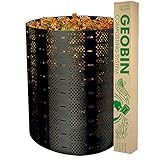
- Large capacity—expandable to 3.75 feet (237 gallon)
- Easy to assemble with closure keys. Easy to move. Easy to reassemble.
- The best value composting bin on the market.
- Excellent ventilation.
Validate the economics before committing money
There is no universal ranking of these ideas by profit or return. The available sources do not provide current, comparable startup costs, local prices, or typical margins. Build a local estimate around the actual work and costs of your chosen model.
- Supply: Identify reliable feedstocks, their seasonality, and any fees or agreements involved.
- Permission and standards: Confirm permits, product registration, testing, and customer specifications before taking material or selling compost.
- Processing: Match the method and space to the materials and output you can handle; production time is not the same as time to revenue.
- Sales: Ask likely buyers about volume, format, delivery, and quality requirements. Seek commitments rather than assuming demand.
- Operating burden: Include labor, hauling, contamination management, packaging, storage, and customer acquisition in the estimate.
Start with a small pilot that tests one feedstock, one processing method, and a real customer or service agreement. Expand only when the local permissions, costs, and buyer requirements are clear.
Quick Recap
Product prices and availability are accurate as of the date/time indicated and are subject to change. Any price and availability information displayed on Amazon at the time of purchase will apply.




