High Chinese soymeal inventories raised doubts about U.S. soybean sales in July 2025, but that concern is not proof of a continuing glut. By September 2026, USDA data showed confirmed Chinese purchases of U.S. new-crop soybeans alongside substantial sales to destinations not yet identified. Tariffs, South American competition and feed demand still shaped the outlook, and the available sources do not establish China’s soymeal inventory level in autumn 2026.
Why a soymeal glut can weaken soybean buying
Soymeal is a co-product of crushing soybeans. When Chinese importers bring in beans and domestic crushers process them, the crush produces both meal and soybean oil. The meal supply must then be absorbed by animal-feed producers. If feed demand is weak while imports and crushing continue, meal inventories can build and prices can fall.
That imbalance can hurt crushers’ margins: they pay for beans but may struggle to sell the meal profitably. If margins remain poor, crushers may reduce processing or buy fewer beans. Yet meal inventories are only one part of the calculation. Demand for soybean oil, crush capacity, the cost of beans from each origin, tariffs and seasonal availability also affect whether imports make commercial sense.
What prompted the warning in July 2025
A Reuters report published July 29, 2025 described heavy earlier soybean imports, accumulating soymeal inventories, subdued feed demand and pressure on Chinese crushers. The report also noted meal and soybean sourcing from Argentina and other origins. Together, those conditions raised questions about whether China would keep buying during the U.S. peak export season.
#1 Best Overall

- HIGH PROTEIN CONTENT: Soybean meal provides 45% protein, making it an excellent high-protein supplement for livestock diets.
- VERSATILE USE: Ideal for poultry, swine, and dairy animals as a nutritional supplement to support healthy growth and production.
- FEED SUPPLEMENT: Designed to be used as a supplement and not as a complete feed substitute for your animals.
- QUALITY TEXTURE: Fine, granular meal texture ensures easy mixing into existing feed rations for consistent nutrient distribution.
- ANIMAL USE ONLY: Intended strictly for animal feed purposes and is not for human consumption.
Reuters quoted Wang Wenshen, an analyst at Shandong-based consultancy Sublime China Information, saying: “If third-quarter prices stay weak and crushers face losses, fourth-quarter soybean purchases may fall short of expectations.” That was conditional market analysis in July 2025, not a forecast for autumn 2026.
Reuters also reported north China spot soymeal at 2,925 yuan per metric ton, down 6.5% from 3,130 yuan a year earlier. Those figures describe the market at the time of the 2025 report; they should not be read as current prices or evidence that the same inventory conditions persist.
Rank #2
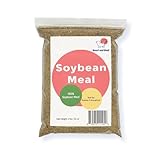
- High Protein Animal Feed: Packed with essential amino acids; ideal for chickens, goats, pigs, and other livestock requiring a plant-based protein source
- Non-GMO Plant-Based Power: Derived from high-quality soybeans; great for custom feed blends or trial use in backyard flocks and small farms
- Supports Growth and Production: Helps promote muscle development, feather quality, and consistent egg-laying cycles in poultry
- Supports Growth and Production: Helps promote muscle development, feather quality, and consistent egg-laying cycles in poultry
- Pure Soybean Meal Only: Finely ground and free from salt, preservatives, or additives; safe for storage and easy to mix with other feed components
Will China buy U.S. soybeans during the U.S. export season if Chinese soymeal stocks are high?
It can, but high meal stocks would be a headwind rather than a complete answer. China’s purchases depend on expected feed and oil demand, crusher economics, the delivered price of beans from competing origins, tariffs and the timing of available supplies. The central caveat today is that the sources available here do not establish China’s observed soymeal inventory level or trend in autumn 2026.
Later trade data shows that buying did occur. In a September 4, 2026 update, USDA’s Foreign Agricultural Service (FAS) reported that by August 13, China had purchased 5.7 million metric tons (MMT) of U.S. soybeans for marketing year (MY) 2026/27. The same update listed another 3.8 MMT sold to “unknown” destinations. Those unallocated sales are not confirmed Chinese purchases and should not be added to China’s total.
The Tool Desk
Outbyte PC Repair FREEClear out junk files and repair common Windows errorsFree Scan →Outbyte Driver Updater FREEFix the driver behind crashes, sound loss and screen glitchesFind Drivers →Rank #3

- Green growth and nitrogen provider in the garden, great animal feed.
- Typical N-P-K analysis 6-2-1
- Resealable Bag
- No added chemicals or preservatives!
What the latest figures say—and what they do not
The figures below mix observed sales with forecasts, so the distinction matters. USDA FAS’s China import projection was an attaché forecast, while USDA Economic Research Service (ERS) figures were U.S. marketing-year projections published in September 2026.
| Measure | Figure | How to interpret it |
|---|---|---|
| Chinese purchases of U.S. new-crop soybeans | 5.7 MMT by August 13, 2026 | USDA FAS reported this as confirmed China purchases for MY 2026/27. |
| U.S. soybean sales to unknown destinations | 3.8 MMT by August 13, 2026 | USDA FAS reported these separately; their destination was not confirmed as China. |
| China’s soybean imports | 108 MMT projected for MY 2026/27 | USDA FAS’s China attaché forecast from March 2026, 2 MMT above its MY 2025/26 projection. It is a forecast, not a final import total. |
| U.S. soybean production | 4.5 billion bushels projected for MY 2026/27 | USDA ERS forecast published September 18, 2026. |
| U.S. soybean exports | 1.69 billion bushels projected for MY 2026/27 | USDA ERS forecast published September 18, 2026; it is not a measure of confirmed Chinese buying. |
| U.S. soybean crush | 2.78 billion bushels projected for MY 2026/27 | USDA ERS forecast published September 18, 2026. |
| U.S. soybean ending stocks | 310.0 million bushels projected for MY 2026/27 | USDA ERS forecast published September 18, 2026. |
The U.S. production, export, crush and ending-stock projections describe the broader supply outlook, not the eventual destination of every bushel. ERS raised its export forecast as higher supply lifted production, but those national figures do not establish that China will buy a particular amount.
Rank #4

- HIGH PROTEIN CONTENT: Provides 47% protein to support healthy growth and development in livestock and wildlife.
- VERSATILE FEED: Suitable for a wide range of animals, including deer, turkey, cattle, hogs, and other wildlife.
- CONVENIENT SIZE: Comes in a 10 lb. bag, making it easy to store, handle, and distribute as needed.
- ATTRACTS WILDLIFE: An excellent feed and attractant for hunting, helping to draw deer and other game to your desired location.
- NUTRIENT-RICH SUPPLEMENT: Can be used as a standalone feed or mixed with other feeds to boost overall protein intake for animals.
Why China’s sourcing can shift even when import demand is firm
Tariffs and delivered prices
USDA FAS reported in its September 4, 2026 update that a 10 percent retaliatory tariff on U.S. soybeans continued to shape commercial buying. A tariff can make U.S. beans less competitive on delivered cost even when Chinese import demand is strong. USDA FAS’s March 2026 China report also said structural price differences favored South American origins and that remaining tariffs constrained private-sector purchases from the United States at that time.
Seasonal availability and South American supply
Brazilian beans compete with U.S. supplies, and the timing of harvests and shipments can affect which origin buyers choose. USDA FAS reported record Brazilian shipments to China from June through August 2026. That context helps explain why total Chinese import demand and U.S. export sales can move differently: a buyer can import substantial volumes while sourcing a smaller share from the United States.
Best Value
- Green growth and nitrogen provider in the garden, great animal feed.
- Typical N-P-K analysis 6-2-1
- Resealable Bag
- No added chemicals or preservatives!
Feed, livestock and oil demand
USDA FAS’s March 2026 China report forecast 108 MMT of soybean imports in MY 2026/27 and expected moderate growth in demand for animal products produced using soybean meal. It said expected strength in poultry and aquaculture would offset weaker growth in the swine sector. Those are demand expectations, not observed meal-stock data.
Crushing also yields soybean oil, so meal demand alone does not determine whether processors run their plants or import beans. USDA ERS notes that U.S. soybean crushing serves demand for meal as well as oil used in biomass-based diesel. Processing capacity, relative prices and seasonal availability can therefore influence trade alongside feed demand.
Quick Recap
How to read export-season signals without overcounting demand
- Separate confirmed destinations from unallocated sales. The 5.7 MMT reported as China purchases and the 3.8 MMT reported to unknown destinations are different categories in USDA FAS’s August 13, 2026 data.
- Distinguish import forecasts from completed trade. The 108 MMT China figure is a March 2026 attaché forecast for MY 2026/27, not an observed final total.
- Compare origins on a delivered basis. Tariffs, price differences, shipping logistics and seasonal availability can shift buying between the United States and South America.
- Do not infer meal stocks from bean imports alone. Imports add potential crush supply, but actual meal availability and inventory also depend on processing and demand for meal and oil.
- Keep dated market commentary in its period. The 2025 glut report described conditions then; without newer inventory evidence, it cannot establish China’s soymeal position in autumn 2026.
Product prices and availability are accurate as of the date/time indicated and are subject to change. Any price and availability information displayed on Amazon at the time of purchase will apply.




