What’s actually slowing this PC down?
Pick the symptom - the matching free tool is one click away.
China imported a record 111.82 million metric tons of soybeans in calendar 2025, up 6.5% from 2024, according to China Customs data reported by S&P Global Energy. Brazil supplied 82.33 million metric tons, up 10.3% year over year. The record reflects a strong South American supply position as trade tensions disrupted U.S. shipments; it is a calendar-year customs total, not a USDA marketing-year estimate.
How much soy did China import in 2025?
China Customs data cited by S&P Global Energy put China’s calendar-year 2025 soybean imports at 111.82 million metric tons. That was 6.5% more than in 2024 and a record for a calendar year.

| Calendar-year 2025 measure | Volume | Change from 2024 | Basis |
|---|---|---|---|
| China’s total soybean imports | 111.82 million metric tons | Up 6.5% | China Customs data, as cited by S&P Global Energy |
| Imports from Brazil | 82.33 million metric tons | Up 10.3% | China Customs data, as cited by S&P Global Energy |
| Brazil’s share of the total | About 73.6% | Not stated | Calculated from the reported Brazil volume divided by the reported total |
The Brazil share is a calculation from the two reported volumes, not a separate quoted customs statistic. These figures describe soybean imports by origin over January–December 2025.
Why did Brazil account for so much of the supply?
Seasonal availability and price helped favor South American origins. In its February 2026 China annual report, USDA’s Foreign Agricultural Service (FAS) said Brazil was beginning to harvest and market a record crop, with prices significantly below U.S.-origin soybeans. FAS also said a remaining 13% tariff on U.S. soybeans continued to weigh on their competitiveness.
That mix matters because trade commitments do not determine where every cargo is sourced. Buyers can weigh price, harvest timing, tariffs and other commercial conditions when choosing between origins. USDA FAS said purchases under the agreement at the time of its report had been made by state-owned enterprises rather than private companies.
What happened to U.S. soybean shipments?
USDA FAS’s February 2026 China annual report, drawing on Trade Data Monitor data, put U.S.-origin soybean imports at 22.9 million metric tons in marketing year 2024/25, down 8% from the previous marketing year. It also reported zero U.S.-origin arrivals from September through December 2025.
Rank #2

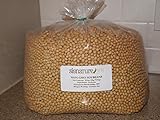
- Quality Soy Beans Bulk: These Non-GMO soybeans are rich in protein and grown in the USA. Locally farmed and processed in Iowa.
- Nutritious Snack: Full of plant-based protein and nutrients, enjoy these versatile soya beans roasted, baked or made into soy milk, or tofu.
- Healthy Options: Turn our non gmo soybeans into a tasty soy beans snack. Our soy beans are the ideal dairy-alternative for homemade creamy soy milk (soya milk), soy yogurt and tofu; Ferment them into tempeh, natto or miso.
- Bulk Option: Bulk Option: Perfect for meal preppers, or plant-based protein lovers—our Non-GMO soybeans come in generous bulk sizes, offering a clean, sustainable, and high-protein ingredient for your culinary and nutritional needs.
These figures are not directly comparable with the 111.82-million-ton calendar-year customs record. A U.S. marketing year runs from October through September, while the record total covers January through December. The zero-arrival figure refers specifically to monthly U.S.-origin arrivals in the final four months of calendar 2025; it does not mean China imported no soybeans from other countries during that period.
Did the U.S.–China trade truce restore soybean purchases?
After an October 2025 meeting in Busan between U.S. President Donald Trump and Chinese President Xi Jinping, a reported trade truce suspended certain retaliatory measures and included an initial 12-million-metric-ton soybean purchase commitment. The commitment and subsequent reporting need to be read according to what each measure actually records:
Rank #3
- Soybean crops carefully chosen for best Soy Milk and Tofu
- Non-GMO Soybeans
- Great for making Tempeh and Natto
- Net Weight: 5 lbs.
- 100% Product of USA
- USDA export-sales snapshot: On February 26, 2026, USDA FAS reported 10.8 million metric tons purchased or shipped toward the initial commitment. That export-sales snapshot does not by itself establish that all of that volume had physically arrived in China.
- Sales to unknown destinations: The same snapshot listed another 2.19 million metric tons sold to unknown destinations. USDA did not confirm those sales as China-bound, so they should not be added to China’s commitment tally.
- Later completion claim: The Associated Press reported in January 2026 that Treasury Secretary Scott Bessent said China had completed the initial 12-million-ton commitment. That is Bessent’s reported claim; it is distinct from the earlier USDA snapshot and is not proof that every contracted ton had already arrived.
The truce was also reported to include commitments for 25 million metric tons annually in each of the following three years. These are future commitments, not verified completed purchases or shipments in the sources cited here.
What the record does—and does not—show
The 2025 customs record shows the scale and origin of China’s imports over a calendar year. It does not, by itself, show that the truce caused the record, that U.S. supply has returned to its earlier position, or that future purchase commitments will be fulfilled on schedule. Brazil’s larger reported volume and lower prices, the remaining U.S. tariff and the different reporting periods all matter when interpreting the trade figures.
Rank #4

- 100% NON-GMO (non genetically modified)
- High Protein Content
- Grown on our family farm in the Red River Valley of North Dakota!
- The Red River Valley contains some of the most fertile soils in the world and produces soybeans rich in nutrients!
- These soybeans have been the top choice for some of the largest soy manufacturing companies in Asia for decades!
There is also a difference between a purchase commitment, a sale reported in export-sales data, and a shipment that has arrived. Those measures answer different questions, so a headline number should be read alongside its date, reporting basis and origin.
Independent reader supportYour contribution helps us test, update, and keep practical guides available for everyone.Where to check for updated trade figures
The latest purchase and shipment detail cited above is USDA FAS’s export-sales snapshot dated February 26, 2026, so it should not be treated as a live tally. USDA Economic Research Service says its agricultural trade tables are updated monthly and points users to USDA FAS’s Global Agricultural Trade System for country- and commodity-level data. Check the reporting period and whether a series records sales, exports or imports before comparing its totals with China Customs’ calendar-year figures.
Free tools Windows power users keep installed
One-click scans. No signup required.
Quick Recap
Product prices and availability are accurate as of the date/time indicated and are subject to change. Any price and availability information displayed on Amazon at the time of purchase will apply.




