There is no single best prepaid debit card for everyone. The right choice depends mainly on how often you spend, whether you deposit cash, how often you use ATMs, whether you receive direct deposit, and whether the card is for an adult, child, travel or short-term budget control.
For occasional use, the Green Dot Pay As You Go Visa Debit Card is a reasonable starting point because it has no monthly plan fee. Walmart shoppers may prefer the Walmart MoneyCard, families should compare Greenlight and FamZoo, and frequent cash reloaders should examine Serve Visa Free Reloads or a carefully selected Netspend plan. For international spending, Wise and Revolut may be better than a conventional U.S. prepaid card, although they are different types of fintech accounts.
| # | Preview | Product | Price | |
|---|---|---|---|---|
| 1 |
|
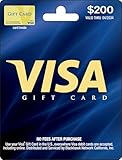
Visa Physical Gift Card $200 (plus $6.95 Purchase Fee) | $206.95 | Buy on Amazon |
| 2 |

|
Visa Physical Gift Card $100 (plus $5.95 Purchase Fee) | $105.95 | Buy on Amazon |
| 3 |

|
MasterCard Physical Gift Card – $200 (plus $6.95 Purchase Fee) | Buy on Amazon | |
| 4 |

|
Visa Virtual eGift Card | $105.95 | Buy on Amazon |
| 5 |

|
Visa Virtual eGift Card | $206.95 | Buy on Amazon |
This U.S. comparison reflects product information checked as of August 10, 2026. Two once-popular recommendations are no longer available: the Bluebird American Express prepaid program and the Serve American Express prepaid program were discontinued in June 2026.
Best prepaid debit cards at a glance
The table separates classic reloadable prepaid products from family cards, deposit accounts and travel-oriented fintech accounts. A low headline fee does not necessarily mean the lowest total cost for your usage pattern.
#1 Best Overall
- Gift Cards are shipped active and ready for use.
- This card is non-reloadable. No cash or ATM access. Funds do not expire. If available funds remain on your card after the valid thru date has passed, please call customer service for a replacement card. A one-time purchase fee applies at the time of checkout. No fees after purchase.
- To access your card information safely, type the complete website address shown on your Gift Card (MyGift.GiftCardMall.com) directly into your browser's address bar. Don't use search engines or shortened versions of the website address, as these may lead you to fake or fraudulent sites. Do not provide any Gift Card details (example: Card Number) to someone you do not know or trust. If you believe you've reached an illegitimate website, contact cardholder service at 1-888-524-1283. Be cautious of phishing sites, there are a variety of scams in which fraudsters try to trick others into paying with gift cards.
- To report your Lost or Stolen Physical Visa Card, call Customer Service 24/7 at 1 (888) 524-1283 to cancel your Gift Card as soon as you can. You will be asked to provide the Gift Card number and other identifying information.
- Use your Visa Gift Card in the U.S. everywhere Visa debit cards are accepted, including online.
| Product | Best for | Monthly fee | Purchase fee | Cash reloads | ATM details | Main drawback | Category | Verified |
|---|---|---|---|---|---|---|---|---|
| Green Dot Pay As You Go Visa Debit Card | Occasional spending | $0 | $1.50 per transaction, according to Green Dot’s comparison | Retail fee may be up to $4.95 or $5.95, depending on product and location | Fees vary by product and network | Per-purchase fees become expensive with frequent use | Classic reloadable prepaid | Aug. 10, 2026 |
| Walmart MoneyCard | Regular Walmart shoppers | $5.94; waived after qualifying $500-plus direct deposit | See current agreement | Free at Walmart through the app-generated deposit barcode; other retail fees may apply | $2.50 issuer ATM fee, plus possible operator surcharge | Rewards do not offset much of the fee if the waiver is not earned | Prepaid-like deposit account | Aug. 10, 2026 |
| Greenlight Core | Parent-controlled child or teen spending | $5.99 per family | Generally plan-based; review agreement | Check the current funding options | No issuer ATM fee; operator fees may apply | Subscription continues even if cards are temporarily unused or locked | Family spending account | Aug. 10, 2026 |
| FamZoo | Detailed allowances, chores and family budgeting | $5.99 monthly, or $59.90 prepaid for 12 months | Plan-based | Direct deposit and electronic reloads are free; some instant transfers cost extra | Up to $510 daily ATM limit; check current fee disclosure | Requires more setup and is not economical for a single adult | Family prepaid account | Aug. 10, 2026 |
| Serve Visa Free Reloads | Frequent cash reloads at participating retailers | $9.95 | Online card purchase $0; retail purchase up to $2 | $0 at participating in-network locations; up to $3.95 outside the network | Free at MoneyPass ATMs; out-of-network fees may apply | The $119.40 annual fee is high for occasional users | Reloadable deposit account with Visa card | Aug. 10, 2026 |
| Netspend Visa Prepaid Card | Broad cash-reload access and direct deposit | Depends on the exact plan and agreement | Depends on the exact plan | Netspend advertises more than 130,000 reload locations; fees vary | Fee varies by plan and ATM | Netspend’s current official materials describe different fee schedules | Classic reloadable prepaid | Aug. 10, 2026 |
| Wise Multi-Currency Card | International purchases and currency conversion | No subscription fee | $9 physical card; digital card free | Not designed for ordinary U.S. cash reloads | No Wise fee up to a combined $250 per calendar month; additional charges apply | Not a conventional domestic cash-reload prepaid card | Multi-currency fintech account | Aug. 10, 2026 |
| Revolut Standard | App-based domestic and international spending | $0 | First virtual card free; delivery fees may apply to a physical card | Cash reloads are not the core use case | No Revolut fee at in-network ATMs; up to 2% may apply out of network | Exchange, card-load and ATM limits matter | Prepaid-like fintech account | Aug. 10, 2026 |
Fees, limits, eligibility and availability can change. Before loading money, open the product’s current fee schedule and cardholder or deposit-account agreement. For a regulated comparison framework, the CFPB prepaid-card fee disclosure guide explains the categories providers are expected to disclose.
Best prepaid debit cards by use case
Best for occasional spending: Green Dot Pay As You Go Visa Debit Card
Green Dot’s Pay As You Go card is most suitable for someone who uses a card infrequently and wants to avoid a recurring monthly plan fee. Green Dot’s product comparison lists a $0 monthly fee and a $1.50 transaction fee. That structure can work for a few purchases each month, but it is usually a poor fit for daily spending.
Five purchases would produce $7.50 in transaction fees; six would produce $9. That makes five purchases cheaper than a roughly $7.95 monthly plan before considering reloads, ATM use or other charges. The calculation is only an illustration because the cardholder agreement controls the complete fee schedule.
- Loading: Direct deposit is free. Retail cash reloads may cost up to $4.95 or $5.95, depending on the product and location.
- ATM use: Green Dot says free-network and out-of-network charges vary by product, so check the agreement rather than assuming every Green Dot card has the same ATM terms.
- Credit check: Green Dot markets the product as requiring no credit check. Identity verification can still be required.
- Best fit: A temporary spending balance or occasional card purchases.
- Bad fit: Many purchases, frequent cash reloads or repeated fee-based ATM withdrawals.
Do not confuse the Pay As You Go product with Green Dot’s standard Visa Debit Card. The standard card has a $7.95 monthly fee after the first month, waived when at least $500 in qualifying direct deposit was received during the previous monthly period. Green Dot also offers other products, including Cash Back Visa and GO2bank products, with different pricing.
Crashes, No Sound, or Screen Glitches?
Random freezes, missing sound and display glitches usually trace back to one bad driver. Find and replace yours safely.Free scan · under a minuteWindows Errors? Fix Them Before They Spread
Repair common Windows errors and clear accumulated junk for a smoother, more stable PC - no reinstall needed.Free scan · no reinstallBest for Walmart shoppers: Walmart MoneyCard
The current Walmart MoneyCard is better described as a reloadable debit account or prepaid-like deposit account than as a simple old-style general-purpose prepaid card. Its current terms are in a deposit-account agreement.
It is attractive to a regular Walmart shopper who can qualify for the monthly-fee waiver and use the account’s Walmart-specific features:
- Monthly fee: $5.94. The fee is waived when payroll or government-benefit direct deposit of at least $500 is received during the previous monthly statement period.
- Walmart cash deposits: Cash deposits are free at Walmart when the user generates a deposit barcode in the Walmart MoneyCard app. Other retail cash deposits can cost up to $4.95.
- Rewards: Eligible users can earn up to $75 per reward year: the current terms list 3% on qualifying Walmart.com or app purchases, 2% at Walmart-branded fuel stations and 1% at Walmart stores. Exclusions and eligibility requirements apply.
- Early direct deposit: Payroll may arrive up to two days early and government benefits up to four days early, depending on when the payer sends payment instructions and on provider conditions.
- ATM: The agreement lists a $2.50 issuer ATM fee, and the ATM owner may add a separate surcharge.
The fee math matters. Paying $5.94 for all 12 months costs $71.28 per year. Even the maximum advertised $75 in annual rewards would exceed that fee by only $3.72 before accounting for excluded purchases, eligibility, taxes or whether the user actually earns the maximum. The card is substantially more compelling when the direct-deposit waiver applies.
Do not assume that cash deposited at any Walmart or any reload method is free. Confirm that the location participates, generate the required barcode in the app, and verify when the money becomes available. Walmart’s cash-deposit guide and deposit-options page provide the operational details.
Best for parent controls: Greenlight Core
Greenlight Core is designed for supervised family spending rather than independent adult banking. For $5.99 per month per family, a parent can add up to five children, issue each child a card, monitor activity and control how cards are used.
- Parents can lock or unlock cards in the app.
- Spending controls, savings goals, allowance and chore features are built around the family account.
- Up to five children can be added under the account, with each receiving a card.
- Greenlight lists no issuer fee for ATM withdrawals, although an ATM operator can charge its own fee.
- Greenlight’s higher-priced plans are listed at $10.98 for Max, $15.98 for Infinity and $19.98 for Family Shield per month.
Core costs $71.88 over 12 months, regardless of whether a child’s card is temporarily locked. That subscription can be worthwhile when a family uses the controls, allowance tools and real-time activity monitoring. It is less attractive if the only need is to send a child occasional spending money.
Greenlight says funds are held at Community Federal Savings Bank and may be eligible for FDIC insurance when the account is registered and applicable requirements are met. That is not the same as saying every balance is automatically insured under every circumstance; see the insurance section below. Greenlight also says it does not run a credit check, but it must verify the primary accountholder’s identity. Its signup requirements explain the distinction.
Best for detailed chores and allowance rules: FamZoo
FamZoo is closer to a virtual family bank than to a basic reloadable card. It supports automated allowance, chore payments, parent-paid interest, spending, saving and giving categories, transfers between family members and family-level billing.
- Price: $5.99 monthly, or $59.90 prepaid for 12 months, equivalent to $4.99 per month.
- Cards: The first four cards are included; additional cards cost $3 each.
- Funding: Direct deposit and electronic reloads are free. Some instant digital-wallet transfers may have a fee.
- Limits: FamZoo lists a $5,000 maximum card balance, a $5,000 daily purchase limit and a $510 daily ATM limit.
- Credit: No credit check and no credit-building effect.
FamZoo is a good fit when parents want to make allowance rules repeatable and visible, not merely provide a child with a card. The prepaid annual price is $59.90, but a family that does not use the chore, category and allowance tools may find a simpler option cheaper.
Review the current FamZoo fee disclosures and cardholder agreement for transfer, replacement, ATM and other terms.
Rank #2
- Gift Cards are shipped active and ready for use.
- This card is non-reloadable. No cash or ATM access. Funds do not expire. If available funds remain on your card after the valid thru date has passed, please call customer service for a replacement card. A one-time purchase fee applies at the time of checkout. No fees after purchase.
- To access your card information safely, type the complete website address shown on your Gift Card (MyGift.GiftCardMall.com) directly into your browser's address bar. Don't use search engines or shortened versions of the website address, as these may lead you to fake or fraudulent sites. Do not provide any Gift Card details (example: Card Number) to someone you do not know or trust. If you believe you've reached an illegitimate website, contact cardholder service at 1-888-524-1283. Be cautious of phishing sites, there are a variety of scams in which fraudsters try to trick others into paying with gift cards.
- To report your Lost or Stolen Physical Visa Card, call Customer Service 24/7 at 1 (888) 524-1283 to cancel your Gift Card as soon as you can. You will be asked to provide the Gift Card number and other identifying information.
- Use your Visa Gift Card in the U.S. everywhere Visa debit cards are accepted, including online.
Best for frequent cash reloads: Serve Visa Free Reloads
Serve Visa Free Reloads is designed for users who regularly put cash onto a card and have convenient access to its participating reload network. Serve lists more than 45,000 in-network reload locations, including select 7-Eleven, CVS, Dollar General, Family Dollar and Walmart locations.
- Monthly fee: $9.95, or $119.40 over a full year.
- Reloads: $0 at participating in-network retailers and up to $3.95 outside the network.
- ATM: Free at MoneyPass ATMs; out-of-network fees may apply.
- Card purchase: Online card purchase is listed at $0; retail card purchase can be up to $2.
The card makes sense only when the avoided cash-reload fees and ATM convenience justify the monthly charge. For example, $119.40 divided by a $3.95 avoided reload fee is about 31 reloads per year. That is not a universal break-even point because another card may have different purchase, ATM or monthly fees, but it shows why free reloads alone do not make the product cheap.
Do these 3 things before closing this tab:
1Scan for outdated or missing drivers - takes under a minute2Repair Windows errors before they cause bigger problems3Fix the driver behind crashes, sound loss and screen glitchesBefore visiting a retailer, use Serve’s cash-reload information to confirm that the location is participating. Ask whether the fee is imposed by Serve, the retailer or both, and check the reload limits and availability time. The current product is a Visa deposit-account program; it is not the former American Express Serve prepaid account.
Best for a broad reload network: Netspend Visa Prepaid Card
Netspend advertises more than 130,000 reload locations and direct-deposit access that can make funds available up to two days early, subject to payment timing and account conditions. Those features may appeal to people who need broad retail access or receive payroll electronically.
Netspend requires extra diligence because its official materials do not present one universal fee schedule. A current Netspend fee PDF lists a $0 pay-as-you-go plan fee, a $1.95 purchase fee, a $5.95 monthly plan, $2.95 ATM withdrawals and cash-reload fees up to $3.95. Another Netspend page describes a $9.95 monthly plan reduced to $5 with qualifying direct deposit and gives different ATM pricing.
These figures should not be combined. They may refer to different programs, issuers, agreements or plan selections. Before applying, identify the exact card, issuing bank, plan and agreement shown during enrollment. Save the fee disclosure you reviewed. Netspend is a reasonable category choice for reload access, not a product for which one monthly-fee number can safely be published without qualification.
What’s actually slowing this PC down?
Pick the symptom - the matching free tool is one click away.
Best for international spending: Wise or Revolut
Travel-focused products can be useful alternatives to traditional prepaid cards, but they should not be presented as interchangeable with a domestic cash-reload GPR card.
Wise Multi-Currency Card
Wise offers a multi-currency account and card. It has no subscription fee, a $9 physical-card order fee and a free digital card. Wise says it charges no separate foreign-transaction fee, although currency-conversion fees still apply.
Wise says there is no Wise fee for ATM withdrawals up to a combined $250 per calendar month. After that threshold, the listed charge is $1.95 plus 1.95% per withdrawal. Wise is a better fit for holding or converting currencies and paying abroad than for depositing cash at U.S. retailers. Delivery, conversion and ATM terms should be checked for the user’s location and transaction.
Revolut Standard
Revolut Standard has a $0 monthly plan fee. The first virtual card is free. The first Standard physical card has no card fee, but delivery fees may apply; standard delivery is listed at up to $5.
Free tools Windows power users keep installed
One-click scans. No signup required.
- Revolut lists no Revolut fee at in-network ATMs, while out-of-network withdrawals may cost up to 2% for Standard users.
- Standard users receive up to $1,000 per month at the stated currency-exchange rate, after which a 0.5% fair-use fee applies under the current terms.
- A 1% weekend exchange fee applies under the current Standard fee terms.
- Loading by debit or credit card can carry fees, and cash reloads are not the product’s core use case.
Revolut’s U.S. legal materials refer to prepaid Visa and Mastercard cards, but the app-based account is best described here as prepaid-like. It may be useful for virtual cards, domestic spending and currency exchange, but it is not the obvious choice for someone who receives wages in cash and needs a nearby reload counter.
How much do prepaid debit cards really cost?
Compare a card using your actual behavior, not just the monthly-fee line. A card with no monthly fee can be expensive when every purchase costs $1.50 or $1.95. A card with free reloads can be expensive when it charges $9.95 every month. A rewards card can lose its value when the rewards are capped or the fee waiver is missed.
Use this formula:
Annual cost = monthly fees + purchase fees + reload fees + ATM fees + card and replacement fees + foreign-exchange fees + other service fees − valid fee waivers − realistic rewards.
Include only rewards the user can realistically earn. Do not count an advertised maximum if the spending categories, annual cap or account requirements make that maximum unlikely.
The Tool Desk
Outbyte Driver Updater FREEFix the driver behind crashes, sound loss and screen glitchesFind Drivers →Outbyte PC Repair FREERepair Windows errors before they cause bigger problemsFix Now →Rank #3
- Cards are shipped active and ready for use.
- This card is non-reloadable. No cash or ATM access. Funds do not expire. If available funds remain on your card after the valid thru date has passed, please call customer service for a replacement card. A one-time purchase fee applies at the time of checkout. No fees after purchase.
- Double check if the URL/website is genuine before entering card details online. Do not provide any gift card details (example: claim code) to someone you do not know or trust. There are a variety of scams in which fraudsters try to trick others into paying with gift cards.
- If you believe that your Card has been lost or stolen, notify Mastercard immediately by calling 1-833-791-7288. You will be asked to provide the Gift Card number and other identifying information.
- Use your Mastercard Gift Card in the U.S. everywhere Mastercard debit cards are accepted, including online. Your Amazon.com Balance cannot be used to purchase Mastercard gift cards.
Four practical cost scenarios
| Scenario | What to count | Questions to ask |
|---|---|---|
| Light user | Five purchases, no ATM withdrawals and one reload | Does a pay-as-you-go purchase fee cost less than a monthly plan? Is the reload fee larger than the purchase fees? |
| Regular user | Thirty purchases, two ATM withdrawals and two cash reloads | Do per-transaction fees overwhelm a monthly fee? Is there a free ATM network nearby? |
| Cash-heavy user | Four cash reloads and four ATM withdrawals each month | Are all four reloads actually in network? Are ATM-owner surcharges separate from issuer fees? |
| Direct-deposit user | Monthly payroll or benefit deposit | What is the exact minimum deposit for a fee waiver? Does a partial deposit qualify, and does the waiver apply in the following statement period? |
| Family user | One parent, two children and recurring allowance or chore payments | Do controls and automation justify the subscription? Are replacement cards and extra cards included? |
| Traveler | Foreign purchases and two out-of-network ATM withdrawals | What is the conversion rate, fair-use limit, weekend fee and ATM withdrawal allowance? |
Known annual-cost examples
- Green Dot Pay As You Go: Five purchases at $1.50 each produce $7.50 in transaction fees; six produce $9.00, before reloads and ATM charges.
- Walmart MoneyCard: Twelve unwaived $5.94 monthly fees equal $71.28. The fee is $0 in months covered by the stated qualifying direct-deposit waiver, subject to the account terms.
- Greenlight Core: $5.99 per month equals $71.88 per year.
- FamZoo: The prepaid annual option is $59.90, versus $71.88 when paying $5.99 for 12 individual months.
- Serve Visa Free Reloads: $9.95 per month equals $119.40 per year, before any other fees.
When comparing two products, add all costs for the same scenario. A worksheet that includes only monthly fees will systematically favor pay-as-you-go cards and hide the cost of purchases, reloads and ATMs.
What fees should you check?
Prepaid products often advertise one attractive fee while placing other charges in the agreement. Review the issuer’s short-form disclosure and search for each of these items:
- Card purchase, activation or initial-load fee.
- Monthly maintenance or plan fee.
- Purchase or transaction fee.
- Cash-reload fee, including retailer-imposed fees.
- Direct-deposit fee.
- Bank-transfer or external-transfer fee.
- ATM withdrawal fee.
- ATM balance-inquiry fee.
- Out-of-network ATM surcharge.
- Inactivity or dormancy fee.
- Replacement-card fee.
- Expedited-delivery fee.
- Foreign-transaction and currency-conversion fee.
- Mobile-check-deposit fee.
- Bill-pay fee.
- Account-closing fee or fee for receiving remaining funds.
Also check transaction limits, maximum balance, reload limits, state availability, identity-verification requirements and whether fees differ between a physical and virtual card. A fee-free transaction may still be subject to a third-party charge.
How to choose the right prepaid card
Start with the funding method and usage frequency. Then compare the full cost and the protections.
- Use a card rarely? Start with a pay-as-you-go option such as Green Dot Pay As You Go. Count every purchase fee and reload.
- Use it daily and receive payroll? Compare a monthly plan with a direct-deposit waiver. Verify the minimum deposit and the statement-period timing.
- Deposit cash often? Prioritize a convenient free-reload network, not merely the lowest monthly fee. Confirm that nearby locations are actually participating.
- Shop at Walmart regularly? Evaluate Walmart MoneyCard, especially if a qualifying direct deposit waives the $5.94 fee and you will use the Walmart deposit and reward features.
- Manage a child or teen? Compare Greenlight for controls and monitoring, or FamZoo for detailed chores, allowance and family-account rules.
- Spend abroad? Compare Wise and Revolut for conversion, ATM and delivery costs. Treat them as multi-currency fintech accounts rather than ordinary cash-reload prepaid cards.
- Want to build credit? Do not choose a prepaid card for that purpose. Compare a secured credit card or credit-builder product instead.
Rank the candidates using these criteria
- Total annual cost for your actual purchase, reload and ATM pattern.
- Cash-reload locations, minimums, maximums and availability speed.
- ATM network and separate operator surcharges.
- Whether a fee waiver is realistically attainable.
- Visa, Mastercard or American Express acceptance and merchant restrictions.
- Direct-deposit support, timing and treatment of payroll versus government benefits.
- App alerts, transaction history, card locking and transfer tools.
- Bill pay and mobile-check-deposit availability and fees.
- Fraud controls, dispute procedures and replacement-card terms.
- Registration requirements, FDIC eligibility and error-resolution protections.
- Spending, reload and balance limits.
- Availability in the user’s state.
- Whether the product is a true prepaid account, a bank deposit account or a fintech-managed account.
- Issuer and program-manager stability, including how remaining funds are returned if the program closes.
What is a reloadable prepaid debit card?
A reloadable prepaid debit card is funded with money deposited before it is spent. It is sometimes called a general-purpose reloadable card, or GPR card. When the balance reaches zero, the user generally cannot spend more until adding funds, subject to any overdraft or account features in the specific agreement.
A traditional GPR card is not normally linked to a conventional checking account, is not a credit card and generally does not involve borrowing. A purchase uses the balance already loaded rather than creating a credit obligation. Gift cards are usually different: many are designed for one-time or limited-purpose use and are not intended for repeated reloads, direct deposit or bill payment.
The label can be confusing. Some current products use prepaid branding but operate through a bank deposit account or a fintech-managed account with a debit card. Walmart MoneyCard and Serve Visa Free Reloads fall into that prepaid-like or deposit-account category. Wise and Revolut are app-based multi-currency or fintech products. Their legal terms, insurance arrangements, transfer features and closure procedures can differ from those of a classic GPR card.
Who should consider a prepaid card?
Potentially good uses
- Setting a firm spending limit without exposing the full balance of a primary checking account.
- Separating discretionary, travel or project money from ordinary household funds.
- Receiving wages or government benefits through direct deposit when the user does not want a traditional checking account.
- Depositing cash at participating retail locations.
- Giving a child or teen controlled access to spending money.
- Using a temporary or purpose-specific card balance.
- Spending abroad with a multi-currency product and controlled balance.
- Using a card when a traditional checking account is unavailable or undesirable, while accepting the product’s limitations.
When another product is likely better
- You can qualify for a free checking account and rarely use cash. A checking account may provide more services at lower total cost.
- You need frequent free ATM withdrawals, check writing, large balances or extensive bank services.
- You want to establish or rebuild credit.
- You need a card for hotel, rental-car or gas-station authorization holds and do not have backup funds.
- You need robust person-to-person transfers, recurring subscriptions or financial-service transactions that a prepaid program may restrict.
Do prepaid cards require a credit check?
Usually not. Prepaid providers generally do not underwrite purchases as credit and therefore do not need a conventional credit check to approve ordinary spending. However, no credit check does not mean no identity verification.
Recommended Free Tools
A provider may request a name, address, date of birth and Social Security number, and may verify the primary accountholder before allowing full use. Verification failures can restrict loading, online purchases, ATM access or continued account access. Providers may also freeze or close accounts under their agreements for fraud, compliance or risk reasons.
Greenlight, for example, says it does not run a credit check but still verifies the primary accountholder’s identity. The CFPB’s registration guidance explains why a provider may need this information.
Do prepaid debit cards build credit?
Generally, no. A prepaid card spends money that has already been deposited. Ordinary purchases therefore are not credit repayment activity reported to the major credit bureaus. Using a prepaid card responsibly can help with budgeting, but it normally will not create a credit history or raise a credit score.
Someone seeking credit-building should compare a secured credit card or a credit-builder loan instead. A secured credit card still involves a credit account and may report payment activity, while a credit-builder product has its own underwriting, fees and reporting terms. The CFPB’s credit-rebuilding guidance and its overview of secured cards and credit-building products are useful starting points.
Quick wins for a faster PC:
Fix the driver behind crashes, sound loss and screen glitchesFind Drivers →Clear out junk files and repair common Windows errorsFree Scan →Scan for outdated or missing drivers - takes under a minuteDriver Scan →Are prepaid-card funds FDIC insured?
It depends on the product. FDIC insurance generally applies only when the issuing bank is FDIC-insured and the pass-through insurance requirements are satisfied. Registration is commonly important because the bank must be able to identify the owner and the balance associated with that owner.
FDIC insurance protects against the failure of the insured bank up to applicable legal limits. It does not automatically protect against every problem involving a nonbank program manager, account freeze, lost card, unauthorized transaction, merchant dispute or fraud. Those situations are governed by separate law and the product’s agreement.
Rank #4
- Visa Virtual eGift Cards are designed for online use only. Gift Cards are subject to Terms and Conditions: a.co/5bw3qXJ
- When you access your Visa Virtual eGift Card for the first time, you’ll need to register your name, address, phone number, and email address via activationspot.com. These details should also be used as your billing address for online purchases, as many merchants require address verification for purchase authorization.
- This Visa Virtual eGift Card is non-reloadable. No cash or ATM access. Visa Virtual eGift Cards are emailed active.
- Funds do not expire but your Visa Virtual eGift Card has a ‘valid thru’ date (9 years from date of purchase). If funds remain after this date has passed, please call the Toll Free number found on your Visa Virtual eGift Card for a replacement card. A one-time purchase fee applies at the time of checkout.
- This item is not eligible for refund, resale, or return. Available for sale within the United States only. Not available to residents of Puerto Rico, Hawaii, New Mexico, South Dakota, West Virginia and the US Virgin Islands.
Look for the issuing bank, the insurance language and registration requirements in the cardholder or deposit-account agreement. The FDIC’s prepaid-card explanation and the CFPB’s insurance guidance explain why the answer cannot be based on the brand name alone.
Why register the card immediately?
A card purchased at a store may have limited functionality until it is registered. Registration can be necessary for:
- Online purchases and some ATM functions.
- Fuller error-resolution and unauthorized-transaction protections.
- Replacing a lost or stolen card and associating the remaining balance with the account.
- FDIC-insurance eligibility when the program offers pass-through coverage.
- Account alerts, statements and other online services.
Register the card with accurate information as soon as possible, save the account and customer-service details, and keep receipts for the initial purchase and reloads. The CFPB says unregistered cards may have fewer protections and limited functionality.
Can prepaid cards be used everywhere?
No. Visa and Mastercard products generally have broader U.S. acceptance than American Express products, but network branding is not a guarantee that every merchant will approve a transaction.
Common trouble spots include:
- Hotels and rental cars: The merchant may place a substantial authorization hold or require a credit card for the deposit.
- Restaurants: A merchant may authorize more than the displayed bill to account for a tip.
- Automated fuel pumps: The pump may place a temporary hold that is larger than the fuel purchase.
- Subscriptions: A recurring merchant may reject a card without a billing address or recurring-payment support.
- Digital wallets and transfers: The card or account may not support every wallet, person-to-person transfer or cash-out method.
- Regulated or restricted merchants: Gambling, financial-service and other transactions may be blocked under the program’s rules.
Keep a backup payment method for travel and authorization-heavy purchases. Do not assume that the phrase accepted wherever Visa or Mastercard is accepted overrides merchant policies, balance holds or account restrictions.
Independent reader supportYour contribution helps us test, update, and keep practical guides available for everyone.Cash reloads: the details that cause surprises
Cash-reload convenience depends on more than the number of listed retailers. Before making a deposit, verify:
Recommended Free Tools
- Whether the physical card is required or the app must generate a barcode.
- The minimum and maximum amount per reload.
- Daily, monthly and rolling reload limits.
- Whether the location is genuinely in network and participating that day.
- Whether the provider, retailer or both charge a fee.
- How quickly funds become available.
- Whether a cash reload counts toward a monthly-fee waiver.
- Whether the retailer accepts cash only or also permits debit-card funding.
For example, Walmart says app-generated cash deposits are free at Walmart, while other retail service fees may apply. Serve lists free reloads only at participating retailers and says out-of-network locations may charge up to $3.95. A location that appears in a general retail network may not offer every reload method or fee-free treatment, so check the product’s app and current instructions immediately before loading.
Direct deposit and payroll-card considerations
Many reloadable cards and prepaid-like accounts accept payroll or government-benefit direct deposits. Compare the direct-deposit fee, early-access policy, minimum amount needed for a monthly-fee waiver, whether partial deposits qualify and whether payroll and government benefits receive the same treatment.
Early direct deposit is not a guarantee that money will arrive on a fixed schedule. It generally depends on when the employer, government agency or payment processor sends the payment instructions and when the provider credits them. A late transmission can eliminate the expected early-arrival benefit.
If an employer offers a payroll card, employees generally cannot be forced to use the employer-selected card and must be offered another method of receiving wages. The CFPB’s prepaid-card rights guidance explains this protection.
Free tools Windows power users keep installed
One-click scans. No signup required.
What to do if the card is lost or stolen
- Lock or freeze the card in the app if that feature is available.
- Contact the issuer immediately using the number on the card, in the app or on the official website.
- Report unauthorized transactions promptly. Give the transaction date, amount and merchant name.
- Change the PIN and account password if either may have been exposed.
- Ask about replacement and expedited-shipping fees and the expected delivery time.
- Save evidence: Keep screenshots, receipts, transaction details, correspondence and the case number.
- Confirm the remaining balance and replacement process. Do not assume an unregistered retail card will receive the same protections as a registered account.
Registration and prompt reporting matter. The CFPB’s lost-card guidance explains what to do and why delays can affect error-resolution rights.
Prepaid cards versus alternatives
| Alternative | How it differs | When it may be better |
|---|---|---|
| Free checking account | Usually provides a bank account, debit card, bill pay, transfers and often check access | You can qualify, rarely use cash reloads and want broad banking services at low cost |
| Second-chance checking | A bank account designed for people who may not qualify for ordinary checking | You need account services and can meet its fees or activity requirements |
| Fintech deposit account | An app-based account, often provided through a partner bank, with terms and insurance determined by the program | You prefer mobile features, direct deposit and transfers over retail cash reloads |
| Secured credit card | A credit account backed by a refundable security deposit; it may report payments to credit bureaus | You want to establish or rebuild credit and can manage a credit line responsibly |
| Credit-builder loan | A structured loan product intended to report payment history, with funds generally released according to the agreement | You want a credit-building product rather than spending access |
| Cash App or another person-to-person card | Usually connected to an app and transfer ecosystem rather than a traditional GPR program | You primarily receive and send payments electronically and understand its limits and protections |
| Store gift card | Usually limited to one merchant or network and not designed for direct deposit or repeated reloads | You need a one-time gift or controlled purchase at a particular retailer |
For many regular users, free checking or a low-fee fintech deposit account will be cheaper than a traditional prepaid card. Prepaid remains useful when cash reloads, spending separation, controlled family access or limited exposure to a main account matters more than full banking functionality.
Products that should not appear on a current shortlist
Bluebird American Express Prepaid Debit Account
The Bluebird American Express prepaid program was discontinued on June 2, 2026, and accounts were officially closed on June 3, 2026. Older articles may still praise its former no-monthly-fee structure or free Family Dollar reloads, but those are historical features, not current buying advice. The Bluebird discontinuation notice is the relevant source.
Serve American Express Prepaid Debit Account
The American Express Serve prepaid program was also discontinued on June 2, 2026, with accounts closed on June 3, 2026. May 5, 2026 was the last day to add funds, and June 2, 2026 was the last day to spend remaining funds. The current Serve Visa products are separate programs. See the Serve American Express discontinuation notice.
The Tool Desk
Outbyte PC Repair FREERepair Windows errors before they cause bigger problemsFix Now →Outbyte Driver Updater FREEScan for outdated or missing drivers - takes under a minuteDriver Scan →Best Value
- Visa Virtual eGift Cards are designed for online use only. Gift Cards are subject to Terms and Conditions: a.co/5bw3qXJ
- When you access your Visa Virtual eGift Card for the first time, you’ll need to register your name, address, phone number, and email address via activationspot.com. These details should also be used as your billing address for online purchases, as many merchants require address verification for purchase authorization.
- This Visa Virtual eGift Card is non-reloadable. No cash or ATM access. Visa Virtual eGift Cards are emailed active.
- Funds do not expire but your Visa Virtual eGift Card has a ‘valid thru’ date (9 years from date of purchase). If funds remain after this date has passed, please call the Toll Free number found on your Visa Virtual eGift Card for a replacement card. A one-time purchase fee applies at the time of checkout.
- This item is not eligible for refund, resale, or return. Available for sale within the United States only. Not available to residents of Puerto Rico, Hawaii, New Mexico, South Dakota, West Virginia and the US Virgin Islands.
These shutdowns illustrate why a current comparison should state its review date and link to the provider’s current agreement. Search results and older rankings can preserve recommendations long after a product stops accepting new customers.
A practical checklist before loading money
- Confirm the exact product name, network, issuing bank and program manager.
- Check that the product is available in your state.
- Read the current short-form fee disclosure and cardholder or deposit-account agreement.
- Calculate a full-year cost using your actual purchases, reloads, ATM withdrawals and direct-deposit pattern.
- Confirm the exact requirements for any fee waiver, including amount, source and statement-period timing.
- Locate participating cash-reload retailers and check their hours, limits and fees.
- Find the free ATM network and identify whether operators can add surcharges.
- Confirm maximum balance, daily purchase, ATM and reload limits.
- Ask whether direct deposit, government benefits and mobile check deposit are supported and when funds become available.
- Register the card immediately with accurate identity information.
- Turn on transaction alerts and learn how to lock the card.
- Save the issuer’s fraud and dispute contact information.
- Check replacement-card, expedited-delivery and account-closing fees.
- Understand how remaining funds are returned if the account is closed or the program ends.
- Keep a backup payment method for hotels, rental cars, fuel pumps and emergencies.
No hands-on customer-service testing or reliable current third-party service study was established for this comparison, so customer support should be evaluated from the provider’s published phone, chat, dispute, replacement and statement options rather than from an unsupported ranking.
Frequently Asked Questions
What is the best prepaid debit card with no monthly fee?
For occasional U.S. spending, Green Dot Pay As You Go is a current option with a $0 monthly plan fee, but Green Dot’s comparison lists a $1.50 transaction fee and retail reload fees may apply. Wise and Revolut Standard also have no subscription fee, but they are travel-oriented or fintech accounts rather than conventional domestic cash-reload prepaid cards. Compare total annual cost, not just the monthly fee.
What is the best prepaid card for bad credit?
A prepaid card may be useful if you want to spend only money already deposited, and most prepaid cards do not require a conventional credit check. However, prepaid use generally does not build credit. If improving your credit history is the goal, compare a secured credit card or credit-builder product instead.
Quick wins for a faster PC:
Scan for outdated or missing drivers - takes under a minuteDriver Scan →Repair Windows errors before they cause bigger problemsFix Now →Fix the driver behind crashes, sound loss and screen glitchesFind Drivers →Can I get a prepaid debit card without a bank account?
Often, yes. Depending on the product, you may load it with cash at a participating retailer, payroll or benefits direct deposit, a bank transfer or another approved method. You may still need to provide identity information such as your name, address, date of birth and Social Security number. A prepaid-like account may also require a linked card or bank account for some funding methods.
Can I deposit a paycheck onto a prepaid card?
Many reloadable cards accept payroll direct deposit, and some offer early access when payment instructions arrive early. Check the direct-deposit fee, timing, minimum needed for a monthly-fee waiver and whether payroll and government benefits are treated differently. Early access depends on the payer and payment processor, so it is not a guaranteed payday.
Which prepaid cards allow cash reloads?
Green Dot, Walmart MoneyCard, Serve Visa Free Reloads and Netspend support cash-loading methods, although their networks and fees differ. Walmart says app-generated deposits are free at Walmart. Serve lists free reloads only at participating in-network retailers. Netspend advertises more than 130,000 reload locations, but its exact fee depends on the program and agreement. Verify the specific location, barcode requirement, limit and availability time before depositing cash.
Which prepaid cards have free ATM withdrawals?
Serve Visa Free Reloads lists free withdrawals at MoneyPass ATMs, and Greenlight lists no issuer ATM fee, although an ATM operator may charge its own surcharge. Other cards may provide a limited network or charge per withdrawal. Always distinguish the issuer fee from the ATM owner’s fee and check the exact agreement.
Are prepaid cards FDIC insured?
Some are eligible for pass-through FDIC insurance when an FDIC-insured issuing bank holds the funds, the card is registered and all legal requirements are satisfied. Coverage is product-specific and does not protect against every lost-card, fraud, account-freeze or program-manager problem. Read the insurance language in the current agreement.
Can a minor get a prepaid debit card?
Family products such as Greenlight and FamZoo are designed for parent-managed child or teen spending. They can provide cards, allowance tools, spending controls and activity monitoring. Compare the monthly subscription, parental liability, transaction controls, replacement process and whether the parent or child can initiate transfers before signing up.
Can I use a prepaid card at a hotel or rental-car company?
Sometimes, but acceptance is not guaranteed. Hotels and rental-car companies may require a credit card or place a large authorization hold. Restaurants and fuel pumps can also authorize more than the final purchase. Use a backup payment method and maintain enough available balance if attempting these transactions.
What happens if my prepaid card is lost or stolen?
Lock it in the app if possible, contact the issuer immediately, report unauthorized transactions, change the PIN and password, and ask about replacement and expedited-shipping fees. Keep screenshots, receipts and the case number. Registered cards generally have stronger error-resolution and replacement protections than unregistered cards.
Do these 3 things before closing this tab:
1Fix the driver behind crashes, sound loss and screen glitches2Repair Windows errors before they cause bigger problems3Scan for outdated or missing drivers - takes under a minuteAre Bluebird and Serve still available?
The Bluebird American Express prepaid program and the Serve American Express prepaid program were discontinued in June 2026. Bluebird accounts officially closed June 3. For Serve American Express, May 5 was the last day to add funds, June 2 was the last day to spend remaining funds and accounts closed June 3. Current Serve Visa products are separate.
What is the difference between a prepaid card and a debit card?
A traditional debit card is linked to a checking account and draws from that account. A reloadable prepaid card is funded before spending and is generally not linked to conventional checking. Some modern products use prepaid branding while operating as deposit accounts or fintech-managed accounts, so the legal agreement and issuing bank matter.
Is a prepaid card better than a checking account?
Not universally. A free checking account is often cheaper for someone who uses direct deposit, rarely handles cash and needs checks, transfers, bill pay or broad banking services. A prepaid card may be better for strict spending limits, cash reloads, separating money from a primary account, supervised family spending or temporary use. Calculate the cost for your own pattern.
The Bottom Line
Bottom line: Choose the funding method first, then calculate the full annual cost. Green Dot Pay As You Go is aimed at occasional users; Walmart MoneyCard favors Walmart shoppers who can earn the direct-deposit fee waiver; Greenlight and FamZoo justify their subscriptions through family controls; Serve Visa Free Reloads is for people who regularly use its free cash-reload network; and Netspend requires a product-specific fee review. Wise and Revolut are better treated as travel or fintech alternatives. If your main goal is credit building or low-cost everyday banking, compare a secured credit card or free checking account instead.
Quick Recap
Product prices and availability are accurate as of the date/time indicated and are subject to change. Any price and availability information displayed on Amazon at the time of purchase will apply.




