Selecting an effective budgeting app has become a core component of household financial management as cash flow has grown more complex, digital payments have accelerated, and subscription-based spending has expanded. A budgeting app, defined as software that tracks income, expenses, and savings to support financial planning, can materially influence spending awareness and decision quality. For this reason, the evaluation process emphasized measurable functionality rather than marketing claims or popularity metrics.
The assessment framework applied consistent, transparent criteria to ensure fair comparison across apps serving different budgeting styles, income levels, and financial goals. Each app was tested using identical hypothetical household profiles to evaluate real-world performance under common budgeting scenarios. Only features available to retail consumers in March 2026 were considered.
Feature Depth and Budgeting Methodology Support
Budgeting apps were evaluated on the range and quality of budgeting methods they support, including zero-based budgeting, envelope budgeting, and category-based tracking. Zero-based budgeting requires every dollar of income to be assigned a purpose, while envelope budgeting allocates spending limits to predefined categories. Apps received higher scores for allowing flexible customization rather than forcing a single budgeting philosophy.
Automation and Transaction Accuracy
Automation was assessed by examining how reliably each app syncs with financial institutions and categorizes transactions. Transaction categorization refers to the process of labeling spending, such as groceries or utilities, based on merchant data. Accuracy, latency, and the ability to create user-defined rules were weighted heavily, as manual data entry significantly reduces long-term usability.
The Tool Desk
Outbyte Driver Updater FREEScan for outdated or missing drivers - takes under a minuteDriver Scan →Outbyte PC Repair FREERepair Windows errors before they cause bigger problemsFix Now →#1 Best Overall

- Effective Budget Plan Book – Take control of your finances with the SUNEE budget account book. This all-in-one budget planner allows you to plan and track your income, expenses, savings, and financial goals. Its intuitive layout and easy-to-use sections help you stay organized and make smart decisions to reach financial success. Our financial planner also included a comprehensive guidebook with valuable tips and instructions to help you get the most out of your budgeting planner.
- Full-Page Calendars – Each month’s full-page calendar provides plenty of space to track paydays, bills due dates, appointments, and important events. No more cramped boxes or tight writing areas, you can easily plan and organize your schedule at a glance.
- Colorful Pages Layout and Tabs – This vibrant budget planner features a user-friendly design for easy navigation and organization. Each month includes dedicated budget pages to set financial goals, track income, and plan expenses. Additional sections like debt trackers, savings goals, and bill payment trackers make managing your finances a breeze. The colorful backgrounds on each page offer clear, instant visibility.
- Bonus 4 Stickers and Convenient Design – This monthly budget planner is built for convenience and durability. Water-resistant cover protects against spills, while the elastic band keeps everything secure, and the dual-sided pocket offers extra storage. Plus, we’ve included 4 adorable sticker sheets to personalize your planner and make budgeting more enjoyable. Experience a budget planner that combines practicality with lasting quality.
- UNDATED DESIGN & 1 YEAR USE - Undated finance books start with 1 page-financial goals, 1 page-Mind Map, 1 page-Financial Strategy, 1 page-Tactics, 2 pages-Important Dates, 4 pages-Bill Tracker, 4 pages-Saving Tracker, 8 pages-Debt Tracker, followed by 12 Months(10 pages per month, 1 unique color for each month). 2 pages-Christmas Budgeting, 2 pages-Yearly Summary, 2 pages-Check Register and 12 pages-Notes(dotted). It is UNDATED, so you could start at any time, suitable for 1 year use.
Pricing Structure and Value Transparency
Pricing evaluation focused on total cost of ownership, including subscription fees, feature gating, and upgrade requirements. Free tiers were assessed for functional completeness rather than mere availability. Apps that clearly disclosed pricing and avoided aggressive upselling scored higher for consumer transparency.
Usability and Learning Curve
Usability was measured by interface clarity, navigation logic, and the time required for a new user to establish a working budget. Learning curve refers to the effort needed to understand and effectively use the app’s tools. Apps that balanced advanced functionality with intuitive design were rated more favorably than those optimized only for experienced users.
Security Standards and Data Privacy Practices
Security evaluation examined encryption protocols, authentication controls, and data handling policies. Encryption is the process of encoding data to prevent unauthorized access, while multi-factor authentication requires more than one verification method to log in. Privacy assessments reviewed whether user data is sold, shared, or used for targeted advertising, based on publicly available disclosures.
Platform Compatibility and Device Support
Apps were reviewed for compatibility across operating systems, including iOS, Android, and web-based platforms. Cross-device synchronization and feature parity were considered essential for households managing finances collaboratively. Limited functionality on certain platforms reduced overall scores.
Recommended Free Tools
Use Case Alignment and Household Fit
Each app was mapped to specific use cases such as variable income households, couples managing joint finances, or individuals focused on debt reduction. A use case defines the primary financial behavior an app is best designed to support. This ensured that evaluations reflected suitability rather than assuming a one-size-fits-all solution.
The Budgeting App Landscape in 2026: Key Trends, AI Automation, and What’s Changed Since 2024
The evaluation criteria outlined above reflect a budgeting app market that has evolved significantly since 2024. Feature parity has increased across providers, while differentiation now centers on automation quality, data governance, and adaptability to complex household finances. Understanding these shifts is essential for interpreting how modern apps perform against core budgeting needs rather than marketing claims.
From Manual Budgeting to Assisted Financial Management
Between 2024 and 2026, budgeting apps moved away from primarily manual expense tracking toward assisted financial management. Assisted management refers to systems that proactively categorize transactions, suggest budget adjustments, and surface insights without constant user input. This shift reduced setup friction but increased reliance on algorithmic accuracy and transparency.
While manual controls remain available, many apps now assume users want automation by default. This change benefits users with limited time but can introduce errors if income patterns or spending behaviors are atypical. As a result, evaluation places greater weight on how easily users can override or customize automated decisions.
AI-Driven Categorization and Predictive Cash Flow
Artificial intelligence in budgeting apps is now primarily applied to transaction categorization and cash flow forecasting. Transaction categorization uses machine learning models to assign expenses to budget categories based on merchant data and past behavior. By 2026, accuracy has improved, but edge cases such as small vendors, peer-to-peer payments, and mixed-purpose purchases remain problematic.
Predictive cash flow tools estimate future account balances based on recurring income, bills, and historical spending. These projections help users anticipate shortfalls but rely heavily on stable patterns. Apps that clearly disclose assumptions and confidence ranges perform better in objective evaluations than those presenting forecasts as deterministic outcomes.
Deeper Bank Connectivity and Open Finance Expansion
Open finance refers to the secure sharing of financial data between institutions through standardized application programming interfaces, or APIs. Since 2024, broader adoption of open finance standards has improved account connectivity, reduced sync failures, and expanded coverage beyond checking and credit cards. Investment accounts, loans, and employer benefits are now more commonly integrated into budgeting dashboards.
However, deeper connectivity increases data exposure risk, making security and consent controls more critical. Apps differ substantially in how granularly users can manage permissions. Those offering clear connection management and easy revocation of access align more closely with consumer protection expectations.
Do these 3 things before closing this tab:
1Fix the driver behind crashes, sound loss and screen glitches2Clear out junk files and repair common Windows errors3Scan for outdated or missing drivers - takes under a minuteShifts in Pricing Models and Feature Gating
Pricing structures in 2026 reflect a gradual move away from fully free budgeting apps toward subscription-based models. Feature gating, which restricts advanced tools behind higher-priced tiers, has become more nuanced. Instead of blocking entire features, many apps now limit automation depth, historical data access, or household collaboration tools.
This change complicates value comparisons, as lower tiers may appear functional but lack long-term usability. Objective evaluation therefore emphasizes what is required to maintain a complete budgeting workflow over time, not just initial affordability. Transparent pricing disclosures have become a differentiator rather than a baseline expectation.
Increased Focus on Household and Multi-User Budgeting
Household financial management gained prominence as apps adapted to shared expenses, joint accounts, and uneven income contributions. Multi-user budgeting allows multiple individuals to view, edit, or comment on a shared budget with defined permission levels. Since 2024, role-based access controls have improved, reducing conflicts and accidental changes.
Despite these advances, implementation quality varies widely. Some apps treat shared budgeting as an add-on rather than a core design principle. Evaluations therefore consider whether collaboration tools integrate seamlessly with budgeting logic or introduce complexity without clear benefit.
What’s actually slowing this PC down?
Pick the symptom - the matching free tool is one click away.
Data Privacy Expectations and Regulatory Pressure
Consumer awareness of data privacy increased substantially by 2026, influenced by regulatory actions and public disclosures. Budgeting apps now face greater scrutiny regarding data monetization, especially the sale or anonymized sharing of spending data. Privacy policies have become longer but not necessarily clearer.
Objective assessment prioritizes plain-language disclosures, opt-out mechanisms, and limits on secondary data use. Apps that rely on advertising or affiliate-driven revenue models are examined more critically for potential conflicts with user interests. Security strength alone is no longer sufficient without corresponding privacy discipline.
What These Changes Mean for App Comparisons in 2026
The cumulative effect of these trends is a more capable but more complex budgeting app ecosystem. Feature lists alone no longer indicate suitability, as implementation quality and underlying assumptions drive real-world outcomes. Comparing apps in 2026 requires analyzing how automation, pricing, privacy, and usability interact over extended use.
This context informs the detailed app-by-app evaluations that follow. Each recommendation reflects not only current functionality but also how well an app aligns with modern financial behaviors, regulatory expectations, and household realities.
Best Overall Budgeting Apps for Most Users (Hands-Off, Automated Money Management)
Against the backdrop of increased automation, privacy scrutiny, and multi-account complexity, the strongest budgeting apps for most users in 2026 share a common design philosophy. They minimize manual input, rely on continuous account synchronization, and translate raw transaction data into usable spending insights with limited user intervention. These tools are best suited for households seeking ongoing cash-flow visibility rather than intensive, category-by-category micromanagement.
Hands-off budgeting typically refers to apps that automatically link financial accounts, categorize transactions, and update budgets in near real time. This approach prioritizes awareness and pattern recognition over strict spending controls. The following apps stand out for delivering this experience reliably while balancing usability, data governance, and cost.
Monarch Money: Most Complete Automated Budgeting Platform
Monarch Money remains the most comprehensive all-around budgeting app for automated money management as of March 2026. It supports extensive account aggregation, including checking, credit cards, loans, investments, and real estate, allowing users to view net worth and cash flow in a single interface. Transaction categorization is largely automatic, with rules that improve accuracy over time.
The platform emphasizes forward-looking budgeting through monthly planning and cash-flow projections rather than retroactive expense tracking alone. Data privacy is a central positioning element, with a subscription-only model that avoids advertising and limits data monetization. Pricing is higher than some competitors, but the feature depth and cross-platform availability justify its classification as the best overall option for most users.
Quick wins for a faster PC:
Fix the driver behind crashes, sound loss and screen glitchesFind Drivers →Clear out junk files and repair common Windows errorsFree Scan →Scan for outdated or missing drivers - takes under a minuteDriver Scan →Simplifi by Quicken: Strong Automation at a Lower Cost
Simplifi offers a more streamlined version of automated budgeting with a focus on spending plans rather than rigid category limits. The app automatically tracks income, bills, and discretionary spending, adjusting available cash as transactions post. This makes it particularly effective for users with variable monthly expenses.
Rank #2
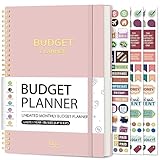
- Effective Budget Planning - Take control of your finances with the budget account book. This comprehensive planner allows you to plan and track your income, expenses, savings, and financial goals in one convenient place. With its intuitive layout and easy-to-use sections, you can stay organized and make informed decisions to achieve financial success.
- User-Friendly Layout - The budget planner features a user-friendly layout designed for easy navigation and organization. Each month, you'll find dedicated budget pages where you can set financial goals, track your income, and plan your expenses. Additional sections include debt trackers, savings goals, bill payment trackers, and more, making it simple to stay on top of your finances.
- Undated Monthly Calendar & Bonus Stickers - Featuring undated calendar each month, you'll have ample space to mark paydays, bills due, appointments, and important dates. Say goodbye to difficult writing spaces. Plus, we've included 3 cute sticker sheets that allow you to personalize your financial organizer and make budgeting more fun. Dates are not pre-printed and are completed by the user.
- Reliable and Convenient Design - Our monthly budget planner is designed for your convenience and built to last. The elastic band keeps everything securely in place, and the dual-sided pocket provides extra storage. Experience a budget planner that combines practicality and durability.
- Master Budgeting with Ease - Our financial planner includes a complete guidebook that provides valuable insights and instructions for optimal usage. From setting financial goals to tracking expenses, this guidebook offers step-by-step guidance and practical tips. Whether you're new to budgeting or an experienced user, this resource will help you make the most of your budget planner, empowering you to achieve financial success.
Compared to Monarch, Simplifi provides fewer customization and reporting tools, but it maintains solid account connectivity and a lower annual cost. Its long-standing association with Quicken contributes to relatively transparent data practices, though privacy controls are less granular. Simplifi is well-suited for users seeking reliable automation without advanced analytics.
Copilot Money: Premium Automation for iOS-Centric Users
Copilot Money targets users who prioritize design clarity and intelligent automation within the Apple ecosystem. The app excels at transaction classification using merchant recognition and behavioral learning, reducing the need for manual corrections. Budgeting is presented through spending trends and dynamic limits rather than fixed envelopes.
The primary limitation is platform compatibility, as Copilot remains restricted to iOS, iPadOS, and macOS. Pricing aligns with premium positioning, and the subscription model avoids advertising-based incentives. For users fully committed to Apple devices, Copilot offers one of the most polished hands-off budgeting experiences available.
Rocket Money: Automation with Trade-Offs
Rocket Money provides automated expense tracking, bill monitoring, and subscription management, making it appealing for users focused on reducing recurring costs. Account linking and transaction categorization are largely automatic, and alerts help identify unusual spending patterns. These features require minimal setup and ongoing attention.
However, the app’s revenue model includes optional paid tiers and monetization through financial product referrals. While security controls meet industry standards, data privacy trade-offs are more pronounced than in subscription-only competitors. Rocket Money fits users prioritizing simplicity and bill awareness over detailed budgeting control.
How to Interpret “Best Overall” for Automated Budgeting
“Best overall” does not imply universal suitability but rather consistent performance across core evaluation dimensions. These include automation reliability, clarity of financial insights, reasonable pricing relative to features, and responsible data handling. Apps excelling in hands-off budgeting tend to favor awareness and adaptability over strict behavioral enforcement.
For most households in 2026, the optimal choice depends on tolerance for subscription costs, desired level of customization, and platform preferences. Understanding these trade-offs is essential before comparing more specialized or manual budgeting tools in subsequent categories.
Best Budgeting Apps for Zero-Based and Envelope Budgeters (YNAB-Style & Alternatives)
While automated budgeting emphasizes pattern recognition and spending awareness, zero-based and envelope budgeting tools prioritize intentional cash allocation. Zero-based budgeting assigns every dollar of income to a specific category before it is spent, ensuring income minus planned expenses equals zero. Envelope budgeting is a behavioral variant that restricts spending by category limits, historically using physical envelopes and now implemented digitally.
These approaches require greater user engagement but offer stronger behavioral control and predictability. They are most effective for households seeking to reduce discretionary spending, stabilize cash flow, or recover from financial disorganization. The apps in this category trade automation depth for transparency, rule enforcement, and active decision-making.
You Need A Budget (YNAB): Category Control and Behavioral Discipline
YNAB remains the benchmark for digital zero-based budgeting in 2026. The platform requires users to assign every available dollar to a category, with spending constrained by the remaining balance in each category. This structure enforces real-time trade-offs and makes opportunity cost visible, meaning spending in one area directly limits another.
Automation exists through bank syncing and transaction imports, but YNAB intentionally avoids predictive budgeting or auto-adjusted category limits. Users must manually approve and categorize transactions, reinforcing awareness and accountability. This design favors behavior change over convenience and is especially effective for variable-income households.
Crashes, No Sound, or Screen Glitches?
Random freezes, missing sound and display glitches usually trace back to one bad driver. Find and replace yours safely.Free scan · under a minutePC Slower Than It Used to Be?
A free scan shows the junk files, broken settings and background clutter dragging Windows down - then fixes them in one click.Free scan · Windows 10 & 11Pricing reflects a premium educational product, with a single subscription tier and no advertising or referral monetization. Platform support includes iOS, Android, and web access, and security controls meet modern aggregation standards. YNAB is best suited for users willing to invest time weekly to maintain budget accuracy.
Goodbudget: Traditional Envelope Budgeting with Limited Automation
Goodbudget implements a classic envelope system using predefined spending categories funded at the start of each month. Unlike YNAB, it does not require zeroing out every dollar, making it less strict but also less precise. The envelope balances act as spending caps rather than dynamic planning tools.
The app relies primarily on manual transaction entry, with limited bank syncing depending on plan tier and region. This reduces data sharing but increases the risk of delayed or incomplete tracking. As a result, Goodbudget favors users who value simplicity and privacy over real-time accuracy.
Pricing includes a free tier with restricted envelopes and devices, alongside paid plans for expanded functionality. Platform compatibility covers iOS, Android, and web. Goodbudget fits households seeking a low-tech, low-cost introduction to envelope budgeting without intensive financial forecasting.
Free tools Windows power users keep installed
One-click scans. No signup required.
EveryDollar: Simplified Zero-Based Budgeting with Ecosystem Lock-In
EveryDollar applies zero-based budgeting principles through a streamlined interface designed for rapid category setup. The budgeting flow is linear and intuitive, making it accessible for beginners. However, advanced customization and reporting are limited compared to YNAB.
Bank syncing and automation require a paid tier and are tightly integrated with a broader financial education ecosystem. Transaction categorization is semi-automatic but less flexible when adjusting historical data. This structure can constrain users with complex or irregular cash flows.
The app is available on iOS, Android, and web, with pricing positioned below YNAB for the paid version. Data privacy is adequate, though product cross-promotion is embedded within the experience. EveryDollar is most appropriate for users seeking a guided, rules-based budgeting framework with minimal configuration.
Monarch Money (Envelope-Style Hybrid)
Monarch Money, while not a pure envelope budgeting tool, offers category-based budgeting that can approximate envelope behavior. Users can set category limits, track remaining balances, and roll over unused funds, enabling a softer form of spending containment. This flexibility appeals to users transitioning from automated budgeting toward more intentional control.
Automation and customization are more robust than in traditional envelope apps, including advanced reporting and rule-based categorization. However, Monarch does not enforce zero-based allocation, allowing unassigned income to remain unplanned. This reduces behavioral rigidity but increases adaptability.
The app operates on a subscription-only model with strong data privacy positioning and broad platform support. Monarch suits users who want envelope-like visibility without the strict discipline required by YNAB-style systems.
Choosing Between Strict Control and Behavioral Flexibility
Zero-based and envelope budgeting apps vary primarily in how strictly they enforce financial rules. YNAB represents the most rigorous implementation, while tools like Goodbudget and Monarch allow more discretion. Increased rigidity often improves spending control but demands greater time and consistency.
Households selecting among these tools should evaluate tolerance for manual interaction, income variability, and desired privacy levels. Unlike automated budgeting apps, success in this category depends less on software intelligence and more on user engagement. Understanding this trade-off is essential before moving to hybrid or goal-based budgeting solutions in subsequent categories.
Best Free and Low-Cost Budgeting Apps (Value Without Premium Subscriptions)
After evaluating structured and subscription-based budgeting tools, attention naturally shifts to applications that deliver meaningful budgeting functionality with little or no ongoing cost. Free and low-cost budgeting apps prioritize accessibility, often relying on advertising, optional upgrades, or affiliated financial products rather than mandatory subscriptions. These tools are most appropriate for users who want expense awareness and basic cash-flow tracking without committing to premium pricing.
While cost efficiency is the defining feature of this category, trade-offs are common. Automation depth, customization, and long-term data controls are typically more limited than in paid platforms. Understanding these constraints is essential when selecting a tool designed to deliver value without recurring fees.
Rank #3

- Effective Budget Planning - Take control of your finances with the budget account book. This comprehensive planner allows you to plan and track your income, expenses, savings, and financial goals in one convenient place. With its intuitive layout and easy-to-use sections, you can stay organized and make informed decisions to achieve financial success.
- User-Friendly Layout - The budget planner features a user-friendly layout designed for easy navigation and organization. Each month, you'll find dedicated budget pages where you can set financial goals, track your income, and plan your expenses. Additional sections include debt trackers, savings goals, bill payment trackers, and more, making it simple to stay on top of your finances.
- Undated Monthly Calendar & Bonus Stickers - Featuring undated calendar each month, you'll have ample space to mark paydays, bills due, appointments, and important dates. Say goodbye to difficult writing spaces. Plus, we've included 3 cute sticker sheets that allow you to personalize your financial organizer and make budgeting more fun. Dates are not pre-printed and are completed by the user.
- Reliable and Convenient Design - Our monthly budget planner is designed for your convenience and built to last. The elastic band keeps everything securely in place, and the dual-sided pocket provides extra storage. Experience a budget planner that combines practicality and durability.
- Master Budgeting with Ease - Our financial planner includes a complete guidebook that provides valuable insights and instructions for optimal usage. From setting financial goals to tracking expenses, this guidebook offers step-by-step guidance and practical tips. Whether you're new to budgeting or an experienced user, this resource will help you make the most of your budget planner, empowering you to achieve financial success.
Empower Personal Dashboard (Formerly Personal Capital)
Empower Personal Dashboard offers one of the most robust free financial tracking platforms available as of March 2026. The app focuses on account aggregation, net worth tracking, and spending categorization rather than active budgeting enforcement. Cash flow tools summarize income and expenses but do not impose category limits or spending rules.
Automation is strong, with reliable bank syncing and asset tracking across checking, credit, loans, and investments. However, budgeting controls remain passive, making the platform better suited for financial monitoring than behavior change. Data security is institution-grade, though frequent prompts for wealth management services are embedded throughout the experience.
The Tool Desk
Outbyte PC Repair FREERepair Windows errors before they cause bigger problemsFix Now →Outbyte Driver Updater FREEFix the driver behind crashes, sound loss and screen glitchesFind Drivers →NerdWallet App (Spending Insights With Educational Integration)
The NerdWallet app provides free expense tracking and budget snapshots tied to account aggregation. Rather than enforcing budgets, it highlights spending trends, recurring bills, and credit utilization, defined as the percentage of available credit currently in use. This makes it especially useful for users focused on credit health and financial literacy.
The platform integrates educational content and product comparisons alongside budgeting tools. While this enhances consumer understanding, it also introduces affiliate-driven recommendations. Privacy standards are transparent, but users should expect marketing-driven prompts in exchange for free access.
EveryDollar Free Version (Manual Zero-Based Entry)
The free version of EveryDollar maintains its zero-based budgeting structure but removes bank synchronization. Users manually enter transactions and assign every dollar of income to a category, reinforcing intentional spending habits. This manual process increases engagement but requires consistency.
Without automation, usability depends heavily on user discipline. Data privacy is straightforward, though the free version includes promotion of premium upgrades and affiliated financial programs. This option fits users who value budgeting structure over convenience and prefer hands-on control.
Goodbudget Free Tier (Envelope Budgeting Without Automation)
Goodbudget’s free tier offers digital envelope budgeting with strict limits on the number of envelopes and linked devices. Envelope budgeting allocates funds into predefined categories to control spending behavior. Transactions are entered manually, reinforcing awareness but increasing time requirements.
Platform compatibility includes mobile and web access, though syncing across devices is constrained unless upgraded. The absence of ads and minimal cross-promotion strengthen its privacy profile. Goodbudget is best for households committed to envelope discipline without reliance on automation.
Honeydue (Shared Household Budgeting)
Honeydue is a free budgeting app designed for couples and shared finances. It supports account syncing, transaction categorization, and bill reminders while allowing users to control which financial details are shared. This selective visibility reduces friction in joint money management.
Budgeting features are basic, focusing on awareness rather than enforcement. Monetization relies on optional tips rather than subscriptions, which limits feature expansion but preserves accessibility. Honeydue is most appropriate for households prioritizing transparency over granular budgeting control.
Wallet by BudgetBakers (Feature-Rich With Optional Upgrade)
Wallet by BudgetBakers provides a generous free tier that includes manual budgeting, spending analytics, and multi-currency support. Automated bank syncing is limited without upgrading, but manual tools remain highly functional. Budget categories and spending limits can be customized extensively.
The app supports mobile and web platforms with strong data visualization. Privacy controls are clear, and advertising is minimal. Wallet suits users seeking analytical depth without mandatory subscription costs, particularly those comfortable with partial manual input.
Key Trade-Offs in Free and Low-Cost Budgeting Tools
Compared to subscription-based apps, free budgeting platforms generally emphasize visibility over control. Automation, defined as automatic transaction importing and categorization, is often restricted or absent. In exchange, users gain cost-free access to foundational financial tracking tools.
Security standards across reputable free apps remain strong, but monetization through advertising or product referrals is common. Selecting among these tools requires balancing tolerance for manual effort, comfort with marketing exposure, and desired depth of budgeting enforcement.
What’s actually slowing this PC down?
Pick the symptom - the matching free tool is one click away.
Best Budgeting Apps for Couples, Families, and Shared Finances
Managing shared finances introduces additional complexity beyond individual budgeting. Multiple income sources, joint and separate accounts, uneven spending authority, and differing financial priorities require tools that support transparency without forcing uniform behavior. The most effective apps in this category emphasize permission controls, collaborative workflows, and clear attribution of spending.
Compared with solo budgeting tools discussed earlier, shared-finance apps must balance enforcement with flexibility. Automation remains important, but communication features, auditability of transactions, and role-based access often matter more for household harmony than strict category limits.
Monarch Money (Best Overall for Collaborative Household Budgeting)
Monarch Money is a subscription-based budgeting platform designed explicitly for multi-person households. It supports unlimited collaborators, shared and individual accounts, and real-time synchronization across users. Transactions can be labeled by owner, allowing couples to distinguish personal spending from joint obligations.
Budgeting is category-based with monthly targets, meaning spending limits are set by category rather than by physical cash envelopes. Automation is robust, including bank syncing, transaction rules, and recurring expense detection. Security practices include read-only bank connections and encryption, consistent with industry standards.
Quick wins for a faster PC:
Clear out junk files and repair common Windows errorsFree Scan →Fix the driver behind crashes, sound loss and screen glitchesFind Drivers →Repair Windows errors before they cause bigger problemsFix Now →Monarch is best suited for households seeking a unified financial dashboard with minimal manual effort. The annual subscription cost is higher than average, but feature depth and collaboration tools justify the expense for families managing complex cash flows.
YNAB (You Need A Budget) Together (Best for Behavior-Driven Shared Budgets)
YNAB uses a zero-based budgeting system, defined as assigning every dollar of income a specific job before it is spent. The YNAB Together feature allows multiple users to access and manage a single household budget under one subscription. All participants see the same categories, balances, and spending activity.
Automation includes bank syncing, but the system strongly emphasizes active decision-making and regular budget maintenance. Shared accountability is a core design principle, which can strengthen alignment but may feel restrictive for households preferring looser controls. Educational resources are extensive and integrated into the app.
YNAB is most appropriate for couples or families committed to frequent budget check-ins and disciplined cash allocation. It is less suitable for users seeking passive tracking or minimal engagement.
Goodbudget (Best for Envelope-Style Family Budgeting)
Goodbudget applies the digital envelope budgeting method, where income is allocated into spending envelopes representing categories such as groceries or utilities. Envelopes can be shared across multiple devices, enabling synchronized family budgeting without bank-level automation.
The free tier limits the number of envelopes and accounts, while the paid version expands capacity and enables cloud backup. Transactions are entered manually, which increases effort but enhances awareness and reduces reliance on financial data aggregation. Security exposure is lower due to the absence of bank syncing.
Goodbudget fits households that value intentional spending discussions and clear category boundaries. It is particularly effective for families teaching budgeting concepts to teenagers or coordinating variable household expenses.
Rank #4

- ALL-IN-ONE B5 BUDGET PLANNER: With 15+ Functional Inserts –it covers every money-management pain point for beginners & pros. Stop juggling messy notebooks or incomplete trackers! The budget planner includes, monthly budget, bill expense detail, debt tracker, bill tracker, saving tracker...matches 90% of "how to manage money" search queries
- DURABLE BUDGET BOOK: Our budget organizer features a PVC waterproof cover and elastic band—no more ruined pages, made of 100GSM thick paper—no smudges or ghosting, coming with a heavy-duty double spiral binding—lays flat for easy writing. Built for daily use: toss it in your work bag, backpack, or purse without worry
- CONVENIENT B5 SIZE (7.3”X10.15”): No more choosing between "too small to write" or "too bulky to carry"! The B5 budget planner gives ample space to log expenses, note bill due dates, or map financial goals—without being cumbersome. Fits easily in laptop bags, backpacks, or purses—perfect for "on-the-go budget tracking
- UNMATCHED VALUE & COMPREHENSIVE GUIDEBOOK: Comes with 5 practical, high-quality freebies crafted, plus a comprehensive user guide that takes the guesswork out of financial planning. You’ll get: PVC waterproof colorful monthly tabs & wide range of label stickers, a ribbon bookmark, an elastic pen holder, a elastic band, an inner pocket, and a detailed step-by-step user guide handbook
- VISUAL CLARITY & LESS FATIGUE: Unlike plain black-and-white budget planners, our vivid color highlights reduce eye strain during long budgeting sessions, helping you track expenses, savings, and bills quickly and accurately. It’s the perfect fit for working professionals, international students, family financial managers, freelancers, new graduates, retirees
Honeydue Revisited: Transparency Without Full Integration
As noted previously, Honeydue occupies a lighter-weight position within the shared finance category. Its selective sharing controls allow partners to disclose balances and transactions without fully merging financial lives. This design supports trust-building while preserving autonomy.
Do these 3 things before closing this tab:
1Fix the driver behind crashes, sound loss and screen glitches2Repair Windows errors before they cause bigger problems3Scan for outdated or missing drivers - takes under a minuteHowever, budgeting tools remain limited compared with subscription platforms. Category limits, forecasting, and long-term planning features are minimal. Honeydue works best as a financial visibility tool rather than a comprehensive household budgeting system.
Security, Privacy, and Data Governance in Shared Accounts
Shared budgeting apps expand the number of users with access to sensitive financial data, increasing the importance of permission controls. Leading platforms allow read-only access, account-level sharing, and device-based authentication. Encryption of data both in transit and at rest is standard among reputable providers.
Privacy policies vary in how aggregated data is used for analytics or product development. Subscription-based apps generally rely less on advertising or data monetization than free tools. Reviewing data retention practices is especially important when children or extended family members are included as users.
Selecting the Right Tool for Household Dynamics
The optimal budgeting app for shared finances depends less on household size and more on decision-making style. Highly collaborative households benefit from unified budgets and strict rules, while others require flexible visibility without centralized control. Automation reduces friction, but excessive rigidity can undermine adoption.
Free tools Windows power users keep installed
One-click scans. No signup required.
Evaluating these tools requires aligning technical features with interpersonal realities. An app that supports clear communication, appropriate boundaries, and consistent usage will outperform a more advanced platform that household members resist using.
Independent reader supportYour contribution helps us test, update, and keep practical guides available for everyone.Best Budgeting Apps for Irregular Income, Freelancers, and Gig Workers
Where shared household budgeting emphasizes coordination between people, irregular-income budgeting prioritizes timing, variability, and liquidity. Freelancers and gig workers face income volatility, inconsistent pay cycles, and higher responsibility for taxes and benefits. Effective budgeting tools in this category must support cash-flow awareness rather than static monthly assumptions.
Unlike salaried households, these users benefit from systems that separate income receipt from spending decisions. Features such as income smoothing, sinking funds, and flexible category reallocation are more important than rigid monthly caps. Automation remains valuable, but manual control often plays a larger role.
YNAB (You Need A Budget): Cash-Flow Control Over Calendar-Based Budgets
YNAB remains the most purpose-built budgeting app for irregular income as of March 2026. Its zero-based budgeting framework assigns every available dollar a job, regardless of when it arrives. Zero-based budgeting means income is allocated to categories only after it is received, not projected.
Recommended Free Tools
This approach reduces reliance on income forecasting and encourages users to build a buffer. The concept of “aging money,” which measures how long income sits before being spent, helps smooth volatility over time. YNAB is subscription-based, with higher learning demands but strong educational support.
Monarch Money: High-Flexibility Planning With Manual Overrides
Monarch Money has expanded its appeal to freelancers by allowing flexible monthly targets and rolling category balances. Users can adjust budgets dynamically as income fluctuates, rather than resetting limits each month. This structure supports variable cash inflows without forcing strict zero-based discipline.
The platform includes robust net worth tracking and goal-based savings, which are useful for self-employed users managing tax reserves and irregular expenses. Monarch is subscription-based and emphasizes privacy, with no advertising-driven data monetization. Its strength lies in adaptability rather than prescriptive rules.
Simplifi by Quicken: Income Tracking With Predictive Cash Flow
Simplifi offers a cash-flow projection model that accounts for known bills and expected income ranges. While not strictly designed for freelancers, it allows users to mark income as irregular and monitor spending against rolling balances. Predictive cash flow refers to estimating future account balances based on scheduled transactions.
Windows Errors? Fix Them Before They Spread
Repair common Windows errors and clear accumulated junk for a smoother, more stable PC - no reinstall needed.Free scan · no reinstallCrashes, No Sound, or Screen Glitches?
Random freezes, missing sound and display glitches usually trace back to one bad driver. Find and replace yours safely.Free scan · under a minuteThis approach works best for gig workers with semi-predictable income patterns rather than highly variable freelance work. Simplifi’s interface is less granular than YNAB but easier to adopt. Pricing is moderate and typically lower than full-featured zero-based platforms.
Copilot Money: Transaction-Level Insight for Variable Earners
Copilot Money focuses on real-time transaction analysis and customizable spending categories. Instead of enforcing a formal budget structure, it emphasizes awareness through spending trends and alerts. This model suits users whose income varies but who maintain consistent spending habits.
Copilot is particularly strong on Apple platforms, with limited cross-platform availability as of 2026. It is subscription-based and prioritizes local data processing for privacy. The lack of formal income planning tools makes it better suited for monitoring than long-term stabilization.
Security, Tax Segmentation, and Business-Personal Separation
Freelancers and gig workers often commingle business and personal transactions, increasing the importance of category precision. Leading apps allow custom categories and notes to flag deductible expenses, though most are not substitutes for accounting software. Separating tax reserves into dedicated categories or accounts is a common best practice supported by these tools.
Recommended Free Tools
Security standards are consistent with household-focused apps, including encryption and multi-factor authentication. However, users should review whether platforms support multiple account profiles or tags to distinguish income sources. This becomes critical during audits or year-end tax preparation.
Selecting the Right Tool for Income Volatility
The most effective budgeting app for irregular income depends on tolerance for structure versus flexibility. Rule-based systems like YNAB favor long-term stability, while adaptive tools like Monarch or Simplifi prioritize responsiveness. No platform eliminates income uncertainty, but the right design can reduce financial stress and improve decision-making consistency.
Evaluating these tools requires examining how income timing, expense variability, and savings goals interact. Apps that align with actual cash flow patterns, rather than idealized monthly models, are more likely to remain useful over time.
Security, Data Privacy, and Bank Connectivity: What You Need to Know Before Choosing an App
As budgeting tools become more automated and data-driven, security and connectivity considerations carry equal weight to features and pricing. Most modern apps rely on continuous access to bank and credit accounts to categorize transactions and monitor cash flow. Understanding how that access is granted, protected, and limited is essential before committing to any platform.
Windows Errors? Fix Them Before They Spread
Repair common Windows errors and clear accumulated junk for a smoother, more stable PC - no reinstall needed.Free scan · no reinstallOutdated Drivers Are Slowing You Down
One free scan finds every outdated or missing driver and matches the right update for your exact hardware.Free scan · exact hardware matchBank Connectivity and Data Aggregation
Nearly all leading budgeting apps use third-party data aggregators, such as Plaid, MX, or Finicity, to connect with banks and credit card issuers. Data aggregation refers to the process of securely pulling transaction data from financial institutions into a separate app via application programming interfaces (APIs). This allows read-only access, meaning the app can view balances and transactions but cannot move money.
Connectivity reliability varies by institution and aggregator. Some regional banks, credit unions, and employer-sponsored retirement plans may have inconsistent syncing or delayed updates. Users with complex financial ecosystems should verify supported institutions before selecting an app, as frequent connection failures can undermine budgeting accuracy.
Encryption, Authentication, and Account Protection
Reputable budgeting apps use encryption to protect data both in transit and at rest. Encryption converts sensitive information into unreadable code unless accessed with the correct cryptographic key, reducing exposure in the event of a breach. Transport Layer Security (TLS) is the standard for data moving between devices and servers, while encrypted databases protect stored information.
Multi-factor authentication (MFA) has become standard by 2026 across premium and mainstream platforms. MFA requires a second verification step, such as a one-time code or biometric scan, in addition to a password. Apps that offer biometric login at the device level further reduce the risk of unauthorized access if a phone or computer is compromised.
Quick wins for a faster PC:
Repair Windows errors before they cause bigger problemsFix Now →Scan for outdated or missing drivers - takes under a minuteDriver Scan →Clear out junk files and repair common Windows errorsFree Scan →Data Ownership, Monetization, and Privacy Policies
Data privacy practices vary significantly between free and subscription-based apps. Subscription models are less likely to rely on data monetization, which involves analyzing or sharing anonymized user data for advertising or product partnerships. Free apps may offset costs through aggregated data insights, even when individual identities are not disclosed.
Best Value
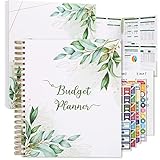
- Keep Track of Your Finances: Manage your personal and family’s finances with this monthly budget planner! Intuitive, comprehensive and fun, this budgeting planner allows you to keep track of your debts, expenses and bills, organize your spending and saving and optimize your budget for achieving your financial goals!
- Large Budgeting Planner: Our budget notebook features a large design of 8.5 x 11-inch that provides enough space for budgeting, financial planning and spending tracking but also for monthly reviews and building strategies for optimizing your budget!
- Well-Organized for Your Convenience: This budget book planner features an easy yet efficient template that includes a monthly budget with customizable categories, a debt tracker, a bill tracker, an expenses tracker as well as a section for financial goals and monthly review that will make things easier when it comes to budget planning!
- 12-Month Budget Management: Our budgeting book features a spiral-bound hardcover design made with high-quality 120gm thick paper and a 12-month undated design that allows you to start budget planning at any time of the year!
- Chic, Practical, Giftable: Featuring a superb boho cover and packed in a matching gift box, this budget book journal makes a lovely gift for a friend, family member or co-worker! The budget journal includes a special pocket for bills, receipts or other documents and comes with 5 stickers that will make your planning more fun and effective!
Privacy policies should clearly state whether data is sold, shared, or used for targeted offers. Users should also confirm whether they can delete their data permanently if they close an account. Apps that emphasize local data processing or minimal data retention tend to appeal to privacy-conscious households, particularly those managing sensitive income or expense patterns.
Read-Only Access and Liability Considerations
Budgeting apps generally operate under read-only permissions, which limits direct financial risk. If an app is compromised, attackers cannot initiate transfers or payments through the budgeting platform itself. However, exposure of transaction history and balances can still create privacy and fraud concerns.
Liability protections depend more on the underlying bank than the budgeting app. Federal regulations typically protect consumers from unauthorized transactions at the bank level, but users remain responsible for maintaining strong passwords and device security. Understanding this division of responsibility helps set realistic expectations about risk.
Platform Stability and Long-Term Access
Security and connectivity should also be evaluated over time, not just at sign-up. Apps with frequent ownership changes or unstable business models may alter data practices or lose bank integrations. Subscription-funded platforms with transparent roadmaps tend to offer more predictable security maintenance and faster responses to connectivity changes imposed by banks.
For households relying on budgeting data to track trends, interruptions in historical access can be disruptive. Reviewing export options, such as CSV file downloads, ensures that users retain control over their financial records regardless of future platform decisions.
How to Choose the Right Budgeting App for Your Financial Goals in 2026 (Decision Framework & Use Cases)
With security, privacy, and platform stability established, the final step is aligning a budgeting app’s design with specific financial objectives. No single app is universally “best.” Effectiveness depends on how well the app’s structure, automation level, and reporting tools match a household’s budgeting style and financial priorities.
A disciplined selection process reduces frustration, subscription waste, and incomplete adoption. The framework below organizes budgeting apps by core decision factors and common household use cases as of March 2026.
Step 1: Clarify the Primary Financial Objective
Budgeting apps are optimized for different goals, even when surface features appear similar. Some prioritize daily cash flow awareness, while others emphasize long-term planning or debt reduction. Identifying the dominant objective prevents feature overload or underutilization.
Common primary objectives include controlling discretionary spending, stabilizing irregular income, accelerating debt payoff, or improving long-term savings consistency. Apps that attempt to serve all goals equally often sacrifice clarity in execution.
Step 2: Choose a Budgeting Method That Matches Behavioral Preferences
Budgeting methods shape how users interact with money data. Zero-based budgeting assigns every dollar a job, meaning income minus planned expenses equals zero. Category-based budgeting focuses on spending limits by expense type, while cash-flow tracking emphasizes monitoring inflows and outflows without strict targets.
Users who prefer structure and manual decision-making tend to engage more with zero-based systems. Those seeking low effort and automation often prefer category tracking with alerts. Selecting a method aligned with behavioral tendencies improves long-term adherence.
Step 3: Evaluate Automation Versus Manual Control
Automation determines how much effort is required to maintain the budget. Highly automated apps sync transactions, categorize spending using algorithms, and generate insights with minimal user input. Manual or semi-manual apps require active categorization but provide greater awareness and intentionality.
Automation reduces time costs but may introduce categorization errors, especially for variable or merchant-ambiguous expenses. Manual control increases accuracy and engagement but demands consistent attention. The optimal balance depends on time availability and tolerance for adjustment.
Step 4: Assess Reporting Depth and Financial Insight Quality
Reporting tools translate raw transaction data into actionable understanding. Basic reports show spending by category or month. Advanced reports analyze trends, savings rates, net worth progression, and forecasted cash flow.
For beginners, simple visual summaries often suffice. Intermediate users benefit from longitudinal analysis that reveals behavioral patterns over time. The key criterion is whether reports answer practical questions, such as where spending is increasing or whether savings targets are being met.
Free tools Windows power users keep installed
One-click scans. No signup required.
Step 5: Match Pricing Structure to Usage Intensity
Pricing should be evaluated relative to frequency of use and feature reliance. Free apps often monetize through aggregated data or limited feature sets. Subscription-based apps typically offer deeper analytics, faster support, and more stable integrations.
Households actively budgeting weekly or managing multiple accounts often derive more value from paid platforms. Occasional users tracking general spending trends may find free or lower-cost options sufficient. Paying for unused features rarely improves outcomes.
Common Use Cases and Suitable App Profiles in 2026
For first-time budgeters, apps with automated transaction syncing, simple categories, and minimal setup reduce friction. Clear alerts and monthly summaries support habit formation without overwhelming detail.
For variable or freelance income households, apps with flexible income forecasting and rolling budgets are more effective. These platforms accommodate irregular cash flow and reduce the risk of false overspending signals during low-income months.
For debt-focused households, apps that track balances, interest rates, and payoff timelines provide clarity and motivation. Integration with credit accounts and progress visualization supports consistent repayment behavior.
For privacy-conscious users, locally processed data, limited third-party sharing, and manual account entry options are critical. These apps often trade convenience for greater control over financial information.
Platform Compatibility and Ecosystem Fit
Device compatibility and ecosystem integration affect daily usability. Apps should function consistently across mobile and desktop platforms if both are used. Export options and compatibility with tax software or spreadsheets add flexibility for advanced users.
Households already using digital banking tools should verify stable bank integrations. Frequent connection failures undermine confidence and reduce the usefulness of real-time data.
Final Selection Criteria and Long-Term Perspective
The most effective budgeting app is the one that supports consistent use over time. Feature depth matters less than clarity, reliability, and behavioral alignment. Switching apps frequently often disrupts historical data continuity and weakens financial insight.
In 2026, budgeting apps are mature tools rather than experimental products. Selecting one through a structured evaluation process allows households to focus less on software management and more on understanding and improving financial behavior over the long term.
Quick Recap
Product prices and availability are accurate as of the date/time indicated and are subject to change. Any price and availability information displayed on Amazon at the time of purchase will apply.




