Free tools Windows power users keep installed
One-click scans. No signup required.
There is not enough published evidence to say that enquiries for no-deposit home loans are growing in Australia. The latest official figures show first-home-buyer loan commitments rose over the year to the March quarter of 2026 but fell from the previous quarter—and commitments are not enquiries, nor do they identify buyers using zero-deposit loans.
What the figures say—and what they do not
The Australian Bureau of Statistics reported that first-home-buyer owner-occupier loan commitments were 5.0% higher over the year to the March quarter of 2026, but fell by 1,349 commitments, or 4.3%, from the previous quarter. The average first-home-buyer loan size rose 1.1% to $614,048 in that quarter. These figures describe lending commitments, not enquiries about no-deposit loans; they do not show how many borrowers used a zero-deposit arrangement. ABS, “New home loans fall in March quarter,” 13 May 2026.
The previous quarter had a stronger result: the ABS recorded 31,783 first-home-buyer owner-occupier loan commitments in the December quarter of 2025, up 6.8% on the quarter and 9.1% over the year. The ABS linked that activity to policy changes including expansion of the 5% Deposit Scheme and the introduction of Help to Buy. A quarterly fall followed, so neither result establishes a continuing rise in no-deposit enquiries. ABS, “First home buyer loans rise by 6.8 per cent,” 11 February 2026.
An enquiry, an application, a loan commitment, an approval and a scheme guarantee are different things. Without a direct enquiry series or a named lender or broker dataset measuring enquiries for zero-deposit products, a trend claim would go beyond the available evidence.
Do these 3 things before closing this tab:
1Repair Windows errors before they cause bigger problems2Fix the driver behind crashes, sound loss and screen glitches3Clear out junk files and repair common Windows errors#1 Best Overall

- SPEAKS YOUR LANGUAGE: Keys clearly labeled in residential mortgage finance terms like Loan AMT, Int, Term, PMT. This industry-standard calculator is super easy to use on all realty financing matters from finding a loan that works for your client to considering trust deeds investments, or finding remaining balances or balloon payments and much more
- CONFIDENTLY AND EASILY SOLVES: All your clients' financial questions whether they are buyers, sellers, investors or renters. Increase your perceived professionalism as a new agent, experienced broker or seasoned loan officer. Close more home sales and impress your clients with fast, accurate answers to all their real estate finance questions
- DEDICATED BUYER QUALIFYING KEYS: Enter client's income, debt and expenses to pre-qualify them to only show properties they can afford. Include tax, insurance and mortgage insurance then compare loan options and payment solutions to give your client choices before they make an offer to buy
- FIGURE OUT THE RIGHT LOAN: At the press of a button for jumbo, conventional, FHA/VA, or even 80:10:10 or 80:15:5 combo loans; check to see if ARMs or bi-weekly loans, quarterly payments or if interest-only payments are the answer; giving your client more choices; easily perform what if loan or tvm calculations Find loan amount, term, interest or PITI or PI payments
- BECOME AN INVALUABLE RESOURCE: Reduce your clients' confusion and uncertainty; ensuring they are able to make a purchase offer; knowing they can afford the down payment; and determining which is the right loan for them. Date-math for listings and contracts too. Comes with a protective slide cover, quick reference guide, pocket User's Guide, and long-life batteries
Can you get a home loan with no deposit?
Sometimes a borrower may be able to buy with little or no cash deposit through a lender’s guarantor arrangement, but availability and approval depend on the lender and the specific circumstances. “No deposit” is also used loosely: government-backed pathways that require a 5% or 2% deposit are low-deposit options, not zero-deposit loans. Consumer guides describe true zero-deposit borrowing as rare. Finder’s guide to no-deposit home loans; Mozo’s guide to zero-deposit home loans.
How the main pathways differ
| Pathway | Cash deposit | What supports the purchase | Key risk or condition |
|---|---|---|---|
| Australian Government 5% Deposit Scheme | At least 5% for eligible first-home buyers; eligible single parents or legal guardians with dependants may have a 2% minimum under the relevant guarantee pathway. | A government guarantee to the participating lender can help an eligible buyer purchase with a smaller deposit. | The borrower still needs to meet scheme rules and the lender’s credit and approval requirements, and remains responsible for the loan and its costs. |
| Guarantor loan | May be little or no cash deposit, depending on lender policy and the arrangement. | A guarantor, often a family member, offers equity in their property as additional security. | The guarantor’s property and finances may be exposed if the borrower defaults; the exact exposure depends on the contract. |
| Shared-equity help | May reduce the buyer’s upfront deposit burden. | A government or other partner shares ownership rather than simply guaranteeing a lender’s loan. | Current eligibility, availability and terms depend on the specific scheme; check official rules before relying on this route. |
What the 5% Deposit Scheme does—and does not do
The Australian Government’s 5% Deposit Scheme is a low-deposit option, not a zero-deposit home loan. Eligible first-home buyers need at least a 5% deposit. Eligible single parents or single legal guardians with dependants may qualify for a 2% minimum deposit pathway. Buyers apply through participating lenders, and the lender applies its own credit and approval criteria as well as the scheme’s conditions. The scheme was renamed from the Home Guarantee Scheme on 1 October 2025. Check the official information for current eligibility, property price caps, participating lenders and documentation requirements. Australian Government: buyer information; scheme FAQs.
Rank #2

- DEDICATED FUNCTION KEYS for Quick Financial Solutions: Clearly labeled function keys enable you to quickly and confidently provide financial answers and options for your clients, whether in the office, in the car or at an open house. Compare loan options and provide payment solutions to give your client choices
- INSTANT FINANCIAL PROBLEM SOLVING: Solve the financial questions your clients have whether they are buyers, investors or renters; increase your perceived professionalism and close more home sales by quickly answering real estate finance problems including remaining balances
- RESIDENTIAL REAL ESTATE FINANCE TERMS: Keys labeled in residential real estate finance terms like Loan AMT, Int, Term, PMT; Calculator is super easy to use to determine a mortgage loan that works for your client
- VERSATILE LOAN CALCULATION OPTIONS: Calculate 80:10:10 or 80:15:5 combo loans at the press of a button; check to see if ARMs or bi-weekly loans, quarterly payments or if interest-only payments are the answer; giving your client more choices
- COMES COMPLETE: Comes with a protective slide cover, quick reference guide, pocket user's guide, two long-life batteries, and 1-year warranty
The guarantee supports the lender; it is not a promise that the lender will approve an applicant, and it does not cancel the buyer’s debt or repayment obligations. The borrower remains responsible for loan repayments and costs.
Could your parents act as guarantors?
A parent or another eligible family member may be able to offer equity in their property as extra security, potentially helping a buyer bridge a deposit gap. This is not the same as giving the buyer a cash deposit, and it does not ensure that a lender will approve the loan. A guarantor could face financial loss if the borrower defaults, including risk to the property used as security. The amount at risk and the conditions for releasing the guarantee depend on the lender’s arrangement. Finder’s explainer.
The Tool Desk
Outbyte Driver Updater FREEFix the driver behind crashes, sound loss and screen glitchesFind Drivers →Outbyte PC Repair FREERepair Windows errors before they cause bigger problemsFix Now →Rank #3
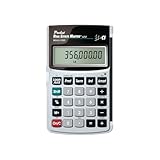
- Loan Amortization and Remaining Balances
- Instant Principal, Interest, Interest Only and Total Payments
- Future Values
- Date math function
Before anyone agrees, ask the lender to explain the guaranteed amount, the circumstances that could trigger a claim, the process and conditions for releasing the guarantee, and any advice requirements for the guarantor. Do not assume the guarantee is limited or that every lender offers the same structure.
Independent reader supportYour contribution helps us test, update, and keep practical guides available for everyone.What to check before choosing a pathway
- Actual deposit needed: Confirm whether the route requires a genuine cash deposit, such as 5% or 2%, or might allow borrowing with little or no cash deposit under a guarantor arrangement.
- Eligibility: Check first-home-buyer or other qualifying rules, prior ownership, residence and owner-occupation requirements, and property price caps against current scheme rules.
- Lender participation and approval: For a government scheme, confirm that the lender participates. In every case, ask about its separate credit assessment and loan conditions.
- Who carries the risk: Establish whether a guarantor’s property is security, or whether a shared-equity partner has an ownership interest, and what happens on default or sale.
- Affordability and costs: Compare the loan amount, repayments, fees and lender-specific conditions. A small deposit does not make the loan cheaper or more affordable by itself.
For a scheme application, use the official buyer page and FAQ to check current rules, then discuss the application with a participating lender. For a guarantor loan, get the lender’s explanation of the proposed guarantee in writing and make sure the guarantor understands the potential exposure before proceeding.
Quick Recap
Best Value
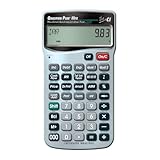
- SPEAKS YOUR LANGUAGE: Keys clearly labeled in residential mortgage finance terms like Loan Amt, Int, Term, Pmt; this industry-standard calculator is super easy to use on all realty financing matters from finding a loan that works for your client to considering trust deeds investments, or finding remaining balances or balloon payments and more
- CONFIDENTLY AND EASILY SOLVE: Clients' financial questions whether they're buyers, sellers, investors or renters. Increase your perceived professionalism as a new agent, experienced broker or seasoned loan officer. Close more home sales and impress your clients with fast, accurate answers to all their real estate finance questions from PITI Payments to IRR, NPV and Cashflows
- DEDICATED BUYER QUALIFYING KEYS: Enter client's income, debt and expenses to pre-qualify them to only show properties they can afford. Include tax, insurance and mortgage insurance then compare loan options and payment solutions to give your client choices before they make an offer to buy
- FIGURE OUT THE RIGHT LOAN: For your client at the press of a button for jumbo, conventional, FHA/VA, or even 80:10:10 or 80:15:5 combo loans; check to see if ARMs or bi-weekly loans, quarterly payments or if interest-only payments are the answer; giving your client more choices; easily perform what if loan or TVM calculations find loan amount, term, interest or PITI or PI payments
- BECOME AN INVALUABLE RESOURCE: To your clients by reducing their confusion and uncertainty; ensuring they are able to make a purchase offer; knowing they can afford the down payment; and determining which is the right loan for them. Date-math for listings and contracts too. Comes with a protective slide cover, quick reference guide, pocket user's guide, long-life battery, 1-year warranty
Rank #4

- Extra large 12-digit angled display.
- Loan Wizard.
- Automatic Tax Keys.
- Selectable decimal setting.
- Input any three loan variables to compute the fourth.
Product prices and availability are accurate as of the date/time indicated and are subject to change. Any price and availability information displayed on Amazon at the time of purchase will apply.




