Recommended Free Tools
Natural capital is the stock of natural assets; natural income is a useful plain-language name for the benefits that stock provides over time. A woodland, for example, is an asset. Timber, carbon storage, air-pollution absorption and recreation are possible benefits flowing from it. The terms help distinguish nature’s underlying assets from the services people receive.
What is natural capital?
In an economic framing, natural capital is the stock of renewable and non-renewable natural resources that can combine to produce benefits for people, directly or indirectly. It includes living resources such as plants and animals, as well as air, water, soils and minerals. The Dasgupta Review uses this stock-based framing: The Economics of Biodiversity: The Dasgupta Review.
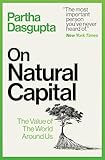


In natural capital accounting, the Office for National Statistics (ONS) describes environmental assets as naturally occurring living and non-living components of Earth that may provide benefits to humanity. Its accounts generally treat ecosystems as assets rather than accounting separately for every constituent part. ONS notes that there is no widely agreed definition of natural capital, so the framing matters: Principles of Natural Capital Accounting.
What is natural income?
Natural income is a helpful explanatory term for the flow of goods and services generated by natural capital during a period. It is not presented here as one universally agreed technical accounting term. ONS accounting instead distinguishes the asset stock from the services it provides each year, which can be recorded in physical units and, for selected services, monetary terms.
#1 Best Overall
For instance, the stock is a woodland; the flow might include a year’s timber production or recreation visits. Carbon sequestration and pollution absorption are other possible services. These are examples, not guarantees that every woodland provides each service at the same level.
What is the difference between natural capital and natural income?
| Concept | What it describes | Example |
|---|---|---|
| Natural capital | The natural asset stock, including its extent and condition | A woodland ecosystem |
| Natural income | The benefits or services flowing from assets over a period | Timber, recreation or carbon storage associated with that woodland |
The stock-versus-flow distinction is central. An asset’s condition affects its capacity to provide services, while a flow describes what it provides over a specified period. A monetary estimate of one annual service is not the same as the value of the asset that may support services into the future.
Examples of natural capital and its benefits
Natural assets may provide several benefits, and ecosystems often work together. A benefit may also depend on human inputs and location, so it should not automatically be attributed to one asset alone.
- Woodland: may provide timber or woody biomass, carbon sequestration, air-pollution absorption and recreation.
- Wetlands and floodplains: can contribute to flood protection and habitat-related services.
- Freshwater systems: may provide water and fish; water quality and quantity affect the asset’s condition and service capacity.
- Soils and farmland ecosystems: support food production and other ecosystem contributions.
- Non-living natural resources: groundwater, oil and gas fit within the wider natural-capital framing, even though not all natural capital is an ecosystem.
What counts as an ecosystem service?
An ecosystem service is an ecosystem’s contribution to benefits people receive. ONS groups examples into broad classes:
Outdated Drivers Are Slowing You Down
One free scan finds every outdated or missing driver and matches the right update for your exact hardware.Free scan · exact hardware matchWindows Errors? Fix Them Before They Spread
Repair common Windows errors and clear accumulated junk for a smoother, more stable PC - no reinstall needed.Free scan · no reinstall- Provisioning: goods such as food and water.
- Regulating: contributions such as flood protection and pollution removal.
- Cultural: benefits such as recreation.
These services describe contributions to human benefits; they are not a complete measure of nature’s intrinsic or total value. Not every service is covered by accounts or reliably expressed in money.
Independent reader supportYour contribution helps us test, update, and keep practical guides available for everyone.How natural capital accounts measure stocks and flows
ONS describes accounts that record the extent and condition of natural assets, annual service flows in physical and monetary terms, and monetary asset values based on expected service flows over a reasonably predictable time horizon. UK accounts follow the UN System of Environmental-Economic Accounting Ecosystem Accounting guidance. See the UK natural capital accounts quality and methods guide and the UK natural capital accounts: 2025.
An annual service value describes a service over a year; an asset value estimates the expected future stream of services over a reasonably predictable period. Neither should be read as a complete price for nature. Accounts are measurement tools, and ONS cautions that their coverage is incomplete and that methodological or coverage changes can affect comparisons. When comparing figures, check the geography, asset or ecosystem, services included, accounting period, physical or monetary basis, valuation method, and whether coverage or methods changed. ONS account publications document this context: UK natural capital accounts: 2022 and UK natural capital accounts: 2024.
Quick Recap
Best Value
Product prices and availability are accurate as of the date/time indicated and are subject to change. Any price and availability information displayed on Amazon at the time of purchase will apply.
Quick wins for a faster PC:
Scan for outdated or missing drivers - takes under a minuteDriver Scan →Repair Windows errors before they cause bigger problemsFix Now →



