The European Commission opened an antitrust investigation into Google on December 9, 2025, examining whether the company uses publishers’ and creators’ content for AI products on unfair terms. The inquiry covers AI Overviews and AI Mode in Google Search, as well as the possible use of YouTube uploads to train Google’s generative-AI models. The Commission has not concluded that Google broke competition law.
What the European Commission is investigating
This is a European Commission antitrust investigation, not a lawsuit seeking damages for individual publishers and not a final ruling. The Commission is assessing whether Google’s practices may distort competition by giving its own AI services privileged access to online content, imposing unfair terms on publishers or creators, or putting rival AI developers at a disadvantage. The Commission’s announcement sets out the official framing.

AI Overviews and AI Mode
The search-related inquiry concerns AI Overviews, which provide AI-generated summaries within Google Search, and AI Mode, a more conversational AI-driven search experience. The question is whether Google uses web-publisher content to generate these answers without appropriate compensation or a meaningful way for publishers to refuse that use while keeping their content available in ordinary Search. The December 9, 2025 report describes the products and the concerns raised at the investigation’s launch.
Publisher choice and access to Search
A key issue is whether publishers can refuse AI use without also sacrificing ordinary Google Search visibility. A technical setting or crawler instruction would not necessarily settle the competition question if using it could substantially undermine a publisher’s ability to be found through Search. The Commission is examining whether publishers have a meaningful, non-destructive refusal option; that does not establish that every publisher has been denied every form of opt-out.
Do these 3 things before closing this tab:
1Scan for outdated or missing drivers - takes under a minute2Clear out junk files and repair common Windows errors3Fix the driver behind crashes, sound loss and screen glitches#1 Best Overall

- Attention-grabbing design meets the latest evolution of the Google Pixel Camera on the new Google Pixel 11 Pro XL; Gemini Intelligence helps manage details so you can live in the moment[1]; and the phone is available in two sizes
- Unlocked Android phone gives you the flexibility to change carriers and choose your own data plan: Works with Google Fi, Verizon, T-Mobile, AT&T, and other major carriers[2]
- Stay informed without looking at your screen: When your phone is face down, Pixel HiLight gently alerts you with subtle glowing lights when your favorite contacts are calling or you’re talking with Gemini; exclusive to Google Pixel 11 Pro phones
- Magic Capture catches the moment as you live it: With just one tap, Pixel 11 Pro captures video and photos, and automatically edits, crops, and unblurs a curated collection, ready to share – and you get the memory of how it felt to be in the moment
- Two new cameras for more brilliant photos: A larger telephoto sensor captures 30% more light for clear, beautiful photos and videos, even in the dark[3]; Pixel’s longest zoom ever helps you capture details from impressive distances[4]
YouTube and model training
The YouTube issue is related but distinct. The Commission is examining whether Google used videos uploaded to YouTube to train its generative-AI models without compensating creators or giving them a meaningful ability to refuse. It is also assessing whether Google’s access to that material gives its own AI systems an advantage over rivals. The reported scope does not establish that a particular named model was trained on YouTube content. Reuters’ coverage of the investigation describes both the publisher-content and YouTube concerns.
Why this is an antitrust case, not only a copyright dispute
Copyright law generally asks whether protected material was copied, reproduced, transformed, or used for training unlawfully. Antitrust law asks a different question: whether a company used market power, platform control, access advantages, or contractual terms in a way that harms competition. The two questions can overlap, but neither automatically answers the other.
Rank #2

- Google Pixel 10a is a durable, everyday phone with more[1]; snap brilliant photography on a simple, powerful camera, get 30+ hours out of a full charge[2], and do more with helpful AI like Gemini[3]
- Unlocked Android phone gives you the flexibility to change carriers and choose your own data plan; it works with Google Fi, Verizon, T-Mobile, AT&T, and other major carriers
- Pixel 10a is sleek and durable, with a super smooth finish, scratch-resistant Corning Gorilla Glass 7i display, and IP68 water and dust protection[4]
- The Actua display with 3,000-nit peak brightness shows up clear as day, even in direct sunlight[5]
- Plan, create, and get more done with help from Gemini, your built-in AI assistant[3]; have it screen spam calls while you focus[6]; chat with Gemini to brainstorm your meal plan[7], or bring your ideas to life with Nano Banana[8]
The Commission’s competition theory is that Google may be able to obtain or use content through its position in Search or YouTube, deploy it in its own AI products, and potentially reduce visits to original sources through generated answers—while rival AI developers cannot secure equivalent access on comparable terms. That could raise concerns about unfair trading conditions, self-preferencing, or exclusion of competitors. It is an allegation to be tested, not an established finding that Google has foreclosed rivals or diverted traffic.
Search indexing, retrieval at the time of a query, AI-generated summaries, and training a model are not interchangeable activities. A citation in an answer may send a reader to a publisher, but a link does not by itself establish compensation or resolve whether access conditions are fair. Likewise, a copyright licence could address permission or payment while leaving a separate question about whether rivals can compete on equal terms.
Free tools Windows power users keep installed
One-click scans. No signup required.
Rank #3

- Google Pixel 10 Pro is the ultimate Pixel experience, featuring advanced AI with Gemini, unbelievable camera quality, impeccable design in two sizes, and the next-gen Google Tensor G5 chip[1]
- Unlocked Android phone gives you the flexibility to change carriers and choose your own data plan[2]; it works - Google Fi, Verizon, T-Mobile, AT&T, and other major carriers
- Get a head start on syncing your data before it even arrives: After you purchase your new Pixel, look for an email that explains how to transfer your photos, videos, passwords, and more in just a few quick steps[11]
- Pixel’s pro camera system makes everything look amazing, even in low light; capture more of the scene with advanced Google AI models, and bring out incredible details with 100x Pro Res Zoom, stunning 50 MP images, and super steady videos in 8K[10]
- Pixel 10 Pro is built with durable aluminum and Corning Gorilla Glass Victus 2 for scratch and drop resistance; the 6.3-inch Super Actua display with 3,300-nit peak brightness is easy on the eyes, even in direct sunlight[3,13,18]
What Google says—and what remains undecided
Google said the complaint risked stifling innovation in a competitive market and that it would continue working with news and creative industries as they adapt to AI, according to TechCrunch’s report. That is Google’s stated position, not a conclusion established by the Commission.
Opening proceedings means the Commission will investigate its concerns; it does not prejudge the outcome. The available announcement confirms the opening of the inquiry, but does not establish an infringement finding, fine, settlement, remedy, or closure. The Commission’s launch statement likewise cautions that opening an investigation is not a decision on the case’s merits.
Independent reader supportYour contribution helps us test, update, and keep practical guides available for everyone.Why publishers, creators, and rival AI firms care
For publishers, AI answers may offer visibility or links, while also creating a risk of fewer visits to the original site if a summary satisfies the reader’s question. Whether that trade-off occurs, and how it affects any individual publisher, is not established by the investigation’s launch. The practical concern is bargaining power: a publisher may value Search referrals so highly that refusing AI use is difficult even if it would prefer different terms.
Creators face a related but separate issue on YouTube. Rights and contractual arrangements can differ among independent creators, music rights holders, studios, and licensed partners, so the inquiry should not be read as establishing one uniform arrangement for all uploads. For rival AI developers, the concern is whether they can obtain content access comparable to Google’s, not simply whether any one publisher has been paid.
The Tool Desk
Outbyte PC Repair FREERepair Windows errors before they cause bigger problemsFix Now →Outbyte Driver Updater FREEFix the driver behind crashes, sound loss and screen glitchesFind Drivers →Best Value
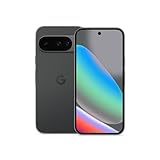
- Google Pixel 10 is the everyday phone unlike anything else; it has Google Tensor G5, Pixel’s most powerful chip, an incredible camera, and advanced AI - Gemini built in[1]
- Unlocked Android phone gives you the flexibility to change carriers and choose your own data plan[2]; it works with Google Fi, Verizon, T-Mobile, AT&T, and other major carriers
- Unlocked Android phone gives you the flexibility to change carriers and choose your own data plan[2]; it works - Google Fi, Verizon, T-Mobile, AT&T, and other major carriers
- The upgraded triple rear camera system has a new 5x telephoto lens - up to 20x Super Res Zoom for stunning detail from far away; Night Sight takes crisp, clear photos in low-light settings; and Camera Coach helps you snap your best pics[3]
- Pixel 10 is designed - scratch-resistant Corning Gorilla Glass Victus 2 and has an IP68 rating for water and dust protection[21]; plus, the Actua display - 3,000-nit peak brightness is easy on the eyes, even in direct sunlight[4]
Potential remedies could involve access terms, separation of ordinary Search access from AI-use permissions, or compensation arrangements, but none has been ordered or confirmed. Requiring access or licensing could also raise copyright, privacy, quality-control, and security questions. Any eventual EU competition remedy would be shaped by the Commission’s jurisdiction and the facts it establishes; it would not automatically govern every market worldwide.
What may happen next
An investigation can involve requests for information, submissions from Google and affected publishers, creators, or competitors, and economic and legal analysis. Depending on what that work shows, the Commission could raise preliminary objections, consider commitments or other remedies, issue a final decision, or close the case without finding an infringement. The available sources do not establish a timetable or predict which route the Commission will take.
The news is dated: the Commission opened this probe on December 9, 2025. The cited launch materials establish that event and its concerns, not a later final outcome. The central question is whether control over Search and YouTube lets Google build AI services on content terms that publishers and rival developers cannot realistically refuse or replicate.
Quick Recap
Product prices and availability are accurate as of the date/time indicated and are subject to change. Any price and availability information displayed on Amazon at the time of purchase will apply.
Recommended Free Tools




