Free tools Windows power users keep installed
One-click scans. No signup required.
The best family business idea is one with customers you can reach, costs you can afford, and work your relatives can divide without confusion. The 55 ideas below are starting points—not verified profit opportunities. Before investing, test demand, check local rules, and agree on roles and pay.
How to choose a family business you can actually run together
Start with the family’s real constraints, not the most exciting idea. Write down skills, available startup money, weekly hours, location, and the kinds of work each person is willing to do. A business that fits one relative’s strengths but depends on everyone being available can become difficult to operate.
- Demand: Identify a specific customer group and find out what it already buys, what alternatives are available, and what those alternatives charge.
- Costs: List one-time setup expenses separately from recurring expenses. Depending on the model, these may include equipment, supplies, a vehicle, premises, permits, insurance, inventory, payroll, marketing, and website costs.
- Skills and rules: Check whether the work requires training, permits, licenses, food-safety measures, insurance, or a regulated professional qualification. Requirements vary by location.
- Family roles: Decide who handles sales, operations, fulfillment, finances, and customer service. Set working hours, decision rights, and compensation before money and family expectations become entangled.
- Schedule and risk: Consider seasonality, weekends, urgent requests, caregiving, and whether the business can operate if one family member is unavailable.
The U.S. Small Business Administration (SBA) says, “Market research helps you find customers for your business.” Its guidance recommends examining demand, market size, economic indicators, location, saturation, and pricing: SBA, Plan your business.
55 family business ideas to test
For each idea, consider who might buy, how relatives could divide the work, and one small way to test interest. Suitability, startup needs, and legal requirements depend on the business and location.
#1 Best Overall
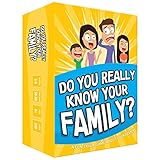
- Get ready for the best family game night as you laugh and learn new things about each other with this fun card game.
- See who really knows the family best as you answer fun questions about each other while sparking interesting conversations.
- Create hilarious family memories as you compete and perform silly challenges together.
- Super easy to learn and play - a perfect game for families with kids 8 and up, teens and adults.
Local and home services
- Residential cleaning: Households and small offices may hire for recurring or one-time cleans. One person can schedule and communicate while another handles cleaning; test with a defined service offer to nearby households.
- Lawn care and seasonal yard maintenance: Homeowners may need mowing, leaf removal, or seasonal upkeep. Divide route planning and outdoor work; ask nearby residents which services they hire and when.
- Landscaping and garden installation: Property owners may pay for planting and garden refreshes. One relative can handle design and estimates while another manages installation; show a sample plan to potential local customers.
- Handyman and home repair: Homeowners may need small repairs, but only offer work operators are qualified and permitted to perform. Divide estimates, materials, and jobs; check local rules and ask customers which repair tasks are hard to book.
- Painting and decorating: Homeowners and landlords may need room painting or refreshes between tenants. Split quoting, preparation, and painting; compare local providers’ services and prices.
- Home organizing and decluttering: Busy households may seek help sorting and arranging spaces. One person can consult and plan while another assists on-site; ask prospective clients which spaces they struggle to organize.
- Window cleaning: Homes and some businesses may need periodic cleaning. Divide booking and service work; check local competition and customer interest before buying specialized equipment.
- Mobile car detailing: Vehicle owners may value cleaning at home or work. Assign bookings and customer communication separately from detailing; ask local drivers what services and appointment locations they would pay for.
- Pet sitting and dog walking: Pet owners may need care during workdays or travel. Divide scheduling and visits; test interest with pet owners while checking insurance and local requirements.
- Pet grooming: Pet owners may pay for grooming, which can require training, suitable facilities, and local compliance. Separate appointments from grooming work; investigate requirements and ask pet owners about unmet needs first.
- Childcare: Families may need regular or occasional care, but licensing and safety rules apply. Divide administration and caregiving only among appropriately qualified people; verify local requirements before offering services.
- Senior companion and nonmedical household help: Older adults and families may seek companionship or help with household tasks. Define nonmedical boundaries clearly and divide scheduling from visits; ask families which nonmedical support they need and verify applicable rules.
- Moving, packing, and small-haul service: People moving homes may need packing or transport of smaller loads. Split estimates, packing, and driving; check vehicle, insurance, and local requirements, then test demand with a specific service description.
- Pressure washing: Homeowners and businesses may hire for exterior cleaning. One person can manage quotes and bookings while another handles service; check equipment, insurance, and local competition before investing.
- Home staging and property preparation: Homeowners and real-estate professionals may need help preparing properties for sale or rent. Divide design, sourcing, and setup; talk to local agents and property owners about the services they use.
Food, agriculture, and local products
- Cottage-food baking: Customers may buy baked goods for home use or local events, where local rules allow it. Divide baking, packaging, and orders; confirm permitted foods and sales channels before taking orders.
- Custom cakes and celebration desserts: Customers planning birthdays and events may want made-to-order desserts. Split decorating, baking, and customer communication; test a small menu and ask local event planners or potential customers for feedback.
- Meal preparation or catering: Households and event organizers may need prepared meals, subject to food-safety and permit rules. Divide menu planning, cooking, and delivery; check local requirements and ask a specific customer group what meals it seeks.
- Farmers-market produce or plant stand: Shoppers may buy seasonal produce or plants. One relative can grow or source products while another handles sales; visit local markets to assess customer interest and vendor requirements.
- Herb, flower, or vegetable nursery: Gardeners may seek seedlings or specialty plants. Divide growing and sales; ask local gardeners which varieties are difficult to find before expanding production.
- Specialty preserves, sauces, or packaged foods: Customers may seek distinctive local products, subject to food rules. Share production, packaging, and selling tasks; verify requirements and test interest with a compliant small batch.
- Beekeeping and honey products: Customers may buy honey or related products where local conditions support beekeeping. Divide hive care and sales; learn local requirements and assess suitable land and demand before investing.
- Small-scale cut-flower growing: Consumers and event planners may buy seasonal bouquets. One person can grow while another arranges and sells; ask local florists or event planners about demand and seasonality.
- Farm experiences or seasonal pick-your-own: Visitors may pay for an activity tied to a farm or growing season where land and rules permit. Divide site operations and bookings; check land-use requirements and gauge interest in a specific experience.
- Food truck or mobile food stall: Customers at events and busy locations may buy prepared food, but capital and permits can be substantial. Divide food preparation, service, and administration; first investigate permits, event access, and customer demand.
Retail, craft, and product businesses
- Handmade gifts and home décor: Shoppers may buy distinctive products for gifts or home use. Split making, photography, and selling; test a small collection with a defined audience.
- Sewing, alterations, and repair: People may pay to repair or adjust clothing and textiles. Divide intake and sewing according to skill; ask local customers what alteration services they cannot readily find.
- Furniture refinishing and resale: Buyers may want restored or distinctive furniture. One person can source pieces while another refinishes and lists them; test interest with a single item before building inventory.
- Vintage or secondhand goods shop: Shoppers may seek curated used goods online or in person. Divide sourcing, listing, and fulfillment; research local or online competition in one product category first.
- Curated local gift boxes: Individuals and organizations may buy gift bundles featuring local products. Divide supplier relationships, assembly, and sales; ask a clearly defined group of buyers what occasions and products matter to them.
- Custom apparel, embroidery, or printing: Teams, organizations, and individuals may want customized items. Separate design, order handling, and production; test demand with sample designs and compare production costs with likely prices.
- Art prints, photography prints, or stationery: Buyers may want artwork or paper goods for personal use and gifts. Divide creative production and sales; test a small set of designs and check what comparable items cost.
- Candles or soaps: Customers may buy handcrafted personal-care or home products. Divide production, packaging, and sales; check product safety, labeling, and claims requirements before selling.
- Party décor and event-rental inventory: Hosts may rent decorative items for celebrations. One relative can handle bookings while another manages inventory and delivery; ask local event organizers which items are in demand and check insurance needs.
- Specialty hobby or craft supply store: Hobbyists may need materials that are hard to find locally. Divide product selection, sales, and inventory management; interview local hobby groups and compare online alternatives before committing to stock.
Online, creative, and knowledge services
- Online resale shop for a focused category: Buyers may seek particular used or hard-to-find goods. Divide sourcing, listings, customer service, and shipping; test a narrow category and account for platform and fulfillment costs.
- Print-on-demand designs: Buyers may want apparel or goods featuring original designs. Split design and promotion; test a small set of listings and calculate margins after fulfillment and platform costs.
- Family photography: Individuals and households may hire photographers for portraits or milestones. Divide bookings, shooting, and editing based on skill; offer a sample session or portfolio review to gauge interest.
- Wedding or event photography and video: Couples and event organizers may need coverage and finished media. Separate client communication, shooting, and editing; assess local competition and ask prospective clients what packages they seek.
- Social-media content services for local businesses: Small businesses may need help planning or producing posts. Divide strategy, creation, and client communication; ask local businesses what content tasks they would outsource.
- Website setup and maintenance: Small organizations may need a basic site or ongoing updates. Assign design, technical work, and support according to expertise; interview local organizations about specific website problems.
- Bookkeeping service: Small businesses may need financial recordkeeping, provided the operators have suitable competence and clear service boundaries. Divide client onboarding and bookkeeping tasks; confirm qualifications and ask business owners what support they currently need.
- Tutoring or test preparation: Students and families may pay for instruction in subjects the tutors know well. Divide subject coverage and scheduling; ask parents or students about specific learning needs and local alternatives.
- Music, art, or language lessons: Learners may seek instruction suited to their goals. Relatives can teach different subjects or handle scheduling and materials; test interest with a defined lesson offer.
- Virtual assistant or administrative support: Small organizations may need help with scheduling, inboxes, or routine administration. Divide tasks by skill and availability; ask potential clients which recurring work consumes their time.
- Translation or localization: Organizations may need language services from qualified speakers. Divide project intake, translation, and review according to proficiency; contact potential clients about the language pairs and subject areas they need.
- Online courses or downloadable learning materials: Learners may pay for useful instruction based on demonstrated expertise. Divide content creation, editing, and customer support; test a lesson or sample resource with the intended audience.
- Podcast, video, or niche publishing operation: A focused audience may support content through several possible revenue channels, but audience development can take time. Divide research, production, editing, and publishing; test a repeatable format before relying on revenue.
Property, events, and community businesses
- Short-term or long-term rental management: Property owners may hire help managing rentals, subject to local rules and property economics. Divide guest or tenant communication, maintenance coordination, and administration; check local rules and speak with owners about their needs.
- Home-based or rented event venue: Hosts may seek a place for gatherings, where zoning and safety rules permit. Divide bookings, setup, and event operations; verify site requirements and test local demand before making property commitments.
- Event planning and coordination: Individuals and organizations may hire planners to manage logistics. Divide client communication, vendor coordination, and timelines; ask local venues or prospective clients what planning support they need.
- Party equipment rental: Hosts may rent tables, linens, or inflatables. Split bookings, cleaning, delivery, and maintenance; check insurance and safety obligations and ask local event customers which items they seek.
- Local tour or experience business: Visitors and residents may pay for a distinctive local activity where permits and demand support it. Divide guiding, booking, and promotion; test interest in a specific route or experience and verify local rules.
- Mobile notary or document services: Customers may need document services where individual qualifications and jurisdiction allow. Divide appointments and administration only among qualified family members; verify the rules and qualifications that apply locally.
- Franchise or purchase of an existing small business: A family can operate an established business rather than build one from scratch. Divide due diligence and operating responsibilities; compare investment, control, skills, records, contracts, leases, and inventory before proceeding.
Compare the operating models before you commit
These are relative planning prompts, not startup-cost estimates. A specific version of an idea may differ substantially from another.
| Business group | Capital intensity to investigate | Location dependence | Online potential | Skills or rules to check |
|---|---|---|---|---|
| Local and home services | Varies; equipment, supplies, transport, and insurance may matter. | Usually tied to a service area and travel. | Often useful for booking and marketing; service delivery is usually local. | Qualifications for repair work, childcare, grooming, and other regulated or safety-sensitive services. |
| Food, agriculture, and local products | Varies; growing space, ingredients, equipment, packaging, and permits may matter. | Often tied to production location, markets, or events. | Can support promotion and orders; production and delivery rules still apply. | Food safety, permits, labeling, land use, and local sales requirements. |
| Retail, craft, and product businesses | Varies; materials, inventory, equipment, storage, and fulfillment may matter. | Can range from home production to a physical shop. | Often possible through online listings or sales channels. | Product safety and labeling where relevant, plus platform, inventory, and fulfillment costs. |
| Online, creative, and knowledge services | Varies; equipment, software, training, marketing, and time may matter. | Often less tied to a storefront, though clients or subject matter may be local. | Usually central to delivery or customer acquisition. | Demonstrable skill, service boundaries, privacy, and professional requirements where applicable. |
| Property, events, and community businesses | Varies widely; premises, vehicles, equipment, insurance, or acquisition costs may matter. | Usually depends on a particular community, property, or event market. | Useful for promotion and booking; many services require in-person delivery. | Zoning, permits, insurance, contracts, safety, and qualifications where relevant. |
How to validate an idea before spending heavily
- Choose three candidates. Note why each might fit the family’s skills, schedule, location, and budget.
- Check for customers. Speak with potential buyers or review credible local indicators of demand. Define who the customer is and what problem or occasion leads them to buy.
- Scan competitors and prices. Find alternatives customers already use, look for market saturation, and record the prices and service levels offered.
- Build a venture-specific cost list. Separate one-time setup from recurring expenses. Include likely equipment, supplies, communications, licenses and permits, insurance, inventory, salaries, advertising, and website costs as relevant to the model.
- Estimate break-even. For a single product or service unit, the SBA formula is fixed costs divided by the difference between sales price per unit and variable cost per unit. Use realistic assumptions; the result estimates the sales volume needed to cover costs, not a profit guarantee.
- Write down family agreements. Assign responsibilities, hours, decision rights, compensation, and a backup plan for absences before launch.
- Pick the right plan format. The SBA describes traditional plans as more detailed and commonly requested by lenders and investors; a lean startup plan emphasizes key elements and may suit a simple concept that will be refined. See SBA business-planning guidance.
A business-plan workbook can help organize assumptions, but it cannot establish customer demand or guarantee profits. U.S. small-business statistics and general SBA guidance do not replace local legal, tax, licensing, safety, or financial advice.
Rank #2
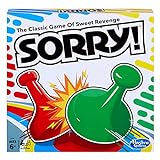
- GAME OF SWEET REVENGE: Enjoy classic Sorry! gameplay with this Sorry! board game for kids. It's an edge-of-your-seat race to home, so hurry up and get there first
- FIRST ONE HOME WINS: Who will be the first player to get all 3 of their pawns to the home space? But watch out! Players can get "sweet revenge" by sending each other's pawns back to the starting point
- SO MANY POSSIBILITIES: Slide, collide, and score to win the Sorry! game. This family game for kids and adults features so many possibilities depending on the card picked up and strategy chosen
- CLASSIC SORRY! GAMEPLAY: Remember playing the original Sorry! game as a kid? Bring back memories of playing the Sorry! game with family members and introduce it to a new generation
- FAMILY GAME NIGHT FAVORITE: A go-to game for family time or anytime indoor fun, the Sorry! game for kids is one of the best family games for game night
What U.S. family-business data can—and cannot—tell you
The SBA Office of Advocacy defines a family-owned business in its analysis as one where two or more family members own a majority. Under that definition, family-owned firms represented 27.3% of U.S. firms and 34.1% of U.S. employment in 2021, according to a fact sheet published in 2024: Small Business Facts: Characteristics of Family-Owned Businesses.
The same 2021 analysis found that service industries accounted for 79.1% of family-owned firms. Goods-producing industries represented 22.1% of family-owned firms versus 16.5% of nonfamily firms; those figures describe each group’s industry mix, not shares of all U.S. businesses. Family-business employment grew 0.8% from 2014 to 2021, compared with 11.5% for nonfamily-business employment and 7.6% for total employment. These historical figures describe existing U.S. businesses, not the likely earnings or prospects of any new idea on this list.
Quick Recap
Best Value

- INTRODUCING A DIGITAL DIE: More suspense, more surprises, more laughs! In this Jenga game, enjoy the classic Jenga gameplay fans love—or dare to play it with the digital die for added challenges
- 6 MORE WAYS TO PLAY: Roll the digital die for unpredictable challenges: play using thumbs only, race against the clock, and more! (To download the die onto a phone, scan the in-pack QR code or access the web app. No additional purchase needed)
- HILARIOUS CHALLENGES: Actions like “Team-Up” amp up the fun! A player who rolls it selects another player to act as their eyes. The other player can guide their arm, but can’t touch the tower—or topple it
- EXCITING GAME FOR PARTIES OR SOLO PLAY: The Jenga game for kids and adults is the wooden block balancing game livening up parties for generations. No friends around? No problem. Play solo to beat a personal best
- GENUINE WOOD BLOCKS: The Jenga party game includes 54 precision crafted wooden blocks. Pull out a block, place it on top, but don't let the tower fall in this original wood block game
Rank #4

- Fast-Paced Fun for All Ages: Engage in a lively game where players race to match cards with spoken words like "Taco," "Cat," "Goat," "Cheese," and "Pizza." Designed for 2–8 players aged 7 and up, each round lasts just 10–15 minutes, making it perfect for quick family card games or travel entertainment. Its simplicity and speed ensure everyone stays engaged and laughing.
- Simple Rules, Wild Gameplay: Players take turns playing cards while chanting the game's title in order. When a spoken word matches the card played, everyone races to slap the pile and the last one to do so takes the cards! Add in surprise action cards and it becomes a fast-paced, laugh-out-loud competition that's easy to learn but hard to stop playing.
- Card Games for Families and Social Events: Whether it's a holiday gathering, birthday party, or casual get-together, Taco Cat Goat Cheese Pizza is a go-to choice. Its easy-to-learn rules and engaging gameplay make it a hit among both kids and adults. It's also a top pick for stocking stuffers and Easter baskets, offering fun without the need for screens.
- Portable Entertainment for On-the-Go Fun: Compact and lightweight, this card game is travel-friendly, making it an excellent companion for road trips, vacations, or family outings. Its quick setup and short playtime ensure that you can enjoy a fun-filled game session anytime, anywhere.
- Boosts Cognitive Skills and Reflexes: Beyond entertainment, Taco Cat Goat Cheese Pizza helps develop important skills such as concentration, pattern recognition, and fine motor coordination. Players must stay alert and think quickly, making it both a fun and mentally stimulating activity for all ages.
Rank #3

- All New Game: It's the 2nd edition of the quick question “what am I?” Game. Includes 6 new bands- dino, narwhal, robot, flower, butterfly, & brain
- Simple To Play: Pick a headband, place a card in it and play to figure out what's shown on your card. Using yes/no questions, be the first to guess 3 cards correctly and you win
- Family Game Night: Hedbanz is a must-have in your collection of family games for kids and adults. It is for everyone ages 6 and up. For 2-6 players, bring along when you are in need of fun board games for family night
- Funny Random Stuff For Family Game Night: Throw the best party, birthday, game night & Friendsgiving with new party games, family board games & card games for teens & adults
- Spin Master Toys & Games: Looking for kids games, yard games & card games for grown ups, kids or teens? Shop everything from family game night, travel games, puzzles for adults & family games
Product prices and availability are accurate as of the date/time indicated and are subject to change. Any price and availability information displayed on Amazon at the time of purchase will apply.




