There is no universally right allowance. A flexible U.S.-dollar rule of thumb is $1 per year of a child’s age per week, but it is only a starting point—not a national standard. Choose an amount your family can afford, decide what the child is expected to buy, and consider whether they are ready to make spending and saving choices. Canada’s Financial Consumer Agency puts the teaching goal first: “How much you give is less important than the goal.”
For one concrete reference, Greenlight reports average weekly allowances from accounts used by children and teens in 2025. Its figures are U.S. dollars and describe Greenlight users, not all U.S. families or recommended amounts.
Allowance by age: Greenlight’s 2025 weekly averages
The figures below are Greenlight account data for 2025, in U.S. dollars. They can help families compare amounts by age, but they are not a national norm. The overall average for children ages 5–19 in Greenlight-using families was $13.15 per week.
| Child’s age | Greenlight weekly average (U.S. dollars, 2025) |
|---|---|
| 5 | $6.18 |
| 6 | $6.44 |
| 7 | $6.79 |
| 8 | $7.22 |
| 9 | $7.86 |
| 10 | $8.53 |
| 11 | $9.35 |
| 12 | $10.37 |
| 13 | $11.59 |
| 14 | $13.13 |
| 15 | $15.26 |
| 16 | $17.89 |
| 17 | $21.47 |
For a 10-year-old, $8.53 a week is the Greenlight-user average reported for 2025—not a target every family should match. Greenlight’s averages rise from about $6 weekly at ages 5–7 to about $9 at ages 9–11, roughly $10–$13 at ages 12–14, and around $15–$21 at ages 15–17.
#1 Best Overall

- High Quality - With a sturdy construction of durable canvas fabric and nylon edging, this wallet is not only functional, but also easy to keep clean too. It’s well-made enough for all kinds of outdoor sport activities such as baseball/soccer/basketball/camp games.
- Spacious Room - Good size for backpacks, purses, or bags! With plenty of pockets inside, there's always a perfect place to store all those coins and bills.
- Easy Use - Multiple inner pockets and a hook-and-loop closure give your kids a great place to stash their cash, cards and photos. It even has a zippered coin purse for all their extra change!
- Cool Themes - Money management has never been more fun! From our wide collection of colors and themes, your kids are sure to find a design they like quickly. Don't forget to make it a set with our other wallets.
- Perfect Gift - Perfect gift ideas for birthday, school opening, Halloween, Christmas for children age four and up. Our wallets help you to teach your children about responsibility and importance of managing his/her money.
Source: Greenlight’s 2025 average allowance data.
Why allowance averages differ
Published figures describe different groups and methods, so they should not be combined into a single “normal” amount. In a Wells Fargo/Ipsos online survey, 71% of U.S. parents with children ages 5–17 said they gave an allowance; among allowance-giving parents, the reported average was $37 per week. The survey included 1,587 U.S. parents aged 18 or older with at least one child ages 5–17 at home, and Ipsos collected responses in English from April 28 to May 8, 2025. That $37 figure covers a broad age range and is not an age-specific recommendation.
Greenlight’s $13.15 weekly average covers children ages 5–19 in families using its service. Kids’ Money publishes respondent-based figures, including $7.18 for age 10 and $9.52 for age 13, but the page does not clearly state field dates or one sample frame. Because these sources cover different populations and collection methods—and do not establish the same definition of what allowance pays for—comparing them does not identify a correct amount for an individual child.
Rank #2

- HIGH CAPACITY: This kids wallet features 1 ID window,2 Zipper purse,3 card slots,2 big bill compartment, well secure all your belongings and small stuff. You can use this wallet to carry cards,cash,student IDs,coins and family photo.
- Suitable for practice: Our wallet can help you educate your child on money management from an early age and enhance their understanding of money.
- HIGH QUALITY: Well stitched,high-quality hook and loop fasteners,smooth zipper,strong fabric and nylon edging ensure the durability of this wallet. The Closed Size of this wallet is 3.2 inch Width x 4.7 inch Long x 0.5 inch height. It's also easy to keep clean.
- CARTOON DESIGN: Cute cartoon design, each cartoon figures are lively and interesting. It is a prefect gift for children.
- Perfect Gift - Perfect gift ideas for birthday, school opening, Halloween, Christmas for children age four and up. Our wallets help you to teach your children about responsibility and importance of managing his/her money.
Sources: Wells Fargo/Ipsos, 2025; Greenlight, 2025 data; Kids’ Money allowance survey statistics.
The Tool Desk
Outbyte Driver Updater FREEFix the driver behind crashes, sound loss and screen glitchesFind Drivers →Outbyte PC Repair FREERepair Windows errors before they cause bigger problemsFix Now →When to start and what children can learn
Many children are ready to begin around kindergarten or first grade, ages 5–6, when they can understand simple choices about saving and spending. That is a common starting suggestion, not a developmental rule. Canada’s Financial Consumer Agency does not prescribe a starting age; it advises choosing an age-appropriate amount and starting small.
U.S. Bank offers these suggested learning milestones. They are guidance, not official age standards:
Rank #3

- 【High Quality】OYLOLA Initial kids wallet material used glitter fabric and PVC material ensures sparkling and won't fall off. Girl wallet high-quality lining and abrasion resistant nylon trim ensure that the wallet will last for a long time
- 【Small Wallet】Girl wallet for kids includes 6 card slots, 1 transparent window, 1 cash zipper pocket and 1 zipper coin pocket, ensure that girls can easily categorize their belongings. Everyday gifts for little girls.Size:5.5"*3.15"*0.8“
- 【Easy to Use】Initial kids wallet with velcro closure, easy access to items, cute wallet with a neck rope, perfect for little girls on the go and freeing up their hands. Best gifts for little girls
- 【Preppy Trendy Stuff 】Kids wallet for girls with blue pink purple green and colored matching A-Z 26 initials available, unique letters make the wallet more fashionable. Easy to match little girl's princess dress up, personalized gifts for girls
- 【Gifts for Girl】 OYLOLA Girls wallet is perfect princess gifts for 3 4 5 6 7 8 year old girl on birthday Christmas Easter Halloween and Valentines. Essential girl stuff for everyday, school, or traveling out and about!
- Ages 3–5: recognize coins and practice counting.
- Ages 5–7: learn basic saving and spending choices.
- Ages 8–10: practice budgeting and setting goals.
- Ages 11–13: plan ahead and save for longer-term goals.
- Ages 14 and older: build independence, potentially managing amounts tied to real expenses.
The Consumer Financial Protection Bureau describes youth financial capability in terms of executive function, financial habits and norms, and financial knowledge and decision-making skills. Its assessment resources address elementary, middle, and high school grades; they do not prescribe allowance amounts by age.
Sources: U.S. Bank’s allowance guidance; Financial Consumer Agency of Canada, “Teaching children about money”; CFPB, “Assess the Building Blocks”.
Recommended Free Tools
Set the amount around your family’s budget and expectations
Before settling on a number, decide what allowance is meant to teach and what it needs to cover. An amount for occasional toys or games is different from money intended to pay for hobbies or regular expenses. If an older teen will take on real costs, spell out which costs are included before changing the amount. Canada’s Financial Consumer Agency recommends deciding which expenses children may cover; the amount or payment frequency can increase as they get older.
Rank #4
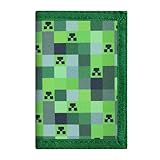
- HIGH CAPACITY: This kids wallet features 1 ID window,2 Zipper purse,3 card slots,2 big bill compartment, well secure all your belongings and small stuff. You can use this wallet to carry cards,cash,student IDs,coins and family photo.
- Suitable for practice: Our wallet can help you educate your child on money management from an early age and enhance their understanding of money.
- HIGH QUALITY: Well stitched,high-quality hook and loop fasteners,smooth zipper,strong fabric and nylon edging ensure the durability of this wallet. The Closed Size of this wallet is 3.2 inch Width x 4.7 inch Long x 0.5 inch height. It's also easy to keep clean.
- CARTOON DESIGN: Cute cartoon design, each cartoon figures are lively and interesting. It is a prefect gift for children.
- Perfect Gift - Perfect gift ideas for birthday, school opening, Halloween, Christmas for children age four and up. Our wallets help you to teach your children about responsibility and importance of managing his/her money.
- Start with what your budget can sustain. A smaller regular amount can provide practice without straining household finances.
- Match the amount to the responsibility. If the child must pay for specific purchases, account for their likely cost and how often they occur.
- Adjust as readiness changes. Increase responsibility when the child can plan, keep track of money, and learn from choices—not simply because a birthday has passed.
Decide whether allowance is connected to chores
There is no single required model in the guidance reviewed here. U.S. Bank describes three common approaches: unconditional allowance, payment for chores, and a hybrid. Canada’s Financial Consumer Agency also notes that older children may earn money through chores or part-time work.
- Unconditional: provide a regular amount to practice budgeting, without tying it to tasks.
- Chore-based: connect payment to agreed work. Define the tasks and payment beforehand.
- Hybrid: provide a regular base amount and offer additional earning opportunities for extra tasks.
Whichever approach you choose, say in advance whether everyday family responsibilities are paid or expected as part of living together. Clear rules reduce disputes about what the allowance is for.
Sources: U.S. Bank; Financial Consumer Agency of Canada.
Free tools Windows power users keep installed
One-click scans. No signup required.
Best Value

- 【Durable Canvas】Made of sturdy canvas with reinforced nylon edges and neat stitching, this kids wallet is built for school, travel, outdoor sports, camp activities and daily use. Its surface is also easy to clean.
- 【Compact and Roomy】At 4.8 x 3.15 x 0.4 inches, the trifold design combines compact size with practical capacity. Card slots, an ID window for a student ID, a cash pocket, coin pocket and key clip keep essentials organized.
- 【Easy and Secure】The hook-and-loop closure is simple for kids to use, while the zippered coin pocket helps keep change secure. Separate pockets hold cash, cards, photos and IDs.
- 【Fun Designs】Colorful and playful themes let each child choose a wallet that matches their personality and interests, giving children more fun styles to explore.
- 【Practical Gift】A practical choice for birthday, Christmas or back-to-school gifts for kids ages 4-5-6-7-8-9-10-12-14, encouraging them to organize pocket money and develop money-management habits.
Choose a payment schedule and method
A predictable schedule gives children repeated chances to plan between payments. Weekly payments can suit younger children who are learning to wait and budget over a short period; families may choose to pay less often or increase payment frequency as a child grows. Agree on the schedule and what happens if a payment date falls on a holiday or a task is missed.
In the Wells Fargo/Ipsos 2025 survey, among parents who provided weekly allowance, 73% reported using cash, 24% peer-to-peer payments, 20% direct deposit, and 14% a prepaid debit card. These reported methods are not safety rankings or recommendations, and the percentages are not mutually exclusive.
Source: Wells Fargo/Ipsos, 2025.
Make saving visible and give spending choices room to teach
Help the child choose a savings goal and decide how much of each payment to set aside. The Financial Consumer Agency of Canada suggests options such as matching a child’s savings, using an interest-paying savings account, and letting the child make deposits. For younger children, labeled jars or containers can make different goals concrete; an older child may prefer a chart or account record.
U.S. Bank suggests that parents avoid automatically replacing money a child spends before the next allowance, so the child experiences the result of that choice. Treat this as one teaching approach, not a universal rule: the consequences should be age-appropriate, and essential needs should not depend on a child’s budgeting practice. A jar, chart, or homemade tracker can help, but no special product is necessary.
Sources: Financial Consumer Agency of Canada; U.S. Bank.
Quick Recap
Product prices and availability are accurate as of the date/time indicated and are subject to change. Any price and availability information displayed on Amazon at the time of purchase will apply.




