Some 1999 Pokémon cards can be worth money, but the year alone does not identify a card or reveal its value. The exact card, set, printing or edition, condition, and recent completed sales all matter. To estimate yours, identify it precisely, inspect its condition, and compare it with sales of the same version in similar condition.
What determines a 1999 Pokémon card’s value?
“1999” is not enough to identify a card. Record the Pokémon or trainer name, card number, set, edition mark or other printing details, and whether the card is holographic. Do not assume that every card dated or associated with 1999 belongs to the same set. The Base Set checklist separates variants, and PSA recommends searching with a card’s set and identifying details when checking value.
- Identity and printing: Different versions of a card can have different market values. Match the name, number, set, and variant rather than searching only for “1999 Pokémon.”
- Condition: Centering, corners, edges, surface, gloss, stains, folds, creases, dents, and scratches can all affect value. PSA’s grading standards describe the characteristics it considers; a personal estimate is not a professional grade.
- Market evidence: Recent completed sales of close matches are more useful than unsold asking prices. Even a guide value is a reference, not a guaranteed selling price.
How to identify and inspect your cards
- Photograph the front and back in good light. Use the pictures to keep track of each card while you research it.
- Write down the identifying details. Note the card name and number, set, edition stamp or other printing marks, and whether it is holo.
- Inspect the card carefully. Look under diffuse light for centering, corner and edge wear, scratches, creases, stains, dents, and surface problems. Keep any condition estimate conservative.
- Handle it gently while sorting. Sleeves can help protect cards during handling and storage; cleaning, polishing, or otherwise altering a collectible can damage it.
How to estimate what a card is worth
- Search for the exact card and printing. Include the name, year, set, card number, and edition or variant in the search.
- Use completed sales, not just listings. Compare realized prices for examples that match the card and are in similar condition. PSA advises reviewing sales from the previous three to six months for the grade being considered and refining auction research by date, price, and grade. See its valuation guidance.
- Keep ungraded and graded cards separate. A PSA-graded example is not a direct estimate of what an ungraded card will sell for. PSA’s price guide covers PSA-certified collectibles, and PSA cautions that population characteristics can affect prices.
- Consider how strong the comparison is. Pay attention to how recently a sale occurred, whether its version and condition truly match, and how many comparable sales you can find. A rare or high-grade example should not be treated as representative of every copy.
The available information cannot establish a dollar value for an unidentified collection. A 1999 Base Set pricing page, for example, is useful only if a card is actually from that set; its existence does not provide a reliable value for a different card or an ungraded copy. See the 1999 Pokémon Base Set pricing reference as a lookup destination, not a price for every 1999 card.
Should you have a card authenticated or graded?
Grading is a decision to weigh against likely value, not an automatic next step. PSA authenticates cards, assigns a grade on a 1–10 scale, and encapsulates graded cards. Before submitting, compare plausible sale value with the current service fee, turnaround estimate, shipping, and insurance. PSA’s grading service page lists service details, prices, and estimated turnaround times; its terms can change, so check the current information before deciding.
#1 Best Overall
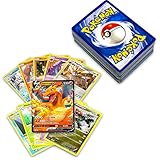
- 50+ Pokemon Cards
- 5 Holos Guaranteed minimium per order
- 1 GX, EX, V, VMax, Full Art, Tag Team, or Secret Rare
Grading may be worth investigating when a card appears scarce or valuable and comparable sales suggest that authentication or a grade could matter. A high sale price for a PSA 10 copy does not show what a raw copy is worth, nor does it establish that your card would receive that grade.
Independent reader supportYour contribution helps us test, update, and keep practical guides available for everyone.What you can conclude without a card list or photos
There is no defensible single value for “1999 Pokémon cards” as a category. Without the card names, numbers, set or printing details, condition, and comparable sales, a dollar estimate would be guesswork. Identify each card first, then value each one against recent sales of close matches.
Quick Recap
Best Value

- 50 assorted Pokemon cards
- Bundle with an LCC deck box that holds upto 100 Pokemon cards
- 1 Double rare legendary Pokemon card
Rank #4
- One (1) Holo Rare Pokemon card;
- Two (2) Black Star Rare cards;
- Two (2) 1st Edition or Shadowless cards, or 1 each;
- Six (6) Energy card plus Six (6) Trainer cards. The rest are common/uncommon cards.
Rank #3
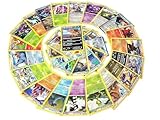
- Rare Pokemon Cards with 100 or Higher (Assorted Lot with Duplicates) (Original Version)
- Each piece a rare Pokemon-type card
- ideal for casual play non-block tournament formats
- Country Origin:USA
Rank #2
![Pikachu (TCG Card) 1999 Pokemon Jungle - Booster Pack [Base] - Unlimited #60](https://m.media-amazon.com/images/I/51K7bUFQukL._SL160_.jpg)
- Great for any Pikachu fan
- This is a collectible trading card.
Product prices and availability are accurate as of the date/time indicated and are subject to change. Any price and availability information displayed on Amazon at the time of purchase will apply.




