Do these 3 things before closing this tab:
1Fix the driver behind crashes, sound loss and screen glitches2Repair Windows errors before they cause bigger problems3Scan for outdated or missing drivers - takes under a minuteBitcoin was created under the pseudonym Satoshi Nakamoto. Bitcoin.org credits Nakamoto with publishing Bitcoin’s first specification and proof of concept in 2009. The sources reviewed do not establish Nakamoto’s verified real-world identity. The 2008 white paper, the 2009 software milestone and the later growth of the project are separate parts of the story.
Who invented Bitcoin?
The name credited with inventing Bitcoin is Satoshi Nakamoto. Bitcoin.org’s FAQ says the first Bitcoin specification and proof of concept were published in 2009 on a cryptography mailing list by Nakamoto.
Satoshi Nakamoto is a pseudonym, not a verified civil identity. Bitcoin.org says Nakamoto left the project in late 2010 without revealing much about himself. The reviewed sources do not confirm who was behind the name, so claims identifying a particular person as Satoshi should not be treated as established fact.
What happened before Bitcoin’s first software?
The domain and early project presence
Bitcoin.org’s account of its history says the domain was registered on August 18, 2008, and was originally registered and owned by Satoshi Nakamoto and Martti Malmi, whom the post describes as Bitcoin’s first two developers. That date marks the project’s online presence, not the launch of the Bitcoin network. Bitcoin.org’s 2018 anniversary post provides the domain history.
The Tool Desk
Outbyte Driver Updater FREEFix the driver behind crashes, sound loss and screen glitchesFind Drivers →Outbyte PC Repair FREEClear out junk files and repair common Windows errorsFree Scan →#1 Best Overall

- Proven security at scale: Over 9 years and millions of cards issued with no known remote hacks, while military‑grade EAL6+ security keeps your private keys locked inside the chip. Your cryptocurrencies stay strongly protected from online attackers.
- Tap once to manage your entire crypto wallet across 90 blockchains - no USB cables or Bluetooth, no batteries, no setup. Access 14,100+ coins & tokens, DeFi, NFTs, and staking instantly from your phone
- Smart backup: Use your second Tangem Wallet as your Backup keys with end‑to‑end encryption; no more papers, pictures. If one card is lost, the remaining can still restore full access, with an optional seed phrase available for advanced users.
- Engineered to last up to 25 years: Waterproof (IP69K), shockproof and tested for extreme temperatures from −25°C to 50°C. A durable cold wallet with long‑term protection and independently audited security.
- Trusted by 6 million users worldwide - buy, sell, swap, stake, and spend cryptocurrency directly. The secure offline storage wallet designed for how people actually use crypto wallets
The white paper
On October 31, 2008, Nakamoto’s paper, Bitcoin: A Peer-to-Peer Electronic Cash System, set out the proposal. The Bitcoin.org white-paper page hosts the original. Its central problem was how to make electronic payments without relying on a trusted third party while preventing the same digital funds from being spent twice.
The paper proposed using cryptographic proof and a peer-to-peer distributed timestamp server. In its design, proof-of-work links blocks so that changing earlier records requires repeating work; network nodes validate transactions and extend the chain. This describes the paper’s proposed system, not a guarantee that Bitcoin removes every payment risk.
Rank #2

- Proven security at scale: Over 9 years and millions of cards issued with no known remote hacks, while military‑grade EAL6+ security keeps your private keys locked inside the chip. Your cryptocurrencies stay strongly protected from online attackers.
- Tap once to manage your entire crypto wallet across 90 blockchains - no USB cables or Bluetooth, no batteries, no setup. Access 14,100+ coins & tokens, DeFi, NFTs, and staking instantly from your phone
- Smart backup: Use your second Tangem Wallet as your Backup keys with end‑to‑end encryption; no more papers, pictures. If one card is lost, the remaining can still restore full access, with an optional seed phrase available for advanced users.
- Engineered to last up to 25 years: Waterproof (IP69K), shockproof and tested for extreme temperatures from −25°C to 50°C. A durable cold wallet with long‑term protection and independently audited security.
- Trusted by 6 million users worldwide (4.9 App Store, 4.8 Google Play) - buy, sell, swap, stake, and spend cryptocurrency directly. The secure offline storage wallet designed for how people actually use crypto wallets
When did Bitcoin begin?
The timeline depends on what “begin” means. The white paper introduced the proposal in 2008; Bitcoin.org says the first specification and proof of concept were published in 2009. The domain registration in August 2008 was another early milestone, not a network launch date.
| Date | Milestone | What it means |
|---|---|---|
| August 18, 2008 | Bitcoin.org domain registered | An early online milestone; it does not establish that the network launched that day. Source: Bitcoin.org, 2018. |
| October 31, 2008 | White paper dated | The peer-to-peer electronic cash proposal was published. Source: Bitcoin.org. |
| 2009 | First specification and proof of concept published | Bitcoin.org says Nakamoto published them on a cryptography mailing list. Source: Bitcoin.org FAQ. |
| Late 2010 | Nakamoto left the project | Bitcoin.org says Nakamoto left without revealing much about himself; it gives no more precise departure date in the cited FAQ. Source: Bitcoin.org FAQ. |
Was Satoshi Nakamoto the only person behind Bitcoin?
No. Nakamoto is the creator name credited with the initial proposal and software milestone, but Bitcoin’s early development was not solely a one-person effort. Bitcoin.org identifies Martti Malmi as one of the first two developers and an original bitcoin.org domain owner alongside Nakamoto. The same 2018 anniversary post reported more than 4,400 GitHub commits from 245 contributors and more than 1,000 translators. Those figures describe contributions to the Bitcoin.org website at the time, not the number of Bitcoin network participants or current totals.
Rank #3
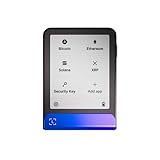
- Simply & securely take control of your digital assets and identity with the all-in-one Ledger Wallet crypto app and Ledger Flex touchscreen signer.
- Digital asset control at your fingertips: manage 15,000+ crypto across multiple chains. Earn rewards. Top up & share with ease. Explore DeFi with confidence. Collect and showcase NFTs. Make informed choices with clarity.
- Connect effortlessly with Ledger Wallet: pair your secure Ledger signer with the all in one Ledger Wallet crypto app to manage thousands of digital assets across multiple devices and accounts with Ledger Sync from a single, secure dashboard.
- Cutting-edge design: monitor the market, compare rates, and Clear Sign transactions on the secure, high resolution, 2.8'' E Ink touchscreen.
- This is what security feels like: Ledger touchscreen signers all come with a private, offline, PIN-protected backup, Ledger Recovery Key, to never lose access to your assets.
Who controls Bitcoin now?
Inventing Bitcoin did not give Nakamoto lasting control over it. Bitcoin.org describes Bitcoin as open-source software and says no individual or group owns the network. Developers can propose changes, but those changes take effect only when users and other participants voluntarily adopt compatible rules and software. Authorship of the original design and control of the network are different questions. See the Bitcoin.org FAQ on network control.
Quick Recap
Best Value

- Unparalleled Security: Protect your assets NDA-free EAL 6+ Secure Element, offering robust defense and complete transparency
- Simple & Secure Interface: Manage your digital assets easily with a clear OLED screen for secure on-device confirmations
- Supports 1000s of Coins & Tokens: Securely handle thousands of assets, including Bitcoin, Ethereum, and more, all in one wallet
- Effortless Asset Management: Monitor and transact seamlessly with Trezor Suite, our intuitive desktop and mobile app
- Enhanced Backup Solution: Rest assured with Multi-share Backup, eliminating single points of failure for secure cold wallet recovery
Rank #4

- Superior Security - Elevate the cold storage safety of your digital assets with Arculus's innovative 3-factor authentication system: biometric lock, 6-digit PIN, and the Arculus metal card with private key encryption for multiple layers of security.
- Effortless Transactions - Simplify your crypto management with the Arculus Cold Storage Wallet and Arculus App, to seamlessly send, swap, or receive assets with a simple tap to your mobile device.
- CC EAL6+ Secure Element Technology – Safeguard your keys on the Arculus Card through robust, certified encryption, protecting against unauthorized access.
- Supports 95% of the Cryptocurrency Market Cap, including Bitcoin (BTC), Ethereum (ETH), Tether (USDT), XRP (XRP), and Cardano (ADA), Litecoin (LTC), Polkadot (DOT), and other popular coins.
- Hassle-Free - The Arculus Cold Storage Wallet communicates with your phone using secure tap-to-transact NFC technology. No cords, no connections and no internet required for next-gen levels of security.
Product prices and availability are accurate as of the date/time indicated and are subject to change. Any price and availability information displayed on Amazon at the time of purchase will apply.




