No single grocery item causes weight loss, and there is no evidence-based ranking of the nine foods below. They are practical staples that can help you build filling meals within an eating pattern that suits your calorie needs, budget, preferences, and health requirements.
What groceries should I buy to support weight loss?
Start with flexible ingredients you can use in meals you enjoy: produce, protein foods, beans or lentils, and whole grains. Vegetables and fruit bring fiber and water; using them in place of some more calorie-dense ingredients can lower a meal’s calories without shrinking its volume. That does not make them calorie-free, and portions and the overall pattern still matter.
These nine picks are examples, not a clinical ranking. Federal guidance supports eating a varied pattern that includes vegetables, fruits, whole grains, protein foods, and dairy without added sugars, while staying within individual calorie needs. Adapt the list to familiar foods, price, storage, and dietary needs.
Produce to keep meals filling
1. Non-starchy vegetables
Broccoli, peppers, leafy greens, and carrots work in salads, soups, omelets, grain bowls, or as sides. Their fiber and water can help meals feel substantial. Fresh or frozen both work; choose forms you are likely to use. CDC guidance on fruits and vegetables notes that they can help people feel full.
Outdated Drivers Are Slowing You Down
One free scan finds every outdated or missing driver and matches the right update for your exact hardware.Free scan · exact hardware matchPC Slower Than It Used to Be?
A free scan shows the junk files, broken settings and background clutter dragging Windows down - then fixes them in one click.Free scan · Windows 10 & 11#1 Best Overall
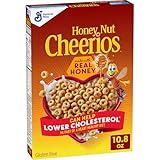
- MADE WITH REAL HONEY: Sweetened whole grain oat cereal with real honey and natural almond flavor in every delicious spoonful; Whole grain oats are the first ingredient in this honey nut cereal for kids and adults; An ideal pantry staple
- CAN HELP LOWER CHOLESTEROL as part of a heart healthy diet; 3g of soluble fiber daily from whole grain oat foods, in a diet low in saturated fat and cholesterol, may reduce the risk of heart disease; Honey Nut Cheerios provides .75g per serving
- GLUTEN FREE CEREAL: Pour it in a bowl with cold milk for an irresistible, gluten free part of an easy breakfast; Pack some up in a lunch box for gluten free snacks on the go; Add to homemade cereal bars and other kids snack food recipes
- WHOLE GRAIN: 22g of whole grain (at least 48g recommended daily), 12 vitamins and minerals, and is a good source of calcium and fiber per serving
- CONTAINS: One cardboard box of crunchy Honey Nut Cheerios, Heart Healthy Gluten Free Breakfast Cereal, 10.8 oz; Perfect for instant snacking, or a part of breakfast and meals
2. Whole fruit
Apples, berries, and other whole fruits make convenient snacks or additions to breakfast. When practical, choose whole fruit rather than juice: the fiber in whole fruit can help with fullness. For canned fruit, look for options packed in water or juice without added sugar. CDC guidance also discusses fruit choices.
3. No-added-salt canned vegetables
Canned vegetables are shelf-stable and make it easier to add a vegetable when fresh produce is unavailable. Compare labels and choose no-added-salt varieties when available and appropriate for you. If those are not available, draining and rinsing may be useful, but it does not make every product equivalent.
Rank #2

- One 16 ounce box of Saltine Crackers
- Contains: Soy, Wheat
- With Amazon Saver, you’ll find affordable staples without the frills. Our essentials will help your grocery budget go further.
- Shop smarter with Amazon Saver
4. Frozen fruit or vegetables
Frozen produce can be convenient, keep longer than fresh produce, and make out-of-season choices more accessible. Check the ingredient and nutrition labels for added sugar in fruit and added salt in vegetables; plain versions are often the simplest option. CDC identifies frozen produce as a good choice.
Protein and legumes for flexible meals
5. Beans or lentils
Beans and lentils provide plant protein and fiber, and fit into soups, salads, bowls, or sides. Canned versions save preparation time. Compare sodium and choose no-added-salt products when available; dried beans and lentils are another option if their preparation suits your routine. CDC lists legumes among protein foods and sources of fiber.
Rank #3

- DRY HONEY ROASTED PEANUTS: Enjoy the classic flavor of Planters Honey Roasted Peanuts, a bold combo of sweet honey and savory roasted goodness giving it that classic rich, nutty taste
- SNACKS FOR ADULTS: Planters Dry Honey Roasted Peanuts provides 7g (7% DV) of plant based protein per serving. 0g trans fat and Kosher certified so you can snack boldly!
- CRUNCH ON THE GO: Dry honey roasted peanuts are the perfect crunchy snack to pair with beer to watch the game, for tailgating or hitting the road.
- CONVENIENT RESEALABLE PACKAGE: Twist-off cap keeps our honey roasted peanuts fresh and ready to enjoy anytime. A convenient, pantry staple snack ready when you have a craving. Let's get nuts!
- ROASTING NUTS SINCE 1906: Planters peanuts have a distinctive crunch because we have been perfecting our craft for 120 years. When you see the iconic Mr. Peanut, you know it’s a quality snack you can trust!
6. Plain unsweetened yogurt
Plain yogurt offers a protein-containing dairy choice; Greek-style yogurt is one option. Compare added sugars across varieties, and choose dairy or a fortified alternative that fits your dietary needs. Add whole fruit or oats for flavor and texture instead of relying on a sweetened variety.
7. Eggs or another protein you prefer
Eggs are one convenient protein choice, but no single protein is best for everyone. Poultry, seafood, tofu, beans, nuts, and seeds can also fit a varied eating pattern. Choose based on how you cook, what you enjoy, cost, and any dietary requirements. CDC’s nutrition guidance includes a range of protein foods.
Rank #4

- SIZE: Pack of 9 (0.75 Ounce) No Shells – Don’t hold back on Wonderful Pistachios; Our Wonderful Pistachios are the perfect snack to have around the house and for on-the-go; These healthy snacks are the perfect, convenient pantry staple; See nutrition information for fat
- FLAVOR: Each Box includes (4) 0.75 oz Bags of Roasted and Salted No Shell Wonderful Pistachios, (3) 0.75 oz Bags of Chili Roasted No Shell Wonderful Pistachios, and (2) 0.75 oz Bags of Honey Roasted No Shell Wonderful Pistachios. Same delicious taste, but with a little less work for you
- CALIFORNIA GROWN: Wonderful Pistachios grows all of its pistachios in California orchards, where we carefully tend and harvest using the latest in sustainable practices.
- HEALTHY SNACKING: Pistachios are a healthy, protein-powered addition to any gathering - from party to picnic. Pistachios are a healthy choice for snacking on-the-go and around the house. They make for a wonderful pantry staple, travel snack, or office snack
- SIMPLY WONDERFUL PISTACHIOS: Gluten Free, Plant Based Protein, Kosher Certified, Halal Certified, and Non-GMO Project Verified. Contains tree nuts (pistachios), a good source of copper and vitamin B6
Whole grains for breakfasts, sides, and staples
8. Rolled oats
Rolled oats are a whole-grain option for breakfast or snacks. Make them with water or milk, then add fruit, yogurt, or nuts according to your preferences and needs. Oatmeal is a whole-grain cereal example in CDC guidance, and NIDDK’s healthy eating guidance includes oats among whole-grain choices.
9. A whole-grain staple
Brown rice or whole-wheat bread can anchor meals and make a grocery list more useful than buying ingredients with no plan for using them. Choose a form your household will eat, and compare fiber and serving information on packaged products. Whole grains belong in a healthy eating pattern, but the best staple is one that fits your meals and budget.
Recommended Free Tools
Best Value

- 35% less sodium than our regular chicken broth
- Rich flavor
- Amazon Grocery has all the favorites you love for less. You’ll find everything you need for great-tasting meals in one shopping trip
- Feed your every day with Amazon Grocery
How to compare grocery options
Labels help distinguish products within the same category. Compare the serving size as well as the values listed for it, since packages may define servings differently.
- Added sugar: Check fruit, yogurt, and other packaged foods for added sugars; choose unsweetened options when suitable and available.
- Sodium: Compare canned beans and vegetables, and look for low-sodium or no-added-salt options where appropriate.
- Fiber and protein: These can help you see how a product may contribute to a meal, but neither number alone determines whether a food is right for you.
- Calories and serving size: Foods marketed as healthy still contribute calories. Consider the amount you actually use and how it fits the rest of the meal.
- Convenience, price, and storage: Frozen, canned, and shelf-stable choices may reduce waste or save preparation time. Compare them with fresh options based on what you can afford and use.
Build a grocery list around meals you will make
Rather than treating the nine foods as a prescribed plan, combine a few that work together. For example, oats with plain yogurt and berries make a breakfast; lentils with vegetables and brown rice make a bowl; eggs with peppers and whole-wheat toast make another meal. These are serving ideas, not weight-loss prescriptions. Adjust ingredients and portions to your needs and preferences.
For U.S. readers, the Dietary Guidelines for Americans and CDC nutrition guidance describe broad eating-pattern recommendations rather than a list of foods that independently produce weight loss. If you have health conditions or specific nutrition needs, seek advice from a qualified health professional.
Quick Recap
Product prices and availability are accurate as of the date/time indicated and are subject to change. Any price and availability information displayed on Amazon at the time of purchase will apply.
Free tools Windows power users keep installed
One-click scans. No signup required.




