There is no universally profitable e-commerce idea. The right model is the one that solves a specific buyer problem, earns enough contribution after every order-related cost, and fits your cash, skills, time, and risk tolerance.
This guide compares 15 models—from digital products and print-on-demand to private label, subscriptions, B2B supplies, resale, food, pet accessories, and refurbished electronics—and gives you a way to test one before committing serious money.
What makes an e-commerce idea profitable?
There is no universally profitable e-commerce idea. Profit depends on whether a specific buyer has a recurring problem, will pay enough to solve it, and can be reached and served at a cost that leaves money after every order-related expense.
Use this calculation before choosing a product:
Net contribution per order =
selling price
− discounts and expected refunds
− product or production cost
− packaging and pick/pack
− shipping
− payment and marketplace fees
− advertising or customer-acquisition cost
− expected return cost
− seller-paid duties and taxes
A business becomes more attractive when it combines adequate contribution margin with repeat purchases, bundles, subscriptions, organic acquisition, or defensibility through expertise, sourcing, design, community, or service.
#1 Best Overall
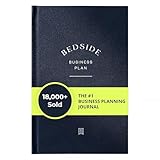
- TURN IDEAS INTO REALITY – Feeling stuck with your idea and not sure where to start? This guided journal helps you write a complete business plan so you can gain clarity and move forward with confidence as an entrepreneur.
- SIMPLE DAILY PRACTICE – 13 guided journaling sections with over 100+ business planning prompts. Make this business planner part of your routine to build momentum and work toward your business goals in just 5 minutes a day.
- BUSINESS PLANNER FOR ENTREPRENEURS – Use this guided journal to define your vision, understand your customers, evaluate competitors, plan expenses, and create a clear roadmap for launching your business.
- PERSONAL GROWTH – Designed as a personal growth workbook to help you reconnect with your purpose, prioritize well-being, and build a business plan centered around meaningful impact.
- PREMIUM ECO-FRIENDLY JOURNAL – Crafted with 100% FSC-certified recycled paper, a recycled cardboard cover, and wrapped in luxurious linen. This entrepreneur planner blends sustainability with thoughtful design.
The market is large but not automatically easy. The U.S. Census Bureau estimated Q1 2026 U.S. retail e-commerce sales at $326.7 billion, or 16.9% of total retail sales, up 9.8% year over year. That is evidence that online retail is a substantial channel—not evidence that a particular store will be profitable. The Census figure is U.S.-specific and an estimate, so it should not be treated as the reachable market for a new seller. U.S. Census Bureau e-commerce data
15 e-commerce business ideas compared
The capital and complexity ratings below are relative. Supplier location, country, product category, existing audience, and fulfillment method can move an idea up or down substantially.
| Idea | Starting capital | Inventory risk | Fulfillment complexity | Repeat potential | Main risk |
|---|---|---|---|---|---|
| Niche private label | Medium–high | High | Medium | Medium–high | Unsold inventory and quality problems |
| B2B niche supplies | Medium | Medium | Medium–high | High | Long sales cycles and account terms |
| Replenishment subscription | Medium | Medium | Medium | High | Churn and thin contribution margins |
| Curated subscription box | Medium–high | High | High | Medium | Churn and unsold stock |
| Focused dropshipping | Low–medium | Low | High | Low–medium | Supplier and delivery failures |
| Print-on-demand brand | Low | Low | Medium | Low–medium | High unit costs and imitation |
| Handmade or artisan goods | Low–medium | Low–medium | High | Medium | Labor capacity |
| Personalized gifts | Low–medium | Low | High | Low–medium | Revisions and scope creep |
| Digital templates and assets | Low | None | Low | Low–medium | Discovery, copying, and support |
| Courses and workshops | Low–medium | None | Medium | Low–medium | Weak authority or outcomes |
| Paid membership | Low–medium | None | Medium–high | High | Retention and ongoing content |
| Shelf-stable specialty food | Medium | Medium | High | Medium–high | Labeling, expiry, and food rules |
| Pet accessories | Low–medium | Medium | Medium | Medium | Safety and competition |
| Resale and collectibles | Low–medium | Variable | Medium | Low | Authentication and inconsistent supply |
| Refurbished electronics | Medium | Medium | High | Low–medium | Testing, warranties, batteries, and recalls |
How to choose the right model
Score each candidate from 1 to 5 on the following factors. A high score is desirable for each factor except dependence on one platform or supplier, where a lower score is safer.
- Evidence of demand and willingness to pay.
- Contribution margin after shipping, fees, refunds, and acquisition.
- Repeat-purchase, bundling, or subscription potential.
- Shipping simplicity and delivery reliability.
- Exposure to returns, damage, expiry, sizing, or personalization errors.
- Capital required and working-capital pressure.
- Customer-acquisition difficulty.
- Product-safety, tax, licensing, and regulatory burden.
- Defensibility through brand, expertise, sourcing, design, or community.
- Fit with your available time, skills, audience, and supplier access.
As a rule of thumb, the best starting model is usually the one that lets you test a transaction quickly while limiting irreversible spending. Existing audiences favor courses, memberships, print-on-demand, and curated products. Strong sourcing skills favor resale, vintage, collectibles, and refurbished goods. Technical expertise favors digital assets, workshops, or specialized B2B supplies. Long-term brand builders may accept the inventory and testing burden of private label.
Do these 3 things before closing this tab:
1Repair Windows errors before they cause bigger problems2Fix the driver behind crashes, sound loss and screen glitches3Clear out junk files and repair common Windows errors1. Niche private-label brand
What to sell: A focused product line under your own brand—for example, specialized organization tools, hobby accessories, travel products, or workplace equipment.
Who buys: A defined group with a specific use case, not “everyone who shops online.”
Why it can work: You can improve an existing product, control positioning, own the customer relationship, bundle complementary items, and introduce repeat-purchase products later.
Profit mechanism: Differentiation and higher average order value, followed by repeat purchases or complementary products.
What’s actually slowing this PC down?
Pick the symptom - the matching free tool is one click away.
Requirements: Samples, quality control, product photography, inventory financing, a fulfillment plan, customer support, and trademark research. Amazon Brand Registry currently requires a brand name or logo permanently affixed to the product or packaging and a pending or registered trademark from an eligible trademark office. Amazon Brand Registry requirements
A trademark identifies the source of goods and may provide legal protection for the brand; it is not a guarantee that a product will sell. USPTO trademark basics
Validation test: Choose one hero SKU, order samples from multiple suppliers, show the product to likely buyers, and collect waitlist sign-ups or deposits before placing a large order.
Main failure mode: Launching a broad catalog before proving one product, or ordering more inventory than the cash cycle can support.
Free tools Windows power users keep installed
One-click scans. No signup required.
Best first channel: A simple landing page plus a focused marketplace or community where the target buyer already searches.
2. B2B niche supply store
What to sell: Recurring supplies for a narrow professional segment, such as salon consumables, restaurant packaging, studio supplies, maker materials, office systems, or specialized maintenance products.
Who buys: Businesses that value dependable availability, easy reordering, and less procurement work.
Why it can work: Business customers may place larger orders and reorder more consistently than consumers.
Profit mechanism: Larger baskets, repeat accounts, account pricing, and lower acquisition cost after the first successful relationship.
Requirements: Reliable stock, quotes, invoices, account pricing, wholesale terms, tax handling, and responsive sales support. The opportunity is not simply to “sell wholesale online”; it is to remove a recurring procurement headache for a specific professional buyer. BigCommerce overview of e-commerce models
Validation test: Interview 10–20 businesses about their current supplier, reorder schedule, complaints, and budget. Seek sample purchase commitments or a paid pilot rather than general compliments.
Main failure mode: Offering commodities with no procurement advantage while extending credit or accepting wholesale terms you cannot finance.
Best first channel: Direct outreach, trade communities, referrals, and a catalog designed for repeat ordering.
3. Replenishment subscription
What to sell: Products customers regularly need, such as non-regulated household, grooming, office, hobby, or pet-accessory items.
Who buys: Customers who want convenience, predictable delivery, or a modest saving for committing to repeat orders.
Why it can work: Repeat billing can make demand more predictable and reduce the need to reacquire the customer for every order.
Recommended Free Tools
Profit mechanism: Customer lifetime value, lower repeat-order acquisition cost, and predictable replenishment.
Requirements: A supply chain that can maintain availability, subscription billing, failed-payment recovery, inventory forecasting, and clear skip, pause, frequency-change, and cancellation controls. Shopify identifies replenishment, curation, and access as distinct subscription models. Shopify subscription models
Model cancellations, skipped orders, failed payments, shipping increases, customer service, and refunds. Replenishment often has thinner margins than a one-time purchase, so convenience or savings must be real.
Validation test: Sell a prepaid three-month pilot to a small group. Measure renewal intent and actual usage before investing in a full subscription system.
Outdated Drivers Are Slowing You Down
One free scan finds every outdated or missing driver and matches the right update for your exact hardware.Free scan · exact hardware matchPC Slower Than It Used to Be?
A free scan shows the junk files, broken settings and background clutter dragging Windows down - then fixes them in one click.Free scan · Windows 10 & 11Main failure mode: Calling a one-time product a subscription without creating ongoing convenience or value.
Best first channel: Existing customers, email lists, or a niche community where the product is already used repeatedly.
4. Curated subscription box
What to sell: A monthly or quarterly themed box around a hobby, culture, lifestyle, or gifting occasion.
Who buys: Customers who value discovery, selection, surprise, and convenience.
Why it can work: Curation and premium presentation can create value beyond the wholesale price of the items inside.
Rank #2

- 【Hardcover Leather Journal Notebook】Our Lined journal made from high quality thickened hardcover leather and have a luxurious high-grade looks. Which is not only beautiful, but also more comfortable and delicate to touch. What's more, the notebook adopts a sturdy thread sewn edge process to ensure that the leather and will not fall off, stand the test of time. With this exquisite water-resistant hard cover, you can rest assured that your journal will be a cherished keepsake for years to come.
- 【256 Numbered Pages with Contents】 This journal notebook is specifically designed to provide you with all the writing space you need. It includes 256 pages numbers and a 3-page blank table of contents, you can jot down important notes from various pages and note them in the front of the book for easy and fast reference. 80Gsm acid-free ivory paper that's smooth to the touch and thicker than your average notebook. Which ensures that there will no ghosting or bleed-through on your pages.
- 【A5 Upgrade Journal Notebook】The journaling notebooks also feature 3 colored ribbon bookmarks, allowing you to easily keep track of important pages. 2 elastic closure design ensures that the notebook remains securely closed, keeping your notes and thoughts confidential. 1 back inner pocket for stashing notes etc. Including 1 elastic pen loop and 2 index tabs stickers. A5 size 5.75'' × 8.38'', perfect size for carrying around or put into your bag or purse, perfect addition to your daily routine!
- 【180° Lay Flat Design】The 180° lay flat design, combined with a sturdy thread-bound binding, the leather notebook can easily to lay out flat makes taking notes more efficient, reading more convenient, which provide a comfortable writing experience. Rounded corner design makes the lined notebook not easy to be damaged and curled. Standard 8mm space classic college ruled journals, each journal page has “Memo No” and “Date” header to help you keep track of the date.
- 【Wide Usage & Ideal Gifts】The leather bound journal is ideal for men women, perfect for business, school, office, home, work, college, students, adults, travelers, scientists, and people in many other fields. Suitable for writing, study, daily journals, drawing, travel, diary notebooks or for taking notes in college classes. Whether it's a birthday, anniversary, or graduation, Mothers Day,Fathers Day,Valentine's Day, Christmas, Halloween, New Year, this notebook will make an excellent gift.
Profit mechanism: Curation, presentation, supplier relationships, and a premium price for a themed experience.
Requirements: Reliable sourcing, forecasting, packaging, assembly, shipping, customer support, and a plan for leftover inventory.
Novelty is not the same as retention. Shopify specifically identifies churn and operational complexity as major risks for curated boxes. Shopify subscription models
The Tool Desk
Outbyte Driver Updater FREEFix the driver behind crashes, sound loss and screen glitchesFind Drivers →Outbyte PC Repair FREEClear out junk files and repair common Windows errorsFree Scan →Validation test: Pre-sell a limited founding cohort and buy only the quantities committed. Ask subscribers what they valued, what they would skip, and what would make them renew.
Main failure mode: Making the first box exciting but failing to deliver consistent value in later cycles.
Best first channel: A focused community, creator partnership, or event-based launch with a clear theme.
5. Focused dropshipping store
What to sell: A small selection of products from a vetted supplier, organized around one customer and use case.
Quick wins for a faster PC:
Scan for outdated or missing drivers - takes under a minuteDriver Scan →Clear out junk files and repair common Windows errorsFree Scan →Who buys: Customers who value the product’s solution, presentation, or availability—not merely the lowest price.
Why it can work: You avoid purchasing and storing inventory before a sale.
Profit mechanism: Low upfront inventory exposure combined with focused merchandising and customer acquisition.
Requirements: Supplier samples, delivery testing, accurate shipping disclosures, refund handling, customer support, and product-safety checks. Dropshipping does not remove responsibility for quality, refunds, shipping information, recalls, or potentially product liability. Shopify dropshipping legal guidance
The Tool Desk
Outbyte Driver Updater FREEFix the driver behind crashes, sound loss and screen glitchesFind Drivers →Outbyte PC Repair FREERepair Windows errors before they cause bigger problemsFix Now →Shopify recommends test orders to assess fulfillment speed, packaging, tracking, defects, supplier responsiveness, and cost of goods. Shopify supplier guidance
Validation test: Order samples to your own delivery destination, test the complete customer journey, and start with a small organic or tightly capped paid test.
Main failure mode: Using generic products, long unverified delivery times, counterfeit goods, safety-sensitive products, or suppliers that sell the same catalog directly to consumers.
Best first channel: Content or community-led traffic around a narrow problem, rather than a broad paid-ad catalog.
Windows Errors? Fix Them Before They Spread
Repair common Windows errors and clear accumulated junk for a smoother, more stable PC - no reinstall needed.Free scan · no reinstallOutdated Drivers Are Slowing You Down
One free scan finds every outdated or missing driver and matches the right update for your exact hardware.Free scan · exact hardware match6. Print-on-demand niche brand
What to sell: Apparel, posters, mugs, books, or accessories printed only after the customer orders.
Who buys: A defined community that identifies with a design language, interest, profession, location, or cultural theme.
Why it can work: Suppliers generally produce and ship the item without minimum order quantities, reducing inventory risk. Shopify print-on-demand supplier guidance
Profit mechanism: Audience relevance and distinctive designs, not the blank product itself.
Requirements: Original designs, samples, size and quality checks, shipping-cost modeling, and a clear returns policy.
Do not use a universal margin claim such as “print-on-demand gives 40% margins.” Actual contribution depends on the blank product, supplier, destination, shipping, discounts, refunds, marketplace fees, and advertising.
Validation test: Release a small collection to a defined community and measure paid conversion, not just likes or shares.
Main failure mode: Generic slogans, copied trends, or designs that are easy to imitate and expensive to ship.
Best first channel: An existing audience, creator collaboration, or niche community with permission to promote.
7. Handmade or artisan goods
What to sell: Ceramics, jewelry, textiles, art prints, candles, or specialist craft goods where craftsmanship, provenance, or design supports premium pricing.
Who buys: Customers who value uniqueness, story, materials, craftsmanship, or small-batch production.
Why it can work: Handmade differentiation can reduce direct comparison with mass-market products.
What’s actually slowing this PC down?
Pick the symptom - the matching free tool is one click away.
Profit mechanism: Premium pricing, limited releases, repeat collectors, bundles, and wholesale partnerships.
Requirements: A repeatable production process, quality standards, packaging, photography, and accurate labor accounting.
Track total production time, materials, defects, packaging, photography, customer communication, and post-sale support. A product selling for $80 but taking two hours may be less attractive than a $35 product taking 15 minutes.
Validation test: Sell a small batch and record production time per unit, defect rate, sell-through, and the price buyers actually accept.
Recommended Free Tools
Main failure mode: Pricing only for materials while donating your labor.
Best first channel: A visual marketplace, local market-to-online funnel, or audience that already values the craft.
Rank #3

- TURN YOUR IDEAS INTO REALITY: Unleash your creativity with this unique planning notebook, consisting of 224 pages divided into 112 Project Planner sheets. Each sheet is designed to step-by-step completion and management of your project.
- EMPOWER YOUR MANAGEMENT: This professional project organizer keeps all project-related information in one place. Stay on top of multiple projects with the convenient project tracker notebook feature, ensuring no detail is missed.
- ARCHIVE YOUR PROJECT GOALS: Stay focused on your projects with dedicated sections for objectives, tasks with deadline, essential supplies and tools notes, space for ideas and sketches illustration, and notes. Experience a simple yet powerful tool to ensure completion and accomplish more with ease.
- EFFICIENT BONUS STATIONARIES: You will receive either set of a ball pen and two cute sticky notes or a set of remind stick pads (randomly). The versatile design can be used for projects at home, work, school, or business to organize, manage a team, and to delegate tasks. This planner is a simple way to make sure you finish what you start and accomplish more.
- HANDLE SINGLE PROJECT IN HAND: Designed with tearable sheets allow you taking any single sheet for more convenient. 7x10 inch sheets are printed on 70 lb premium paper. With advanced printing technology and leather cover, our planner exudes a premium feel and long lasting.
8. Personalized gifts and commissions
What to sell: Engraved gifts, wedding stationery, pet portraits, custom furniture, 3D models, personalized décor, or other made-to-order products.
Who buys: Customers paying for emotional relevance, identity, gifting, or a product that cannot be purchased off the shelf.
Do these 3 things before closing this tab:
1Repair Windows errors before they cause bigger problems2Scan for outdated or missing drivers - takes under a minute3Clear out junk files and repair common Windows errorsWhy it can work: Personalization raises perceived value and reduces direct price comparison.
Profit mechanism: Custom value, deposits, standardized options, and premium pricing.
Requirements: Deposits, written specifications, approval proofs, lead-time promises, revision limits, and a policy for customer errors.
Separate standardized personalization from bespoke commissions. The former can become a product business; the latter is closer to a service business and is usually more capacity-constrained.
Free tools Windows power users keep installed
One-click scans. No signup required.
Validation test: Sell mockups with a paid deposit and limit the first batch to a manageable number of customers.
Main failure mode: Unlimited revisions, vague approvals, and accepting more work than your production capacity allows.
Best first channel: Search-driven marketplaces, wedding and gifting communities, or partnerships with event professionals.
9. Digital templates and assets
What to sell: Spreadsheets, design files, lesson materials, business documents, printable planners, presets, icons, fonts, or specialist templates.
Who buys: People who want a faster, clearer, or more professional way to complete a defined task.
Why it can work: There is no physical inventory, delivery is immediate, and marginal fulfillment cost is low.
Profit mechanism: Solving a narrow problem once and selling the solution repeatedly, with bundles, updates, or support as additional value.
Requirements: Original work, compatibility testing, instructions, update procedures, customer support, and licensing discipline.
Digital goods are not automatically passive. Discovery, trust, piracy, refunds, platform fees, and compatibility questions remain real costs. Original online content may be copyright-protected, but third-party fonts, images, music, code, and templates require appropriate licenses. U.S. Copyright Office small-business guidance
Validation test: Pre-sell one narrow template to a known audience and observe whether buyers complete checkout without needing a large catalog.
Main failure mode: Creating a generic resource that is easy to copy and difficult to discover.
Best first channel: Search, an email list, professional communities, or educational content that demonstrates the problem and solution.
Quick wins for a faster PC:
Fix the driver behind crashes, sound loss and screen glitchesFind Drivers →Clear out junk files and repair common Windows errorsFree Scan →10. Online courses or cohort workshops
What to sell: A focused course, live workshop, cohort, or practical learning program.
Who buys: Learners who want a specific outcome such as passing an exam, learning a workflow, or completing a project.
Why it can work: Expertise, feedback, examples, and accountability are harder to compare than a generic product.
Profit mechanism: Expertise and repeatable delivery, with higher prices for live feedback or implementation support.
Requirements: Demonstrable knowledge, a defined outcome, curriculum, exercises, support boundaries, refund terms, and an update plan.
Validation test: Pre-sell a live workshop before recording a large course. Use participant questions and completion problems to improve the eventual product.
Main failure mode: Selling information without a credible outcome, practical examples, or sufficient support.
Best first channel: An existing audience, professional network, webinars, or content that demonstrates the instructor’s competence.
Do these 3 things before closing this tab:
1Fix the driver behind crashes, sound loss and screen glitches2Repair Windows errors before they cause bigger problems3Scan for outdated or missing drivers - takes under a minute11. Paid membership or resource library
What to sell: Recurring access to research, templates, tools, office hours, discounts, community, or regularly updated resources.
Who buys: Customers with an ongoing problem that becomes easier, cheaper, or less risky with continued access.
Why it can work: Recurring value can create recurring revenue and deepen the customer relationship.
Profit mechanism: Retention, searchable archives, new resources, community effects, and reduced acquisition cost over the customer lifetime.
Free tools Windows power users keep installed
One-click scans. No signup required.
Requirements: A publishing cadence, moderation and support capacity, billing controls, cancellation flows, and a clear reason to remain subscribed.
The product is continued value, not merely a login. Be transparent about price, billing interval, renewal, trial terms, and cancellation. In the U.S., subscription requirements can vary by state; the FTC describes its existing Negative Option Rule as covering prenotification plans and has discussed possible amendments. FTC Negative Option Rule
Validation test: Recruit founding members around one specific outcome and track activation, usage, support requests, and renewal intent.
Rank #4

- Easily Stay On Track & Make The Most of Your Time: ZICOTOs’ daily planner makes it easier than ever for you to stay organized, reduce stress & enjoy more free time! Arrange your schedule, priorities, to do’s and jot down plans & ideas on the daily notes section
- Smartly Plan Ahead & Boost Your Productivity: Absolutely clever & efficient! With the planner notebook you can break down your daily tasks into half-hourly focus blocks and map out priorities & follow-up duties to keep your day on track and enhance productivity
- Plenty Of Space For Efficient Planning: Stay focused & manage your time wisely! The 9.3x6.3” (inner pages) work planner & organizer notebook offers ample space for 80 days of life-changing planning with each day being spread across 2 pages - set yourself up for purposeful days
- Now Is The Best Time To Start: The daily planner is undated so you can start to add structure to your schedule and cultivate new planning habits right away! Beat procrastination, boost happiness & make each day count with the hourly planner
- Adds Beauty To Daily Planning: A gorgeous champagne pink cover, chic gold foil letters, a golden ring wire and a clean, easy-to-use layout - enjoy the gorgeous and modern minimalist design of the undated daily planner!
Main failure mode: Promising a community or content stream without a sustainable publishing and moderation system.
Best first channel: An existing newsletter, professional group, creator audience, or niche forum.
12. Specialty shelf-stable food
What to sell: Regional, cultural, premium, giftable, or hard-to-find shelf-stable foods.
Who buys: Customers seeking convenience, authenticity, gifting, or products unavailable locally.
Why it can work: Differentiation, gifting, and repeat consumption can support a stronger relationship than generic grocery resale.
Recommended Free Tools
Profit mechanism: Bundles, gifting, repeat orders, and a differentiated assortment.
Requirements: Food permits, labeling, allergen controls, storage, expiry management, packaging, carrier restrictions, and cross-border import research. Perishable food is a separate and higher-complexity model.
USDA research found that 19.3% of U.S. grocery shoppers bought groceries online at least once during the prior month in 2022 or 2023, with time constraints a major reason. This is U.S. research and does not predict demand for a particular food product. USDA Economic Research Service
Validation test: Start locally with compliant samples, a small batch, and a narrow delivery area before attempting national or international shipping.
Main failure mode: Treating food as ordinary retail merchandise and discovering too late that labeling, expiry, or shipping requirements change the economics.
Best first channel: Cultural communities, local events, specialty-food content, and gifting occasions.
13. Pet accessories
What to sell: A narrow product line for one species and use case, such as enrichment for indoor cats, travel gear for small dogs, or grooming organization.
Who buys: Pet owners who purchase emotionally and want safer, more convenient, or better-designed products.
Windows Errors? Fix Them Before They Spread
Repair common Windows errors and clear accumulated junk for a smoother, more stable PC - no reinstall needed.Free scan · no reinstallCrashes, No Sound, or Screen Glitches?
Random freezes, missing sound and display glitches usually trace back to one bad driver. Find and replace yours safely.Free scan · under a minuteWhy it can work: Strong emotional attachment and several repeat-purchase categories can support testing and bundles.
Profit mechanism: Focused positioning, bundles, repeat accessories, and trust.
Requirements: Safety testing, accurate sizing, durable materials, returns handling, and careful claims. Start with non-medicated accessories if you have limited regulatory experience; ingestibles, supplements, medicines, and health claims are higher-risk.
The American Pet Products Association reported U.S. pet-industry spending of $158 billion in 2025 and projected $165 billion for 2026. Those are total U.S. industry figures, not a forecast for a new online seller. APPA 2026 State of the Industry
Validation test: Choose one species and use case, demonstrate the product in real situations, and sell a small batch before adding categories.
Main failure mode: Opening a generic pet store or making safety, wellness, or performance claims that the evidence cannot support.
Best first channel: Pet communities, creators, local trainers, and search content around a specific problem.
14. Resale, vintage, and collectibles
What to sell: Underpriced, scarce, discontinued, culturally valuable, or collectible items sourced through your knowledge and network.
Who buys: Buyers who value scarcity, authenticity, condition, provenance, or access to discontinued products.
Why it can work: Your sourcing skill creates differentiation that a generic catalog cannot easily copy.
Profit mechanism: Buying below market value, accurate grading, authentication, and disciplined sell-through.
Requirements: Sourcing channels, condition standards, authentication procedures, photography, searchable listings, storage, and inventory records.
What’s actually slowing this PC down?
Pick the symptom - the matching free tool is one click away.
DHL’s 2026 research reported that 52% of surveyed consumers had sold an item on an online marketplace and 45% had bought second-hand or refurbished products for sustainability reasons. The survey covered 29,000 shoppers across 29 countries; it is not a country-specific forecast. DHL 2026 E-Commerce Trends Report
Validation test: List 20 sourced items, track time to acquire and list them, sell-through rate, realized price, fees, returns, and days to cash.
Main failure mode: Buying based on an asking price rather than recent sold prices, or selling items whose authenticity cannot be documented.
Best first channel: A specialist marketplace with the right buyer intent, followed by an owned customer list.
The Tool Desk
Outbyte Driver Updater FREEScan for outdated or missing drivers - takes under a minuteDriver Scan →Outbyte PC Repair FREEClear out junk files and repair common Windows errorsFree Scan →15. Refurbished electronics or upcycled tech
What to sell: Tested, cleaned, graded, repaired, or creatively repurposed electronics and accessories.
Who buys: Customers seeking lower prices, sustainability, rare configurations, repairable products, or trusted testing.
Why it can work: Technical skill and transparent grading can create value beyond the raw resale price.
Profit mechanism: Value pricing, repair expertise, testing, warranties, and selective sourcing.
Best Value

- Career Transition for Professionals – Become an entrepreneur with this guided journal featuring 60+ reflective prompts. Define your personal journey to entrepreneurship and take action with clarity and purpose.
- Overcome Entrepreneurship Fears – Overcome self-doubt and imposter syndrome in this personal development workbook. Use this entrepreneurial planner as a way to build the confidence you need for your career transition.
- Step-by-Step Guided Practices - Daily prompts guide your transition from employee to entrepreneur. This career change business diary makes entrepreneurship goal planning manageable and inspiring through self development and professional reflection.
- Personal Transformation - Focus on your entrepreneurial identity, needs, and work-life balance. Create your career transition roadmap based on your values with the support of a focus project notebook geared towards business professionals.
- Empowering Entrepreneur Gift – Transition to self-employment and start your entrepreneurial journey. A thoughtful journal gift, a great office gift for coworkers, or boss appreciation gift.
Requirements: Documented testing, honest condition descriptions, battery and charger checks, data wiping, warranty handling, recall screening, and safe packaging.
In the United States, the Consumer Product Safety Commission says online sellers and resellers must keep unsafe and recalled products out of commerce; selling recalled products is unlawful. CPSC Online Sellers’ Safety Guide
Validation test: Begin with one low-complexity category, such as a specific accessory class, and document the full test-and-return process before expanding.
Main failure mode: Underestimating warranty claims, battery hazards, defects, returns, or the labor required to make each unit saleable.
Quick wins for a faster PC:
Scan for outdated or missing drivers - takes under a minuteDriver Scan →Repair Windows errors before they cause bigger problemsFix Now →Best first channel: A specialist marketplace, local pickup network, repair community, or content that demonstrates your testing process.
Independent reader supportYour contribution helps us test, update, and keep practical guides available for everyone.How to validate demand before spending heavily
Use several independent signals. Search volume, competitor ads, and social engagement can indicate attention; they do not prove willingness to pay or profitable fulfillment.
- Define one customer and one problem. Write down the buyer, the situation that triggers the purchase, the current workaround, and the initial product.
- Check demand and seasonality. Use Google Trends to compare terms by country, region, and time range. Multiple terms can be compared within Trends. Google Trends help
- Inspect marketplace demand. If Amazon is central to the plan, use
Seller Central → Growth → Product Opportunity Explorerto examine search demand, purchasing behavior, pricing, niche saturation, reviews, returns, and product features. Amazon Product Opportunity Explorer - Read complaints, not just ratings. Review competitor returns, one-star reviews, support questions, and delivery complaints. Look for a problem you can solve without creating a safety or compliance problem.
- Inspect active advertising. Search the Meta Ad Library for active ads and use TikTok Creative Center for regional trends, ad examples, top products, and creative patterns. Repeated ads may indicate sustained marketing, but ad presence alone does not prove profitability.
- Interview buyers about behavior. Ask what they use now, when they last bought it, how often they buy, what they dislike, what they paid, and who approves the purchase. “Would you buy this?” is weak evidence.
- Test the transaction. Collect deposits, pre-sell a workshop, sell a small batch, or obtain written B2B purchase intent. A real payment is stronger evidence than a survey response.
- Order samples and test delivery. Check quality, packaging, tracking, arrival time, defects, and return handling from the buyer’s destination.
A low-risk 14-day validation plan
- Days 1–2: Pick one customer, one problem, and one product. Write a one-sentence promise and a maximum price you believe the buyer could accept.
- Days 3–4: Review search trends, competitor listings, complaints, delivery promises, and active ads. Record the gaps you could realistically solve.
- Days 5–6: Speak with prospective buyers. Ask about their last purchase and current workaround.
- Days 7–8: Build a basic offer page with price, delivery expectation, refund terms, and one clear call to action.
- Days 9–11: Run a small pre-sale, deposit test, workshop sale, or batch launch. Keep paid traffic tightly capped until the economics are known.
- Days 12–14: Calculate contribution per order, record objections, test the delivery process, and decide whether to continue, change the offer, or stop.
Do not buy substantial inventory, record a large course, or automate a complex subscription until the first transaction and the unit economics survive this test.
The e-commerce profit calculation
Markup and revenue can make a business look healthy while cash flow deteriorates. Use contribution margin for each product, channel, and destination.
Shopify presents profit margin as:
Profit margin = (selling price − cost per item) ÷ selling price × 100For decision-making, expand “cost per item” to include manufacturing or supplier cost, storage, shipping, selling fees, customer acquisition, expected returns, and other order-linked expenses. Shopify profit-margin calculator
Illustrative example only:
$50 sale
− $18 product cost
− $6 shipping
− $2 packaging
− $2 payment and marketplace fees
− $12 customer-acquisition cost
− $3 returns reserve
= $7 net contribution
If monthly fixed costs are $1,500:
$1,500 ÷ $7 ≈ 215 orders per month to break evenThat calculation excludes owner salary unless you include it in fixed costs. It also assumes the $12 acquisition cost is stable. If CAC rises to $18, contribution falls to $1 and the required volume becomes economically fragile.
Calculate the maximum viable CAC
Your maximum viable CAC is not automatically your entire gross profit. Reserve enough contribution to cover fixed costs, refunds, customer service, future discounts, and a reasonable owner return. A product that appears profitable before advertising may be unprofitable after it is advertised.
Free shipping, free returns, creator commissions, failed deliveries, chargebacks, taxes, duties, and discounts are business expenses even when the customer sees them as free.
Do these 3 things before closing this tab:
1Clear out junk files and repair common Windows errors2Scan for outdated or missing drivers - takes under a minute3Repair Windows errors before they cause bigger problemsDelivery, returns, and customer service
Fulfillment is part of the sales proposition, not merely a back-office function. DHL’s 2025 survey of 24,000 shoppers across 24 markets found that 81% would abandon a purchase if their preferred delivery option was unavailable, while 79% would abandon if the return process did not meet expectations. These are global survey results, not a forecast for every country. DHL 2025 Shopper Report
For every product, answer:
- What is the delivery promise, and can the supplier reliably meet it?
- Where does the product ship from?
- Who pays outbound shipping, return shipping, duties, and taxes?
- What happens when the supplier is late or sends the wrong item?
- Can a returned product be resold?
- Are sizing, fit, fragility, expiry, or personalization likely to increase returns?
Build a return reserve into contribution margin. A return can create reverse shipping, inspection, repackaging, payment reversal, customer-service time, and an item that can no longer be sold as new.
Legal and compliance checklist
Requirements depend on your country, customer location, product category, sales channel, and claims. U.S. examples below do not automatically apply elsewhere.
- Business and taxes: Check registration, income tax, sales tax or VAT, invoicing, customs, duties, and import responsibilities. Cross-border sellers may have obligations where they target customers, not only where they are based.
- Intellectual property: Use original designs or obtain licenses. Do not copy trademarks, celebrity likenesses, licensed characters, digital assets, music, code, fonts, or images.
- Product safety: Research warnings, testing, documentation, recalls, and marketplace rules. U.S. online sellers and resellers must keep unsafe and recalled products out of commerce. CPSC safety guidance
- Advertising claims: Claims must be truthful, non-deceptive, and supported by evidence. Health claims generally require competent and reliable scientific evidence. FTC advertising guidance and FTC health-products guidance
- Food: Check permits, labeling, allergens, storage, expiry, manufacturing rules, and carrier restrictions before selling. Imported food may add another layer of requirements.
- Cosmetics: In the U.S., products must not be adulterated or misbranded, must be safe under labeled or customary use, and must be properly labeled. MoCRA expanded FDA authority. FDA cosmetics guidance for small businesses
- Supplements, pet consumables, and medicines: Treat these as higher-risk categories requiring category-specific research and evidence for claims.
- Children’s products and electronics: Check applicable testing, certifications, battery rules, warnings, recalls, and warranty obligations for each destination.
- Subscriptions: Show the exact price, billing interval, trial or promotion end date, what is delivered, shipping and tax treatment, skip and pause controls, cancellation method, and failed-payment process. Shopify supports pay-as-you-go and prepaid subscription billing. Shopify subscription documentation
- Consumer returns: For EU consumers, most online purchases have a 14-day withdrawal period, subject to exceptions. EU rights can matter even when the seller is outside the EU if it targets EU customers. Your Europe returns guidance
- Privacy and customer data: Use a privacy notice, secure payment processing, appropriate consent and email practices, and a retention policy suited to the jurisdictions you serve.
- Endorsements and affiliates: Disclose material connections near recommendations or links. FTC Endorsement Guides
Which model fits which founder?
| If you have… | Start by considering… | Watch closely |
|---|---|---|
| Limited cash and no inventory budget | Digital templates, workshops, memberships, or POD | Discovery cost, trust, support, and design competition |
| An existing audience | Courses, memberships, POD, or curated products | Whether the audience will actually pay |
| Technical expertise | Digital assets, workshops, refurbished tech, or specialist B2B supplies | Support and warranty obligations |
| A sourcing advantage | Resale, vintage, collectibles, or specialty food | Authentication, inconsistent inventory, and compliance |
| A desire for recurring revenue | Replenishment subscriptions, B2B supplies, or memberships | Churn, failed payments, and ongoing value |
| A desire to build a sellable brand | Focused private label or a defensible niche brand | Working capital, quality, trademark, and channel concentration |
| Strong craft skills but limited audience | Handmade or personalized products | Labor time, capacity, and customer acquisition |
What common e-commerce advice gets wrong
Market-size forecasts do not establish reachable demand. Platform seller revenue is not profit. Generic margin percentages are unreliable without product, supplier, geography, shipping, refunds, fees, taxes, and CAC. “Low inventory” is not the same as low risk: dropshipping and POD shift risk toward supplier quality, delivery, customer service, and acquisition.
Some popular lists also mix product businesses with online services such as web design, copywriting, social-media management, and virtual assistance. Those can be excellent online businesses, but they are service models rather than conventional e-commerce product models. Forbes Advisor’s e-commerce ideas overview
BigCommerce provides useful model categories and discusses demand, saturation, execution difficulty, and growth prospects. A stronger decision requires replacing subjective “low-risk” labels and generalized break-even timelines with actual contribution margin, returns, CAC, working capital, and a validation experiment. BigCommerce business ideas
Amazon reports that independent sellers averaged more than $375,000 in annual sales in its U.S. store in 2025 and that more than 75,000 independent sellers surpassed $1 million in sales. These are first-party platform sales figures, not profit figures or typical outcomes for a new seller. Amazon online-business guide
Common failure modes
- Buying inventory before testing demand.
- Running paid ads before calculating the maximum viable CAC.
- Confusing revenue, markup, gross margin, contribution margin, and net profit.
- Assuming viral attention proves durable demand.
- Promising delivery dates a supplier cannot reliably meet.
- Offering free returns without modeling reverse logistics.
- Using copied designs, trademarks, celebrity likenesses, or unlicensed assets.
- Assuming a supplier’s certification automatically covers every destination market.
- Advertising unsupported health, weight-loss, environmental, or performance claims.
- Selling recalled, counterfeit, unsafe, or poorly documented goods.
- Ignoring taxes, VAT, duties, customs, privacy, and import responsibilities.
- Treating a marketplace audience as an owned customer asset.
- Making subscriptions difficult to cancel or unclear at renewal.
- Calling courses, memberships, or automated stores “passive income.”
- Accepting custom work without deposits, approvals, revision limits, or lead-time controls.
Frequently asked questions
What is the best e-commerce idea for a beginner?
Usually, the best beginner model is the one that can be tested with minimal irreversible spending and matches an existing skill or audience. Digital templates, a pre-sold workshop, carefully tested POD, and small-batch resale are often easier to validate than inventory-heavy private label. None is automatically profitable.
Windows Errors? Fix Them Before They Spread
Repair common Windows errors and clear accumulated junk for a smoother, more stable PC - no reinstall needed.Free scan · no reinstallCrashes, No Sound, or Screen Glitches?
Random freezes, missing sound and display glitches usually trace back to one bad driver. Find and replace yours safely.Free scan · under a minuteCan I start an e-commerce business without inventory?
Yes. Digital products, courses, memberships, print-on-demand, and dropshipping can avoid holding conventional inventory. They still have costs and risks: content creation, support, copying, supplier reliability, shipping, refunds, platform fees, and customer acquisition.
How much money do I need?
There is no useful universal number. A digital product or pre-sold workshop may require little upfront cash; private label, food, and refurbished electronics require more working capital and compliance preparation. Calculate the cash needed for samples, setup, the first test, refunds, taxes, and the time until customer payments arrive.
How long does it take to become profitable?
There is no defensible universal timeline. Profit depends on demand, contribution margin, CAC, repeat purchases, working capital, product complexity, and founder execution. Use a paid validation test and a break-even model rather than a generic promise such as “18–24 months.”
Is dropshipping still viable?
It can be viable when the product solves a specific problem, the supplier is tested, delivery expectations are honest, and the contribution margin supports acquisition and returns. It is not a shortcut around product safety, refunds, customer service, or liability. Generic catalogs with slow shipping and weak margins are especially vulnerable.
The Tool Desk
Outbyte Driver Updater FREEScan for outdated or missing drivers - takes under a minuteDriver Scan →Outbyte PC Repair FREEClear out junk files and repair common Windows errorsFree Scan →Which ideas have the highest margins?
Digital products can have low marginal fulfillment costs, but that does not guarantee high net profit because discovery, support, refunds, piracy, and platform fees remain. Physical products may earn stronger contribution through differentiation, bundles, repeat purchases, or sourcing skill. Compare complete contribution margin—not a headline gross margin—across the same channel and destination.
Should I use debt to fund my first inventory order?
Do not rely on debt until demand, supplier quality, delivery, return exposure, and cash conversion have been tested. An order that looks profitable on paper can become a cash-flow problem if it sells slowly, arrives late, or generates returns.
Frequently Asked Questions
What is the best e-commerce idea for a beginner?
Usually, the best beginner model is the one that can be tested with minimal irreversible spending and matches an existing skill or audience. Digital templates, pre-sold workshops, carefully tested print-on-demand, and small-batch resale are often easier to validate than inventory-heavy private label.
Can I start an e-commerce business without inventory?
Yes. Digital products, courses, memberships, print-on-demand, and dropshipping can avoid holding conventional inventory. They still involve support, copying, supplier, shipping, refund, platform, and customer-acquisition risks.
How much money do I need to start?
There is no universal amount. Digital products and pre-sold workshops may require little upfront cash, while private label, food, and refurbished electronics require more working capital and compliance preparation. Budget for samples, setup, testing, refunds, taxes, and delayed customer payments.
How long does it take to become profitable?
There is no reliable universal timeline. Profit depends on demand, contribution margin, CAC, repeat purchases, working capital, product complexity, and execution. Use a paid validation test and break-even calculation instead of a generic timeline.
Is dropshipping still viable?
Dropshipping can work when the product solves a specific problem, the supplier is tested, delivery expectations are honest, and the margin supports acquisition and returns. It does not remove responsibility for safety, refunds, service, or liability.
Which e-commerce ideas have the highest margins?
Digital products can have low marginal fulfillment costs, but discovery, support, piracy, refunds, and platform fees still matter. Physical products may achieve stronger contribution through differentiation, bundles, repeat purchases, or sourcing skill. Compare complete contribution margin rather than headline gross margin.
Quick wins for a faster PC:
Scan for outdated or missing drivers - takes under a minuteDriver Scan →Clear out junk files and repair common Windows errorsFree Scan →The Bottom Line
The most profitable e-commerce idea is usually not the trendiest product. It is a narrowly defined offer with proven willingness to pay, enough contribution margin after fulfillment and acquisition, and a risk level your cash, skills, and time can support. Start with one customer, one product, and one paid validation test; scale only after the numbers and delivery experience hold up.




