Outdated Drivers Are Slowing You Down
One free scan finds every outdated or missing driver and matches the right update for your exact hardware.Free scan · exact hardware matchPC Slower Than It Used to Be?
A free scan shows the junk files, broken settings and background clutter dragging Windows down - then fixes them in one click.Free scan · Windows 10 & 11The largest advertised small-business financing limits can reach $20 million, but that figure needs important context: it refers to a marketplace or lender-network ceiling, not a typical loan offer or a single federal small-business loan. The SBA’s standard 7(a) program generally tops out at $5 million, while SBA 504 financing can reach $5.5 million for qualifying fixed-asset projects. Under a policy effective July 4, 2026, eligible borrowers may coordinate 7(a) and 504 financing for up to $10 million in SBA-backed financing—but that is not a universal $10 million entitlement or necessarily one loan.
For most small businesses, the right choice depends less on the advertised maximum than on the use of funds, cash-flow pattern, time in business, revenue, credit, collateral and how quickly the money is needed. This list separates conventional loans from lines of credit, marketplaces, invoice factoring and merchant cash advances, which are not conventional installment loans.
Best small-business financing at a glance
| Pick | Best for | Type | Advertised range | Speed or term | Main drawback |
|---|---|---|---|---|---|
| SBA 7(a) | Flexible, lower-cost long-term capital | SBA-guaranteed term loan | Up to $5 million | Up to 25 years for qualifying real estate | More documentation and slower closing than most online products |
| SBA 504 | Commercial real estate and major equipment | SBA-backed fixed-asset financing | Up to $5.5 million, subject to program limits | 10-, 20- or 25-year maturities | Generally cannot fund working capital or inventory |
| Lendzi | Searching across a broad lender network | Marketplace | $5,000–$20 million listed by Finder | Varies by matched lender; same-day funding may have cutoff conditions | The $20 million figure is a network ceiling, not a promised offer |
| Fundera by NerdWallet | Comparing several financing types | Marketplace | $2,500–$5 million | Varies by partner | Partner pricing and terms vary |
| Bank of America SBA financing | Established businesses wanting bank or SBA financing | Bank and SBA loans | $200,000–$5 million for listed SBA 7(a) products | Varies by product | Bank underwriting may be demanding |
| Fora Financial | Fast unsecured working capital | Working-capital loan | Up to $1.5 million | Up to 24 months; approval potentially within four hours | Daily or weekly payments and no standard APR displayed on the product page |
| Bluevine | Revolving working capital | Business line of credit | Up to $250,000 | Up to 52 weeks for some newer borrowers | Eligibility and repayment-plan requirements are significant |
| OnDeck | Fast short-term funding | Online term loan or line of credit | $6,000–$200,000 on its current page | Terms up to 24 months; same-day funding after approval may be available | Frequent payments can pressure thin or seasonal cash flow |
| National Funding | New or used equipment | Equipment financing | Up to $150,000 | Approval potentially within 24 hours | Compare ownership, lease and end-of-term costs—not only the payment |
| Kiva | Very small loans, startups and excluded borrowers | Crowdfunded loan | Up to $15,000 | Depends on completing fundraising | An unfunded campaign does not result in disbursement |
| altLINE | B2B companies waiting for invoices to be paid | Invoice factoring | Commonly $30,000–$5 million | Typical advances of 80%–90% of invoice value | It is receivables financing or a receivables sale, not a conventional loan |
Our methodology
These picks are not a universal ranking of the cheapest financing. They are editorial choices based on product fit, cost transparency, potential borrowing range, repayment flexibility, accessibility, funding speed, collateral and guarantee burden, lender or marketplace status, customer support and the currentness of publicly posted terms. We required each selection to have a current first-party product page or a clearly identified program, a stated product type, a published amount range or maximum, and a clear reason to include it.
What’s actually slowing this PC down?
Pick the symptom - the matching free tool is one click away.
#1 Best Overall
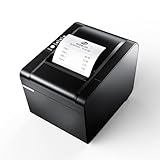
- 【Fast Printing & Auto Cutter】The pos printer high efficiency with auto cutter and printing speed--250mm/sec. Easy for paper installation, easy maintenance, easy to use.Three Interface ports:USB+ LAN + SERIAL PORT.DO NOT-Wifi-Bluetooth.
- 【Wall Hanging Design】 Kitchen printer with two hanging holes on the bottom support wall mount hanging. Easy to use, save the place. With auto cutter and compatible with several operating systems. Print width:79.5±0.5mm; Paper Width:3 1/8" (80mm).
- 【Wide Compatibility&Reasonable Design】Desktop or wall-mounted type for option, lets you use every space more rationally. The humanized auto-cutter, the receipt will not fall to the ground after printing. One-button open cover and large paper warehouse design, easy to use & maintain. Work with MUNBYN 3 1/8 x 203ft thermal paper,MFLABEL thermal receipt paper.
- 【Most Cost-effective】Support cash drawer driving, compatible ESC/POS print commands.Do not need ribbon/ink cartridge, low operating cost. The printer has the function of overheating protection, long service life. Printing characters with high speed, reliable performance.It is an ideal choice for receipt printing in large shopping malls, supermarkets, retail, hotels, canteens, restaurants, etc.
- 【Buy with Confidence】 Rongta is a brand that is dedicated to offering the highest quality products and good shopping experience for the customer. Warm tips:The receipt printer is not compatible with Ubereats/Grubhub/Doordash/Lightspeed/Postmates/Square/Chromebook/Clover.
Where a provider does not publish a comparable APR, minimum credit score or complete fee schedule, that limitation is stated rather than treated as evidence that the product is inexpensive. Marketplace figures are also labeled as marketplace figures. The amount a network advertises is not the same as the amount one lender will approve.
The 11 best small-business financing options
1. SBA 7(a): Best overall for flexible, long-term financing
Provider type: SBA-backed loan program offered through participating banks and other approved lenders.
Amount: Up to $5 million.
Best for: Working capital, commercial real estate, equipment, supplies, ownership changes, business acquisitions and certain debt refinancing.
The SBA 7(a) program is the strongest all-purpose choice for a profitable or otherwise well-supported business that can tolerate a more involved application. It can finance many uses under one program and can offer a substantially longer repayment period than short-term online products. Qualifying real-estate financing may have a maturity of up to 25 years.
Quick wins for a faster PC:
Repair Windows errors before they cause bigger problemsFix Now →Fix the driver behind crashes, sound loss and screen glitchesFind Drivers →Clear out junk files and repair common Windows errorsFree Scan →The SBA does not ordinarily hand the money directly to a 7(a) borrower. A participating lender underwrites and funds the loan, with the SBA guaranteeing a portion of the lender’s exposure. The guarantee is generally 85% for loans of $150,000 or less and 75% above $150,000. That guarantee protects the lender; it does not erase the borrower’s repayment obligation.
For variable-rate 7(a) loans, SBA rules cap the lender’s spread over the applicable base rate. The published caps are:
- $50,000 or less: base rate plus 6.5 percentage points
- $50,001 to $250,000: base rate plus 6.0 percentage points
- $250,001 to $350,000: base rate plus 4.5 percentage points
- More than $350,000: base rate plus 3.0 percentage points
Those are caps, not quotes. The actual rate depends on the lender, loan structure, borrower and current base rate. A borrower should also ask about the SBA guarantee fee, lender fees, packaging charges, collateral, personal guarantees, prepayment terms and whether the rate is fixed or variable. See the SBA’s 7(a) terms and conditions for current program details.
Biggest drawback: SBA loans usually require more financial statements, tax returns, explanations and underwriting time than fast online financing. Eligibility also depends on current SBA rules, including ownership, citizenship and residency requirements revised effective March 1, 2026. Review the 2026 SBA procedural notice rather than relying on older eligibility summaries.
Best fit: A business with established operations, defensible repayment capacity and a need for general-purpose capital at a manageable long-term payment.
2. SBA 504: Best for commercial real estate and major equipment
Provider type: SBA-backed fixed-asset program arranged through a Certified Development Company and a third-party lender.
Amount: Up to $5.5 million, subject to program and project restrictions.
Best for: Owner-occupied commercial property, land, buildings, construction or renovation tied to eligible fixed assets, and long-term machinery or equipment.
The Tool Desk
Outbyte PC Repair FREEClear out junk files and repair common Windows errorsFree Scan →Outbyte Driver Updater FREEScan for outdated or missing drivers - takes under a minuteDriver Scan →SBA 504 is designed for major fixed assets rather than general working capital. Maturities are available at 10, 20 and 25 years, and the structure typically combines a senior lender, a Certified Development Company debenture and borrower equity. The result can be useful for a company buying its own facility or making a large equipment investment that will support operations for years.
Do not select 504 simply because it has a large maximum. It generally cannot be used for working capital or inventory, and it is not a general-purpose investment-property loan. SBA 504 excludes speculation and investment in rental real estate. Start with the SBA’s 504 program rules and ask the CDC and senior lender how the project will be structured.
Biggest drawback: The program is specialized and involves multiple parties, project documentation and an equity contribution. It is not normally the fastest route for a payroll shortfall or an inventory purchase.
Best fit: A for-profit U.S. operating business buying or improving a property it will use, or purchasing long-lived equipment with a clear business purpose.
3. Lendzi: Best for the largest advertised marketplace range
Provider type: Marketplace or broker network, not one direct lender.
Advertised range: Finder lists $5,000 to $20 million and more than 60 lending partners. Lendzi’s current application page describes matching with 40-plus partners. Because those public descriptions differ, treat both the partner count and the $20 million ceiling as variable marketing information, not a guaranteed product feature.
Lendzi can be useful when the borrower does not know which type of financing fits or wants to be matched with multiple potential providers. The network may include different products, such as term loans, lines, equipment financing, SBA financing or other commercial facilities. That means a $20 million marketplace maximum may represent several products and lenders rather than one $20 million loan.
What to ask before proceeding: Who is the actual lender? What is the exact product? What is the total repayment and payment frequency? Is the application shared with multiple partners? Which party services the account? Will a hard credit inquiry occur? How is Lendzi compensated? The current application page also makes same-day funding conditional on completing checkout before a stated weekday cutoff, so same-day should not be read as a universal promise.
Rank #2

- Compatibility Information: Please ensure that our receipt printer is compatible with your device.The Ethernet interface supports Windows, Mac OS, Linux, VirtualCom, Android, RaspberryPi and iOS. But the USB interface could only support Windows, Mac OS, Linux, VirtualCom and Android. Additionally, it does not support Ubereats, Grubhub, Doordash, Postmates, Clover, or Shopify for POS software.
- Fast Printing & Auto Cutter: This high-efficiency thermal receipt printer boasts a maximum printing speed of 260mm/s, ensuring quick and efficient printing without any paper jams. The automatic cutter is designed to handle heavy usage and can last up to 1.5 million cuts. With a one-button open cover and a spacious paper warehouse, this POS printer is easy to use and maintain. Additionally, the receipt printers utilizes direct thermal printing technology, eliminating the need for ribbons or ink.
- USB & Ethernet Interface: The receipt printer has USB and Ethernet interfaces, as well as cash drawer RJ11 ports. However, it does not support Bluetooth or WiFi printing. With a 203 dpi resolution, the Ethernet receipt printer produces high-quality prints that are sharp and clear. To develop custom applications on Ethernet-supported systems like iOS and Android, a software development kit (SDK) is necessary.
- Wall Mount Option: The kitchen printer has a wall mount option with two hanging holes at the bottom, allowing it to easily fit into any space. This USB receipt printer is an excellent choice for various establishments such as restaurants, kitchens, retail stores, grocery stores, clothing stores, supermarkets, cafes, ticket points, food trucks, banks, shopping malls, hotels, canteens, and more.
- Customer Service in the United States: Our team of customer support based in the United States is ready to help you with any problems you may have regarding the integration of the direct thermal printer. Whether you require assistance with setup, connection, compatibility, or any other issues related to the product, please don't hesitate to reach out to us. Additionally, all Volcora products are backed by a limited lifetime warranty, ensuring your peace of mind when making a purchase.
Biggest drawback: A marketplace’s range can create unrealistic expectations, and the borrower may receive follow-up from several providers. Terms, fees, collateral, guarantees and state availability depend on the matched lender.
Best fit: An owner who wants a broad initial search and is prepared to compare the final lender’s written offer rather than relying on the marketplace headline.
4. Fundera by NerdWallet: Best for comparing multiple loan types
Provider type: Marketplace.
Advertised range: $2,500 to $5 million.
Best for: Comparing term loans, SBA loans, lines of credit and equipment financing through one application process.
Fundera can be a practical starting point for a borrower who is unsure whether a term loan, revolving line, SBA product or equipment facility is most appropriate. Its broad range reflects access to partner lenders and multiple products, not one standardized Fundera loan.
Free tools Windows power users keep installed
One-click scans. No signup required.
Before accepting an offer, identify the partner lender and compare the offer with at least one direct lender or bank. Confirm whether the displayed cost is an APR, a fixed fee, a factor rate or only a starting price. Also check whether the application begins with a soft inquiry and whether final approval requires a hard inquiry.
Biggest drawback: Partner terms and pricing can vary materially, and marketplace comparison does not guarantee that every lender or product available to the business will appear.
Best fit: A borrower who values product discovery and comparison more than a direct relationship with one bank.
5. Bank of America SBA financing: Best for established businesses seeking a bank relationship
Provider type: Direct bank and SBA lender.
Advertised amount: SBA 7(a) loans from $200,000 to $5 million; SBA Express up to $500,000. Bank of America also offers 504 and conventional financing options.
Bank of America is worth considering for an established business that wants a traditional bank, SBA expertise and access to more than one commercial-financing structure. Its SBA offerings may be appropriate for working capital, acquisition, real estate or equipment, depending on the specific product and underwriting.
For its conventional unsecured term loan, the bank states that applicants typically need at least two years in business, $100,000 in annual revenue and personal credit above 700. It also states a $150 origination fee for that unsecured term loan. Those requirements should not be generalized to every Bank of America SBA or secured product; confirm the requirements for the specific application.
See the bank’s SBA financing page and its unsecured-business-loan disclosures.
Biggest drawback: Bank underwriting can be slower and less forgiving of limited operating history, weak documentation or inconsistent cash flow than online lenders.
Recommended Free Tools
Best fit: A business with at least a couple of years of operating history, organized financials and a need for a bank-scale facility.
6. Fora Financial working-capital loan: Best for fast unsecured working capital
Provider type: Online business-financing company.
Amount: Up to $1.5 million.
Terms and speed: Terms up to 24 months; Fora says approval can potentially occur within four hours and funding can arrive as soon as the next business day.
Fora is designed for businesses that need working capital quickly and may not qualify for a conventional bank loan. Its product page lists at least six months in business and a minimum FICO score of 570. Those are stated thresholds, not approval guarantees. The lender may also assess revenue, bank activity, industry and existing obligations.
The product page does not present pricing as a standard APR. Ask for the total dollar repayment, every fee, the amount deducted from proceeds, the payment frequency and the consequences of early repayment. Daily or weekly withdrawals can be much more burdensome than the same nominal cost paid monthly.
Biggest drawback: Faster access and less collateral may come with higher pricing, shorter repayment and frequent automatic withdrawals.
Best fit: A business with steady receipts that can document repayment capacity and needs capital in days rather than weeks.
7. Bluevine line of credit: Best for recurring cash-flow gaps
Provider type: Online lender and revolving-line provider.
Amount: Revolving lines up to $250,000.
Stated eligibility: Eligible businesses generally need at least 12 months in operation, $10,000 in monthly revenue or $120,000 annually, and an average bank balance of $2,000. Bluevine’s actual approval and line size depend on its underwriting.
Do these 3 things before closing this tab:
1Clear out junk files and repair common Windows errors2Scan for outdated or missing drivers - takes under a minute3Repair Windows errors before they cause bigger problemsRank #3

- Auto Cutter and High-Speed Printing: The thermal receipt printer features high efficiency with auto cutter and the fastest printing speed of 300mm/sec. Easy for paper installation, easy maintenance, and excellent structure. Plug and play USB PORT, easy to use. Three Interface ports: USB+ LAN + SERIAL PORT. Does NOT support Wifi or Bluetooth. Compatible with WIN2003/WINXP/WIN7/WIN8/WIN10/LINUX/Mac
- Wall Hanging Design: Kitchen printer with two hanging holes on the bottom support wall mount hanging. Easy to use, save the place. With auto cutter and compatible with several operating systems. Print width: 79.50.5mm; Paper Width: 3 1/8 inch (80mm)
- Wide Compatibility and Reasonable Design: Desktop or wall-mounted type for option, lets you use every space more rationally. The humanized auto-cutter ensures the receipt will not fall to the ground after printing. One-button open cover and large paper warehouse design, easy to use and maintain. Works with MUNBYN 3 1/8 x 203ft thermal paper and Gorilla 3 1/8 x 230 Thermal Paper Receipt Rolls
- Cost-Effective Operation: Supports cash drawer driving, compatible with ESC/POS print commands. The network receipt printer does not need ribbon or ink cartridge, resulting in low operating cost. The printer has the function of overheating protection for long service life. Printing characters with high speed and reliable performance for receipt printing in large shopping malls, supermarkets, retail, hotels, canteens, and restaurants
- Compatibility Notice: The receipt printer is not compatible with Grubhub, Doordash, Square, Chromebook, Uber, or Clover systems. Rongta is a brand dedicated to offering high quality products and good shopping experience for customers
A line of credit is different from a lump-sum term loan: the business can draw what it needs up to its limit, repay it and potentially draw again. That structure is useful for timing gaps between expenses and customer receipts, provided the borrower does not treat the maximum as permanent working capital.
Repayment structure matters. Newer borrowers may receive weekly repayment terms of up to 52 weeks, while monthly repayment is reserved for businesses meeting additional criteria. Review Bluevine’s eligibility guidance and repayment-plan requirements.
Biggest drawback: The line may be smaller or more expensive than expected, and weekly repayment can strain a business with uneven receipts.
Best fit: A business with at least a year of operating history and recurring revenue that needs flexible access rather than one large, long-term disbursement.
Quick wins for a faster PC:
Repair Windows errors before they cause bigger problemsFix Now →Fix the driver behind crashes, sound loss and screen glitchesFind Drivers →8. OnDeck: Best for same-day short-term funding
Provider type: Online direct lender.
Current amount: OnDeck’s current website lists credit limits from $6,000 to $200,000, with terms up to 24 months. Older or third-party listings show different maximums, including $400,000, so this article uses the current lender page rather than the stale figure.
OnDeck may fit a business that needs a relatively modest amount quickly and can comfortably handle daily or weekly payments. Same-day funding may be available after approval, subject to final verification, signing, bank cutoffs, weekends and holidays. Same-day funding is not the same as same-day approval.
Calculate the payment against the company’s worst realistic week, not its average month. A short-term product can be expensive even when the business has adequate annual revenue, because cash leaves the operating account so frequently.
Biggest drawback: Frequent payments and a short term can magnify cash-flow pressure, especially for seasonal businesses or companies with thin margins.
What’s actually slowing this PC down?
Pick the symptom - the matching free tool is one click away.
Best fit: An established business with predictable daily receipts and a clear, near-term use for the funds.
9. National Funding equipment financing: Best for new or used business equipment
Provider type: Online equipment-financing company.
Amount: Up to $150,000.
Stated eligibility and speed: At least six months in business; approval can be as fast as 24 hours. The equipment may serve as collateral.
Equipment financing can be safer than an unsecured working-capital product when the money is being used for a specific machine, vehicle or other business asset. The asset may support the lender’s security interest, which can reduce the need for other collateral, although a personal guarantee or additional lien may still apply.
Compare an equipment loan with an equipment lease, finance lease, operating lease and sale-leaseback. Ask who owns the equipment during repayment, whether there is a residual or end-of-term purchase option, who pays taxes and maintenance, what happens if the equipment becomes obsolete, and the total amount paid over the full agreement.
Do these 3 things before closing this tab:
1Fix the driver behind crashes, sound loss and screen glitches2Clear out junk files and repair common Windows errors3Scan for outdated or missing drivers - takes under a minuteNational Funding’s equipment-financing page provides current product information.
Biggest drawback: A low periodic payment can conceal a high total cost, a balloon or buyout obligation, or the fact that the business does not own the equipment until later.
Best fit: A business buying identifiable equipment with a useful life and income-producing purpose.
10. Kiva: Best for very small loans, startups and borrowers outside conventional underwriting
Provider type: Crowdfunded nonprofit loan platform.
Amount and cost: Up to $15,000 at 0% interest; Kiva states that it does not require a minimum credit score or collateral.
Kiva can be unusually accessible for a startup, very small business or owner who does not fit a bank’s credit model. But the application is not equivalent to instant approval. The borrower must complete Kiva’s process and fundraising campaign. If the campaign is not funded, the loan is not disbursed.
For a larger need, compare Kiva with an SBA microloan. SBA microloans are available through nonprofit intermediary lenders for up to $50,000, with an average loan of approximately $13,000 according to the SBA’s 2026 educational material. Terms can reach seven years, but each intermediary sets its own credit and collateral requirements. See the SBA microloan overview and its intermediary guidance.
Biggest drawback: The amount is small, and access depends on successfully completing the fundraising process.
Outdated Drivers Are Slowing You Down
One free scan finds every outdated or missing driver and matches the right update for your exact hardware.Free scan · exact hardware matchPC Slower Than It Used to Be?
A free scan shows the junk files, broken settings and background clutter dragging Windows down - then fixes them in one click.Free scan · Windows 10 & 11Rank #4
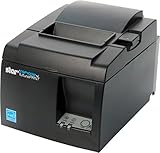
- High-speed printing of 43 receipts per minute (250mm/s) with easy to setup USB connection - just Plug and Print; USB serial number feature means the PC will detect the TSP143IIIU on its Windows platform using any USB port
- Compatible with iOS, Android, and Windows for a simple setup process
- The "Drop-In and Print" clamshell design allows for fast and easy paper loading; patented "De-Curl" function always delivers a flat receipt
- The TSP143IIIU USB model is certified with the following companies: Postmates, Square, Chromebook, and Clover
- The small footprint and embedded power supply saves precious counter space
Best fit: A startup or microbusiness seeking a modest amount for inventory, equipment, marketing or another defined launch or growth expense.
11. altLINE invoice factoring: Best for B2B businesses waiting on unpaid invoices
Provider type: Receivables factor.
Facility size: Commonly $30,000 to $5 million, with typical advances of 80%–90% of invoice value.
Factoring addresses a working-capital timing problem: a business delivers goods or services, invoices a creditworthy commercial customer and wants access to most of the invoice value before the customer pays. The factor evaluates the invoices and the customers’ payment behavior, so the business owner’s personal credit may matter less than in a conventional loan.
Factoring is not a conventional installment loan. Depending on the structure, invoices are sold or financed, the factor may collect directly from the customer, and the business may retain recourse if the customer does not pay. Fees depend on debtor quality, invoice aging, volume, reserves and recourse terms. Ask about notification, reserve percentages, advance fees, factoring fees, termination provisions and what happens to disputed invoices.
Recommended Free Tools
See altLINE’s information on factoring mechanics and fees and its facility sizes and advance rates.
Biggest drawback: Factoring can be costly for slow-paying customers, and customer notification or recourse can affect the business relationship and balance-sheet risk.
Best fit: A B2B company with valid invoices owed by financially sound customers and a need to convert receivables into operating cash.
Which option fits your borrowing purpose?
| If you need… | Start with… | Why |
|---|---|---|
| Less than $15,000 | Kiva | Potentially 0% crowdfunded financing, with no stated minimum credit score or collateral requirement |
| Less than $50,000 and may not qualify conventionally | SBA microloan or Kiva | Nonprofit and community-oriented options may be more realistic than a bank |
| Recurring access for short cash-flow gaps | Bluevine or a bank line of credit | You draw only what you need, subject to the line’s cost and repayment rules |
| General-purpose long-term capital | SBA 7(a) or a bank term loan | Broader permitted uses and longer amortization may reduce payment pressure |
| Commercial real estate or major equipment | SBA 504, SBA 7(a) or conventional commercial financing | Designed for long-lived assets rather than ordinary operating expenses |
| Specific equipment | National Funding, SBA 504, SBA 7(a) or a bank equipment loan | Asset-specific financing may provide a better collateral and term match |
| Business acquisition | SBA 7(a), bank acquisition financing, seller financing or equity | Approval depends on the target’s cash flow, valuation, transition plan and repayment capacity |
| Cash tied up in B2B invoices | altLINE or another factor | Receivables, rather than only the owner’s credit, drive the facility |
| Funds within a few days | Fora or OnDeck | Faster online underwriting, usually with a higher cost or more frequent repayment |
| More than $5 million | Coordinated SBA financing, conventional commercial debt, asset-based lending, multiple facilities, private credit or equity | An ordinary online small-business loan is unlikely to meet the need; the $20 million marketplace ceiling is not a typical single-loan offer |
How to compare the true cost
Do not choose based only on the approved amount, advertised rate or size of the periodic payment. Request a written comparison showing:
The Tool Desk
Outbyte Driver Updater FREEFix the driver behind crashes, sound loss and screen glitchesFind Drivers →Outbyte PC Repair FREEClear out junk files and repair common Windows errorsFree Scan →- Gross principal or advance
- Origination, packaging, underwriting, draw, wire, servicing and monthly fees
- Any fees deducted from the proceeds
- Net cash actually deposited
- Total required repayment
- Interest rate or APR, if applicable
- Factor rate or fixed fee, if that is how the product is priced
- Payment amount and frequency
- Number of payments and expected payoff date
- Prepayment discount, penalty or lack of adjustment
- Collateral, UCC filing and personal-guarantee obligations
Example: why a factor rate is not an APR
Suppose a business receives a $100,000 advance at a 1.30 factor rate. The stated repayment would be $130,000 before other fees, making the financing cost $30,000. That does not mean the product costs 30% annually or that it is equivalent to a 30% APR. The effective annual cost depends on how quickly the $130,000 is repaid, whether payments are daily or weekly, whether fees reduce the initial advance, and whether there are additional charges.
For example, a $100,000 advance that is repaid over six months has a very different annualized cost from the same $130,000 repaid over 18 months. The repayment schedule also determines how much cash remains available for payroll, rent, taxes and inventory. A factor rate should never be compared directly with an APR without converting the entire transaction into comparable total-cost and timing measures.
This distinction matters beyond MCAs. The Federal Reserve’s 2026 report found that 36% of online-lender borrowers said their actual borrowing cost was higher than expected, compared with 32% of large-bank borrowers and 37% of small-bank borrowers. Read the Federal Reserve small-business borrowing report and insist on a complete payoff figure before signing.
Loan, line, factoring and MCA: the differences
- Term loan
- The business receives a lump sum and repays principal plus interest or fees according to a defined schedule. Payments are usually fixed or calculated from a variable rate.
- Line of credit
- The business receives a credit limit, draws funds as needed and pays according to the balance and the lender’s repayment terms. Check whether there are draw, renewal, inactivity or maintenance fees.
- Equipment financing
- The proceeds fund a specific asset. The equipment may secure the facility, but ownership and end-of-term rights depend on whether the contract is a loan, finance lease or operating lease.
- Invoice factoring
- The business sells or finances unpaid receivables. The factor advances a percentage and collects a fee. Customer creditworthiness and invoice quality may be more important than the owner’s personal credit.
- Merchant cash advance or revenue-based financing
- The business receives an upfront amount and repays a specified amount through a share of future revenue or fixed withdrawals. It is not a conventional loan. The CFPB describes typical MCA structures and distinguishes them from factoring and leases in its guidance.
Alternative products worth considering
Credibly merchant cash advance
Credibly advertises MCAs from $5,000 to $600,000, factor rates as low as 1.11 and daily or weekly remittances. A factor rate is a total-payback multiplier, not an APR. A 1.11 factor rate on a $100,000 advance implies $111,000 in stated repayment before other fees, but the actual economic cost depends on the repayment speed and contract. Consider it only after comparing total repayment, payment frequency, reconciliation rights, personal liability and restrictions on additional financing. See Credibly’s MCA disclosures.
Free tools Windows power users keep installed
One-click scans. No signup required.
Finance Factory
Finance Factory is a marketplace offering startup, personal-credit-based, equipment, SBA and other financing from approximately $5,000 to $500,000. It is not one standardized loan. Ask which lender will fund the transaction, what product is being offered, how the intermediary is paid and whether multiple applications or credit inquiries will result. Its funding-program page is a starting point, not a substitute for the final lender agreement.
SmartBiz
SmartBiz can be useful as an SBA application specialist, but SmartBiz Bank currently describes its SBA 7(a) loans as $50,000–$350,000. Do not present SmartBiz as a direct source of $5 million loans without identifying the actual funding institution. Review the current SmartBiz Bank FAQ and the final lender documents.
United Capital Source
United Capital Source’s network advertises term-loan funding up to $10 million and factoring up to $25 million, along with other products. These are network limits, not necessarily one lender’s offer. Before proceeding, identify the actual lender, product, rate or fee format, payment frequency, lien position and guarantee terms. See the network’s business-loan page.
Independent reader supportYour contribution helps us test, update, and keep practical guides available for everyone.What a $20 million financing request really requires
A $20 million request is generally an institutional-scale financing exercise, not an ordinary online application. Even if a marketplace displays that ceiling, approval would typically require substantial business cash flow, collateral, real estate, receivables, equipment, signed contracts, acquisition economics or another credible repayment source. A startup with projections but no revenue, or an ordinary retail business with modest cash flow, should not assume it can borrow anywhere near $20 million.
Businesses needing more than $5 million should discuss a capital stack rather than search only for one product. Potential components include:
- Coordinated SBA 7(a) and 504 financing for an eligible project
- Conventional commercial real-estate financing
- Asset-based lending secured by receivables, inventory or equipment
- Receivables financing or factoring
- Equipment financing
- Multiple facilities with compatible lien positions
- Private credit or mezzanine financing
- Seller financing or equity capital for an acquisition or expansion
Under the SBA’s July 2026 policy, qualified borrowers may combine up to $5 million of 7(a) financing and up to $5 million through 504, for up to $10 million in SBA-backed financing. The policy does not turn the programs into a single $10 million loan for every applicant. Project eligibility, structure, lender approval and SBA rules still apply. Read the SBA announcement and the policy notice effective July 4, 2026.
Match repayment to the business’s cash flow
A financing offer can look affordable on an annual basis yet be impossible to service daily. Before accepting, answer these questions:
- Does revenue arrive daily, weekly, monthly or seasonally?
- Is the payment fixed, or does it change with revenue?
- Is repayment made by ACH from the operating account?
- Is there a minimum daily withdrawal even when sales fall?
- Is there a documented reconciliation process if revenue declines?
- Can the lender debit the account without additional approval?
- Is a personal guarantee required?
- Will the lender file a UCC lien, and is it a blanket lien on business assets?
- Can the business borrow elsewhere while this facility remains outstanding?
Monthly payments usually fit predictable cash flow and long-lived assets. Weekly payments may work for a business with steady sales but create more frequent pressure. Daily ACH withdrawals are especially risky for thin-margin, seasonal or unpredictable businesses. Revenue-based repayment may move with sales, but the fixed total repayment and effective cost still must be clear.
Best Value
- ✅【High-Speed Thermal Printing Performance】– Print receipts lightning fast at up to 310 mm/s, delivering smoother transactions and shorter wait times for your customers. Perfect for retail stores, restaurants, cafés, and service businesses that need reliable, continuous printing.
- ✅【Triple Interface Connectivity】– Equipped with USB, Serial (RS-232), and Ethernet ports for versatile integration with any POS system. Includes an extra USB-A port for peripherals such as barcode scanners or customer displays — plug and print with total flexibility.
- ✅【Seamless Multi-Platform Compatibility】– Works with Windows, Android, and iOS devices through Epson ePOS technology, allowing direct printing from tablets, smartphones, and web-based POS apps. Ideal for modern mPOS and cloud-based retail environments.
- ✅【Smart Paper-Saving & Eco Design】– Reduce paper usage by up to 30% using intelligent margin and spacing controls. ENERGY STAR certified and RoHS compliant, this printer helps your business stay efficient and environmentally responsible.
- ✅【Compact, Durable & Easy to Install】– Sleek, space-saving design (5.5" × 7.8" × 5.7", only 1.7 kg) fits any countertop and supports horizontal, vertical, or wall-mounted installation. Built to last with 2 million auto-cuts and a 60 million line MCBF.
Use-case guidance
Working capital
For general operating needs, compare SBA 7(a), bank term loans, a bank or Bluevine line of credit, Fora and OnDeck. Use a term loan for a defined, longer-lived need; use a line for recurring timing gaps; consider fast online products only when the business can comfortably absorb their payment schedule.
Real estate and construction
Compare SBA 504, SBA 7(a) and conventional commercial real-estate financing. SBA 504 is aimed at major fixed assets and generally cannot cover working capital or inventory. SBA programs are not general-purpose loans for speculative or investment rental property. For construction, ask how land, hard costs, soft costs, interest reserves, equity and completion risk will be handled.
Equipment
Compare an SBA 504 loan, SBA 7(a), bank equipment loan, equipment loan from an online provider, finance lease and operating lease. A loan generally leads to ownership after repayment; a finance lease may function economically like ownership but have different tax and buyout terms; an operating lease may preserve flexibility but not ownership. A sale-leaseback converts an existing asset into cash but leaves the business making lease payments and may reduce future flexibility.
Business acquisition
SBA 7(a), bank acquisition financing, seller financing and equity are common structures to investigate. Lenders will generally analyze the target’s historical cash flow, purchase-price allocation, valuation, buyer experience, seller transition, recurring revenue and the combined business’s ability to repay. Do not base the borrowing amount only on the seller’s asking price.
Unpaid invoices
Factoring may help a B2B company whose customers pay in 30, 60 or 90 days. The factor may focus heavily on the customers’ credit quality and payment record. Compare advance percentage, reserve, discount or factoring fee, recourse, customer notification, dispute treatment and termination provisions.
Startup financing
A startup with no revenue generally will not qualify for the same products as an established cash-flow-positive company. More realistic sources may include Kiva, SBA microloans, personal-credit-based financing, equipment financing, grants, owner capital and equity. Projections alone are weaker than operating history, collateral, outside income, relevant owner experience, investor equity or signed customer contracts.
Bad or limited credit
Consider Kiva, SBA microloans, nonprofit lenders, equipment financing secured by the asset and carefully evaluated online working-capital products such as Fora. Credibly and other revenue-based products may be more accessible, but the trade-off is commonly higher cost, shorter repayment, more frequent withdrawals or collateral. Do not interpret “bad-credit financing” as cheap financing or guaranteed approval.
Application checklist
Requirements vary by loan size, lender and processing method, so this is a preparation checklist rather than a universal document list. Depending on the product, prepare:
- Legal business name, address and tax identification number
- Ownership information and government-issued identification
- Business bank statements
- Personal and business tax returns
- Current profit-and-loss statement and balance sheet
- Accounts-receivable and accounts-payable aging reports
- Existing debt schedule, including balances, payments, maturity dates and liens
- Equipment quote or purchase contract
- Real-estate purchase agreement, appraisal or project budget
- Acquisition documents, historical financials and seller-transition plan
- Business plan and projections for a startup or expansion
- Evidence of contracts, purchase orders or recurring revenue
Before submitting sensitive information, ask whether prequalification uses a soft credit inquiry, when a hard inquiry occurs, whether the application is sent to multiple partners and what happens if the business is declined.
Red flags to investigate before signing
- Guaranteed approval: Legitimate underwriting still evaluates repayment capacity and eligibility.
- A large maximum with no qualification detail: Ask what percentage of applicants actually receive amounts near that limit.
- “Rates starting at” without a complete quote: The lowest advertised price may be limited to the strongest borrowers and may exclude fees.
- A factor rate called an interest rate: Request the total repayment and payment schedule instead.
- No total repayment amount: Do not sign until you know the full contractual obligation.
- Daily ACH withdrawals hidden in the fine print: Model the payment during a slow month.
- An unidentified actual lender: A broker or marketplace should disclose who funds and services the facility.
- “No collateral” without lien details: Check for a blanket UCC filing and personal guarantee.
- Multiple UCC filings or stacking restrictions: Understand lien priority and whether additional borrowing is prohibited.
- Mandatory payoff or refinance provisions: These can make a new facility expensive if the business already has an advance.
- Funding-speed claims without conditions: Verify cutoffs, final underwriting, bank verification, weekends and holidays.
Special situations that change the answer
Seasonal revenue
Prefer monthly amortization, a revolving line or a product with a clearly documented revenue-reconciliation mechanism over rigid daily payments. Keep enough cash for the slow season instead of borrowing the maximum during the peak season.
An existing advance
A second lender may require the first facility to be paid off, prohibit stacking or file a junior UCC lien. Avoid taking a new expensive advance merely to make payments on an earlier one. Request payoff statements and compare the cost of refinancing with the cost of keeping the existing facility.
Strong revenue but weak personal credit
Factoring, revenue-based products and some online lenders may be more accessible, but they can cost substantially more. A secured loan, nonprofit lender or period of credit rebuilding may be a better long-term choice if the business can wait.
B2B customers that pay slowly
Factoring can solve a timing problem without a conventional installment payment, but customer notification, reserve amounts, recourse and fees matter. Confirm whether the factor assumes the risk of nonpayment or can require the business to repurchase an unpaid invoice.
Bottom line
The best overall starting point for flexible, substantial financing is usually SBA 7(a), while SBA 504 is better for qualifying owner-occupied real estate and major equipment. Kiva and SBA microloans serve very small or newer businesses; Bluevine is aimed at revolving cash-flow needs; National Funding is equipment-focused; altLINE fits B2B receivables; and Fora or OnDeck may serve urgent needs at the cost of shorter or more frequent repayment.
The advertised $20 million ceiling should be treated as a marketplace-network maximum, not a realistic promise to an ordinary small business. Narrow the search to two or three products that match the use, then compare the written offers by net proceeds, total repayment, APR or equivalent cost, payment frequency, collateral, UCC filing, personal guarantee and prepayment terms. The largest approval is not necessarily the safest financing.
Frequently Asked Questions
Is there really a $20 million small-business loan?
A marketplace listing may advertise access to financing up to $20 million, but that is a network ceiling rather than a guaranteed amount from one direct lender. Most small businesses qualify for much less. SBA 7(a) generally tops out at $5 million, and eligible 7(a) and 504 financing may be coordinated up to $10 million under a policy effective July 4, 2026.
Do these 3 things before closing this tab:
1Clear out junk files and repair common Windows errors2Fix the driver behind crashes, sound loss and screen glitches3Repair Windows errors before they cause bigger problemsWhat is the best small-business loan for most borrowers?
SBA 7(a) is the strongest general-purpose starting point when the business can meet the documentation and underwriting requirements. It can fund working capital, real estate, equipment, ownership changes and certain refinancing, with terms reaching 25 years for qualifying real estate.
Are merchant cash advances and invoice factoring loans?
No. A merchant cash advance generally involves an upfront amount repaid from future revenue or through fixed withdrawals. Invoice factoring involves selling or financing receivables. Both should be compared using total repayment, fees, payment timing and contract obligations rather than a conventional loan APR alone.
What financing is best for a startup with no revenue?
Kiva, an SBA microloan, nonprofit financing, equipment financing, grants, owner capital and equity may be more realistic than a conventional term loan. Projected revenue alone is usually weaker than operating history, collateral, owner experience, outside income, investor equity or signed contracts.
What should I compare besides the interest rate?
Compare net proceeds after fees, total required repayment, APR or equivalent annualized cost, payment amount and frequency, term, prepayment rules, collateral, UCC filings, personal guarantees, draw fees, servicing fees and restrictions on additional borrowing.
Recommended Free Tools
The Bottom Line
Bottom line: Start with SBA 7(a) for flexible long-term financing, SBA 504 for eligible fixed assets, a line of credit for recurring cash-flow gaps, equipment financing for a specific asset and factoring for qualifying B2B invoices. Treat the $20 million figure as an advertised marketplace ceiling—not a typical loan offer—and judge every proposal by its total repayment and cash-flow impact.
Quick Recap
Product prices and availability are accurate as of the date/time indicated and are subject to change. Any price and availability information displayed on Amazon at the time of purchase will apply.




