Some of Japan’s most expensive foods command high prices because they are scarce, seasonal, regionally defined, difficult to prepare, or prized as gifts and auction trophies. Examples include fugu, premium wagyu, matsutake mushrooms, and rare melons. There is no reliable like-for-like ranking: the published figures below mix restaurant meals, individual portions, prices per kilogram, and historical auction sales, so each price needs its own context.
What makes food expensive in Japan?
“Expensive” can mean paying for expert preparation, a recognized regional origin, a short harvest season, strict grading, or the prestige of an auction or gift. Those factors do not create one comparable price scale. A restaurant meal, a piece of sushi, a kilogram of wild mushrooms, and a record-setting auction lot measure different things.
The figures below come from two sources with different dates. The Japan National Tourism Organization (JNTO) page gives undated indicative examples. A Government of South Australia and Frost & Sullivan market analysis published in 2015 supplies historical prices and auction examples. They should not be read as current quotes.
10 expensive foods associated with Japan
1. Fugu: licensed preparation and risk
Fugu, or pufferfish, is often served as sashimi. JNTO gives an undated indicative range of US$125–250 per meal; it is an example from the page, not a verified current menu price. The fish’s intestines, ovaries, and liver contain potent poison, so preparation requires a qualified professional. JNTO warns: “If not prepared right, fugu (the Japanese word for pufferfish) is actually lethal.” This is not a food to prepare at home.
The Tool Desk
Outbyte Driver Updater FREEScan for outdated or missing drivers - takes under a minuteDriver Scan →Outbyte PC Repair FREERepair Windows errors before they cause bigger problemsFix Now →#1 Best Overall

- Traditional Japanese Dagashi (Candy & Snacks)
- Includes English Information and Instruction Pamphlet
- Perfect to share with family/friends or a great gift idea for Christmas, Birthdays or Valentines
- 50 Pieces of Yummy Japanese Goodies including Candy, Ramune, Chocolate, Gum, Gummies, Jelly, Chips
2. Premium wagyu: regional provenance matters
Wagyu is the broader category of Japanese cattle; Kobe beef is one specific regional designation, not a synonym for all wagyu. JNTO names Ohmi, Kobe, and Matsuzaka among regions associated with especially expensive beef, and says a steak cut from one of them could cost over $600. The accessed text does not specify the currency, so the figure cannot be treated as a precise current price.
For Kobe beef specifically, Japan Guide says the label is reserved for qualifying meat from pedigreed Tajima cattle born and slaughtered in Hyogo. Its examples include a few thousand yen per 100 grams and ¥8,000–30,000 per person for a teppanyaki meal. Those are separate examples with different units, not interchangeable prices.
Rank #2

- Discover Japan from Home: Immerse yourself in Japan’s colorful seasons & traditions through our Japanese snacks box. Every item invites you to experience regional celebrations with authentic flavors.
- Rich Flavors & Textures: This Japanese snack box variety pack includes handpicked treats, ranging from crunchy chips to soft mochi & fragrant tea, each delivering its own distinct flavor experience.
- Carefully Curated Selection: Every product inside our Japan snack box is thoughtfully selected to ensure authenticity & bring you a real taste of Japan with every bite.
- Perfect for Every Occasion: These Japan snacks arrive in elegant packaging, making them a great choice for birthdays, holidays, or a thoughtful gift for anyone who loves Japanese culture.
- Savor and Learn: Our Asian snack box comes with a detailed booklet that shares the background, origins, and craftsmanship of each treat, helping you connect more deeply with the flavors.
3. Matsutake mushrooms: a short, wild season
Matsutake grow wild, are associated with Japanese red pine forests, and are valued for their aroma and freshness. JNTO’s undated page says the highest grade sells for a little over $1,000 per kilogram, without specifying currency in the accessed text. A 2015 Government of South Australia/Frost & Sullivan report gives a historical range of US$1,000–2,000 per kilogram. Neither should be taken as a current market quote.
4. Densuke black watermelon: rarity and auction attention
This Hokkaido-grown watermelon is known for its rarity. JNTO estimates around 10,000 are produced annually and gives an average price around $300, with historical short-supply auctions reaching $4,000–6,000; the accessed page does not specify currency. The 2015 market analysis gives a different historical production figure and says the fruit once sold for more than US$6,000 at auction. These source-specific examples reflect different contexts and should not be combined into a single current price.
Rank #3

- Traditional Japanese Dagashi (Candy & Snacks)
- Perfect to share with family/friends or a great gift idea for Christmas, Birthdays or Valentines
- 30 Pieces of Yummy Japanese Goodies including Candy, Ramune, Chocolate, Gum, Gummies, Jelly, Chips
5. Otoro: the prized belly cut of bluefin tuna
Otoro is the fatty belly portion of bluefin tuna. JNTO says a single piece could cost over AU$50 in some restaurants. That is an Australian-dollar example for a restaurant serving, not a general per-piece price across Japan.
6. Abalone: a luxury seafood with scarcity concerns
A 2015 Government of South Australia/Frost & Sullivan report gives a historical premium example of up to US$1,700 for one piece of abalone. It connects the food’s scarcity context with traditional ama diving and declining wild populations. The figure is historical, not a current retail offer.
Rank #4

- DAGAON’S JAPANESE SNACK BOX - selection of dagashi treats, each individually wrapped to preserve freshness. Together they deliver a balanced mix of sweet and savory flavors so whether you're craving something sugary and playful or crispy and salty, every bite offers a tasty glimpse into vibrant Japanese snacking culture.
- 42 VARIETY SNACKS FROM JAPAN - featuring a variety of Japanese cookies, chips, biscuits, pies, crackers, and noodles - enjoy anytime, anywhere.
- IDEAL SNACK PACKAGE FOR ALL OCCASION- gifts, offices, college dorms, trips, parties, schools, events, holidays, care package and more or simply enjoy as Japanse Snack sample pack.
- JAPANESE TREATS FOR EVERYONE - treat yourself or surprise a friend with this flavorful journey through Japanese snacks.
7. Yubari King melon: controlled growing and gifting
Yubari King is a melon cultivar grown in Yubari, Hokkaido. A 2015 Government of South Australia/Frost & Sullivan report links its premium to controlled growing and grading, appearance, seasonality, and gift culture. It cites approximately US$50–100 for a standard melon and up to US$15,700 for top-grade fruit at auction. Those are historical report figures, not current offers.
8. Spider crab: limited harvest and a historical high
The 2015 market analysis describes spider crab as a prized delicacy, noting limited harvesting and population concerns. It gives a historical price of up to US$1,300 per kilogram. That ceiling should not be mistaken for a current market price.
Best Value
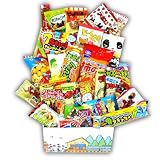
- TASTE JAPAN - It includes Japanese Kit Kat, Japanese tea powder, a catalog about snacks description, and monthly collectable illustrations
- Monthly themed Japanese candy/Snack Box
- COMPONENT - Pack of 30 Dagashi to share with friends
- DAGASHI from Dagashiya (Dagashi shop) - We stuffed the box with 30 carefully picked Japanese treats locally loved and consumed in Japan
- A VALUABLE SNACK BOX - The number of delicious treats included in the package will absolutely astound you
9. Bluefin tuna: auction prices, not everyday sushi costs
The same 2015 report says top-grade bluefin tuna could sell for up to US$8,000 per kilogram at auction. It also records a 2013 first-auction sale in Tokyo of US$1.76 million for a 222 kg tuna. These are auction figures, not ordinary sushi prices. Otoro, described above, is a cut from bluefin tuna, so the cut and the whole fish are related examples rather than separate categories of animal.
10. Ruby Roman grapes: strict grading and prestige
Ruby Roman is a grape variety grown in Ishikawa. The 2015 market analysis describes strict premium-class standards, including minimum fruit size and sugar content, and reports a historical top example of US$6,400 for a bunch of 26 grapes. That auction example is not a current retail price.
Quick Recap
How to read the price examples
- Check the unit: a meal, a single piece, a kilogram, and an auction lot cannot be compared directly.
- Check the date: the 2015 report’s figures are historical; JNTO’s accessed page does not state a publication date.
- Check the setting: restaurant menus and auctions can produce very different prices from ordinary retail.
- Check the designation: a regional label such as Kobe beef has specific eligibility rules; it does not describe all wagyu.
Product prices and availability are accurate as of the date/time indicated and are subject to change. Any price and availability information displayed on Amazon at the time of purchase will apply.




