Dell announced an agreement to acquire Wyse Technology on April 2, 2012, to broaden its end-user-computing business with thin- and zero-client devices, management tools, operating systems, and mobility software for virtual desktop environments. Dell later reported completing the acquisition during the six months ended August 3, 2012; that filing does not give an exact closing date.
What Wyse brought to Dell
Wyse was a cloud-client computing company. Its hardware included thin and zero clients—end-user devices designed to connect people to virtualized or web-based computing infrastructure rather than rely on a traditional desktop computer for all processing and applications.

The acquisition also added software and management capabilities. Dell’s April 2 announcement-call transcript described Wyse’s portfolio as including device-management technology, thin-client operating systems, and mobility software tailored for virtual desktop infrastructure from Microsoft, Citrix, and VMware. These capabilities gave Dell more than endpoint hardware to offer customers building or managing virtual desktop environments.
Why Dell wanted Wyse
Dell described the deal as the next step in its end-user-computing strategy. Its stated aim was to build a more complete portfolio spanning devices, data-center products, and services, while expanding its desktop-virtualization capabilities and enterprise solutions opportunities.
Free tools Windows power users keep installed
One-click scans. No signup required.
#1 Best Overall
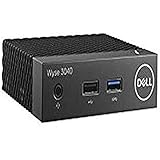
- Part Numbers: 4K8XT, FGYD2, 895W8, 2WDPR, C63YJ, 3C8N9, 5MXMG
- Ports 3 USB 2.0 1 USB 3.1 1 Audio-mic combo jack 2 DisplayPort
- Connectivity: RJ45 (Wired Ethernet)
- Chipset: Intel Quad Core 1.44 GHz
- Memory: 2GB RAM
The companies’ strengths were intended to complement one another: Wyse contributed specialized cloud-client products and intellectual property, while Dell expected its brand and customer reach to help broaden demand for those offerings. Dell also cited the addition of research and development capabilities. These were the company’s reasons for pursuing the deal, not evidence that the anticipated business or customer benefits were later realized.
Dell’s investor publication characterized desktop virtualization as potentially useful in some environments for managing users and endpoint devices. Jeff Clarke, then Dell’s president of End User Computing Solutions, said: “Desktop virtualization can help organizations streamline IT management, improve productivity and security, and increase cost-efficiency for discrete workloads or usage scenarios.” The statement reflects Dell’s 2012 rationale, not a universal outcome for every deployment.
Rank #2

- Intel Celeron J4105 (4 Cores/4MB/4T/up to 2.5GHz/10W) supports Windows10 Linux ThinOS ThinOS + PCoIP
- Wyse 5070 thin client, Intel Pentium Processor J4105, no eMMC
- Composite Audio (out) | Composite Audio (in & out) USB-C Port | USB 3.0 Port | 2 USB 2.0 Ports | Mouse and Keyboard
- 4 USB 3.0 Ports | 2 DisplayPorts (Pentium configuration only) | RJ45 Ethernet | Discrete Graphics | US Powercord
- (Shown with optional) Dual-Antenna Wireless Networking Module | Available Auxiliary Port (shown with optional VGA)
Announcement, completion, and what Dell reported
- April 2, 2012: Dell and Wyse announced the acquisition agreement. In the call transcript, Clarke called it “the next step in our end user computing strategy.”
- By the six-month reporting period ended August 3, 2012: Dell’s SEC filing reported Wyse among the acquisitions completed during that period. The cited filing passage does not identify the specific completion day.
- Integration plan: Dell described Wyse as a global provider of client-computing solutions intended to extend desktop-virtualization offerings and said the acquisitions were to be integrated into Dell’s Commercial segments.
What the financial figures do—and do not—say
Dell’s filing reported approximately $2.4 billion in cash as the total purchase consideration for all acquisitions completed during the six months ended August 3, 2012. That group primarily consisted of SonicWALL and Wyse, so the figure is not Wyse’s standalone purchase price. Dell also gave a preliminary goodwill estimate of approximately $1.7 billion for the same group of acquisitions, primarily representing expected synergies from combining the acquired companies with Dell; it is not a Wyse-only figure.
Dell’s FY2013 annual report provides broader context rather than Wyse-specific deal details: it says Dell had acquired more than twelve businesses since the beginning of Fiscal 2012 and completed nine acquisitions in Fiscal 2013. Those totals describe Dell’s acquisition activity overall, not the size or performance of the Wyse transaction.
Rank #3

- Premium Quad-Core Performance: Powered by the Intel Pentium Silver J5005 (up to 2.80 GHz Burst). This higher-tier processor offers superior speed and stability compared to standard Celeron models, suitable for demanding cloud workloads
- Upgraded 8GB DDR4 RAM: Equipped with 8GB of high-speed memory for smooth multitasking and responsive application performance. Well-suited for modern VDI environments including Citrix, VMware, and Microsoft Azure
- Dual 4K Display Support: Integrated Intel UHD Graphics 605 and dual DisplayPorts allow you to power two 4K monitors at 60Hz. Maximize your productivity with crisp, high-resolution screen real estate
- Enterprise-Grade Security: Equipped with eLux RP 6.8.4-1. This Linux-based OS uses a write-protected file system to block malware and unauthorized software installations, providing a low-maintenance solution for cloud workspaces
- Reliable Wired Connectivity: Features a built-in Gigabit Ethernet port for the most stable and secure network connection possible. Note: This unit is a dedicated wired model and does not include internal Wi-Fi or Bluetooth hardware
What this acquisition means for legacy Wyse devices
The acquisition explains why Wyse technology became part of Dell’s commercial-computing portfolio; it does not establish whether a particular Wyse-branded terminal is supported or suitable today. Anyone evaluating used or existing equipment needs to check the exact model, its supported operating system and lifecycle, compatibility with the intended virtualization broker and peripherals, required management tools, and the device’s condition. The 2012 acquisition materials do not verify current support or compatibility for any specific model.
Quick Recap
Best Value

- This Certified Refurbished product is tested and certified to look and work like new. The refurbishing process includes functionality testing, basic cleaning, inspection, and repackaging. The product ships with all relevant accessories, a minimum 90-day warranty, and may arrive in a generic box. Only select sellers who maintain a high performance bar may offer Certified Refurbished products on Amazon.com.
- (2) USB 2.0 port, (1) USB 2.0 port with Smart Power On, (3) USB 3.2
- (2) DisplayPort 1.4 ports, (1) RJ-45 Ethernet port, (1) universal audio jack
- Keyboard and Mouse NOT included
- ThinOS
Product prices and availability are accurate as of the date/time indicated and are subject to change. Any price and availability information displayed on Amazon at the time of purchase will apply.




