Do these 3 things before closing this tab:
1Repair Windows errors before they cause bigger problems2Fix the driver behind crashes, sound loss and screen glitches3Clear out junk files and repair common Windows errorsTesla’s net income fell 55% year over year in the first quarter of 2024 to $1.13 billion. Revenue dropped 9% to $21.3 billion, while gross margin declined to 17.4% from 19.3% a year earlier.
Tesla attributed broader electric-vehicle demand pressure to automakers emphasizing plug-in hybrids. That is management’s explanation, not evidence that hybrids alone caused the profit decline.

What happened to Tesla’s profits in Q1 2024?
Tesla reported its first-quarter 2024 results on April 23, 2024. Net income was $1.13 billion, down 55% from the same quarter in 2023.
| Measure | Q1 2024 | Year-over-year change | Comparison |
|---|---|---|---|
| Net income | $1.13 billion | Down 55% | Q1 2023 |
| Revenue | $21.3 billion | Down 9% | Q1 2023 |
| Gross margin | 17.4% | Down from 19.3% | Q1 2023 |
These figures describe different parts of the income statement. The 55% figure refers specifically to net income; it is not Tesla’s revenue decline or its gross-margin percentage-point change.
Recommended Free Tools
#1 Best Overall

- Theme: Sport
- Toy vehicle form: Car
- Included components: Batteries
- Material: Metal
What did Tesla say about hybrids and EV demand?
On the earnings call, CEO Elon Musk said: “The EV adoption rate globally is under pressure and a lot of other auto manufacturers are pulling back on EVs and pursuing plug in hybrids instead.” He added: “We believe this is not the right strategy, and electric vehicles will ultimately dominate the market.”
The first sentence is Tesla’s characterization of market conditions, while the second is Musk’s forecast. The available reporting does not quantify how much plug-in hybrids displaced battery-electric-vehicle demand or establish hybrids as the sole cause of Tesla’s earnings decline.
Rank #2
What do the revenue and margin numbers show?
Lower revenue
First-quarter revenue was $21.3 billion, 9% below the year-earlier period. A revenue decline reduces the amount available to cover operating costs and other expenses, but revenue alone does not explain the full change in net income.
Lower gross margin
Gross margin fell to 17.4% from 19.3%. Gross margin measures the share of revenue left after the cost of goods sold; it is separate from net income, which also reflects operating expenses, interest, taxes and other items.
Rank #3

- Boy's model toy car: The body is made of alloy material, with exquisite paint craftsmanship and good durability.
- Realistic alloy model car: The 1:32 interior decoration is realistic, with six doors that can be opened. The steering wheel and seats have simulated designs.
- Toy car with lights and music: Opening the car door can light up the lights and simulate the sound of an engine starting. It's a toy car that boys like.
- Companion to Decoration and Cake Decorations: It plays a great decorative role on display cabinets at home and is a great decoration for boys' birthday cake parties.
- Gift selection for toy cars for boys aged 3-12: This gift is suitable for children aged 3 and above and is a collectible for car enthusiasts.
Regulatory credits
Tesla reported $442 million in zero-emissions regulatory-credit revenue for Q1 2024, according to TechCrunch’s report on the earnings report. Credit revenue can support automotive profitability, but the cited material does not provide a quarter-specific calculation showing how much of the 55% net-income decline came from changes in credits.
What later annual filings add—and what they do not prove about Q1
Tesla’s 2024 Form 10-K reported an automotive gross margin of 18.4%, compared with 19.4% in 2023. In that annual discussion, Tesla cited lower average vehicle selling prices and the Cybertruck ramp as factors affecting automotive margin. Lower unit costs, higher regulatory-credit revenue and increased Full Self-Driving (Supervised) revenue partly offset those effects.
Rank #4
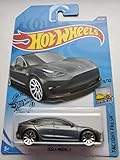
- Hot Wheels 2020 Factory Fresh Tesla Model 3, Gray 112/250
Those disclosures explain the movement in full-year automotive margin. They should not be treated as a precise breakdown of Tesla’s first-quarter 55% net-income decline, because the annual filing covers all of 2024 rather than Q1 alone.
Independent reader supportYour contribution helps us test, update, and keep practical guides available for everyone.How should readers interpret the headline?
- The 55% decline is historical: it refers to Tesla’s Q1 2024 net income compared with Q1 2023, not a current-period result.
- The hybrid explanation is attributed: Tesla said EV adoption was under pressure as manufacturers pursued plug-in hybrids.
- Causation remains unquantified: the cited evidence does not show that hybrids alone caused Tesla’s profit decline.
- Several pressures appear in the reported numbers: revenue was lower and gross margin narrowed, while the annual filing later identified pricing and the Cybertruck ramp as full-year margin factors.
Key takeaway
Tesla’s Q1 2024 net income dropped to $1.13 billion, a 55% year-over-year fall, alongside lower revenue and gross margin. Tesla linked industry-wide EV demand pressure to automakers’ shift toward plug-in hybrids, but that statement is management’s interpretation rather than an independently measured estimate of hybrids’ effect on Tesla’s profits.
Quick Recap
Product prices and availability are accurate as of the date/time indicated and are subject to change. Any price and availability information displayed on Amazon at the time of purchase will apply.




