Not in the search case. A federal judge found in August 2024 that Google unlawfully monopolized general search services and general search text advertising, but the September 2, 2025 remedies judgment did not require Google to sell Chrome or Android. Instead, it imposed behavioral and access obligations. The Justice Department is pursuing a separate case involving Google’s digital-advertising technology, where the status of any structural remedy must be assessed independently.
What “break up Google” can mean
“Break up” is not a single legal remedy. In this litigation, it can refer to several distinct proposals:

- Chrome divestiture: selling the Chrome browser to an independent owner.
- Android divestiture: separating Android from Google, either immediately or if other remedies failed.
- Ad-tech divestiture: selling assets such as an ad exchange or publisher ad server.
- Behavioral remedies: restricting exclusionary contracts, requiring data access or syndication, and limiting bundling without selling assets.
- Corporate breakup: splitting Alphabet or Google into wholly separate companies. The search judgment did not do this.
Thus, a headline saying Google “has to break up” may describe a government request, a proposal in a different lawsuit, or a business-unit remedy—not an order dismantling Alphabet.
Which lawsuit produced the September 2025 ruling?
The search and search-advertising case
The Justice Department and 11 states filed the main case in October 2020. The liability trial ran for nine weeks in September through November 2023. In August 2024, Judge Amit Mehta ruled that Google unlawfully monopolized the markets for general search services and general search text advertising. The remedies hearing took place in April and May 2025, followed by the judgment on September 2, 2025. The Justice Department describes the outcome in its official account of the case at justice.gov; the Congressional Research Service summarizes the judgment at Congress.gov.
#1 Best Overall

- Attention-grabbing design meets the latest evolution of the Google Pixel Camera on the new Google Pixel 11 Pro XL; Gemini Intelligence helps manage details so you can live in the moment[1]; and the phone is available in two sizes
- Unlocked Android phone gives you the flexibility to change carriers and choose your own data plan: Works with Google Fi, Verizon, T-Mobile, AT&T, and other major carriers[2]
- Stay informed without looking at your screen: When your phone is face down, Pixel HiLight gently alerts you with subtle glowing lights when your favorite contacts are calling or you’re talking with Gemini; exclusive to Google Pixel 11 Pro phones
- Magic Capture catches the moment as you live it: With just one tap, Pixel 11 Pro captures video and photos, and automatically edits, crops, and unblurs a curated collection, ready to share – and you get the memory of how it felt to be in the moment
- Two new cameras for more brilliant photos: A larger telephoto sensor captures 30% more light for clear, beautiful photos and videos, even in the dark[3]; Pixel’s longest zoom ever helps you capture details from impressive distances[4]
The separate digital-advertising-technology case
On January 24, 2023, the Justice Department and states filed a different lawsuit alleging monopolization, attempted monopolization and tying in parts of the open-web advertising stack. That case concerns Google’s ad-tech businesses, including its publisher ad server and ad exchange. The DOJ case page lists remedies filings, including a revised proposed judgment filed in November 2025, but the material available for this article does not establish that a final ad-tech breakup order had been entered by August 18, 2026. Its status should not be inferred from the search judgment. See the separate case record at justice.gov.
What the DOJ sought in the search case
The plaintiffs asked for structural and conduct remedies intended to end Google’s distribution advantages:
Rank #2

- Google Pixel 10a is a durable, everyday phone with more[1]; snap brilliant photography on a simple, powerful camera, get 30+ hours out of a full charge[2], and do more with helpful AI like Gemini[3]
- Unlocked Android phone gives you the flexibility to change carriers and choose your own data plan; it works with Google Fi, Verizon, T-Mobile, AT&T, and other major carriers
- Pixel 10a is sleek and durable, with a super smooth finish, scratch-resistant Corning Gorilla Glass 7i display, and IP68 water and dust protection[4]
- The Actua display with 3,000-nit peak brightness shows up clear as day, even in direct sunlight[5]
- Plan, create, and get more done with help from Gemini, your built-in AI assistant[3]; have it screen spam calls while you focus[6]; chat with Gemini to brainstorm your meal plan[7], or bring your ideas to life with Nano Banana[8]
- Immediate divestiture of Chrome.
- Contingent divestiture of Android if competition had not been restored after five years.
- Broad limits on search-related payments to distribution partners.
- Access for qualified rivals to categories of Google search data.
- Measures designed to prevent Google from carrying its search advantages into generative-AI distribution.
These were proposed remedies, not automatic consequences of the liability ruling.
What the court actually ordered
The court rejected the proposed Chrome and Android divestitures and chose conduct and access remedies instead. The final judgment is available at the court record.
Do these 3 things before closing this tab:
1Fix the driver behind crashes, sound loss and screen glitches2Clear out junk files and repair common Windows errors3Scan for outdated or missing drivers - takes under a minuteRank #3

- Google Pixel 10 Pro is the ultimate Pixel experience, featuring advanced AI with Gemini, unbelievable camera quality, impeccable design in two sizes, and the next-gen Google Tensor G5 chip[1]
- Unlocked Android phone gives you the flexibility to change carriers and choose your own data plan[2]; it works - Google Fi, Verizon, T-Mobile, AT&T, and other major carriers
- Get a head start on syncing your data before it even arrives: After you purchase your new Pixel, look for an email that explains how to transfer your photos, videos, passwords, and more in just a few quick steps[11]
- Pixel’s pro camera system makes everything look amazing, even in low light; capture more of the scene with advanced Google AI models, and bring out incredible details with 100x Pro Res Zoom, stunning 50 MP images, and super steady videos in 8K[10]
- Pixel 10 Pro is built with durable aluminum and Corning Gorilla Glass Victus 2 for scratch and drop resistance; the 6.3-inch Super Actua display with 3,300-nit peak brightness is easy on the eyes, even in direct sunlight[3,13,18]
| DOJ proposal | What the judgment did |
|---|---|
| Immediate Chrome divestiture | No Chrome sale was ordered. |
| Contingent Android divestiture | No Android sale or separation was ordered. |
| Near-total prohibition on search-related payments | Narrower restrictions target exclusivity and contract conditions; specified default-placement payments remain possible. |
| Rival access to search data | Google must make specified search-index and user-interaction data available to eligible competitors. |
| Search infrastructure access | Google must offer certain search and search-text-ad syndication services. |
| Protection against AI leverage | Restrictions cover certain distribution arrangements involving Google Assistant and Gemini. |
Contract and licensing restrictions
Google is barred from certain exclusive contracts involving Google Search, Chrome, Google Assistant and Gemini. The judgment also prohibits agreements that condition licensing or revenue-sharing arrangements on placement of other Google products. This does not amount to a blanket ban on paying Apple, wireless carriers or device makers for default placement; the restrictions depend on the contract’s exclusivity and conditions.
Data, syndication and auction transparency
Eligible competitors receive access to specified categories of search-index and user-interaction data. Google must also offer defined search and search-text-ad syndication services and disclose material changes to search-ad auctions. These provisions seek to reduce the scale and information advantages that the court found were reinforced by Google’s distribution agreements.
Why the judge rejected a breakup
After finding an antitrust violation, a court has broad remedial authority, but structural relief is not automatic. Judge Mehta expressed caution about imposing a difficult-to-reverse remedy in markets changing rapidly through search, advertising and generative AI. On the evidentiary record before him, he concluded that Chrome and Android divestitures were not necessary and focused instead on reducing exclusionary distribution advantages and improving rivals’ access to data and infrastructure. The reasoning appears in the judgment and is explained by the Congressional Research Service at Congress.gov.
Independent reader supportYour contribution helps us test, update, and keep practical guides available for everyone.Why the DOJ called the result significant
The DOJ says the judgment opens search distribution, data and syndication to competitors while preventing Google from using comparable exclusionary arrangements for generative-AI products. The department also emphasized that the remedies phase included 49 states, two territories and the District of Columbia. That is the DOJ’s characterization, not a finding that Google was structurally separated. Its statement is at justice.gov.
Windows Errors? Fix Them Before They Spread
Repair common Windows errors and clear accumulated junk for a smoother, more stable PC - no reinstall needed.Free scan · no reinstallOutdated Drivers Are Slowing You Down
One free scan finds every outdated or missing driver and matches the right update for your exact hardware.Free scan · exact hardware matchBest Value
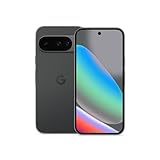
- Google Pixel 10 is the everyday phone unlike anything else; it has Google Tensor G5, Pixel’s most powerful chip, an incredible camera, and advanced AI - Gemini built in[1]
- Unlocked Android phone gives you the flexibility to change carriers and choose your own data plan[2]; it works with Google Fi, Verizon, T-Mobile, AT&T, and other major carriers
- Unlocked Android phone gives you the flexibility to change carriers and choose your own data plan[2]; it works - Google Fi, Verizon, T-Mobile, AT&T, and other major carriers
- The upgraded triple rear camera system has a new 5x telephoto lens - up to 20x Super Res Zoom for stunning detail from far away; Night Sight takes crisp, clear photos in low-light settings; and Camera Coach helps you snap your best pics[3]
- Pixel 10 is designed - scratch-resistant Corning Gorilla Glass Victus 2 and has an IP68 rating for water and dust protection[21]; plus, the Actua display - 3,000-nit peak brightness is easy on the eyes, even in direct sunlight[4]
Does Google still face breakup risk?
In the search case
Google faces continuing obligations, compliance disputes and possible appellate litigation. The September 2025 judgment did not require Chrome or Android to be sold. A violation of the injunction could lead to enforcement proceedings or sanctions, but the rejected contingent-Android proposal should not be described as an automatic future sale.
In the ad-tech case
Structural relief may still be argued over Google’s ad-tech assets. Whether any asset must be sold depends on that case’s current court order, appeals and later filings—not on the search judgment. As of the information available through August 18, 2026, a final ad-tech breakup order is not established here.
In future enforcement
New conduct or an alleged violation of the existing judgment could produce additional proceedings. That possibility is different from a present order to split Alphabet or sell a named business.
How to check the accuracy of a breakup headline
- Identify the lawsuit: search or digital advertising technology.
- Name the asset: Chrome, Android, an ad exchange, a publisher ad server or another unit.
- Identify the requester: the DOJ, state plaintiffs, another regulator or a private party.
- Check procedural status: proposal, request, recommendation, court order, final judgment or appeal.
A court can find monopoly conduct without ordering a breakup. A restriction on exclusive contracts does not necessarily prohibit all default-placement payments. A remedy affecting Chrome or Android would not by itself split Alphabet into independent companies, and an order can be delayed or changed on appeal.
Free tools Windows power users keep installed
One-click scans. No signup required.
What happens next
- Appeals may alter or delay the practical effect of the search judgment.
- The parties and the court must address compliance with data-sharing, syndication, contract and auction-disclosure requirements.
- Rivals may contest whether access is timely, complete and technically usable.
- The separate ad-tech case may produce its own judgment, settlement, appeal or further remedies filings.
- Future structural relief would require support from a current filing or order; it is not guaranteed by the 2024 liability ruling.
The Bottom Line
Google was found to have unlawfully monopolized important search markets, but the search case did not order a Chrome or Android sale. The DOJ’s remaining breakup arguments concern separate proceedings—especially the ad-tech case—and must be evaluated by asset, lawsuit and procedural status.
Quick Recap
Product prices and availability are accurate as of the date/time indicated and are subject to change. Any price and availability information displayed on Amazon at the time of purchase will apply.




