The Tool Desk
Outbyte PC Repair FREEClear out junk files and repair common Windows errorsFree Scan →Outbyte Driver Updater FREEFix the driver behind crashes, sound loss and screen glitchesFind Drivers →A corporation is a legal entity created under state law, separate from its owners, who are called shareholders. To form one in the United States, choose a structure and state, check the name and filing rules, appoint a registered agent, file articles or a certificate of incorporation, establish internal governance, and handle tax and licensing requirements. The details vary by state, so verify current requirements with the relevant state agency.
What is a corporation?
A corporation can own property, make contracts, and incur obligations in its own name. Shareholders own shares rather than owning corporate assets directly. Shareholders generally have limited liability for corporate debts, but incorporation does not protect someone from every type of personal liability or eliminate the need to follow applicable law.

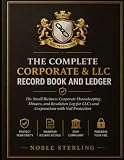

Corporations can provide a formal ownership and governance structure and may be suited to businesses seeking outside investment or a durable entity. They also involve formation paperwork and ongoing obligations. Compare the options based on liability, taxes, ownership and fundraising plans, paperwork, and where the business will operate.
Corporation vs. other business structures
| Structure | Liability | Tax and ownership considerations | Paperwork and governance |
|---|---|---|---|
| Corporation | Shareholders generally have limited liability for corporate debts. | Federal tax treatment depends on classification. Shares can support defined ownership interests and fundraising. | State formation filing and internal governance; ongoing requirements vary. |
| LLC | Owners generally have limited liability, subject to applicable law. | Tax treatment and ownership flexibility differ from a corporation and depend on elections and circumstances. | Formation and continuing rules vary by state; governance is often organized through an operating agreement. |
| Partnership | Liability depends on the type of partnership and applicable law; general partners may have personal exposure. | Ownership and tax treatment differ from corporate shares and may depend on the partnership arrangement. | Requirements vary by partnership type and state. |
| Sole proprietorship | The owner and business are not separate legal entities, so the owner may be personally liable for business obligations. | Owned by one individual; tax reporting differs from a corporation. | Often simpler to establish, but local licenses and other requirements may apply. |
There is no universally best structure. The U.S. Small Business Administration notes that structure affects taxes, fundraising, paperwork, and personal liability, and that requirements vary. Consider professional legal or tax advice for decisions specific to your circumstances.
What’s actually slowing this PC down?
Pick the symptom - the matching free tool is one click away.
#1 Best Overall
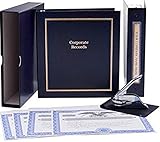
- Binder and Slip Case, Window on spine holds gold label printed with company name for identification.
- Corporation pre-printed minutes and by-laws.
- 20 Stock Certificates. Custom Printed and Numbered from 1-20.
- Corporation Metal Corporate Seal with Carrying Pouch.
C corporation and S corporation: what is the difference?
State law creates the corporation; federal tax classification is a separate question. A C corporation is generally a separate federal taxpaying entity. Its profit is taxed to the corporation when earned and may be taxed again to shareholders when distributed as dividends.
An S corporation is a qualifying corporation that elects treatment under federal tax law. Certain income and losses generally pass through to shareholders for federal tax purposes. S status is not created simply by filing state incorporation papers, eligibility rules apply, and state tax treatment may differ. Check current IRS guidance and state rules before making an election.
How to form a corporation
- Choose a structure and jurisdiction. Compare a corporation with alternatives based on liability, taxes, ownership and fundraising goals, paperwork, and continuing obligations. The state where you form the corporation and the places where you operate can affect filings, taxes, and regulation.
- Check the name and state filing rules. Confirm that the proposed name is available and meets the state’s naming rules. Find the current forms, filing office, and instructions through the relevant state agency; the agency and process vary by state.
- Choose a registered agent. A corporation needs an agent in its state before filing, according to SBA guidance. The agent receives official papers and legal documents. Check state requirements when choosing an individual or service.
- File articles or a certificate of incorporation. Submit the state formation document to the appropriate filing office. Common information includes the business name and purpose, share details, and directors or officers, but required contents differ by state. Use the current state form and instructions.
- Set up internal governance. Establish how shareholders, directors, and officers make decisions and keep records. Adopt bylaws or other appropriate internal governance documents; requirements and practices vary. Keep important formation and governance records organized.
- Handle tax IDs, elections, licenses, and permits. Corporations need an EIN, a federal tax identifier; the SBA says applying through the IRS is free. If considering S corporation treatment, make a separate IRS election only after checking eligibility and applicable deadlines. Check federal, state, and local tax registrations, licenses, and permits relevant to the business.
- Maintain compliance. Check for state reports, tax and employment obligations, permits, and foreign qualification if operating in other states. Requirements depend on jurisdiction and business activity; do not assume a universal fee or deadline.
What happens after incorporation?
Incorporation establishes the entity under state law, but it does not complete every setup or compliance task. Follow the state’s current requirements, maintain the corporation’s records, and meet applicable tax, licensing, and reporting obligations. A corporate records book can be a useful way to organize key documents, such as board meeting minutes, but it is not a substitute for required records or current state instructions.
For general starting guidance, see the U.S. Small Business Administration’s launch guidance. For federal tax structure and corporate tax information, consult the IRS overview of business structures and its page on forming a corporation. Verify filing rules with your state and consult qualified professionals about your circumstances.
Rank #3
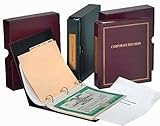
- Vinyl 3 "D Ring" binder detailed in gold. Available in Black or Burgundy
- Binder has front pocket with a cd holder and 2 business card holders. Includes Matching slipcase.
- 10 Standard Wording stock Certificates
- 6 position Index Tabs
- Stock Transfer Ledger or Membership Roll Sheets. ***If you want us to customize the kit for you, just search for our new "Corpkit Customized" kit!
FAQ
What is a corporation?
A corporation is a legal entity formed under state law, separate from its shareholders. It can hold property, make contracts, and incur obligations in its own name.
How do I form a corporation?
Generally, choose a structure and state, check the name and filing rules, appoint a registered agent, file the state formation document, establish internal governance, and handle tax IDs, elections, licenses, permits, and ongoing compliance. The exact requirements vary by jurisdiction.
Does filing articles of incorporation make a business an S corporation?
No. Articles or a certificate of incorporation create the corporation under state law. S corporation status requires a separate federal tax election by an eligible corporation, and state tax treatment may differ.
Are corporations taxed twice?
A C corporation is generally taxed as a separate federal taxpayer, and earnings distributed as dividends may be taxed again to shareholders. S corporation treatment may allow certain income and losses to pass through for federal tax purposes if the corporation qualifies and makes the election.
Quick Recap
Product prices and availability are accurate as of the date/time indicated and are subject to change. Any price and availability information displayed on Amazon at the time of purchase will apply.




