Do these 3 things before closing this tab:
1Scan for outdated or missing drivers - takes under a minute2Clear out junk files and repair common Windows errors3Fix the driver behind crashes, sound loss and screen glitchesThe right insurance for an online business depends on what you sell or do, what property and data you rely on, whether you have employees or use vehicles, and what your contracts require. Start by matching those exposures to coverage types, then compare the actual policy terms—not just the price. Requirements and policy wording vary by location, business activity, and insurer, so verify local rules and get advice from a licensed insurance professional.
Start with the risks your online business faces
An online business is not automatically low-risk because it has no storefront. A product seller may face claims about an item that allegedly injures someone; a consultant may face a claim that faulty advice caused a client financial loss; and either business may depend on equipment, inventory, customer data, or a website that could be disrupted.


List what the business sells or does, the property it relies on, the data it holds or processes, and how it operates. Include employees, business driving, home-based work, sales territories, and requirements from clients, platforms, lenders, or landlords. The U.S. Small Business Administration’s insurance guidance recommends assessing risks and considering what the business could not afford to pay for itself.
Match coverage to the exposure
These policies address different kinds of loss. A policy name alone does not confirm that a particular activity, product, location, or claim is covered; check the definitions, exclusions, limits, and conditions in the proposed policy.
The Tool Desk
Outbyte Driver Updater FREEFix the driver behind crashes, sound loss and screen glitchesFind Drivers →Outbyte PC Repair FREERepair Windows errors before they cause bigger problemsFix Now →| Exposure | Coverage to investigate | What to check |
|---|---|---|
| A customer or visitor alleges bodily injury, property damage, or certain advertising or personal-injury harm | General liability (often called public liability in UK guidance) | Whether the policy matches your activities and venues, and meets any contract-required limits. See the SBA and Business.gov.uk. |
| A product you made, sold, or supplied allegedly causes injury | Product liability | Whether the products, sales channels, and territories involved are covered. See the SBA and Business.gov.uk. |
| A client alleges that your advice, design, consulting, software, or other service caused financial harm | Professional liability, errors and omissions (E&O), or professional indemnity | Whether the services and alleged errors fit the policy definition. See the SBA and Business.gov.uk. |
| Inventory, equipment, or business premises suffer physical damage | Commercial property or equipment coverage | Whether stock, equipment, locations, replacement values, and goods in transit are addressed. See the SBA and Business.gov.uk. |
| A covered event interrupts operations or income | Business interruption coverage | Which event triggers coverage, any waiting period, and whether the limit could support recovery. See Business.gov.uk and the National Association of Insurance Commissioners (NAIC). |
| A breach, ransomware incident, vendor incident, or resulting claim affects the business | Cyber insurance, with first-party and/or third-party coverage | Which response costs, business interruption, defense, vendor-held data, territories, and exclusions are covered. See the Federal Trade Commission’s cyber insurance guidance. |
| You run the business from home | A home-business endorsement, a business owners policy (BOP), or other commercial coverage | What your homeowners or renters policy excludes or caps for business property, liability, and downtime. See the NAIC. |
| You have employees, drive for business, or face a license or contract requirement | Workers’ compensation, commercial auto, or required specialty coverage | Which rules apply to your business in its jurisdiction and circumstances. The SBA and Business.gov.uk describe requirements in their respective contexts. |
For product sellers
Investigate product liability coverage if you make, sell, or supply goods. Do not assume general liability covers every product-related claim. Ask whether the policy covers each product line, the territories where you sell, and the channels through which customers buy.
For service providers
Consider professional liability, E&O, or professional indemnity if a client could allege that your work or advice caused financial harm. This is distinct from general liability, which addresses other kinds of claims, such as certain bodily injury or property damage allegations. Confirm that the policy describes your actual services accurately.
Does a BOP cover everything?
A business owners policy can package several types of coverage, but it is not a universal policy for every business risk. The Minnesota Department of Commerce says a BOP typically includes property, business interruption or continuation, and liability coverage. It also notes that not all businesses qualify. Its description is regulator guidance, not a promise that every insurer’s policy uses identical terms.
Professional liability, auto, workers’ compensation, health, and disability coverage are separate from a BOP, according to the Minnesota Department of Commerce. Ask the insurer to identify what the proposed form includes and which endorsements or separate policies would be needed for your exposures.
Does home insurance cover an online business?
Do not assume a homeowners or renters policy provides enough protection for business activity. The NAIC’s small-business guidance warns that personal policies may restrict business-property coverage and may exclude business liability or business interruption. The actual treatment depends on your policy.
Tell your home insurer how the business operates and ask what business property, liability, and downtime are covered or excluded. Then compare any available home-business endorsement with separate commercial coverage. A home-based business may be eligible to start with a BOP, but the Minnesota Department of Commerce notes that coverage may need to expand as the business grows.
What to check in cyber insurance
Cyber insurance can address costs the business incurs directly after an incident and claims made against it by others. The FTC’s cyber insurance guidance gives examples of both categories. Treat them as questions to ask about, not as assurances that a policy covers each item.
First-party costs
- Legal advice about notification duties or regulatory requirements.
- Data restoration, forensics, customer notification, or crisis management.
- Business interruption, extortion, or fraud-related losses.
- Incident-related fees or penalties, where insurable and covered under the policy.
Third-party claims and response
- Consumer payments, claims, settlements, litigation, or regulatory inquiries.
- Certain defamation or intellectual-property losses, if included by the policy.
- Defense obligations and how the insurer handles or prioritizes a claim.
Ask whether the policy addresses incidents involving vendors that hold your data, attacks originating in different territories, and any overlap with other insurance. Check whether response services are available through a continuously staffed breach hotline, as the FTC recommends considering.
Outdated Drivers Are Slowing You Down
One free scan finds every outdated or missing driver and matches the right update for your exact hardware.Free scan · exact hardware matchWindows Errors? Fix Them Before They Spread
Repair common Windows errors and clear accumulated junk for a smoother, more stable PC - no reinstall needed.Free scan · no reinstallBest Value
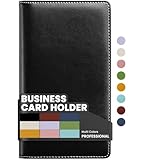
- Large capacity business card storage: This book-style business card organizer can hold up to 240 business cards, two cards back-to-back in each pouch. It is very compact & professional. Enough capacity for your different cards: business cards, credit card, social security, gift cards, insurance cards, name cards, personal IDs, mini photos, and more
- Sturdy & Long-lasting card book: Name card holder is made from high-quality pu leather cover and PVC pocket sheets. Long-lasting and sturdy
- Easy to find & read: Card holder book transparent slots are good for reading and finding information on the business card
- Compact size business card folder: The slim profile and lightweight design make carrying a breeze – Carry it in your hand, pocket or handbag when on the go. Dimension: 7.7"x 4.5" x 0.7"
Compare policy terms, not just premiums
Two quotes with similar names can protect against different events or impose different conditions. Review the policy documents and compare the points below; Business.gov.uk specifically advises comparing documents rather than price alone.
- Covered event and activity: Does the policy include the work you perform, products you sell, and places where you operate?
- Covered parties and territory: Are your business entities, employees, contractors, customers, and relevant sales territories addressed?
- Limits and sublimits: What is the maximum payment, and are particular incidents or costs subject to lower caps?
- Deductibles and waiting periods: What must you pay or wait before coverage responds?
- Exclusions and conditions: Which losses are excluded, and what security measures, notices, or other conditions must you meet?
- Claims handling: Where relevant, is coverage claims-made or occurrence-based, and who controls the defense?
- Overlap: Could another policy respond first, or leave a gap?
Check legal and contract requirements where you operate
Insurance obligations depend on jurisdiction and circumstances. The SBA says requirements vary by state and advises businesses to check the relevant state website. Its guidance discusses workers’ compensation, unemployment, and disability in connection with businesses that have employees, but the rules and their application should be confirmed with the relevant U.S. jurisdiction rather than treated as a universal checklist.
UK requirements are separate: Business.gov.uk identifies employers’ liability and business motor insurance requirements in its UK context. Do not apply UK rules to a U.S. business or assume U.S. rules apply elsewhere. Contracts may also require particular coverage or limits, so check the agreement as well as local law.
A practical buying sequence
- List exposures and obligations. Record your products or services, property, data, staff, driving, locations, sales territories, and contract requirements.
- Verify required insurance. Check current rules with the relevant regulator or government authority for each jurisdiction where the business operates.
- Discuss policy types with a licensed agent or broker. Explain the business accurately and ask how each proposed policy responds to your specific exposures.
- Compare several offers. Review coverage, exclusions, limits, conditions, and price—not the premium alone.
- Keep the policy documents and revisit the decision when the business changes. New products, revenue, employees, data, premises, or sales territories can change the coverage needed.
The SBA recommends working with a reputable licensed agent and shopping around. Keep copies of the policy forms and endorsements so you can check what was actually purchased when operations or contracts change.
Quick Recap
Product prices and availability are accurate as of the date/time indicated and are subject to change. Any price and availability information displayed on Amazon at the time of purchase will apply.




