The Tool Desk
Outbyte Driver Updater FREEScan for outdated or missing drivers - takes under a minuteDriver Scan →Outbyte PC Repair FREERepair Windows errors before they cause bigger problemsFix Now →You can sell children’s books online by choosing the right model first: resell used books, source new books from publishers or distributors, or publish books you wrote. Then select a marketplace, an author-publishing service, or your own storefront; prepare accurate listings; price for costs as well as comparable offers; arrange fulfillment; and promote and refine your offer. These channels solve different problems, and none guarantees sales.
How do I sell children’s books online?
Start by deciding what you are selling and who will handle publication and delivery. A used-book reseller needs accurately identified inventory and condition descriptions. A seller of new books needs a reliable source and a way to manage stock. An author needs publication-ready files, metadata, and a publishing route.
| # | Preview | Product | Price | |
|---|---|---|---|---|
| 1 |

|
The Rainbow Fish | $5.20 | Buy on Amazon |
| 2 |
|
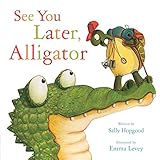
See You Later, Alligator (RhymeTime Animals) | $8.91 | Buy on Amazon |
| 3 |

|
My First Library: Boxset of 10 Board Books for Kids | $16.80 | Buy on Amazon |
| 4 |

|
The Very Hungry Caterpillar | $5.74 | Buy on Amazon |
| 5 |

|
Brown Bear, Brown Bear, What Do You See?: 50th Anniversary Edition | $5.36 | Buy on Amazon |
Amazon’s seller guide includes children’s books among the kinds of books sellers can offer and outlines sourcing, listing, pricing, fulfillment, and marketing. KDP provides a separate workflow for publishing original children’s books. Shopify describes a branded online store. Treat these as distinct options, not interchangeable routes to guaranteed sales.
Step 1: Choose your business model and inventory
Resell used books
Source books you can identify and describe accurately. Amazon lists possible sourcing routes including used bookstores, thrift shops, yard sales, estate sales, library sales, auctions, wholesalers, publishers, and distributors. Before buying, check that you can identify the exact edition and assess its condition.
What’s actually slowing this PC down?
Pick the symptom - the matching free tool is one click away.
#1 Best Overall
Sell new books you source
New inventory may come from publishers, distributors, or wholesalers. Work out how you will verify availability, manage stock, and fulfill orders before committing to inventory. The economics depend on the specific titles, supply terms, selling channel, and shipping costs.
Publish books you authored
For an original book, use an author-publishing workflow rather than treating the project like a resale listing. KDP’s children’s-book guide separates preparation for illustrated books from preparation for chapter books and young adult titles, with guidance on files, metadata, age and grade discovery, covers, and territories.
Rank #2
Amazon’s book-selling guide and the KDP children’s-book guide describe these different starting points.
Step 2: Choose where to sell or publish
| Option | Best fit | What setup involves | Questions to compare |
|---|---|---|---|
| Marketplace listing | Reselling or listing books where shoppers already browse | Seller account, product listing, price, and a fulfillment choice | Fees, competition, fulfillment workload, and condition standards |
| Author-publishing service | Authors preparing original books for publication | Manuscript and cover files, metadata, rights and territory choices, and publication setup | Format support, print cost, royalty calculation, rights, and any exclusivity |
| Standalone storefront | Sellers who want a branded shop and control over presentation | Store, product pages, payment and order workflow, and customer acquisition | Subscription and processing costs, traffic acquisition, branding, and operating workload |
A marketplace gives shoppers an established place to browse, but your listing still has to compete and may need promotion. A standalone store gives you control over how the books are presented, but you must also attract visitors and manage the store’s operations. An author-publishing service addresses publication and delivery of original work; it does not replace the decisions involved in building an audience.
Rank #3
KDP’s cited help page lists eBooks, paperbacks, and hardcovers as supported formats. It also says KDP Select makes an enrolled eBook exclusive to Amazon; that exclusivity applies to the enrolled eBook, not automatically to every format or book. Check current terms before enrolling. See KDP’s formats and exclusivity guidance. Shopify’s children’s-book storefront page describes its direct-store option. The cited pages do not provide a neutral side-by-side total-cost comparison, so check current official fees, features, and terms for the channel you are considering.
Step 3: Prepare the book and its metadata
For resale listings
- Match the listing to the exact title, edition, and format you have.
- Describe condition honestly, including wear or missing components that affect what a buyer receives.
- Use the correct edition and format information rather than relying on a similar cover or title.
For an authored book
- Prepare the manuscript and cover files for the format you plan to publish.
- Enter clear, accurate title and author information.
- Use age and grade tools where available to help readers find an appropriate book.
- Review rights and territory selections before publication.
The KDP guide to publishing children’s books provides separate preparation routes for illustrated books and chapter books or young adult books.
Rank #4
- Now even younger children can follow the little green caterpillar as he eats his way to becoming a beautiful butterfly in this sturdy board book
- Great for early development
- Children will enjoy this delightful tale
- Ages 2 to 5
Step 4: Create a useful listing or store page
Help a caregiver understand exactly what is for sale. Use clear photos and a detailed description that covers the book’s format, edition, condition where relevant, and what the buyer will receive. For a new or authored title, make the description informative and specific without promising outcomes the book cannot guarantee.
Shopify recommends high-quality images and detailed product descriptions on its children’s-book page. Amazon says accurate condition details set expectations and can help avoid disputes such as returns and negative feedback; see its seller guide.
Windows Errors? Fix Them Before They Spread
Repair common Windows errors and clear accumulated junk for a smoother, more stable PC - no reinstall needed.Free scan · no reinstallOutdated Drivers Are Slowing You Down
One free scan finds every outdated or missing driver and matches the right update for your exact hardware.Free scan · exact hardware matchStep 5: Set a price that accounts for costs
For a used book, compare offers for the same title and edition in a similar condition—not merely books in the same age range or genre. For new inventory or an authored title, compare relevant alternatives and account for the specific costs of your channel and format.
Before setting a price, include platform fees, packing materials, shipping, and the margin you want to retain. For print-on-demand, factor in the applicable print cost and royalty calculation. A sale price that looks competitive can still leave too little after costs. The cited sources do not establish a typical children’s-book profit margin or guarantee that a particular title will sell. Check the platform’s current fee and rate information directly; it can change.
Step 6: Choose how orders will be fulfilled
- Store and ship books yourself: You control packing and dispatch and need space for stock and time for each order. Amazon’s seller guide says self-fulfillment can be cost-effective at low volume when the seller has storage space.
- Use a marketplace fulfillment service: This may reduce some order-handling work, but eligibility, service costs, and delivery arrangements depend on the program and can change. Check the current rules for the specific books and account.
- Use print-on-demand for authored print books: KDP describes printing and shipping copies as orders arrive, which avoids holding printed stock. Consider the applicable print cost, format support, and delivery expectations.
- Set up shipping for your own store: You choose an available order and shipping process and remain responsible for making the customer experience clear.
Compare storage needs, control over the customer experience, work per order, service costs, and delivery expectations. Do not assume a service is available for every book, location, or seller account.
Step 7: Promote, review performance, and refine
Marketing can help shoppers discover a book, but platform tools and promotional tactics do not guarantee orders. Amazon’s guide recommends marketing and describes checking comparable prices and demand indicators. Shopify describes marketing and search tools for its storefront. Use those features as ways to evaluate and improve your offer, not as evidence of a likely sales result.
- Review comparable prices for the same title and condition when reselling.
- Check whether your listing is clear, accurate, and complete.
- For a storefront, consider how shoppers will find it and what ongoing work that requires.
- Adjust your offer based on actual costs, inventory, and response rather than assuming a broad market average applies.
Amazon reports that independent sellers in the US averaged more than $375,000 in annual sales in 2025. That is an Amazon-reported platform-wide sales figure—not profit, not a children’s-book-specific statistic, and not a forecast for a new seller. It should not be used as an estimate of what an individual book business will earn. Source: Amazon’s seller guide.
Quick Recap
What to decide before you begin
- Are you reselling used books, sourcing new inventory, or publishing your own work?
- Does your chosen channel fit that model and the amount of operational work you can take on?
- Can you identify the book correctly and present its format and condition clearly?
- Does your price cover channel fees, packing, shipping, and your intended margin?
- Do you understand who stores, ships, or prints the book and what that service costs?
Product prices and availability are accurate as of the date/time indicated and are subject to change. Any price and availability information displayed on Amazon at the time of purchase will apply.




