Do these 3 things before closing this tab:
1Fix the driver behind crashes, sound loss and screen glitches2Clear out junk files and repair common Windows errors3Scan for outdated or missing drivers - takes under a minuteYou can make money in the metaverse by creating digital goods or experiences, selling services, teaching, building an audience, or—in some worlds—trading virtual assets. But there is no single metaverse economy: each platform sets its own tools, rules, audience, fees, and cash-out options. These are possible business models, not guaranteed income streams.
What does “the metaverse” mean for earning money?
“Metaverse” is a broad label for virtual worlds and immersive platforms where people play, socialize, create, work, and trade digital or physical goods. It is not one unified marketplace. A user-generated game platform, a blockchain-based virtual world, and a VR app store may have entirely different audiences, creator tools, payment systems, and rules.
That distinction matters: an opportunity is only practical if the platform permits it, people want what you offer, and you can receive the proceeds in a usable form. A virtual item may earn platform currency rather than cash, while an app store may support direct sales or subscriptions.
15 possible ways to make money in the metaverse
The categories below are possibilities, not promises. Their availability depends on the particular platform; the category list is adapted from Shopify’s February 10, 2025 guide. Check the platform’s current rules before investing time or money.
#1 Best Overall

- CARDBOARD MONKENAUT — Get our best Gorilla Tag bundle yet with this Amazon exclusive deal. Purchase Meta Quest 3S to get exclusive items, including the Gorilla Space Program Suit and Helmet, plus 2,000 SHINY ROCKS.
- NO WIRES, MORE FUN — Break free from cords. Game, play and explore immersive worlds — untethered and without limits.
- 2X GRAPHICAL PROCESSING POWER — Enjoy lightning-fast load times and next-gen graphics for smooth gaming powered by the Snapdragon XR2 Gen 2 processor.
- EXPERIENCE VIRTUAL REALITY — Take gaming to a new level and blend virtual objects with your physical space to experience two worlds at once in your VR headset.
- 2+ HOURS OF BATTERY LIFE — Charge less, play longer and stay in the action with an improved battery that keeps up. *Based on the graphic performance of the Qualcomm Snapdragon XR2 Gen 2 platform vs the Meta Quest 2 platform.
| Method | How it could earn | Main dependency or trade-off |
|---|---|---|
| 1. Create and sell virtual goods | Sell avatar cosmetics, in-game items, or other digital objects that users want. | Requires a platform marketplace or permitted sales route, plus demand and discoverability. |
| 2. Build games or interactive experiences | Charge for access, offer purchases or subscriptions, or sell downloadable content where supported. | Requires development work and an audience; platform payment and content rules apply. |
| 3. Sell 3D models, plugins, and creator tools | Offer assets or tools that help other developers build experiences. | Depends on a marketplace, compatible formats, and developers who need the product. |
| 4. Freelance in design, scripting, or world-building | Charge clients to create environments, code interactions, or design virtual spaces. | Income depends on finding clients, demonstrating relevant skills, and agreeing on scope and payment. |
| 5. Make avatar clothing, accessories, or animations | Sell platform-compatible wearables or animations to users. | Marketplace rules, technical requirements, eligibility, and customer demand vary by platform. |
| 6. Earn platform creator rewards | Receive rewards under a platform’s creator program when its eligibility and engagement criteria are met. | Rules and reward formulas are platform-specific and can change; rewards are not a dependable beginner-income estimate. |
| 7. Sell memberships or subscriptions | Charge recurring fees for ongoing access, features, or content. | Requires continuing value for subscribers and compliance with the platform’s subscription rules. |
| 8. Sell in-world advertising | Offer ad placements within an experience or virtual space where the platform allows them. | Needs a suitable audience and platform permission; ads must fit the experience. |
| 9. Create sponsored brand integrations | Work with a brand on an activation or branded content within a virtual experience. | Depends on a sponsor, audience fit, and platform rules for brand content. |
| 10. Sell physical products through virtual storefronts | Use a virtual environment to present physical products and connect shoppers to commerce. | Requires a supported commerce integration and a workable fulfillment and payment process. |
| 11. Host events, classes, or performances | Charge for attendance or secure sponsorship for an event. | Ticketing or sponsorship must be supported or arranged through a permitted route; attendance is not assured. |
| 12. Teach or consult | Teach relevant skills or advise businesses exploring virtual environments. | Requires subject expertise and clients willing to pay; a virtual venue alone does not create demand. |
| 13. Build an audience as a virtual creator or influencer | Develop an audience and pursue brand work or other creator opportunities. | Audience growth takes time and platform reach can vary; brand work is not guaranteed. |
| 14. Rent virtual land or space, or sell ad inventory | Charge others to use space or place advertising on it where the platform permits. | There must be real demand, and the platform must grant the relevant rights and allow the arrangement. |
| 15. Trade virtual land or tokens | Buy and resell assets in hopes of finding a later buyer at a higher price. | This is speculative: prices can fall, buyers may be scarce, and platform or asset rules can change. |
What do Meta and Roblox currently let creators monetize?
Meta Horizon Store
Meta’s developer monetization overview, updated May 11, 2026, describes monetization across announcement, pre-launch, launch, and post-launch stages. Its documented options include app sales, downloadable content (DLC) and in-app purchases, subscriptions, bundles, and season passes. Meta says subscriptions suit apps with an ongoing content or service component and require continuous value for subscribers. Its Unreal monetization documentation says subscriptions can be offered in 1-, 3-, 6-, or 12-month periods and in different tiers; DLC and in-app purchases can provide content, services, passes, or rewards. See Meta’s monetization overview and its Unreal monetization documentation.
Roblox
Roblox documents several platform-native routes, including in-experience purchases, subscriptions, paid access, avatar items, creator-store models and plugins, immersive advertising, limited-time brand integrations, and commerce APIs for physical goods. Its “How do I make money?” documentation notes that some user-generated avatar clothing sales require age verification and a Roblox Plus or Premium subscription. It also says creators use DevEx to convert Robux earned in games to real currency. Eligibility and terms differ by route, so review the current requirements before building around a payout.
Rank #2

- CARDBOARD MONKENAUT — Get our best Gorilla Tag bundle yet with this Amazon exclusive deal. Purchase Meta Quest 3 to get exclusive items, including the Gorilla Space Program Suit and Helmet, plus 2,000 SHINY ROCKS.
- NEARLY 30% LEAP IN RESOLUTION — Experience every thrill in breathtaking detail with sharp graphics and stunning 4K+ Infinite Display.
- NO WIRES, MORE FUN — Break free from cords. Game, play and explore in immersive worlds — untethered and without limits.
- 2X GRAPHICAL PROCESSING POWER — Enjoy lightning-fast load times and next-gen graphics for smooth gaming powered by the Snapdragon XR2 Gen 2 processor.
- EXPERIENCE VIRTUAL REALITY — Blend virtual objects with your physical space and experience two worlds at once in your VR headset.
Roblox says its top 1,000 creators earned an average of $1.3 million in 2025, with data as of December 31, 2025. That figure describes a selected top-creator cohort, not a typical creator or an estimate of what a new creator should expect; see Roblox’s monetization overview.
How do you join the metaverse to start earning?
You do not need to buy a VR headset just to explore creator opportunities. A compatible headset is one way to access VR-based experiences, but a computer can also access some platforms, and many routes—such as creating assets, building an audience, or selling services—can involve non-headset interfaces. Shopify’s guide discusses both computer and headset access: How to Make Money in the Metaverse.
Rank #3
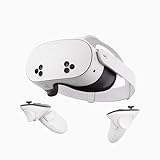
- NO WIRES, MORE FUN — Break free from cords. Game, play, exercise and explore immersive worlds — untethered and without limits.
- 2X GRAPHICAL PROCESSING POWER — Enjoy lightning-fast load times and next-gen graphics for smooth gaming powered by the SnapdragonTM XR2 Gen 2 processor.
- EXPERIENCE VIRTUAL REALITY — Take gaming to a new level and blend virtual objects with your physical space to experience two worlds at once.
- 2+ HOURS OF BATTERY LIFE — Charge less, play longer and stay in the action with an improved battery that keeps up.
- 33% MORE MEMORY — Elevate your play with 8GB of RAM. Upgraded memory delivers a next-level experience fueled by sharper graphics and more responsive performance.
- Choose a specific platform and audience. Decide whether you want to make experiences, sell assets, provide services, or reach customers in a particular virtual world. Do not assume features or users carry over between platforms.
- Check its official creator and commerce rules. Confirm what can be sold, who is eligible, any marketplace or advertising restrictions, and whether the platform supports the method you have in mind.
- Map the payment and cash-out path. Find out whether proceeds are paid as fiat currency, platform currency, or tokens; identify any conversion requirements and fees before relying on a projected sale or reward.
- Start with a small, testable offer. Build a limited item, prototype, service package, or event and look for evidence of demand before committing substantial money or time.
- Track costs and reassess. Include creation time, promotion, platform charges, and any other expenses. Stop or revise the offer if it is not finding buyers or the rules change.
How should you compare earning opportunities?
Compare each route by its actual costs and constraints, not by the largest success story attached to it. A low-cost service offer may still require substantial skill and client outreach; a tradable asset may require capital while offering no reliable buyer or exit.
- Initial spending and loss exposure: distinguish costs you can control from money you could lose buying assets or building for an unproven audience.
- Skills and time: estimate the learning, production, support, and promotion required, not just the time needed to publish.
- Audience access: consider how people will discover the offer and whether the platform provides meaningful distribution or you must bring your own audience.
- Rules and eligibility: check age, account, subscription, content, marketplace, advertising, and monetization requirements for the exact method.
- Payment and cash-out: understand the payment currency and steps required to turn earnings into money you can use.
- Resale dependence: separate platform-defined creator monetization from third-party trading. A resale plan depends on a willing buyer and can fail even if the asset remains visible in a virtual world.
Platform features, payout formulas, creator eligibility, store rules, and commerce partners can change. Virtual land does not necessarily confer conventional property ownership; the rights depend on the platform and the asset terms. Tax and legal treatment also varies by jurisdiction and asset structure, so no single conclusion applies to every creator or trader. Alexandra Stone, founder and CEO of Starseed Studios, has described the appeal of immersive design this way: “The focus is shifting from novelty to human-centered experiences that resonate deeply and make the technology feel essential, not optional,” as quoted in Shopify’s guide. That is an industry perspective, not a guarantee that any particular experience will attract users or earn revenue.
Quick Recap
Best Value

- 256GB Storage Capacity
- Top VR Experience: Oculus Quest 2 features a blazing-fast processor, top hand-tracking system, and 1832 x 1920 Pixels Per Eye high-resolution display, offering an incredibly immersive and smooth VR gaming experience.
- Anti-Slip Controller Grip Covers: grip covers are made of nice silicone material that effectively prevents sweat, dust, and scratches. Anti-slip bumps enhance the handgrip and feel.
- Adjustable Knuckle Straps: knuckle straps make it possible to relax your hands without dropping the controllers. High-quality PU material offers extra durability and velcro design makes it easy to adjust the strap length to different needs.
Rank #4

- NEARLY 30% LEAP IN RESOLUTION — Experience every thrill in breathtaking detail with sharp graphics and stunning 4K Infinite Display.
- NO WIRES, MORE FUN — Break free from cords. Play, explore and exercise in immersive worlds — untethered and without limits.
- 2X GRAPHICAL PROCESSING POWER — Enjoy lightning-fast load times and next-gen graphics for smooth gaming powered by the Snapdragon XR2 Gen 2 processor.
- EXPERIENCE VIRTUAL REALITY — Blend virtual objects with your physical space and experience two worlds at once.
- 2+ HOURS OF BATTERY LIFE — Charge less, play longer and stay in the action with an improved battery that keeps up.
Product prices and availability are accurate as of the date/time indicated and are subject to change. Any price and availability information displayed on Amazon at the time of purchase will apply.




