PC Slower Than It Used to Be?
A free scan shows the junk files, broken settings and background clutter dragging Windows down - then fixes them in one click.Free scan · Windows 10 & 11Crashes, No Sound, or Screen Glitches?
Random freezes, missing sound and display glitches usually trace back to one bad driver. Find and replace yours safely.Free scan · under a minuteThere is no universally anonymous way to pay online. Every method leaves some combination of identity, account, device, IP address, order, delivery, banking, or transaction records. The useful question is not “Which payment method is completely untraceable?” but “Which party do I want to keep which piece of information from?”
A virtual card can hide your real card number from a merchant. A digital wallet can keep your bank details away from a recipient. A prepaid card may reduce direct exposure of your checking account. Monero provides stronger blockchain-level privacy than Bitcoin. None of these automatically hides you from every participant, and legal, tax, fraud-prevention, and anti-money-laundering rules still apply.
What “anonymous payment” can mean
People often use anonymous to describe several different privacy goals. Separating them makes the choices—and their limitations—much clearer.
| Privacy goal | What it means | Methods that may help |
|---|---|---|
| Identity privacy | The merchant or recipient does not receive your legal name. | Some gift cards, prepaid cards, cryptocurrency wallets |
| Payment-data privacy | The merchant does not receive your underlying bank or card credentials. | Virtual cards, Apple Pay, Google Pay, PayPal, other tokenized payments |
| Pseudonymity | Others see a username, wallet address, or account identifier rather than your legal identity. | Payment apps and most cryptocurrencies |
| True anonymity | The payment cannot reasonably be connected to you. | Rare online; no mainstream method guarantees it |
Even when a merchant cannot see your legal name, it may still have your email address, shipping address, account history, browser characteristics, device information, IP address, and order details. A payment method changes the information attached to the payment; it does not erase the rest of the transaction.
What’s actually slowing this PC down?
Pick the symptom - the matching free tool is one click away.
#1 Best Overall
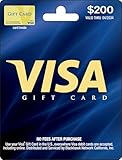
- Gift Cards are shipped active and ready for use.
- This card is non-reloadable. No cash or ATM access. Funds do not expire. If available funds remain on your card after the valid thru date has passed, please call customer service for a replacement card. A one-time purchase fee applies at the time of checkout. No fees after purchase.
- To access your card information safely, type the complete website address shown on your Gift Card (MyGift.GiftCardMall.com) directly into your browser's address bar. Don't use search engines or shortened versions of the website address, as these may lead you to fake or fraudulent sites. Do not provide any Gift Card details (example: Card Number) to someone you do not know or trust. If you believe you've reached an illegitimate website, contact cardholder service at 1-888-524-1283. Be cautious of phishing sites, there are a variety of scams in which fraudsters try to trick others into paying with gift cards.
- To report your Lost or Stolen Physical Visa Card, call Customer Service 24/7 at 1 (888) 524-1283 to cancel your Gift Card as soon as you can. You will be asked to provide the Gift Card number and other identifying information.
- Use your Visa Gift Card in the U.S. everywhere Visa debit cards are accepted, including online.
Quick comparison of the main methods
| Method | What it can hide | What it does not hide | Practical verdict |
|---|---|---|---|
| Prepaid debit card | Your bank-account or regular credit-card details | Issuer records, purchase history, merchant account, shipping data, and sometimes your identity | Limited payment privacy, not reliably anonymous |
| Retail gift card | Your bank or card number at the retailer checkout | Retailer records, redemption account, device and IP data, and delivery details | Useful for retailer-specific purchases |
| Digital wallet | Often your underlying card number from the merchant or recipient | Provider identity records, account metadata, and transaction history | Convenient and tokenized, not anonymous |
| Virtual card | Your actual card number from the merchant | Your identity from the issuer and your order details from the merchant | Excellent for credential privacy |
| PayPal, Venmo, Apple Cash, Google Pay | Sometimes your full financial details from the recipient | Provider records, verification data, profile information, and device metadata | Pseudonymous at most |
| Bitcoin | Your card or bank details from the merchant | A permanent public transaction history and links created by exchanges or reuse | Pseudonymous, not anonymous |
| Monero | Public visibility of sender, recipient, amount, and ordinary transaction linkages | KYC records, merchant data, wallet compromise, device data, and legal disclosure | Strong protocol privacy, not guaranteed real-world anonymity |
| Cash | Most digital payment metadata when used in person | The online merchant still needs a way to receive and match the payment | Private in person, not inherently an online method |
1. Prepaid debit cards
Prepaid debit cards are funded in advance instead of being linked directly to a checking account or credit line. They can reduce the amount of financial information a merchant receives, especially when the card is purchased from a legitimate retailer and used for a one-time transaction.
Some cards can initially be used without registration. That does not mean the card is permanently anonymous. Unregistered cards may have restrictions on reloads, ATM withdrawals, transfers, balance limits, or continued use. The Consumer Financial Protection Bureau explains that registration may be needed for features and protections involving errors, loss, theft, and deposit insurance.
Where prepaid cards commonly fail
- Online checkout declines: the issuer may require a billing address or card registration.
- Reloading is unavailable: reloads and person-to-person transfers often require identity verification.
- Subscriptions do not work: recurring billing may be blocked.
- Hotels and car rentals reject the card: these businesses commonly require authorization holds.
- The merchant blocks prepaid cards: fraud controls may reject prepaid, gift, or virtual cards.
A prepaid card also does not hide your shipping address, email address, device, IP address, or merchant account. The issuer may retain activation, purchase, usage, and verification records. The CFPB’s prepaid-card guidance is worth checking before assuming a card will work for a particular online purchase.
2. Retail gift cards
A retail gift card can sometimes be bought without registering the buyer’s identity and redeemed at the issuing retailer. It is mainly a retailer-specific payment instrument—not anonymous digital cash and not a general-purpose way to send money to another person.
Do these 3 things before closing this tab:
1Repair Windows errors before they cause bigger problems2Scan for outdated or missing drivers - takes under a minute3Clear out junk files and repair common Windows errorsThe retailer may connect redemption to an account, email address, loyalty profile, shipping address, device, IP address, or customer-service interaction. Digital gift cards may require an account or an existing payment method before delivery. Physical cards can also be linked to purchase location, activation records, and redemption history.
Gift cards have a second major problem: limited recovery. Anyone who receives the card number and PIN may be able to spend the balance. The Federal Trade Commission says demands for gift-card payment are a scam warning sign. Keep the card and receipt, and do not buy cards from online auction sites; counterfeit or stolen cards are a known risk.
Use a gift card when you want to avoid entering your ordinary bank-card number at a particular retailer—not when someone online insists that gift cards are the safest way to pay them.
Rank #2

- Gift Cards are shipped active and ready for use.
- This card is non-reloadable. No cash or ATM access. Funds do not expire. If available funds remain on your card after the valid thru date has passed, please call customer service for a replacement card. A one-time purchase fee applies at the time of checkout. No fees after purchase.
- To access your card information safely, type the complete website address shown on your Gift Card (MyGift.GiftCardMall.com) directly into your browser's address bar. Don't use search engines or shortened versions of the website address, as these may lead you to fake or fraudulent sites. Do not provide any Gift Card details (example: Card Number) to someone you do not know or trust. If you believe you've reached an illegitimate website, contact cardholder service at 1-888-524-1283. Be cautious of phishing sites, there are a variety of scams in which fraudsters try to trick others into paying with gift cards.
- To report your Lost or Stolen Physical Visa Card, call Customer Service 24/7 at 1 (888) 524-1283 to cancel your Gift Card as soon as you can. You will be asked to provide the Gift Card number and other identifying information.
- Use your Visa Gift Card in the U.S. everywhere Visa debit cards are accepted, including online.
3. Virtual card numbers and tokenized payments
A virtual card substitutes a different card number for your underlying debit or credit card. Network tokenization performs a similar job by replacing the primary account number with a token that may be limited to a merchant, device, or transaction type.
Visa describes tokenization as replacing sensitive payment information with a digital identifier. Mastercard likewise says the merchant does not receive or store the actual card number in the relevant tokenized transaction.
What this protects
- Your real card number if the merchant’s database is breached.
- Your underlying credentials from a merchant you do not fully trust.
- Your account from repeated unauthorized charges against the original card number.
What this does not protect
- Your identity from the card issuer or virtual-card provider.
- Your name, address, email, account, device, or IP address from the merchant.
- Your transaction history from the provider.
- The payment from fraud scoring, address verification, spending limits, or merchant restrictions.
For example, Privacy.com says its default statement display shows the merchant name. Its Private Spend Mode must be enabled before the transaction; when enabled, the funding source sees “Privacy.com” instead of the merchant name, while the merchant remains visible inside the Privacy account. That is statement privacy, not anonymity: Privacy.com still has the transaction record and the merchant still processes the order.
4. Digital wallets and payment apps
Digital wallets often improve security by keeping a card number away from the merchant. They do not remove the wallet provider’s ability to identify you or retain payment records.
PayPal
A U.S. personal PayPal account requires a first name, last name, address, phone number, and email address. PayPal may later request additional information, a government-issued ID, or proof of address.
Recommended Free Tools
To check for an identity request on the web, use Log in → Confirm your Identity page, or select the bell icon near the top of the page. Failure to complete verification can remove features, including the ability to add money from a bank account. A nickname or separate email address does not stop PayPal from connecting the account to its funding sources, device data, transaction history, and legal requests.
Apple Cash
Apple says Apple Cash registration information, including name and address, is handled by Apple Payments Inc. and its partner bank. Verification may require your date of birth, Social Security number, and possibly government identification. Apple Cash may keep an account number away from a merchant, but Apple and its financial partners still process transaction information for fraud prevention, troubleshooting, and regulatory purposes.
Rank #3

- Cards are shipped active and ready for use.
- This card is non-reloadable. No cash or ATM access. Funds do not expire. If available funds remain on your card after the valid thru date has passed, please call customer service for a replacement card. A one-time purchase fee applies at the time of checkout. No fees after purchase.
- Double check if the URL/website is genuine before entering card details online. Do not provide any gift card details (example: claim code) to someone you do not know or trust. There are a variety of scams in which fraudsters try to trick others into paying with gift cards.
- If you believe that your Card has been lost or stolen, notify Mastercard immediately by calling 1-833-791-7288. You will be asked to provide the Gift Card number and other identifying information.
- Use your Mastercard Gift Card in the U.S. everywhere Mastercard debit cards are accepted, including online. Your Amazon.com Balance cannot be used to purchase Mastercard gift cards.
Google Pay
Google Payments profiles can contain the responsible person’s name, address, tax ID when required, payment methods, receipts, subscriptions, and transaction data.
When Google requests verification, the web path is payments.google.com → Alerts → Verify. If there is no alert, use Payment methods → Verify beside the relevant card. Google may ask for a legal name, address, date of birth, government ID, proof of address, or an image of the payment method.
Payment-app transfers can expose a profile name, username, note, transaction time, or other account information to the recipient. “Friends and family” does not mean anonymous.
5. Bitcoin
Bitcoin does not provide anonymity. Bitcoin.org describes the network as transparent: transactions are public, traceable, and permanently recorded. A wallet address is not automatically a legal name, but it can become linked to one through an exchange, a purchase, a public disclosure, a merchant account, or other records.
Bitcoin can keep your card or bank details away from a merchant. A self-custodied wallet can also receive funds without opening an account with a payment processor. The merchant may see a wallet address or payment request instead of your name.
That apparent privacy has important weaknesses:
- The blockchain permanently records transactions and amounts.
- An exchange may connect your wallet activity to identity-verified account records.
- A merchant can identify you through your email, account, delivery address, or support interaction.
- Wallet software, remote nodes, exchanges, and network infrastructure can create metadata.
- Reusing addresses makes it easier to associate transactions with one another.
Bitcoin’s developer documentation recommends using a new receiving address for each payment. Bitcoin.org also warns that mixing services carry legal, theft, counterparty, and logging risks. “Bitcoin is untraceable” is therefore an inaccurate description. Bitcoin is better understood as pseudonymous and publicly auditable.
Quick wins for a faster PC:
Clear out junk files and repair common Windows errorsFree Scan →Fix the driver behind crashes, sound loss and screen glitchesFind Drivers →Repair Windows errors before they cause bigger problemsFix Now →6. Monero
Monero is designed for transaction privacy by default. Its documented mechanisms include:
Rank #4
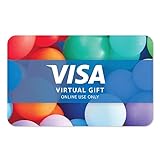
- Visa Virtual eGift Cards are designed for online use only. Gift Cards are subject to Terms and Conditions: a.co/5bw3qXJ
- When you access your Visa Virtual eGift Card for the first time, you’ll need to register your name, address, phone number, and email address via activationspot.com. These details should also be used as your billing address for online purchases, as many merchants require address verification for purchase authorization.
- This Visa Virtual eGift Card is non-reloadable. No cash or ATM access. Visa Virtual eGift Cards are emailed active.
- Funds do not expire but your Visa Virtual eGift Card has a ‘valid thru’ date (9 years from date of purchase). If funds remain after this date has passed, please call the Toll Free number found on your Visa Virtual eGift Card for a replacement card. A one-time purchase fee applies at the time of checkout.
- This item is not eligible for refund, resale, or return. Available for sale within the United States only. Not available to residents of Puerto Rico, Hawaii, New Mexico, South Dakota, West Virginia and the US Virgin Islands.
- Ring signatures: obscure which possible input was actually spent.
- Stealth addresses: prevent publicly linking incoming payments to a recipient’s published address.
- Ring confidential transactions: hide transaction amounts.
These features make it substantially harder for an outside blockchain observer to determine the sender, recipient, amount, and ordinary payment linkages than with transparent blockchains such as Bitcoin.
Monero does not solve the surrounding identification problem. A regulated exchange may have KYC records. A merchant may have your account and shipping information. Your device, browser, IP address, wallet, seed phrase, counterparty, or network connection may be compromised or recorded. A provider may also respond to lawful requests.
The accurate description is privacy-preserving cryptocurrency, not a guarantee of real-world anonymity.
Free tools Windows power users keep installed
One-click scans. No signup required.
7. Stablecoins and other cryptocurrencies
Stablecoins, Ether, and most other transparent-chain tokens should not be called anonymous simply because they use wallet addresses instead of names. Public blockchains can expose balances, transfers, timestamps, and relationships indefinitely.
Cryptocurrency can also have tax consequences. The IRS treats digital assets as property for U.S. federal tax purposes. Spending appreciated cryptocurrency may be a taxable disposition, depending on the circumstances. The fact that payment was made through a wallet rather than a bank does not remove reporting obligations.
Independent reader supportYour contribution helps us test, update, and keep practical guides available for everyone.8. Cash and cash-to-digital services
Cash can provide strong transactional privacy when used face to face. It is not automatically an online payment method. An online seller still needs a way to receive the cash and match it to your order.
When cash is converted through an ATM, kiosk, exchange, retailer, or intermediary, that service may keep records, impose limits, request identification, monitor fraud, or use video surveillance. A cash-funded gift card or prepaid card may reduce direct bank-card exposure, but the issuer, retailer, merchant, delivery process, and device can still create identifying records.
Best Value

- Gift Cards are shipped active and ready for use.
- This card is non-reloadable. No cash or ATM access. Funds do not expire. If available funds remain on your card after the valid thru date has passed, please call customer service for a replacement card. A one-time purchase fee applies at the time of checkout. No fees after purchase.
- To access your card information safely, type the complete website address shown on your Gift Card (MyGift.GiftCardMall.com) directly into your browser's address bar. Don't use search engines or shortened versions of the website address, as these may lead you to fake or fraudulent sites. Do not provide any Gift Card details (example: Card Number) to someone you do not know or trust. If you believe you've reached an illegitimate website, contact cardholder service at 1-888-524-1283. Be cautious of phishing sites, there are a variety of scams in which fraudsters try to trick others into paying with gift cards.
- To report your Lost or Stolen Physical Visa Card, call Customer Service 24/7 at 1 (888) 524-1283 to cancel your Gift Card as soon as you can. You will be asked to provide the Gift Card number and other identifying information.
- Use your Visa Gift Card in the U.S. everywhere Visa debit cards are accepted, including online.
9. Legal, tax, and compliance limits
Privacy is not permission to conceal taxable income, evade sanctions, defraud a payment provider, or bypass identity checks. Providers and exchanges may be required to identify customers, maintain records, monitor transactions, file reports, and comply with anti-money-laundering rules.
In the United States, FinCEN distinguishes between a person using convertible virtual currency to buy goods or services and a business administering or exchanging it. A user who obtains virtual currency and uses it to purchase goods or services is not, merely for that activity, a money-services business; administrators and exchangers can fall under money-transmitter rules. See FinCEN’s virtual-currency guidance.
Tax obligations also do not disappear because income arrives through cash, a payment app, a gift card, or digital assets. The IRS says income from goods and services must be reported even when no Form 1099-K is received. Keep records of income, expenses, cryptocurrency cost basis, and payment dates.
Common claims that are wrong or outdated
| Claim | What is actually true |
|---|---|
| “PayPal hides my identity from everyone.” | PayPal requires identifying information and can require formal verification. |
| “A prepaid card never requires ID.” | Some cards may work initially without registration, but features, reloads, continued use, or legal compliance may trigger verification. |
| “Bitcoin is anonymous.” | Bitcoin transactions are public, traceable, and permanent. |
| “A virtual card makes the purchase anonymous.” | It substitutes the card number; it does not necessarily hide your identity, address, device, IP, or order history. |
| “Gift cards are safe for paying a person online.” | A demand for gift-card payment is a common scam indicator, and recovery may be difficult after the number and PIN are shared. |
| “A VPN or privacy browser makes payment anonymous.” | It may reduce IP exposure, but payment, account, device, merchant, delivery, and provider records can still identify or link the transaction. |
Choosing the method by your actual goal
- To hide your real card number from a merchant: use a virtual card or tokenized wallet payment.
- To reduce the purchase description on your ordinary bank statement: use a provider that explicitly offers statement privacy, and confirm how it works before paying.
- To avoid entering your bank card at a particular retailer: consider a legitimately purchased retailer gift card, while accepting weaker recovery and chargeback protections.
- To pay a person without giving them your bank details: use a reputable wallet or cryptocurrency service, while understanding that the provider may retain identity and transaction data.
- To obtain stronger blockchain-level privacy: Monero offers more protocol privacy than transparent cryptocurrencies, but does not erase exchange, merchant, device, tax, or legal records.
- To achieve complete online anonymity: no mainstream payment method reliably guarantees it.
A practical privacy checklist
- Identify the information you actually need to protect: card number, bank details, legal name, statement description, address, or transaction history.
- Read the payment provider’s identity-verification and privacy terms before loading money.
- Check whether the merchant accepts prepaid, virtual, wallet, or cryptocurrency payments before committing funds.
- Do not assume a separate email address or username defeats account, device, funding, or identity linkage.
- Use strong account security and protect wallet recovery information; privacy is irrelevant if an attacker takes the funds.
- Keep receipts and transaction records for disputes, refunds, tax reporting, and fraud claims.
- Never send gift-card numbers or cryptocurrency to someone who uses urgency, threats, or promises of guaranteed returns.
FAQ
What is the most anonymous way to pay online?
No mainstream online payment method guarantees anonymity. Retail gift cards or some prepaid cards may reduce direct bank-card exposure, while Monero offers stronger blockchain-level privacy than Bitcoin. The merchant, provider, issuer, exchange, device, delivery address, or legal records can still connect a payment to you.
The Tool Desk
Outbyte PC Repair FREEClear out junk files and repair common Windows errorsFree Scan →Outbyte Driver Updater FREEFix the driver behind crashes, sound loss and screen glitchesFind Drivers →Is Bitcoin anonymous?
No. Bitcoin addresses are pseudonymous, but transactions are public, traceable, and permanently recorded. Exchanges, merchants, address reuse, wallet software, and other records can connect blockchain activity to a real person.
Do virtual cards hide my identity?
Usually not. A virtual card hides or replaces your underlying card number from the merchant. It generally does not hide your name, address, email, account, device, IP address, or identity from the card issuer or virtual-card provider.
Are gift cards safe for anonymous payments?
They can keep your bank-card number away from a specific retailer, but they are not general anonymous cash. Retailers may retain purchase and redemption records, and gift-card demands from people online are a common scam warning sign. Never share a gift-card number and PIN with an unsolicited recipient.
The Bottom Line
The best payment method depends on the information you want to keep private. Choose a virtual card or tokenized wallet to protect your real card number; use a retailer gift card only for a legitimate retailer-specific purchase; treat Bitcoin as public and pseudonymous; and understand Monero as privacy-preserving rather than magically untraceable. Complete online anonymity is not a realistic promise, and privacy tools do not remove tax, fraud-prevention, identity-verification, or legal obligations.
Quick Recap
Product prices and availability are accurate as of the date/time indicated and are subject to change. Any price and availability information displayed on Amazon at the time of purchase will apply.




