Creative arts and sports careers span visual design, performance, production, athletics, coaching and media. In the United States, the Bureau of Labor Statistics (BLS) projects different growth rates and reports different group-level pay for arts and design versus entertainment and sports, so the best way to compare options is to look at the specific work, entry route, schedule and occupation-level outlook—not assume every creative or athletic job follows the same path.
What careers are there in creative arts and sports?
The field includes jobs that make visual work, perform for audiences, produce events and media, compete in sports, or help others develop skills. BLS occupational groups include roles such as:


- Visual arts and design: art directors, graphic designers, fashion designers, craft and fine artists.
- Performance: actors, dancers and musicians.
- Production and media: producers and directors, writers, editors, photographers, film and video editors, and broadcast or sound technicians.
- Sports: athletes, coaches and scouts.
These categories overlap in practice. A production role may combine creative decisions with technical work, while a sports role may involve coaching, performance or media. Start with the day-to-day activity and work product you want, then investigate the exact occupation.
How do the outlook and pay compare?
The following figures describe U.S. occupational groups, not a guarantee for an individual job, employer or location. BLS projections cover 2025–2035; wage figures are median annual wages for May 2025.
Quick wins for a faster PC:
Scan for outdated or missing drivers - takes under a minuteDriver Scan →Clear out junk files and repair common Windows errorsFree Scan →#1 Best Overall
| U.S. occupational group | Projected outlook, 2025–2035 | Average annual openings, 2025–2035 | Median annual wage, May 2025 |
|---|---|---|---|
| Arts and design | Slower growth than the average for all occupations | About 76,400 | $58,240 |
| Entertainment and sports | About as fast as the average for all occupations | About 91,100 | $59,400 |
| All occupations | Benchmark for comparison | Not stated by the cited group pages | $50,980 |
Sources: BLS Arts and Design Occupations and Entertainment and Sports Occupations. The all-occupations median is a comparison point, not a starting salary. Annual openings include jobs created by employment growth and openings when workers leave an occupation, including permanently; they are not the same as net new jobs.
What education or experience might you need?
Entry requirements depend on the occupation. For the broader U.S. arts, design, entertainment, sports and media group in 2025, BLS reports that 60.5% required prior work experience, 66.0% required on-the-job training, and 44.4% required a bachelor’s degree. These group-level estimates show why a degree should not be treated as a universal prerequisite: the relevant route can differ substantially by job.
Rank #2
Check the BLS profile for the occupation you are considering to identify its typical entry education, experience and training. Then compare that profile with actual employer requirements in your intended location. The group percentages do not establish portfolio standards, admission costs or requirements for every role.
Source: BLS Occupational Requirements: Arts, Design, Entertainment, Sports, and Media.
Recommended Free Tools
What are the work schedules and settings like?
Creative and sports work can differ in location and routine. In the same broad occupational group in 2025, BLS estimates that routine telework was allowed for 40.5% of workers and schedules varied for 34.3%. These are group-level survey estimates, not a promise that a particular job can be done remotely or offers a flexible schedule. Use the occupation profile and employer postings to assess the work setting and hours for a specific role.
Independent reader supportYour contribution helps us test, update, and keep practical guides available for everyone.How to compare career options before choosing
- Describe the work. Identify the activity you want to do most often and the result you want to produce, such as designing, performing, editing, coaching or competing.
- Check the entry route. Review the specific occupation’s typical education, prior experience and on-the-job training rather than relying on broad group averages.
- Compare opportunity and pay carefully. Use the occupation-specific BLS outlook and May 2025 median wage. Group medians and projections are context, not personal earnings forecasts or local hiring guarantees.
- Check practical conditions. Look at schedule, work setting and telework availability for the occupation and location where you plan to work.
- Weigh the full path. Compare the time and cost of preparation with the work itself and the opportunities available to you; no single group statistic can decide whether a career is a good fit.
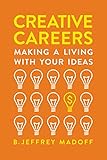
BLS occupational profiles are a free starting point for this comparison. A career-planning guidebook may help organize exploration, but it is optional; verify concrete education and hiring requirements against occupation-specific information and employers.
Quick Recap
Best Value
Product prices and availability are accurate as of the date/time indicated and are subject to change. Any price and availability information displayed on Amazon at the time of purchase will apply.




