Recommended Free Tools
Compare mutual funds from different asset management companies (AMCs) by checking whether they do the same job, then evaluate the specific share classes, total costs, benchmark-relative performance, risks and holdings. A familiar fund-company name or lower expense ratio alone is not enough to choose a fund; the better fit depends on the fund’s role in your portfolio and your circumstances.
Start by checking whether the funds are genuinely comparable
Read each fund’s current prospectus rather than relying on its name or marketing description. Compare its investment objective, strategy, asset class, geographic exposure, principal risks and benchmark. Two funds can sound alike yet hold different securities or expose investors to different risks.


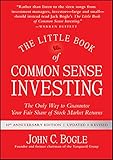
For index funds, compare the indexes themselves and how they are constructed. Indexes can overlap in their holdings while assigning different weights or following different rules. An index fund can also lag its index because of fees and expenses, trading costs and tracking error, as the SEC’s Investor.gov index-fund explanation notes.
Compare the share classes you can actually buy
A mutual fund may offer several share classes that invest in the same underlying portfolio but charge different expenses or sales loads. Eligibility, purchase channel, holding period and compensation to an intermediary can affect which classes are available and which costs apply. Compare the exact classes offered in your account—not a fund family’s headline expense ratio.
Do these 3 things before closing this tab:
1Fix the driver behind crashes, sound loss and screen glitches2Clear out junk files and repair common Windows errors3Scan for outdated or missing drivers - takes under a minute#1 Best Overall
The SEC requires standardized information in mutual fund prospectuses to help investors compare funds. Find the current summary or statutory prospectus for each fund through the fund company, your broker or other professional, or SEC EDGAR. The prospectus fee table and share-class details are the starting point for an apples-to-apples comparison.
Compare total costs, not just the expense ratio
The expense ratio is important because ongoing expenses reduce returns, but it is not a complete account of what you may pay. Review the prospectus fee table and other relevant documents for sales loads, annual operating expenses, purchase or redemption fees, exchange charges, account fees and any temporary expense waiver. Some portfolio transaction costs are not included in the expense ratio.
A fund with higher costs has to earn more before fees to deliver the same return to an investor, all else equal. But the lowest expense ratio is not automatically the lowest total cost for every investor: share class, transaction charges, account terms and holding period can change the comparison.
Model costs for your amount and holding period
The SEC points investors to FINRA’s Fund Analyzer to compare mutual-fund and ETF costs. Enter an investment amount and the period you expect to hold the investment. Treat the result as a comparison aid, not a recommendation, and verify the assumed share class and charges against the current prospectus and your account terms.
Compare performance on matching terms
Use the same share class, return basis and time periods for both funds. Compare multiple periods rather than selecting a winner based on one recent streak. Check returns against the broad market index as well as any narrower benchmark disclosed for the fund’s strategy; a fund’s result is more informative when judged against an appropriate comparison.
Review the best and worst calendar quarters shown in fund materials for additional context about volatility. Past performance is historical context, not a forecast of which fund will do better next. A manager’s past results do not remove the need to assess strategy, cost and risk.
Review risk, holdings and management
Read each fund’s stated principal risks and inspect its portfolio disclosures. The latest shareholder report can help you understand what the fund owns and how it has been managed. Look at adviser and manager information, including tenure where disclosed, and consider turnover as context for trading activity and potential tax implications. No single turnover or performance figure reliably predicts future outperformance.
Independent reader supportYour contribution helps us test, update, and keep practical guides available for everyone.Use a like-for-like comparison table
Fill in the table using current fund documents and the details of the account where you would hold the investment. If a detail is not disclosed or you cannot verify it, record that rather than inferring it from the fund name.
Quick wins for a faster PC:
Fix the driver behind crashes, sound loss and screen glitchesFind Drivers →Clear out junk files and repair common Windows errorsFree Scan →| Comparison point | Fund A | Fund B |
|---|---|---|
| Objective and strategy | From current prospectus | From current prospectus |
| Asset class and geographic exposure | From current prospectus and holdings | From current prospectus and holdings |
| Index or benchmark | Index or benchmark disclosed for the fund | Index or benchmark disclosed for the fund |
| Share class and eligibility | Specific class available in your account | Specific class available in your account |
| Expense ratio and waivers | Current fee table; note any waiver and its terms | Current fee table; note any waiver and its terms |
| Loads and other account or transaction fees | Prospectus and account terms | Prospectus and account terms |
| Returns over matching periods | Same periods and return basis as Fund B | Same periods and return basis as Fund A |
| Risk and volatility | Principal risks; best and worst calendar quarters | Principal risks; best and worst calendar quarters |
| Holdings and manager information | Latest available portfolio and shareholder disclosures | Latest available portfolio and shareholder disclosures |
| Minimum investment and account availability | Check the fund and your account’s current terms | Check the fund and your account’s current terms |
Make the choice fit your portfolio and situation
The same fund is not suitable for every investor. Consider the job it would do in your overall portfolio, your time horizon, account type, tax situation and ability to tolerate losses. If those factors or the fee structure are complex, individualized guidance from a qualified investment professional may help.
If two funds have comparable mandates, risks and share-class terms, lower costs are a meaningful advantage because expenses reduce returns. That advantage does not make funds interchangeable when their exposures, holdings or risks differ. Choose based on the fit and verified terms—not the AMC’s brand or a short run of strong performance.
Quick Recap
Product prices and availability are accurate as of the date/time indicated and are subject to change. Any price and availability information displayed on Amazon at the time of purchase will apply.




