The Tool Desk
Outbyte Driver Updater FREEFix the driver behind crashes, sound loss and screen glitchesFind Drivers →Outbyte PC Repair FREEClear out junk files and repair common Windows errorsFree Scan →Swift’s blockchain-based shared ledger is designed to coordinate cross-border payment workflows using bank-issued tokenized deposits. It is an additional layer alongside Swift’s existing infrastructure—not a replacement for Swift messaging, bank money, or the settlement arrangements banks already use. For a bank connecting to it, the work may include EVM-compatible ledger connectivity, wallet and key controls, tokenization, custody, and internal governance. Taurus says it offers products and connection paths for some of those layers, but its options are not universal requirements for every participant.
What Swift’s shared ledger is—and what it is not
Swift describes the ledger as a shared, blockchain-based layer for recording, sequencing, and validating transactions and enforcing rules through smart contracts. Its initial use case is real-time cross-border payments, with payment workflows using bank-issued tokenized deposits. Swift presents the ledger as an orchestration layer: it is intended to coordinate how participating institutions act on a payment, rather than itself becoming the money or the final settlement mechanism.
That distinction matters. Swift says participating banks retain authority over their keys, assets, funding, and settlement. Settlement may continue through RTGS systems, correspondent banking relationships, or another mechanism agreed by participants. The ledger therefore does not, by itself, replace bank money or established settlement infrastructure. Swift also describes interoperability with existing and emerging systems as a design goal, not as proof that every system is already connected. Swift’s project overview
How the MVP is designed to work
Swift says its MVP uses an EVM-compatible architecture based on Hyperledger Besu and open-source foundations. In its description, Swift operates the ledger and coordinates transaction workflows, including validating funding commitments and coordinating interbank processes. Banks retain control of the assets and settlement choices on their side.
Crashes, No Sound, or Screen Glitches?
Random freezes, missing sound and display glitches usually trace back to one bad driver. Find and replace yours safely.Free scan · under a minutePC Slower Than It Used to Be?
A free scan shows the junk files, broken settings and background clutter dragging Windows down - then fixes them in one click.Free scan · Windows 10 & 11#1 Best Overall

- Effortlessly build your crypto portfolio via the all in one Ledger Wallet app: buy, sell, send, receive, swap, stake and more across popular blockchains. 15,000+ coins & tokens in a single dashboard. Keep a close eye on the market. Compare service providers. Track performance. Get timely alerts. Build your portfolio with confidence.
- Effortlessly build your crypto portfolio via the all in one Ledger Wallet app: buy, sell, send, receive, swap, stake and more across popular blockchains. 15,000+ coins & tokens in a single dashboard. Keep a close eye on the market. Compare service providers. Track performance. Get timely alerts. Build your portfolio with confidence.
- Enjoy Bluetooth connectivity, iOS access, and hours of battery use with this mobile-first, secure backup signer. Freedom you can depend on.
- Genuine Check: confirm your signer is authentic during setup with the Ledger Wallet app.
- Protect your signer: keep it in mint condition at all times with a bespoke Pod or Case to avoid scratches and everyday wear and tear.
In practical terms, this separates shared workflow coordination from the underlying movement and settlement of funds. Smart contracts can apply agreed rules to the shared process, while participating institutions remain responsible for the key material, tokenized assets, funding, and settlement arrangements they control. These are Swift’s stated design and role descriptions; they are not independent verification of live performance. Swift’s MVP announcement
Which internal layers a bank may need
A bank’s implementation is not just a connection to a blockchain node. The capabilities needed depend on whether the institution already operates compatible infrastructure, how it wants to manage keys, and how its tokenization and custody systems fit its permissioned environment.
Rank #2

- All your digital assets in one place. You can manage thousands of crypto including Bitcoin, Ethereum, Solana, Tether and more.
- Defend your identity against hackers: secure your online accounts with passwordless, hardware backed, 2FA logins for all your favorite apps and websites.
- Connectivity: USB-C cable connection only. No Bluetooth.Compatible with the Ledger Wallet crypto app, both desktop (Windows, macOS, Linux) and mobile (Android only). Not compatible with iOS.
- Protect your digital assets with the industry's best security: keep your private keys offline in your private signer, battle-tested by the Donjon's white hat hackers, CC EAL 6+ certified Secure Element, constantly updated Ledger OS.
- Effortlessly build your crypto portfolio via the all in one Ledger Wallet app: buy, sell, send, receive, swap, stake and more across popular blockchains. 15,000+ coins & tokens in a single dashboard. Keep a close eye on the market. Compare service providers. Track performance. Get timely alerts. Build your portfolio with confidence.
Ledger connectivity
The institution needs a route to the EVM-compatible environment used for the MVP. A bank that already operates Besu or compatible EVM infrastructure may seek to connect that environment; one that does not may consider a managed infrastructure option. Taurus describes both paths, but they are options it offers—not technical rules Swift has imposed on every bank.
Wallets and key management
Wallet operations and key controls are consequential because Swift says banks retain authority over keys and assets. A bank must determine where keys are held, who can authorize actions, and how those controls fit its own security and governance requirements. Taurus markets Taurus-PROTECT for programmable wallets and key management; its product description is not a substitute for a bank’s own control assessment.
Rank #3
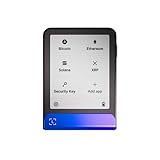
- Simply & securely take control of your digital assets and identity with the all-in-one Ledger Wallet crypto app and Ledger Flex touchscreen signer.
- Digital asset control at your fingertips: manage 15,000+ crypto across multiple chains. Earn rewards. Top up & share with ease. Explore DeFi with confidence. Collect and showcase NFTs. Make informed choices with clarity.
- Connect effortlessly with Ledger Wallet: pair your secure Ledger signer with the all in one Ledger Wallet crypto app to manage thousands of digital assets across multiple devices and accounts with Ledger Sync from a single, secure dashboard.
- Cutting-edge design: monitor the market, compare rates, and Clear Sign transactions on the secure, high resolution, 2.8'' E Ink touchscreen.
- This is what security feels like: Ledger touchscreen signers all come with a private, offline, PIN-protected backup, Ledger Recovery Key, to never lose access to your assets.
Tokenization and custody
Because the initial workflow is intended to use bank-issued tokenized deposits, participating institutions need to consider how tokenized assets are created, managed, and connected to their permissioned blockchain environment. Taurus says it integrated Swift smart contracts with Taurus-CAPITAL tokenization and Taurus-PROTECT custody on clients’ permissioned infrastructure. That is Taurus’s account of its integration, not evidence that a particular bank’s tokenization or custody setup is ready without additional work.
Governance and settlement coordination
Even with shared workflow rules, banks must decide how internal approvals, funding commitments, and settlement instructions are governed. Swift says banks retain control of funding and settlement through RTGS, correspondent banking, or another participant-agreed mechanism. Institutions therefore need to align ledger participation with existing operational, risk, and settlement responsibilities rather than assume the ledger takes those responsibilities over.
Rank #4

- More than just crypto: confirm your device is authentic with Genuine Check, manage all your logins with Ledger Security Key, detect common scams with Transaction Check and more.
- Industry-defining security: battle-tested by the Donjon's white hat hackers, protected by the Secure Element, and powered by Ledger OS.
- Connect effortlessly with Ledger Wallet: pair your secure Ledger signer with the all in one Ledger Wallet crypto app to manage thousands of digital assets across multiple devices and accounts with Ledger Sync from a single, secure dashboard.
- Playful, user-friendly design: monitor the market, compare rates and Clear Sign all transactions on the secure 2.8'' anti-glare, scratch-resistant touchscreen.
- This is what security feels like: Ledger touchscreen signers all come with a private, offline, PIN-protected backup, Ledger Recovery Key, to never lose access to your assets.
Taurus’s connection paths and what its claims establish
Taurus describes a managed Besu/EVM connectivity option for institutions without their own Besu infrastructure, as well as a route to connect Taurus products to infrastructure a bank already operates. It also says existing Taurus-PROTECT clients can extend an existing instance. Taurus states that Swift community membership is required for connection; institutions should confirm eligibility and setup details with the providers because access arrangements can change. Taurus’s Swift ledger page
In an announcement dated 26 August 2026, Taurus said its connectivity was production-ready and that first live clients were expected shortly. This is a dated vendor readiness statement; it does not establish broad live deployment, transaction volumes, independently measured performance, or access for every bank. Taurus’s integration announcement
Recommended Free Tools
Best Value

- All your digital assets in one place. You can manage thousands of crypto including Bitcoin, Ethereum, Solana, Tether and more.
- Connectivity: USB-C cable connection only. No Bluetooth.Compatible with the Ledger Wallet crypto app, both desktop (Windows, macOS, Linux) and mobile (Android only). Not compatible with iOS.
- Protect your digital assets with the industry's best security: keep your private keys offline in your private signer, battle-tested by the Donjon's white hat hackers, CC EAL 6+ certified Secure Element, constantly updated Ledger OS.
- Effortlessly build your crypto portfolio via the all in one Ledger Wallet app: buy, sell, send, receive, swap, stake and more across popular blockchains. 15,000+ coins & tokens in a single dashboard. Keep a close eye on the market. Compare service providers. Track performance. Get timely alerts. Build your portfolio with confidence.
- Choose the colors that match your style: express your personality and your crypto management mood, color code your signers, one for each use (trading, staking, HOLDing...).
Taurus co-founder and managing partner Lamine Brahimi said, “Financial institutions need digital asset infrastructure that can connect securely with the systems and networks they already use.” That is Taurus’s explanation of its product approach, not an independent assessment of the ledger or a claim that every institution needs Taurus.
How a bank can assess its implementation route
The choice is less about picking a single blockchain product than matching the connection model to the bank’s existing architecture and control requirements. A practical assessment can start with four questions:
- Does the bank already operate Besu or compatible EVM infrastructure? If so, evaluate a connection to that environment. If not, assess whether a managed Besu/EVM service is suitable.
- Where will key management and governance sit? Map wallet administration, authorization, and asset controls to the bank’s internal responsibilities.
- How will tokenization and custody fit? Determine whether existing systems can integrate with the permissioned environment or whether additional products or integration work are needed.
- How will payment coordination connect to settlement? Define how funding commitments and ledger workflows relate to the bank’s chosen RTGS, correspondent-banking, or other agreed settlement mechanism.
These are evaluation criteria drawn from the implementation paths Taurus describes and the responsibilities Swift says banks retain; they do not amount to a recommendation for one vendor or deployment model.
Quick Recap
Product prices and availability are accurate as of the date/time indicated and are subject to change. Any price and availability information displayed on Amazon at the time of purchase will apply.
Do these 3 things before closing this tab:
1Fix the driver behind crashes, sound loss and screen glitches2Repair Windows errors before they cause bigger problems3Scan for outdated or missing drivers - takes under a minute



