Do these 3 things before closing this tab:
1Scan for outdated or missing drivers - takes under a minute2Clear out junk files and repair common Windows errors3Fix the driver behind crashes, sound loss and screen glitchesNot in every sense. U.S. Treasury bills have very low payment risk when held to maturity: the U.S. Treasury pays their face value. But that does not guarantee a positive return after inflation and federal taxes, protect you from a loss if you sell early, or lock in the rate on bills you buy later.
What a Treasury bill promises
Treasury bills are short-term U.S. government securities with maturities of one year or less. They are sold at face value or at a discount, and do not pay periodic interest during their term. The difference between the purchase price and face value is the bill’s interest. At maturity, Treasury pays the face value, as TreasuryDirect explains.


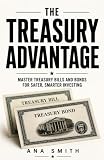

That promise is about the nominal dollar payment at maturity. It is not a promise that those dollars will retain their purchasing power or produce a positive return after taxes.
What “risk-free” means—and what it leaves out
The SEC’s Investor.gov bonds FAQ describes U.S. Treasuries as backed by the full faith and credit of the U.S. government. This supports calling bills very low in credit or payment risk compared with securities whose issuer might fail to pay. It does not mean they are free from all investment risks.
The Tool Desk
Outbyte PC Repair FREERepair Windows errors before they cause bigger problemsFix Now →Outbyte Driver Updater FREEFix the driver behind crashes, sound loss and screen glitchesFind Drivers →#1 Best Overall
- Hold to maturity: You receive the bill’s face value from Treasury, but inflation may have reduced what that money can buy.
- Sell before maturity: You sell at the market price, which may be higher or lower than your purchase price. The maturity payment does not apply to an early sale.
- Reinvest at maturity: Buying another bill is a new investment at the terms then available; the original bill does not lock in the next rate.
How inflation can erode a bill’s return
A bill’s stated return is nominal: it measures the change in dollars, not purchasing power. To assess its real return, compare the bill’s nominal return over your holding period with inflation over the same period. If inflation is higher, the return is negative in purchasing-power terms before tax. Federal income tax can reduce the after-tax result further. Investor.gov explains that inflation reduces the purchasing power of investors receiving a fixed return.
Whether a bill keeps pace with inflation depends on the return and inflation over the period you hold it. A maturity payment in full does not, by itself, answer that question.
How Treasury bill taxes work
Treasury bill interest is federally taxable but exempt from state and local income taxes; “tax-free” would be misleading. For a bill, the discount between the purchase price and face value is interest income. The IRS generally says it is reported when the bill is paid at maturity. See IRS Publication 550 (2025), Investment Income and Expenses, and TreasuryDirect’s tax information.
Tax treatment can depend on transaction details and your circumstances. TreasuryDirect says it does not provide tax advice; consult current IRS guidance or a tax professional for an individual tax question.
Quick wins for a faster PC:
Fix the driver behind crashes, sound loss and screen glitchesFind Drivers →Clear out junk files and repair common Windows errorsFree Scan →Scan for outdated or missing drivers - takes under a minuteDriver Scan →Rank #3
Why reinvesting creates rate risk
If you plan to keep using short-term bills, each rollover exposes you to the rate available when the next bill is purchased. If rates fall before a bill matures, a replacement bill may produce less income; if rates rise, it may produce more. The first bill’s return does not carry forward to the next one.
TreasuryDirect lets investors schedule reinvestment into a new bill of the same term, either with the original purchase or up to four business days before the original bill matures. You can instead have the proceeds redeemed. The replacement is a new purchase, not an extension at the original rate. If you hold bills through a bank or brokerage, ask that provider about its reinvestment and redemption options. Details are on TreasuryDirect’s reinvest-or-redeem page.
Independent reader supportYour contribution helps us test, update, and keep practical guides available for everyone.How to decide whether a bill fits your cash needs
Before buying, consider the return after federal tax, the effect of inflation, when you need access to the money, whether you can hold the bill to maturity, and how much uncertainty you can accept if you plan to reinvest. A bill that suits money you can leave invested to maturity may be a poor fit for money you might need to sell early. Current auction yields and the terms offered by banks or brokers change over time, so compare current figures and provider-specific mechanics before deciding.
Quick Recap
Product prices and availability are accurate as of the date/time indicated and are subject to change. Any price and availability information displayed on Amazon at the time of purchase will apply.




