Neither a fixed nor a variable mortgage rate is automatically better when rates are uncertain. A fixed rate gives you a known interest rate for its fixed period; a variable or adjustable rate may begin lower but can expose you to higher rates and payments later. The sound choice is the one whose contract you understand and whose payments remain manageable if rates move against you—not the one that depends on a rate forecast or a hoped-for refinance.
What “fixed” and “variable” mean for a mortgage
With a fixed-rate mortgage, the interest rate stays the same for the contract’s fixed term. As the Consumer Financial Protection Bureau (CFPB) puts it, “With a fixed-rate mortgage, the interest rate is set when you take out the loan and will not change.” That certainty applies to the rate for the specified term, not necessarily the entire time you own the home or the full amortization period.
An adjustable-rate mortgage (ARM) commonly starts with an introductory period at a fixed rate, then changes on a schedule. After that period, the rate is generally calculated using a benchmark index plus a lender-set margin, subject to the limits in the contract. The first adjustment, later adjustment intervals, and caps can differ. Check the contract rather than assuming every ARM follows the same schedule. CFPB: fixed-rate and adjustable-rate mortgages
Terminology and payment mechanics vary by country, lender, and product. The ARM details below reflect the US consumer-agency explanation; the examples of fixed-payment variable mortgages are specific to the Canadian agency’s description and are not universal mortgage features.
Recommended Free Tools
#1 Best Overall
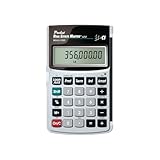
- Loan Amortization and Remaining Balances
- Instant Principal, Interest, Interest Only and Total Payments
- Future Values
- Date math function
How the trade-off works
| Question | Fixed rate | Variable or adjustable rate |
|---|---|---|
| What happens to the rate? | It remains unchanged during the contract’s fixed term. | It can change under the contract’s schedule and rules, often after an initial fixed period. |
| How predictable is the payment? | The principal-and-interest payment is generally predictable while the rate and loan terms stay fixed. The total housing payment can still change if taxes, insurance, or mortgage insurance change. | The payment may rise or fall when the rate changes. Some products keep the payment fixed temporarily and instead alter how much goes to interest and principal. |
| What is the starting-rate trade-off? | Fixed-rate offers are often higher than adjustable offers in the general comparison described by the CFPB, but actual pricing depends on the lender, borrower, market, and product. | An initial rate may be lower, but it can end at the first reset; the later rate and total cost are uncertain. |
| If market rates rise | You are insulated from the increase during the fixed term. | Your rate or payment may increase, subject to the contract’s caps and other terms. |
| If market rates fall | You may keep the contracted rate unless refinancing or another contract option is available. | The rate may fall under the contract, though floors or other terms can limit the benefit. |
For the CFPB’s general explanation of loan types and how rate type affects rate, principal-and-interest payment, and interest paid over a loan’s life, see Understand the different kinds of loans available.
Understand how a variable rate changes your payment
A variable rate does not, by itself, tell you how the lender recalculates your payment. For example, Canada’s Financial Consumer Agency distinguishes mortgages with adjustable payments from those with fixed payments. With adjustable payments, the payment amount changes as the rate changes. With fixed payments, a rate increase can mean more of each payment goes to interest and less to principal. If the payment does not cover all accruing interest, the balance may grow; a contractual trigger point may require the payment to rise to keep repayment on schedule. These mechanics depend on the mortgage contract and market. Financial Consumer Agency of Canada: Interest on mortgages
Rank #2

- SPEAKS YOUR LANGUAGE: Keys clearly labeled in residential mortgage finance terms like Loan AMT, Int, Term, PMT. This industry-standard calculator is super easy to use on all realty financing matters from finding a loan that works for your client to considering trust deeds investments, or finding remaining balances or balloon payments and much more
- CONFIDENTLY AND EASILY SOLVES: All your clients' financial questions whether they are buyers, sellers, investors or renters. Increase your perceived professionalism as a new agent, experienced broker or seasoned loan officer. Close more home sales and impress your clients with fast, accurate answers to all their real estate finance questions
- DEDICATED BUYER QUALIFYING KEYS: Enter client's income, debt and expenses to pre-qualify them to only show properties they can afford. Include tax, insurance and mortgage insurance then compare loan options and payment solutions to give your client choices before they make an offer to buy
- FIGURE OUT THE RIGHT LOAN: At the press of a button for jumbo, conventional, FHA/VA, or even 80:10:10 or 80:15:5 combo loans; check to see if ARMs or bi-weekly loans, quarterly payments or if interest-only payments are the answer; giving your client more choices; easily perform what if loan or tvm calculations Find loan amount, term, interest or PITI or PI payments
- BECOME AN INVALUABLE RESOURCE: Reduce your clients' confusion and uncertainty; ensuring they are able to make a purchase offer; knowing they can afford the down payment; and determining which is the right loan for them. Date-math for listings and contracts too. Comes with a protective slide cover, quick reference guide, pocket User's Guide, and long-life batteries
Some Canadian mortgages also offer a conversion feature or divide the loan into fixed and variable portions. Conversion can come with fees and conditions, and the replacement fixed rate may be higher than the previous variable rate. A hybrid loan’s portions can carry different terms and may be harder to transfer. Treat these as contract-specific possibilities, not standard features of every variable-rate mortgage.
Compare offers in this order
- Match the offers. Compare official proposals using the same loan amount, term, down payment, and relevant fees. In the US, the CFPB recommends comparing Loan Estimates.
- Map the variable-rate schedule. Record the introductory period, first adjustment date, later adjustment frequency, index, margin, and initial, periodic, and lifetime caps or floors, if applicable.
- Calculate more than the starting payment. Compare the payment at the initial rate with the highest payment allowed under the contract. For a fixed-payment variable mortgage, also check the amortization, trigger points, and whether unpaid interest can be added to principal.
- Include fees and loan terms. An advertised interest rate alone does not establish the cheaper offer. Consider upfront costs and the broader terms alongside the payment and interest implications.
- Test your budget against the adverse case. Ask whether the household can manage the highest contractually permitted payment, including other housing costs. If only the initial payment fits, the variable option leaves you exposed to a risk you cannot readily absorb.
- Do not make a move or refinance your only safety plan. A home’s value or your financial circumstances may change, so a planned sale or refinance might not be available or affordable when the rate resets.
Use the lender’s disclosures and your actual contract to verify the figures and adjustment rules. The CFPB’s ARM overview explains the index, margin, adjustment schedule, and caps to identify.
Rank #3

- DEDICATED FUNCTION KEYS for Quick Financial Solutions: Clearly labeled function keys enable you to quickly and confidently provide financial answers and options for your clients, whether in the office, in the car or at an open house. Compare loan options and provide payment solutions to give your client choices
- INSTANT FINANCIAL PROBLEM SOLVING: Solve the financial questions your clients have whether they are buyers, investors or renters; increase your perceived professionalism and close more home sales by quickly answering real estate finance problems including remaining balances
- RESIDENTIAL REAL ESTATE FINANCE TERMS: Keys labeled in residential real estate finance terms like Loan AMT, Int, Term, PMT; Calculator is super easy to use to determine a mortgage loan that works for your client
- VERSATILE LOAN CALCULATION OPTIONS: Calculate 80:10:10 or 80:15:5 combo loans at the press of a button; check to see if ARMs or bi-weekly loans, quarterly payments or if interest-only payments are the answer; giving your client more choices
- COMES COMPLETE: Comes with a protective slide cover, quick reference guide, pocket user's guide, two long-life batteries, and 1-year warranty
Which option may fit your circumstances?
A fixed rate may fit if payment certainty matters most
A fixed rate is often a better fit if a payment increase would strain your budget, you value predictable principal-and-interest costs during the fixed term, or you do not want to manage reset risk. The trade-off is that you may not benefit automatically if rates fall; refinancing or another contract option would have to be available and make sense.
A variable rate may fit if you can absorb the risk
A variable or adjustable rate may suit a borrower who understands the adjustment terms, can afford the maximum permitted payment, and accepts uncertainty in exchange for the initial pricing or other contract benefits. A lower introductory payment is not proof of a lower total cost.
Rank #4

- SPEAKS YOUR LANGUAGE: Keys clearly labeled in residential mortgage finance terms like Loan Amt, Int, Term, Pmt; this industry-standard calculator is super easy to use on all realty financing matters from finding a loan that works for your client to considering trust deeds investments, or finding remaining balances or balloon payments and more
- CONFIDENTLY AND EASILY SOLVE: Clients' financial questions whether they're buyers, sellers, investors or renters. Increase your perceived professionalism as a new agent, experienced broker or seasoned loan officer. Close more home sales and impress your clients with fast, accurate answers to all their real estate finance questions from PITI Payments to IRR, NPV and Cashflows
- DEDICATED BUYER QUALIFYING KEYS: Enter client's income, debt and expenses to pre-qualify them to only show properties they can afford. Include tax, insurance and mortgage insurance then compare loan options and payment solutions to give your client choices before they make an offer to buy
- FIGURE OUT THE RIGHT LOAN: For your client at the press of a button for jumbo, conventional, FHA/VA, or even 80:10:10 or 80:15:5 combo loans; check to see if ARMs or bi-weekly loans, quarterly payments or if interest-only payments are the answer; giving your client more choices; easily perform what if loan or TVM calculations find loan amount, term, interest or PITI or PI payments
- BECOME AN INVALUABLE RESOURCE: To your clients by reducing their confusion and uncertainty; ensuring they are able to make a purchase offer; knowing they can afford the down payment; and determining which is the right loan for them. Date-math for listings and contracts too. Comes with a protective slide cover, quick reference guide, pocket user's guide, and long-life battery
Neither choice can be selected reliably by predicting where rates will go. Compare the actual offers and choose based on the contract’s payment path and your ability to handle it.
Independent reader supportYour contribution helps us test, update, and keep practical guides available for everyone.Scope and source notes
The CFPB’s mortgage guidance is US-focused; the fixed-payment and conversion examples above come from Canada’s Financial Consumer Agency. Mortgage labels, disclosure forms, benchmarks, and protections differ across jurisdictions, and these sources do not establish current lender offers or a rate forecast. The Federal Deposit Insurance Corporation’s consumer mortgage resource is available at FDIC: Mortgages.
Quick Recap
Best Value

- Extra large 12-digit angled display.
- Loan Wizard.
- Automatic Tax Keys.
- Selectable decimal setting.
- Input any three loan variables to compute the fourth.
Product prices and availability are accurate as of the date/time indicated and are subject to change. Any price and availability information displayed on Amazon at the time of purchase will apply.




