PC Slower Than It Used to Be?
A free scan shows the junk files, broken settings and background clutter dragging Windows down - then fixes them in one click.Free scan · Windows 10 & 11Outdated Drivers Are Slowing You Down
One free scan finds every outdated or missing driver and matches the right update for your exact hardware.Free scan · exact hardware matchManaging personal finances starts with knowing what comes in, what goes out, and when bills are due. From there, you can plan for irregular expenses, build savings around your circumstances, organize debt and credit tasks, compare financial services, and make retirement decisions with better context. This U.S.-oriented guide uses free Consumer Financial Protection Bureau (CFPB) worksheets and tools as starting points—not as a substitute for advice tailored to your tax, investment, insurance, or retirement situation.
How do you get a clear picture of your money?
Start with a realistic record of income, spending, and bill dates. Use take-home pay—the money available after payroll deductions—as the amount your spending plan must fit. List every income source and the amount and timing you generally receive. Then record expenses, including bills that arrive only a few times a year.
Capture routine and irregular expenses
Include recurring costs such as housing, utilities, transportation, food, and debt payments. Also look back across several months for expenses that do not appear every month: insurance premiums, medical costs, school needs, gifts, travel, and repairs are common examples. The CFPB’s budgeting guidance, published June 5, 2019, recommends looking across several months to find these less frequent costs. Bank statements can help you check whether your estimates match what you actually spend.
For an annual or occasional bill, note its due date and plan for it ahead of time. One simple approach is to set aside part of the expected cost during the months before it is due. That makes the expense visible in the plan instead of treating it as a surprise when the bill arrives.
What’s actually slowing this PC down?
Pick the symptom - the matching free tool is one click away.
#1 Best Overall

- EFFECTIVELY MANAGE YOUR MONEY - Our budget planner helps you take control of your finances by providing sections for financial goals, savings, debts, daily expenses, monthly budget, monthly budget review. This finance planner is a good finance book and will help you manage your money effectively.
- PREMIUM QUALITY - Our budget planner is made with high-quality 100gsm paper that reduces ink leakage, fraying, and shade issues. The sturdy and flexible cover,, helps protect the pages. The metal lay-flat twin-wire binding ensures durability and longevity.
- ORGANIZED MONTHLY GOALS & BUDGETS - Our 12-month budget planner helps you set monthly goals, budgets, reviews, and develop good monetary habits, strategies, and action plans. Write down monthly financial goals, put reminders of bills and payments on the calendar, plan your monthly budget in each category, track daily expenses, and review the monthly budget at the end of the month.
- FLEXIBLE USAGE - Our undated finance planner allows you to start at any time and place, making it convenient to use. It has a perfect size of 8.6x5.9 inches and fits in every bag, so it's always at hand.
- CREATE FINANCIAL FREEDOM - Our budget planner is your chance to develop monthly habits, monetary strategies, and action plans to start your journey to long-term financial freedom. It allows you to track monetary flow and review each area for improvements. With this 1-Years budget book, you can take the first step towards financial freedom.
Choose a tracking method you will keep using
The best format is one you can update consistently and access when you need it. The CFPB suggests tools such as a daily journal; its spending guidance also mentions carrying a small notebook. A paper budget planner or spending journal is optional, not essential. Free fillable CFPB worksheets, a spreadsheet, or a digital tool may suit you better.
| Method | Useful when | What to consider |
|---|---|---|
| Notebook or journal | You prefer to record purchases by hand as they happen. | Keep it accessible and make a separate note of bills or costs that occur infrequently. |
| Fillable worksheet | You want a guided format for listing income, expenses, or goals. | Choose a worksheet you can revisit and update as circumstances change. |
| Spreadsheet or digital tool | You prefer to enter or review information electronically. | Consider ease of access, privacy, and whether the tool lets you record irregular expenses. |
Compare your planned spending with take-home pay. If the plan does not fit, use the record to identify which costs are fixed, which are flexible, and when money arrives relative to bill due dates. Adjust the plan when income, expenses, or household circumstances change; a budget is a working record, not a one-time calculation.
How do you make a budget and stick to it?
Turn the information you collected into a routine: plan, record, compare, and adjust. The sequence below keeps the focus on decisions you can repeat rather than on a particular budgeting formula.
- Write down expected income and dates. Use take-home amounts and include the timing of each source.
- List bills and spending categories. Record due dates and include both routine and less frequent expenses.
- Set a plan that fits the available cash. Compare expected expenses with take-home income and account for when payments must be made.
- Record spending as it happens. Use your chosen journal, worksheet, spreadsheet, or digital tool.
- Review what differed from the plan. Check statements against estimates and adjust categories or timing where needed.
- Revisit the plan after a change. Update it when income, regular bills, or upcoming costs shift.
If keeping up with detailed entries becomes impractical, simplify the format rather than abandoning the review. The useful test is whether the method helps you see upcoming obligations and make informed choices about available money.
Rank #2

- Effective Budget Planning - Take control of your finances with the budget account book. This comprehensive planner allows you to plan and track your income, expenses, savings, and financial goals in one convenient place. With its intuitive layout and easy-to-use sections, you can stay organized and make informed decisions to achieve financial success.
- User-Friendly Layout - The budget planner features a user-friendly layout designed for easy navigation and organization. Each month, you'll find dedicated budget pages where you can set financial goals, track your income, and plan your expenses. Additional sections include debt trackers, savings goals, bill payment trackers, and more, making it simple to stay on top of your finances.
- Undated Monthly Calendar & Bonus Stickers - Featuring undated calendar each month, you'll have ample space to mark paydays, bills due, appointments, and important dates. Say goodbye to difficult writing spaces. Plus, we've included 3 cute sticker sheets that allow you to personalize your financial organizer and make budgeting more fun. Dates are not pre-printed and are completed by the user.
- Reliable and Convenient Design - Our monthly budget planner is designed for your convenience and built to last. The elastic band keeps everything securely in place, and the dual-sided pocket provides extra storage. Experience a budget planner that combines practicality and durability.
- Master Budgeting with Ease - Our financial planner includes a complete guidebook that provides valuable insights and instructions for optimal usage. From setting financial goals to tracking expenses, this guidebook offers step-by-step guidance and practical tips. Whether you're new to budgeting or an experienced user, this resource will help you make the most of your budget planner, empowering you to achieve financial success.
How much should you save for emergencies?
There is no single emergency-fund figure that fits every household. The CFPB puts it plainly: “The amount you need to have in an emergency savings fund depends on your situation.” Consider the unexpected costs you have faced, the expenses you would need to cover, and how changes in income could affect your ability to pay bills.
Emergency savings are intended for unplanned expenses or income disruptions, such as a car or home repair, a medical bill, or loss of income. A reserve may help keep an unexpected cost from becoming credit-card or loan debt, but it cannot guarantee that every hardship will be covered.
Make the goal concrete and sustainable
Choose a goal, decide how much you can set aside, and select a cadence you can maintain. If a large target feels out of reach, define a manageable first milestone and revise it as your circumstances change. The CFPB’s emergency-savings guidance describes automatic transfers from checking to savings or investment accounts, and paycheck splitting where available, as ways to automate saving. Check the destination account’s terms and make sure the transfer schedule does not interfere with money needed for bills.
How do you organize debt and credit tasks?
Begin by making a complete debt inventory: list each obligation, balance, payment due date, interest or other cost information available to you, and any special repayment terms. A written record makes it easier to see what needs attention and plan around cash flow.
The Tool Desk
Outbyte PC Repair FREERepair Windows errors before they cause bigger problemsFix Now →Outbyte Driver Updater FREEScan for outdated or missing drivers - takes under a minuteDriver Scan →Rank #3

- TAKE CONTROL OF YOUR MONEY & ACHIEVE YOUR FINANCIAL GOALS - Are you looking for the best monthly budget planner to keep your finances organized? Clever Fox Budget Book will help you keep your money organized, spend well and start saving.
- FIND THE BEST WAY TO ACHIEVE YOUR FINANCIAL GOALS - This budget organizer is not just a tool; it's a framework for achieving your financial goals. The finance planner helps you develop a strategy and break your ambitious goals into manageable monthly tasks.
- EASILY CONTROL YOUR SPENDING, DEBTS & SAVINGS - This money planner is undated and covers 12 months. Every month features a calendar, a budget plan, and an expense tracker. The budgeting planner also includes 8 savings and 12 debt trackers.
- USER GUIDE & BUDGETING STICKERS - Measuring 5.8 by 8.3 inches, this bill planner features a vegan leather hardcover, thick 120gsm paper, pen loop, elastic band, 3 bookmarks, pocket for receipts, budgeting stickers, and a user guide.
- 60-DAY GUARANTEE - We will exchange or refund your Budget Planner Organizer if you aren’t satisfied with your budgeting workbook for any reason. Reach out to us via message to refund your financial planner.
Build a debt action plan
The CFPB’s Your Money, Your Goals toolkit includes a debt log, a debt-to-income calculator, and a debt action plan. It also points readers to resources on comparing auto loans, repaying student loans, and responding to debt collectors. Use the relevant materials to understand the specific obligation before choosing what to do next.
No single payoff order is best for everyone. The cost of a debt, due dates, consequences of falling behind, affordability, and any special repayment rules can all matter. If you are weighing options, make sure the plan accounts for required payments and the consequences of delinquency; get qualified help when the terms or legal implications are unclear.
Review credit reports and act on errors
Make credit-report review a distinct task: request and examine your reports, check the information for accuracy, and dispute inaccurate information through the appropriate process. The CFPB toolkit includes resources on requesting reports, disputing errors, understanding how credit history is built, and protecting your identity. Keep a record of what you reviewed and any follow-up you submitted so the task does not disappear into a general money checklist.
How should you compare checking and savings accounts?
Compare current product terms rather than choosing on a headline feature alone. The CFPB’s Your Money, Your Goals materials cover finding and comparing financial products and services, opening checking or savings accounts, and avoiding checking-account fees and overdraft problems. The terms available to you depend on the provider and may change, so review current disclosures before opening an account.
Do these 3 things before closing this tab:
1Fix the driver behind crashes, sound loss and screen glitches2Repair Windows errors before they cause bigger problems3Scan for outdated or missing drivers - takes under a minuteRank #4

- Effective Budget Plan Book – Take control of your finances with the SUNEE budget account book. This all-in-one budget planner allows you to plan and track your income, expenses, savings, and financial goals. Its intuitive layout and easy-to-use sections help you stay organized and make smart decisions to reach financial success. Our financial planner also included a comprehensive guidebook with valuable tips and instructions to help you get the most out of your budgeting planner.
- Full-Page Calendars – Each month’s full-page calendar provides plenty of space to track paydays, bills due dates, appointments, and important events. No more cramped boxes or tight writing areas, you can easily plan and organize your schedule at a glance.
- Colorful Pages Layout and Tabs – This vibrant budget planner features a user-friendly design for easy navigation and organization. Each month includes dedicated budget pages to set financial goals, track income, and plan expenses. Additional sections like debt trackers, savings goals, and bill payment trackers make managing your finances a breeze. The colorful backgrounds on each page offer clear, instant visibility.
- Bonus 4 Stickers and Convenient Design – This monthly budget planner is built for convenience and durability. Water-resistant cover protects against spills, while the elastic band keeps everything secure, and the dual-sided pocket offers extra storage. Plus, we’ve included 4 adorable sticker sheets to personalize your planner and make budgeting more enjoyable. Experience a budget planner that combines practicality with lasting quality.
- UNDATED DESIGN & 1 YEAR USE - Undated finance books start with 1 page-financial goals, 1 page-Mind Map, 1 page-Financial Strategy, 1 page-Tactics, 2 pages-Important Dates, 4 pages-Bill Tracker, 4 pages-Saving Tracker, 8 pages-Debt Tracker, followed by 12 Months(10 pages per month, 1 unique color for each month). 2 pages-Christmas Budgeting, 2 pages-Yearly Summary, 2 pages-Check Register and 12 pages-Notes(dotted). It is UNDATED, so you could start at any time, suitable for 1 year use.
- Fees: Check the fees that apply to the account and the conditions that may trigger them.
- Minimums: Review opening deposits and any balance requirements.
- Access: Consider how you can deposit, withdraw, and manage money when you need it.
- Overdraft terms: Understand how the provider handles transactions when funds are insufficient and what costs may apply.
- Other terms and service: Read the current disclosures and evaluate whether the account’s features fit how you manage money.
No particular bank or account is established as the best choice here; offers, eligibility, and terms require a current comparison for your circumstances.
Independent reader supportYour contribution helps us test, update, and keep practical guides available for everyone.What retirement decisions need individual attention?
Retirement planning involves choices that affect future income and flexibility. The CFPB’s retirement resource identifies Social Security claiming age, pension payout decisions, retirement income, assets, and debt as relevant considerations. Claiming age affects the monthly Social Security benefit, but that fact alone does not establish a universally right age.
Compare options in the context of expected income needs, timing, flexibility, risk, assets, and debt. Pension payout choices also deserve careful review because they shape how retirement income is received. Individual estimates and circumstances matter; use the relevant plan or benefit information and seek qualified, personalized guidance for a decision that could materially affect your future income.
Which tools can help you manage money?
Use tools to support the decisions and routines above, not as a substitute for reviewing the information. The CFPB’s Your Money, Your Goals toolkit, updated June 2020, includes materials for budgeting, savings, debt, credit reports, identity protection, and financial-product comparisons. Its budgeting and spending materials also support paper-based tracking, while fillable worksheets provide a free guided option.
Best Value
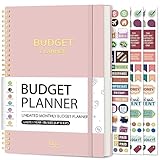
- Effective Budget Planning - Take control of your finances with the budget account book. This comprehensive planner allows you to plan and track your income, expenses, savings, and financial goals in one convenient place. With its intuitive layout and easy-to-use sections, you can stay organized and make informed decisions to achieve financial success.
- User-Friendly Layout - The budget planner features a user-friendly layout designed for easy navigation and organization. Each month, you'll find dedicated budget pages where you can set financial goals, track your income, and plan your expenses. Additional sections include debt trackers, savings goals, bill payment trackers, and more, making it simple to stay on top of your finances.
- Undated Monthly Calendar & Bonus Stickers - Featuring undated calendar each month, you'll have ample space to mark paydays, bills due, appointments, and important dates. Say goodbye to difficult writing spaces. Plus, we've included 3 cute sticker sheets that allow you to personalize your financial organizer and make budgeting more fun. Dates are not pre-printed and are completed by the user.
- Reliable and Convenient Design - Our monthly budget planner is designed for your convenience and built to last. The elastic band keeps everything securely in place, and the dual-sided pocket provides extra storage. Experience a budget planner that combines practicality and durability.
- Master Budgeting with Ease - Our financial planner includes a complete guidebook that provides valuable insights and instructions for optimal usage. From setting financial goals to tracking expenses, this guidebook offers step-by-step guidance and practical tips. Whether you're new to budgeting or an experienced user, this resource will help you make the most of your budget planner, empowering you to achieve financial success.
- For cash flow: A journal, notebook, worksheet, spreadsheet, or digital tracker can record spending and due dates.
- For savings: A written goal and a scheduled transfer can help turn saving into a routine.
- For debt: A debt log, debt-to-income calculator, and action plan can organize obligations and follow-up.
- For credit: Report-review, dispute, credit-history, and identity-protection resources can help structure the work.
- For financial services: Comparison materials can guide a review of account terms, but verify current disclosures directly with providers.
Choose based on ease of use, access, privacy, and whether the tool captures the information you need—including irregular expenses. Avoid entering sensitive information into a tool unless you understand how it handles that information.
How to keep the system useful over time
Give the system a recurring review point that works with your pay and bill schedule. At each review, update upcoming income and expenses, check the next due dates, record progress on savings goals, and identify any debt or credit follow-up. Make changes when the facts change; do not treat an old worksheet or estimate as current simply because it was once accurate.
This is general financial education for U.S. readers, not individualized tax, investment, insurance, or retirement advice. The CFPB sources cited here provide practical worksheets and decision prompts; they do not establish current financial-product offers or prescribe a personal strategy for every reader.
Quick Recap
Product prices and availability are accurate as of the date/time indicated and are subject to change. Any price and availability information displayed on Amazon at the time of purchase will apply.




