If you’re carrying credit-card debt, start by listing each balance, interest rate, minimum payment and due date, then work out what you can afford after essential expenses. Contact the card issuer early if you may miss a payment and ask about a hardship arrangement. Compare any counseling, transfer or loan offer by its full cost and terms—not by its headline promise. The right route depends on your finances and the offers actually available to you.
What to do first if you can’t pay your credit card bill
Don’t wait for the account to fall further behind before asking for help. The Federal Trade Commission (FTC) recommends reviewing your spending and contacting creditors to explain a hardship. Call the number on your card or statement, describe what you can realistically pay, and ask whether the issuer can offer a lower interest rate or an affordable payment arrangement. You do not need to hire a company to make that call.

- Make a short-term budget. Write down your take-home income, essential expenses, debt minimums and upcoming due dates. Identify what is available for debt payments without assuming you can spend money that is needed for essentials.
- Contact the issuer. Explain why you’re having trouble and when you expect your situation to change, if you know. Ask what hardship options are available, what they would require, and whether interest, fees or account access would change.
- Get the terms in writing. Keep notes of calls and copies of messages. Before relying on a proposed arrangement, ask for written confirmation and make sure you understand the payment amount, due date, duration and any conditions.
The FTC advises cardholders to call the number on the card or statement and ask to negotiate a lower interest rate. An issuer may or may not agree to a particular change; confirm the actual terms rather than budgeting around an unapproved offer.
How to organize balances and choose a payoff approach
Make one list of every card’s current balance, APR, minimum due and due date. Add any fees or promotional-rate end dates that affect the cost. This gives you a clear view of the monthly commitment and helps you evaluate whether a proposed payment plan is workable.
#1 Best Overall

- Organize Debts with a Debt Payoff Planner - Track all your debts efficiently using this debt payoff planner, including starting balances, minimum payments, due dates, and interest rates.
- Monitor Payments with a Debt Payoff Tracker - Log each payment, track end balances, and store confirmation numbers in this debt payoff tracker to stay on top of your finances.
- Plan Your Strategy with a Debt Snowball Planner - Prioritize debts, set goals, and create repayment strategies with this debt snowball planner for faster debt elimination.
- Track Bills with a Bill Tracker Notebook - Keep track of recurring bills, payment dates, and amounts with this bill tracker notebook, ensuring nothing is missed.
- Stay Motivated with a Debt Management Planner - Celebrate milestones and monitor progress using this debt management planner, perfect for anyone seeking control over their finances and achieving debt freedom.
- If you can cover all minimum payments, directing any extra amount to the balance with the highest APR generally reduces interest cost most efficiently, assuming the rates and balances remain otherwise unchanged.
- If you cannot cover the minimums, contact the affected issuers promptly rather than silently missing payments. Ask about hardship options and prioritize a payment plan you can sustain.
- Use a paper debt payoff planner, notebook or free budget worksheet only as a tracking aid for balances, spending and dates. A planner does not lower rates, change creditor terms or reduce debt by itself; the FTC’s guidance is to make a budget and review spending.
Credit-card balances are common, but prevalence does not indicate that every cardholder is in financial distress. The Federal Reserve Board reported that 81% of U.S. adults had a credit card in 2024. Among credit-card owners, 46% said they had carried a balance at least once during the prior 12 months; that does not mean they carried one every month or were unable to pay.
Compare the main ways to deal with credit-card debt
Compare the full dollars you would pay, the monthly amount and duration, whether creditors must agree, and what happens if you miss a payment. Also consider whether an option puts collateral at risk, depends on eligibility, or could have tax consequences. These differences matter more than a provider’s label or advertised savings.
Rank #2

- Comprehensive Debt Management Tool:The debt payoff planner log offers a detailed table design to help users manage debt information comprehensively. Each page includes creditor details, target payoff dates, credit types, starting balances, minimum payments, interest rates, and other key data, ensuring users have a clear overview of each debt. With systematic tracking, users can create effective repayment plans and work towards becoming debt-free.
- High-Quality Materials and Practical Design:Featuring 110 pages of 80gsm high-quality paper with double-sided printing and a sturdy copperplate cover, this debt payoff tracker is both durable and professional. The 8.5 x 11-inch large page size is perfect for desktop use and portable enough to carry around. The spiral-bound design allows the debt payoff planner spiral bound to lay flat at 180 degrees for easy writing, and it works seamlessly with gel pens, ink pens, or pencils without smudging.
- User-Friendly Table Design:The credit card debt payoff planner features a simple and intuitive table layout, making it easy to add entries and track repayment progress. Each page includes columns for dates, starting and ending balances, payment amounts, confirmation numbers, and notes, enabling users to efficiently monitor every payment. This straightforward design simplifies debt management, even for first-time users.
- Versatile Use Cases:Whether for personal debt management, family financial planning, or small business cash flow tracking, the debt snowball planner is a versatile tool. Finance planner is ideal for students, professionals, freelancers, and small business owners, helping them clearly record and track debt in various scenarios. By staying organized, users can better manage their finances and reduce financial stress.
- Improve Credit Scores and Reduce Stress:With systematic debt tracking and repayment planning, the fbill tracker notebook helps users reduce their debt burden and improve credit scores over time. Clear repayment progress and goal-setting features provide peace of mind, empowering users to tackle financial challenges with confidence and work towards financial freedom.
| Option | How it works | Main trade-off to assess |
|---|---|---|
| Issuer hardship arrangement | You ask the card issuer directly for an affordable payment arrangement or rate change. | Terms are set by the issuer; get the actual offer in writing and check whether it fits your budget. |
| Credit counseling and a debt management plan | A counselor reviews your finances and may propose a plan under which you make regular deposits used to pay unsecured debts. | Ask about all fees, the payment schedule and whether creditors will provide any proposed rate or fee changes. |
| Debt settlement | A settlement company seeks an agreement for you to pay less than the amount owed; the approach often involves saving money while payments to creditors stop. | Creditors need not agree, and balances, collection activity and legal risk may increase while you wait. |
| Balance transfer | You move eligible card debt to another card, often under a promotional rate. | Check the transfer fee, promotional period, post-promotion APR, eligibility and payment needed to clear the balance before the promotion ends. |
| Consolidation loan | You use a new loan to pay off card balances, then repay the loan under its terms. | Compare APR, fees, term and total repayment. If a home secures the loan, missed payments put the home at risk. |
| Bankruptcy | A legal process that may provide a fresh start in some circumstances. | Consequences, discharge and exemptions depend on the case and applicable law; seek qualified legal help before deciding. |
When credit counseling or a debt management plan may help
Credit counseling starts with a review of your finances; it does not automatically mean you must enroll in a plan. A counselor may help you make a budget or may recommend a debt management plan (DMP). Under a DMP, the counselor arranges a payment schedule, and you make regular deposits that are used to pay unsecured debts. Creditors may agree to lower interest or waive fees, but confirm with each creditor that proposed changes are actually available.
The FTC says DMPs require timely payments and may take 48 months or more. Before signing up, ask for a written description of services, a complete fee schedule, and an explanation of what happens if you can’t keep up with payments. Ask whether the provider is accredited or certified and whether licensing is required in your state. Check references with state and local consumer-protection offices. Nonprofit status by itself does not establish that a service is affordable or legitimate.
Windows Errors? Fix Them Before They Spread
Repair common Windows errors and clear accumulated junk for a smoother, more stable PC - no reinstall needed.Free scan · no reinstallOutdated Drivers Are Slowing You Down
One free scan finds every outdated or missing driver and matches the right update for your exact hardware.Free scan · exact hardware matchRank #3

- Organize Debts with a Debt Payoff Planner - Track all your debts efficiently using this debt payoff planner, including starting balances, minimum payments, due dates, and interest rates.
- Monitor Payments with a Debt Payoff Tracker - Log each payment, track end balances, and store confirmation numbers in this debt payoff tracker to stay on top of your finances.
- Plan Your Strategy with a Debt Snowball Planner - Prioritize debts, set goals, and create repayment strategies with this debt snowball planner for faster debt elimination.
- Track Bills with a Bill Tracker Notebook - Keep track of recurring bills, payment dates, and amounts with this bill tracker notebook, ensuring nothing is missed.
- Stay Motivated with a Debt Management Planner - Celebrate milestones and monitor progress using this debt management planner, perfect for anyone seeking control over their finances and achieving debt freedom.
When a balance transfer or consolidation loan makes sense to investigate
A balance transfer can be worth evaluating if you qualify and are committed to paying down the debt during the promotional period. Compare the fee and promotional term with the interest you would otherwise pay, then calculate the monthly payment needed to clear the transferred balance before the promotion ends. Include the post-promotion APR in your comparison in case you do not finish on time. A promotion is not a payoff plan unless the payments fit your budget.
The Consumer Financial Protection Bureau reported $59.5 billion in balance transfers during 2024. That is historical market activity, not a current offer or a recommendation for a particular card. Individual offers, eligibility and terms vary.
Rank #4
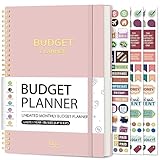
- Effective Budget Planning - Take control of your finances with the budget account book. This comprehensive planner allows you to plan and track your income, expenses, savings, and financial goals in one convenient place. With its intuitive layout and easy-to-use sections, you can stay organized and make informed decisions to achieve financial success.
- User-Friendly Layout - The budget planner features a user-friendly layout designed for easy navigation and organization. Each month, you'll find dedicated budget pages where you can set financial goals, track your income, and plan your expenses. Additional sections include debt trackers, savings goals, bill payment trackers, and more, making it simple to stay on top of your finances.
- Undated Monthly Calendar & Bonus Stickers - Featuring undated calendar each month, you'll have ample space to mark paydays, bills due, appointments, and important dates. Say goodbye to difficult writing spaces. Plus, we've included 3 cute sticker sheets that allow you to personalize your financial organizer and make budgeting more fun. Dates are not pre-printed and are completed by the user.
- Reliable and Convenient Design - Our monthly budget planner is designed for your convenience and built to last. The elastic band keeps everything securely in place, and the dual-sided pocket provides extra storage. Experience a budget planner that combines practicality and durability.
- Master Budgeting with Ease - Our financial planner includes a complete guidebook that provides valuable insights and instructions for optimal usage. From setting financial goals to tracking expenses, this guidebook offers step-by-step guidance and practical tips. Whether you're new to budgeting or an experienced user, this resource will help you make the most of your budget planner, empowering you to achieve financial success.
For a consolidation loan, compare the APR, fees, repayment term and total amount due with the cost of keeping the card balances. A lower monthly payment can reflect a longer repayment period rather than a lower total cost. Be especially cautious about converting unsecured card debt into a loan secured by your home: if you miss payments, you could put the home at risk.
Independent reader supportYour contribution helps us test, update, and keep practical guides available for everyone.Why debt settlement carries significant risks
Settlement is not the same as a DMP. A settlement company tries to persuade creditors to accept less than the amount owed, and the process often involves putting money aside while payments to creditors stop. A creditor is not required to settle. While you wait, interest and late fees may add to balances, collection efforts or lawsuits may continue, and missed payments can damage your credit history. A settlement may not be reached for every debt, and forgiven amounts may have tax consequences.
Free tools Windows power users keep installed
One-click scans. No signup required.
The FTC says companies cannot collect settlement fees before they settle a debt. Be wary of any promise that a company can guarantee a result. Before considering settlement, understand what you will pay, what debts may remain unsettled and what can happen during the period when creditors are not being paid.
How to spot debt-relief scams and poor-fit providers
Walk away from a company that guarantees it can erase your debt, claims a special government program will eliminate debt in exchange for a fee, enrolls you without reviewing your finances, or pressures you to stop communicating with creditors without explaining the consequences. Ask for the services and complete fees in writing, and check any state licensing requirements with your state attorney general or local consumer-protection agency.
In its March 8, 2024 consumer alert, the FTC stated: “Never pay anyone who tries to collect fees from you before they do anything to help you deal with your debt. That’s illegal.” The warning is particularly important for settlement companies: do not pay a settlement fee before a debt has been settled.
When to get legal help
If your debts are unmanageable even under a realistic budget, bankruptcy may be an option to discuss with a qualified attorney or legal-aid provider. It can offer a fresh start in some situations, but it has long-term credit-report consequences, and which debts can be discharged or property exempted depends on the case and applicable law. Do not rely on a debt-relief salesperson to decide whether bankruptcy is right for you; seek qualified legal advice and consult official court resources for your jurisdiction.
Do these 3 things before closing this tab:
1Clear out junk files and repair common Windows errors2Fix the driver behind crashes, sound loss and screen glitches3Repair Windows errors before they cause bigger problemsQuick Recap
Product prices and availability are accurate as of the date/time indicated and are subject to change. Any price and availability information displayed on Amazon at the time of purchase will apply.




