What’s actually slowing this PC down?
Pick the symptom - the matching free tool is one click away.
For a U.S. startup with little or no revenue, an SBA Microloan through a nonprofit intermediary is often the most relevant place to start for a smaller funding need; an SBA 7(a) lender may suit a broader range of eligible uses. Bluevine, Accion Opportunity Fund and OnDeck publish operating-history and revenue minimums, so they are options for some young businesses—not general-purpose loans for pre-revenue founders. The right choice depends on eligibility, permitted use, full borrowing cost and whether repayments fit the business’s cash flow.
Which startup business loans are worth considering?
There is no single best loan for every startup. These options differ in who can apply, how funds may be used and how the application is handled. SBA program availability is not a guarantee of approval or an endorsement of any lender; lender underwriting and the terms in an actual offer matter.
| Option | Who it may fit | Published amount and uses | Published eligibility, cost or repayment details |
|---|---|---|---|
| SBA Microloan | A startup seeking a smaller amount, including a business that may not yet meet commercial lenders’ operating-history and revenue thresholds. | Up to $50,000; working capital, inventory, supplies, furniture, fixtures, machinery and equipment. Cannot be used to pay existing debt or buy real estate. | The SBA reports an average loan size of about $13,000, a maximum seven-year term and generally 8%–13% interest. These are program-level figures, not a guaranteed loan amount, term or rate. An approved nonprofit intermediary makes the credit decision and sets the terms. SBA Microloans |
| SBA 7(a) | An eligible small business needing financing for a wider range of purposes, such as working capital, equipment or real estate. | Up to $5 million. Eligible uses include short- and long-term working capital, real estate and buildings, machinery and equipment, furniture, fixtures and supplies, debt refinancing, and changes of ownership. | For loans of $50,000 or less, the published maximum interest spread is base rate plus 6.5%; the applicable maximum spread declines by loan-size band. The lender and borrower negotiate within SBA limits, and repayment depends on purpose and structure. SBA 7(a) loans |
| Bluevine line of credit | An operating business that meets Bluevine’s stated criteria and wants revolving credit; its published minimums exclude most pre-revenue startups. | Revolving line of credit up to $250,000. Bluevine also says term-loan offers from third-party lending partners may reach $500,000; those partners may have different criteria and terms. | For the line of credit, Bluevine lists at least 12 months in business, $120,000 annual revenue, a personal FICO score of 625 or higher, no bankruptcies on file and good standing with the Secretary of State. State availability and underwriting apply. Bluevine says its line is issued through Celtic Bank. Bluevine Small Business Loans · Bluevine line-of-credit eligibility |
| Accion Opportunity Fund (AOF) | An established young business that meets AOF’s published revenue, time-in-business, credit and ownership criteria. | $5,000–$250,000. AOF lists example terms of 18 or 36 months; actual loans are structured to the business. | Posted requirements include a 660+ credit score, two years in business, at least $300,000 in revenue in the past year and at least 20% ownership, plus residency and state restrictions. AOF lists an origination fee and no prepayment penalty. Check its current criteria and offer details. AOF eligibility requirements · AOF loan terms |
| OnDeck | An operating business with an established revenue history that meets its published minimums; not a fit for a business that has not launched. | Loan amount, term and permitted-use details: not stated on the cited qualifications page. | OnDeck lists at least one year in business, a business checking account, $100,000 annual revenue and a personal FICO score of 625. It says stronger profiles may be needed for better approval prospects and its lowest rates. OnDeck loan qualifications |
The named non-SBA lenders publish different thresholds and products, so a maximum advertised amount should not be read as an amount a particular founder can qualify for. Their own disclosures and any final offer govern eligibility and terms.
How to choose by startup stage and funding need
Pre-launch or pre-revenue
Start by checking whether an SBA Microloan intermediary serves your area and funds your intended use. The Microloan program offers more than financing: its nonprofit intermediaries also provide management and technical assistance. A startup seeking a larger amount or a use outside Microloan rules can explore an SBA 7(a) lender, but the borrower still must meet program and lender requirements, including reasonable repayment ability.
Quick wins for a faster PC:
Clear out junk files and repair common Windows errorsFree Scan →Scan for outdated or missing drivers - takes under a minuteDriver Scan →Repair Windows errors before they cause bigger problemsFix Now →#1 Best Overall

- Profitability calculations; cash flow function Calculates NPV and IRR for uneven cash flows
- Time-value-of-money and Amortization keys solve problems including: pension calculations, loans, mortgages, etc.
- Ideal calculator for students, managers and statisticians
- Built-in functionality : List-based one- and two-variable statistics with four regression options: linear, logarithmic, exponential and power
- The BA II Plus calculator is approved for use on the following professional exams: Chartered Financial Analyst exam. GARP Financial Risk Manager (FRM) exam. Certified Management Accountants exam
Prepare a business plan and a clear explanation of how the loan will be used and repaid. The SBA says, “Most lenders expect a business plan when you apply for startup funding.” SBA Lender Match
Operating for less than a year
Check SBA options and local nonprofit lenders first, while verifying any lender’s current minimums. The published Bluevine and OnDeck criteria each require at least one year in business; AOF lists two years. Meeting a time threshold alone does not satisfy every other criterion or establish that an application will be approved.
Rank #2

- PROFESSIONAL FINANCIAL CALCULATOR : Built-in TVM, IRR, NPV. Engineered for business analysts, real estate investors, accountants, and finance students.
- ADVANCED CASH FLOW & AMORTIZATION : Execute time value of money, break-even analysis, depreciation schedules, and bond pricing. Trusted for professional exam prep", MBA coursework, and banking certifications.
- CATIGA CF-300 : Flip-open hard case with a snap-close design for a secure fit. Compact and portable: designed for daily professional use in office, classroom, or on-site.
- ALL-IN-ONE FOR PROFESSIONALS : From NPV/IRR for real estate analysis to statistical calculations for business analysts. Handles probability, linear regression, and complex financial formulas.
- MORTGAGE, LOAN & INVESTMENT CALCULATOR : Covers bond pricing, loan amortization, investment analysis, and exam-level computations. Your go-to accounting calculator, business calculator, and real estate calculator in one device.
Operating with established revenue
Once a young company meets a lender’s stated operating-history and revenue rules, it can compare eligible online products with SBA financing. Bluevine’s revolving line can be useful when the business needs access to credit it can draw as needed; a term loan instead provides a lump sum repaid under an agreed schedule. Confirm the product’s permitted use, repayment frequency, fees and total repayment before borrowing.
How SBA startup financing works
SBA Microloan: apply through a nonprofit intermediary
The SBA funds nonprofit community-based intermediaries, which make Microloans to borrowers and provide business assistance. Contact an intermediary serving your location to ask about its application process, credit criteria, available funding and requirements. The SBA’s average Microloan size of about $13,000 is a reported program statistic, not a forecast for any applicant. SBA Microloans
Windows Errors? Fix Them Before They Spread
Repair common Windows errors and clear accumulated junk for a smoother, more stable PC - no reinstall needed.Free scan · no reinstallCrashes, No Sound, or Screen Glitches?
Random freezes, missing sound and display glitches usually trace back to one bad driver. Find and replace yours safely.Free scan · under a minuteRank #3

- Extra large 12-digit angled display.
- Loan Wizard.
- Automatic Tax Keys.
- Selectable decimal setting.
- Input any three loan variables to compute the fourth.
SBA 7(a): apply with a participating lender
The SBA describes 7(a) as its primary business financing program, but it does not directly make 7(a) loans to borrowers. You apply through a participating lender. Eligible borrowers generally must be operating, for-profit small businesses located in the United States; meet program rules; be creditworthy with reasonable repayment ability; and be unable to obtain the desired credit on reasonable terms from other government sources specified by the SBA. Actual eligibility and terms depend on the program rules, loan purpose and lender. SBA 7(a) loans
Use Lender Match to find potential lenders
SBA Lender Match can connect a business with participating SBA-approved lenders. It is a lender-finding tool—not a loan application, approval or offer—and a match does not establish that a lender will be available or that the business will qualify. The SBA advises borrowers to ask lenders about rates, minimum credit score, cash-flow requirements and other factors. SBA Lender Match
Rank #4

- HP 12C: INDUSTRY STANDARD SINCE 1981 – Trusted by professionals in real estate, banking, and finance for over 40 years. The HP 12C finance calculator remains the go-to tool for fast and accurate calculations in high-stakes business environments.
- 120+ FUNCTIONS FOR FINANCIAL ANALYSIS – Calculate loan amortization, bond pricing, mortgage payments, NPV, IRR, depreciation, and more with this large calculator. Built-in business and statistical functions allow you to perform complex calculations in just a few keystrokes.
- RPN ENTRY FOR FASTER WORKFLOWS – Reverse Polish Notation (RPN) allows for efficient data entry with fewer keystrokes and no formulas. This RPN calculator is perfect for a mortgage payment calculator, accounting calculator, business calculator, or real estate calculator for desktop.
- PROGRAMMABLE FOR REPEAT TASKS – The HP12C desk calculator stores custom keystroke sequences for repeated use. This large calculator supports up to 20 cash flows for IRR/NPV analysis, modeling investment scenarios, projecting returns, and automating routine calculations.
- INCLUDES CLEANING CLOTH, CASE & BATTERIES – Compact design fits easily on a desk or crowded table area. Includes a protective carrying case, cleaning cloth, and comes with pre-installed batteries so it's ready to use out of the box. A great choice for home finances, business professionals, and accountants.
What to compare before accepting an offer
Do not choose on the largest advertised amount or the fastest stated funding time alone. Compare the full terms against the business’s expected cash flow and the risk of taking on repayment before revenue is reliable.
- Eligibility: Check time in business, revenue, personal credit, entity type, ownership and state or residency limits. A published minimum is a screening threshold, not a promise of approval.
- Amount and use: Borrow only what the business needs and can repay. Verify that the proceeds can be used for the planned expense; SBA Microloans, for example, cannot fund existing debt or real estate purchases.
- Total cost: Ask for the rate or APR, how it is calculated, and every origination, guarantee or other fee. Compare total dollars repaid, not only the stated rate or a maximum rate cap. SBA 7(a) spread limits are caps, not a borrower’s quote.
- Repayment: Confirm payment amount and frequency, whether the rate or payment can change, the term, prepayment rules and any consequences of late or missed payments. Map payments against conservative cash-flow projections, not just the business’s best-case forecast.
- Product structure: A revolving line lets an eligible borrower draw funds as needed, while a term loan advances a lump sum. Compare how each structure matches the timing and amount of the expense.
- Application route and support: Distinguish a participating SBA lender from a nonprofit Microloan intermediary or an online lender or partner. Ask who makes the credit decision, who services the loan and where to get business-planning assistance.
How to prepare an application
- Define the need and amount. List the expenses the loan will cover, when funds are needed and how each expenditure supports operations. Check program restrictions before applying.
- Build a repayment case. Prepare a business plan and realistic cash-flow projections that account for slow sales, seasonality and existing obligations. A lender needs to assess repayment ability, not just the business idea.
- Gather the lender’s required information. Requirements vary, so ask the specific lender or intermediary for its document checklist. Be prepared to explain ownership, business status, revenues if any, credit profile and intended use of proceeds.
- Identify the right application channel. For an SBA 7(a), contact a participating lender; for a Microloan, contact an approved intermediary; for a participating lender search, use Lender Match. A match does not itself submit an application.
- Compare written offers. Review the rate, fees, payment schedule, term, prepayment conditions, permitted use and total dollars due. Do not accept financing until the business can explain how it will make each payment.
What startup lending data does—and does not—show
The FDIC’s 2024 Small Business Lending Survey reported that 69% of small banks that typically meet small-business borrowers lent to startups, compared with 45% of banks that did not typically meet borrowers. This is an association in the survey, not evidence that meeting a bank causes it to lend or that a particular startup will receive financing. FDIC Small Business Lending Survey 2024, Section 7: Start-up Lending
Recommended Free Tools
Best Value
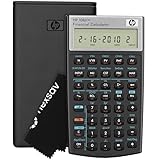
- HP 10BII+ FOR STUDENTS & PROFESSIONALS – This HP calculator is built for business, finance, accounting, and statistics courses. Perfect for learners and professionals who need to solve common financial problems quickly without memorizing formulas or relying on spreadsheets.
- 100+ FUNCTIONS FOR REAL WORLD MATH – Quickly solve time value of money, interest rates, loan payments, NPV, IRR, cash flows, and more. The 10bII+ also includes probability distributions for statistics courses—a feature not often found in financial calculators.
- ALGORITHMIC INPUT WITH DEDICATED KEYS – This high-school/college calculator uses algebraic and chain logic with minimal keystrokes. Layout appears the same as standard calculators for easy learning. Dedicated keys give quick access to commonly used financial and statistical functions
- APPROVED FOR MAJOR EXAMS – The HP 10bII+ algebra calculator is permitted for use on SAT, PSAT/NMSQT, and AP tests. An ideal statistics calculator and business calculator for school finance and accounting students preparing for class, coursework, or standardized exams.
- INCLUDES TRAVEL CASE, CLEANING CLOTH & BATTERIES– Slim, durable, and easy to keep on hand or store in a backpack or locker. Includes a protective case, cleaning cloth, and batteries so it’s ready out of the box. Large screen with clear contrast (non-backlit) is easy to read during exams or lectures.
For U.S. founders, the practical takeaway is to match the funding route to the company’s stage and the loan’s purpose, then judge any offer by its total cost and repayment fit. Published program limits and lender criteria help narrow options, but only a lender or intermediary can assess an application and issue terms.
Quick Recap
Product prices and availability are accurate as of the date/time indicated and are subject to change. Any price and availability information displayed on Amazon at the time of purchase will apply.




