What’s actually slowing this PC down?
Pick the symptom - the matching free tool is one click away.
To judge whether a bank is climate-friendly, look beyond its “green” branding or net-zero pledge. Check what it finances, what its fossil-fuel policies restrict, whether its climate targets cover lending and other financial activities, and how clearly it reports progress. Then verify that its accounts work for your country and circumstances.
What should I look for in a climate-friendly bank?
Use several kinds of evidence together. A bank’s targets describe what it intends to do; its policies set limits on certain financing; and independent financing analysis estimates what it has financed. None of these alone answers every question.
| # | Preview | Product | Price | |
|---|---|---|---|---|
| 1 |

|
Climate Finance | $44.23 | Buy on Amazon |
| 2 |

|
Climate Economics and Finance | $38.00 | Buy on Amazon |
| 3 |
|
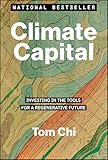
Climate Capital: Investing in the Tools for a Regenerative Future | $26.95 | Buy on Amazon |
| 4 |

|
Climate Finance: Taking a Position on Climate Futures (Economic Transformations, 31) | $29.95 | Buy on Amazon |
| 5 |

|
Climate Finance With Big Data Analytics | $98.00 | Buy on Amazon |
- Fossil-fuel financing: Look for recent data on financing to coal, oil and gas companies, including companies expanding production or infrastructure. Check the period, transaction types and companies covered.
- Policy strength: Read the bank’s actual coal, oil and gas policies. Check whether restrictions address new expansion, which clients and activities are included, and what exceptions apply.
- Targets: Look for long-term goals and interim milestones. Note which sectors and financial activities they cover, the baseline year, and the scenario used.
- Measurement and reporting: Check whether the bank reports emissions associated with lending, investments and capital-markets activity, and whether it explains the scope and method.
- Evidence date and comparability: Record the reporting year and the bank entity assessed. Differences in methods, scope and periods can make headline totals or rankings misleading.
These criteria reflect UNEP FI’s October 2025 Guidance for Climate Target Setting for Banks – Version 4, which recommends that banks publicly disclose long-term and intermediate targets, alongside clear measurement and review. The Transition Pathway Initiative’s banking tool assesses target coverage, timeframes and alignment with low-carbon benchmarks.
How do I know whether my bank funds fossil fuels?
Start with the bank’s latest climate or sustainability report, then compare its disclosures with independent financing analysis. Banking on Climate Chaos (BOCC) publishes financing analysis as well as coal and oil-and-gas policy trackers. Its 2026 report says it covers the world’s 65 biggest banks and reports financing for 860 oil, gas and coal companies expanding fossil fuels in 2025. BOCC says the company selection draws on Urgewald’s 2025 Global Oil & Gas Exit List and Global Coal Exit List.
#1 Best Overall
Those figures describe BOCC’s report scope, not every bank worldwide or every relevant transaction. Its financing totals are method-dependent estimates, not a bank’s total balance sheet or a direct measure of the effect of an individual customer’s deposit. BOCC’s methodology FAQ explains transaction scope, company selection, financing allocation and the bank feedback process. When comparing figures, use the same reporting periods and definitions where possible.
Policy assessments and financing estimates answer different questions: a policy indicates what a bank says it restricts, while financing analysis estimates activity within its defined scope. A bank may publish a restriction, but its coverage and exceptions matter; a financing total does not by itself tell you how strong its policy is.
Rank #2
How to evaluate a net-zero pledge
Treat a net-zero pledge as a statement of intent, not proof of current performance. UNEP FI recommends that banks “individually and independently set and publicly disclose long-term and intermediate targets to support meeting a net-zero GHG emissions goal and towards alignment with the Paris Agreement.” Use the pledge as a starting point, then look for the details that make it measurable:
- Interim targets and dates, as well as a long-term goal.
- A disclosed baseline year and an explanation of how emissions are measured.
- Sector coverage and clarity about whether lending, investments and capital-markets activity are included.
- Regular public reporting and review of progress.
- Fossil-fuel policies that address expansion and clearly state exclusions.
Membership in an alliance or initiative can help you find banks to investigate, but membership alone does not establish a bank’s current performance. The Global Alliance for Banking on Values is one possible discovery route; assess each bank’s disclosures and policies independently.
Quick wins for a faster PC:
Fix the driver behind crashes, sound loss and screen glitchesFind Drivers →Repair Windows errors before they cause bigger problemsFix Now →Scan for outdated or missing drivers - takes under a minuteDriver Scan →A practical checklist for comparing banks
- Find the newest climate or sustainability report. Record the publication year and the bank entity it covers.
- Locate its targets and measurement details. Note target dates, interim milestones, baseline year, emissions method, sectors and financial activities included.
- Read the fossil-fuel policies. Check treatment of coal, oil and gas, new expansion, covered clients and activities, and any exceptions.
- Compare against independent evidence. Use a recent financing dataset, matching the period and definitions as closely as possible. Keep policy scores and financing volumes separate because they measure different things.
- Check the account before switching. Confirm deposit protection, fees, eligibility, access and transfer arrangements with official sources for your country.
TPI says its 2025 assessment covered 36 major international banks and evaluated which sectors and activities their decarbonization targets cover, the targets’ timeframes and their alignment against low-carbon benchmarks. That is a defined assessment group, not a complete list of banks or a recommendation for a particular consumer.
Independent reader supportYour contribution helps us test, update, and keep practical guides available for everyone.What to check before opening or switching an account
Climate credentials do not establish that a bank offers an account you can use. Availability, eligibility and account terms depend on your country and the specific product. Before moving money, verify local deposit protection, account fees, access to branches or digital services, eligibility requirements and how to transfer direct deposits and recurring payments using official local sources. The global assessments described above do not determine those consumer account details.
Quick Recap
Best Value
Product prices and availability are accurate as of the date/time indicated and are subject to change. Any price and availability information displayed on Amazon at the time of purchase will apply.




