Professional ethics is the set of principles, obligations, and standards that guides how people should act in their professional roles. It helps people make responsible decisions when work affects clients, colleagues, employers, the public, or others. The exact duties depend on the profession and location: a code of ethics is a framework for judgment, not a universal rulebook that automatically resolves every difficult case.
What does professional ethics mean?
Ethics concerns how people ought to act. Applied to professional life, it addresses the responsibilities that come with specialized knowledge, authority, access, or trust. It includes both explicit standards and the judgment and habits needed to apply them in real situations. Santa Clara University’s Markkula Center for Applied Ethics describes ethical practice as involving character as well as the development of knowledge, skills, and habits.
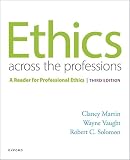

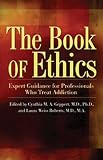


Professional ethics can concern duties to customers and clients, patients, colleagues, employers, research participants, the public, or other people affected by a decision. A professional code makes some of those duties explicit. The Australian Professional Standards Councils’ overview of ethics codes describes them as public documents that set out professional obligations, standards, and principles.
What is a professional code of ethics?
A professional code is a profession-specific guide to acceptable conduct and decision-making. Some codes emphasize broad values and virtues; others contain detailed rules for particular situations. Many do both. A code may serve educational and aspirational purposes while also setting enforceable or disciplinary standards for the people it covers.
#1 Best Overall
Codes differ in who they apply to, which stakeholders and duties they emphasize, and how they address conflicts. Before relying on one, check the issuing organization, the current edition and effective date, who is covered, and the relevant jurisdiction. A code for a professional association may not govern every person doing similar work.
Nor does a code necessarily prescribe the answer to every case. The American Library Association’s Code of Ethics, for example, says its broad principles guide decisions but cannot dictate conduct in every situation. The American Speech-Language-Hearing Association’s code combines underlying principles with specific rules of minimally acceptable or unacceptable conduct.
What are the principles of professional ethics?
There is no single list that applies identically to every occupation. These examples show both recurring concerns and meaningful differences among professional codes:
| Profession and code | Principles or values emphasized | Scope and role of the code |
|---|---|---|
| Accountancy: ICAEW Code of Ethics | Integrity, objectivity, professional competence and due care, confidentiality, and professional behaviour. | The 2026 edition took effect 1 July 2026. It applies to ICAEW members, students, affiliates, employees of member firms, and applicable member firms in their professional and business activities. |
| Project management: PMI Code of Ethics and Professional Conduct | Honesty, responsibility, respect, and fairness. | The updated code took effect 17 November 2025 and applies to PMI members, volunteers, certification holders, and certification applicants. PMI also provides an ethical decision-making framework and role-specific toolkits. |
| Librarianship: ALA Code of Ethics | Equitable service and access; intellectual freedom; privacy and confidentiality; intellectual property; fair treatment; avoiding conflicts with private interests; and separating personal convictions from professional duties. | Its principles provide broad guidance rather than commands for every case. |
| Speech-language and hearing professions: ASHA Code of Ethics | Responsibility to people served and research participants; professional competence; the public; and professional relationships. | Effective 1 March 2023, the code distinguishes its underlying principles from specific conduct rules and has educational, aspirational, and disciplinary roles for covered people. |
These examples share an emphasis on responsible conduct, but their rules, coverage, and enforcement differ. The applicable code and legal requirements depend on your role and location. For more detail, consult the issuing bodies’ ICAEW ethics guidance, PMI ethics guidelines, ALA Code of Ethics, or ASHA Code of Ethics.
Quick wins for a faster PC:
Fix the driver behind crashes, sound loss and screen glitchesFind Drivers →Repair Windows errors before they cause bigger problemsFix Now →How should you approach an ethical dilemma at work?
When duties or values conflict, use a deliberate process rather than assuming that a quick appeal to policy, custom, or good intentions settles the matter. The steps below adapt the educational framework from Santa Clara University and guidance in professional codes; they do not replace advice required for a specific professional, legal, or regulatory situation.
- Name the issue and affected people. Identify who could be helped or harmed, how benefits and burdens might be distributed, and which values appear to conflict.
- Establish the facts. Separate verified information from assumptions. Note what is unknown and whether further investigation is needed. ICAEW’s code advises considering the source, relevance, and sufficiency of information.
- Identify the applicable obligations. Check the professional code for your role, workplace policies, and laws relevant to your location. Ethics and law overlap, but they are not identical: a legal rule may not settle an ethical concern, and emerging problems may not be addressed by existing law.
- Consider competing duties and perspectives. Examine rights, fairness, likely consequences, responsibilities, and character. A single factor may not resolve the conflict; discussion with others can help in difficult or unfamiliar cases.
- Look for threats to sound judgment. In accountancy, ICAEW identifies self-interest, self-review, advocacy, familiarity, and intimidation threats. These are accounting-code categories, not a universal checklist. Where relevant, safeguards can include separating duties, restructuring responsibilities, or adding oversight.
- Consult, document, and reassess. Follow the code and circumstances in deciding whether to consult a supervisor, ethics officer, regulator, or professional body. Record the relevant facts and reasoning where appropriate, and revisit the decision if material information changes.
How do professional ethics and legal compliance differ?
Legal compliance is important, but it does not answer every ethical question. A law can diverge from ethical judgment or leave a new problem unaddressed; conversely, a professional code may impose duties beyond the legal minimum. Assess the applicable law and professional obligations separately, and seek qualified advice when a specific case may have legal or regulatory consequences.
Quick Recap
Best Value
Product prices and availability are accurate as of the date/time indicated and are subject to change. Any price and availability information displayed on Amazon at the time of purchase will apply.




