Quick wins for a faster PC:
Repair Windows errors before they cause bigger problemsFix Now →Scan for outdated or missing drivers - takes under a minuteDriver Scan →Guerrilla marketing is unconventional promotion designed to make a brand noticeable through a memorable encounter, often in a public place. It can take the form of a pop-up, a mural, a sampling event, or a public performance. The right tactic depends on who you want to reach, where they spend time, and what outcome you can measure—not simply how much attention an idea might attract.
What guerrilla marketing means
Guerrilla marketing uses unconventional tactics to promote a brand and create a memorable experience or conversation. The American Marketing Association describes it as promotion in public spaces that can aim to build brand awareness, buzz, and community engagement. Examples include street art, flash mobs, pop-up experiences, public stunts, and viral marketing.


The format is not limited to physical stunts: a real-world activation can be designed to prompt social sharing or other digital engagement. What makes a campaign “guerrilla” is its unconventional, attention-seeking approach, not a particular platform or a guaranteed result.
Common guerrilla marketing tactics
Street art and installations
A mural or installation can make its setting part of the brand encounter. It may suit a campaign that wants to be visible in a particular neighborhood or create something people will stop to look at. The location and execution matter: check whether the property owner and local rules permit the work before proceeding.
The Tool Desk
Outbyte PC Repair FREERepair Windows errors before they cause bigger problemsFix Now →Outbyte Driver Updater FREEFix the driver behind crashes, sound loss and screen glitchesFind Drivers →#1 Best Overall
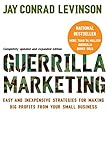
- Used Book in Good Condition
Pop-up experiences
A temporary experience gives people a reason to visit or take part. Choose a place and time that fit the intended audience rather than assuming a busy location will automatically reach the right people.
Flash mobs and public stunts
An unexpected performance or event can attract attention, but it also places participants and bystanders in a shared space. Plan how the activity will be carried out safely and how it will affect people who did not choose to participate.
Rank #2
Sampling
Sampling lets people try a product in person. A practitioner example describes handing out a beverage near a transit entrance and tying the sample to a discount and QR code. That is one vendor-reported campaign example, not evidence that the same approach will produce similar sales elsewhere.
Digital amplification
Social media can extend an in-person activation beyond the people who encounter it directly. Consider how a participant could share or engage with the campaign, then track digital engagement alongside any physical-world measures that matter to the objective.
How to plan a campaign
- Define the audience. Identify whom you want to reach and consider their routines, interests, and likely locations.
- Choose a fitting tactic and setting. Match the format, place, and timing to that audience and to the message you want them to remember.
- Set one clear objective. Decide whether the campaign is intended to build awareness, encourage participation, bring people to a location, or support another specific outcome.
- Choose a measurement before launch. Depending on the objective, useful measures may include engagement, foot traffic, or media mentions. Attention by itself does not show whether a campaign achieved its business goal.
- Plan permissions and safety. Check relevant property-owner permissions and local requirements for public advertising or activity. Consider the safety of staff, participants, and bystanders in light of the specific format and location.
- Connect participation to the objective. If appropriate, make it possible to track a response, such as a redemption code or QR-code interaction. A tracking method can help connect an activation to later actions, but it does not by itself establish that the campaign caused them.
These are general planning principles, not a substitute for checking the rules that apply to a particular place and execution. Requirements vary by location and activity.
Examples—and what their results do and do not show
American Guerrilla Marketing describes three campaigns from its own work: beverage sampling near a New York transit entrance, a streetwear mural in Los Angeles, and a projection activation in Chicago. For the beverage campaign, the agency reports distributing 800 samples per morning and recording a 23% conversion to purchase within seven days using a discount code.
Rank #4

- New
- Mint Condition
- Dispatch same day for order received before 12 noon
- Guaranteed packaging
- No quibbles returns
Those numbers are the agency’s account of one campaign. They are not independent findings, industry averages, or a forecast for another brand. The examples illustrate possible formats and ways to connect an activation to a response; they do not establish how much a campaign will cost, how many people it will reach, or what results another business should expect. No independent, generalizable effectiveness, cost, or reach statistic is established by the sources covered here.
Independent reader supportYour contribution helps us test, update, and keep practical guides available for everyone.How to judge whether an idea fits
- Audience fit: Does the intended audience use or pass through this setting?
- Message fit: Can the tactic communicate the brand idea clearly rather than merely surprise people?
- Execution fit: Can the campaign be delivered at the chosen place and time with appropriate permissions and safety planning?
- Measurement fit: Is there a practical way to assess the objective you set, beyond counting attention?
A memorable activation can be useful, but memorability is not the same as business impact. Decide what success means before launch, then assess the results against that goal rather than treating a striking event or a vendor’s case study as a promise of performance.
Recommended Free Tools
Quick Recap
Best Value
Product prices and availability are accurate as of the date/time indicated and are subject to change. Any price and availability information displayed on Amazon at the time of purchase will apply.




