Conflict-resolution skills are the abilities that help people understand a disagreement, discuss it constructively and work toward an appropriate outcome. They include listening, managing emotions, communicating clearly, asking useful questions and negotiating next steps. These are learnable behaviors—not a promise that every disagreement will end in agreement.
What conflict-resolution skills include
Resolving conflict is not simply persuading someone to accept your view. It means identifying what the disagreement is about, understanding the people and needs involved, and choosing a suitable way forward. The skills below support that process:
- Active listening: Give the other person room to explain, attend to their words and delivery, and check your understanding by paraphrasing. The College of Policing’s conflict-management guidance describes active listening as opening and maintaining communication through empathy, listening and body language.
- Emotional awareness and regulation: Notice when frustration, defensiveness or stress is shaping your response. Pause rather than escalating, and return to the discussion when you can speak and listen more steadily.
- Empathy and perspective-taking: Consider how the other person understands the situation, without assuming that you must agree with their interpretation.
- Clear, respectful communication: Describe the specific issue and its impact rather than attacking someone’s character. Make requests and proposed next steps concrete.
- Useful questions and clarification: Ask open questions to find out what happened, what matters to each person and where there may be misunderstandings.
- Problem-solving and negotiation: Explore options and agree on actions that address the issue as well as possible.
The U.S. Equal Employment Opportunity Commission’s report on mediators’ perspectives also highlights listening, reframing, reality-checking, articulating issues and respect for others. These are observations from mediators, not a guarantee that a particular technique will resolve a dispute.
How to handle a workplace disagreement
For a disagreement that is appropriate to discuss directly, use this sequence as a flexible guide. It is not a substitute for your employer’s reporting rules or a required investigation.
#1 Best Overall

- BUILD STRONG CONFLICT RESOLUTION & SOCIAL SKILLS: Help teens & adults develop essential real-life communication abilities through engaging scenario-based gameplay. Players learn to handle disagreements, express themselves clearly & practice respectful dialogue even in challenging situations. This interactive experience strengthens social skills, boosts confidence & teaches practical conflict resolution skills.
- PERFECT FOR FAMILY GAME NIGHT & GROUP ACTIVITIES: Designed for ages 13+, Tricky Situations is ideal for family bonding & group game nights that encourage meaningful conversation. It creates a fun, safe space to explore different perspectives and enjoy interactive storytelling, bringing people closer naturally.
- REAL-LIFE, SCENARIO-BASED LEARNING: Each card presents relatable situations that challenge players to think critically, respond thoughtfully & consider multiple viewpoints. This hands-on gameplay improves decision-making, emotional understanding & practical problem-solving skills. By practicing real-world scenarios in a fun format.
- DEVELOP EMOTIONAL INTELLIGENCE: It builds emotional awareness, perspective-taking and thoughtful responses in social situations. Players learn to recognize emotions in themselves and others – improving relationships, reduce misunderstandings & build healthier communication patterns. It’s more than a game - it’s a tool for interactive emotional learning.
- EASY-TO-PLAY & HIGHLY ENGAGING DESIGN: Made with high-quality, durable components and simple instructions, Tricky Situations is quick to set up & easy to play. The smooth gameplay ensures continuous engagement without confusion or delays. Its replay able design makes it a go-to activity for families & groups seeking fun, learning & interaction in every session.
- Prepare before raising it. Separate what you know from what you are assuming. Identify the specific event or issue, its impact on your work, and what outcome you would like. The EEOC report identifies preparation as an important variable in mediators’ accounts.
- Choose a suitable time and invite a conversation. Aim for a calm, private setting where both people can participate. Describe the issue and its effect without labelling or insulting the other person.
- Listen to their account. Let them explain before responding. Ask open questions, paraphrase their point and check whether you have understood it correctly.
- Define the disagreement. Identify what you agree on, what remains disputed and whether a misunderstanding or an underlying need is involved. Fair Work Ombudsman guidance recommends establishing the facts and issues, encouraging open dialogue and exploring the specific needs behind a workplace dispute.
- Discuss practical options. Look for specific next steps rather than trying to settle every past grievance at once. Confirm who will do what and when, and revisit the agreement if needed.
- Seek appropriate support if direct discussion stalls. Depending on your workplace and the issue, that could mean a manager, HR contact, union representative, ombuds office or neutral mediator. The Fair Work Ombudsman’s Australian guidance recommends an escalation path when direct discussion does not resolve a dispute.
Which route fits the dispute?
Direct discussion, mediation and formal decision-making are different processes. The right option depends on the issue, the people involved and the rules that apply.
| Route | Who works on or decides the outcome? | Key distinction |
|---|---|---|
| Direct negotiation | The people in conflict work toward an outcome themselves. | The parties retain direct control. It may suit a disagreement they can discuss safely and constructively. |
| Mediation | A neutral third party facilitates a discussion; the parties decide whether to agree. | Mediation is voluntary and the mediator does not impose an agreement. GOV.UK describes the mediator as independent and impartial; the U.S. Department of Health and Human Services describes mediation as assisted negotiation by a trained neutral. |
| Arbitration or adjudication | An arbitrator or court makes a decision or order. | A third party decides the outcome; whether it is binding depends on the process and applicable agreement or rules. |
| Formal investigation | An authorized person or body investigates the allegations under the applicable procedure. | Investigation establishes and addresses allegations; it is not the same function as voluntary mediation. |
Process rules vary by jurisdiction and employer. GOV.UK’s guidance for UK workplace disputes says informal mediation should not be used for issues requiring a formal investigation, giving harassment and discrimination as examples. If a concern may require investigation, use the applicable reporting and investigation process rather than treating mediation as a replacement. Check your employer’s policies and the reporting routes that apply where you work.
Rank #2

- This card game is designed to facilitate groups or individual sessions aimed at developing skills for anger management and conflict resolution
- These cards can be used in a variety of creative ways to engage participants in exploring the feelings, attitudes, beliefs, and behaviors associated with anger
- Contents: 72 Cards, Instructions
- These cards are based on the activities in the book Strategies for Anger Management by Kerry Moles, CSW, and can be used alone or in conjunction with the book
How to build these skills
Practice can improve the behaviors involved in constructive disagreement. The College of Policing says active listening can be developed with practice, and the Fair Work Ombudsman recommends training and coaching in workplace dispute resolution. Useful practice focuses on listening without interruption, paraphrasing accurately, regulating your reaction and stating an issue without personal attacks.
These institutional recommendations support learning and skill development; they do not establish a universal success rate or prove that one technique works best in every conflict. The EEOC report includes 1,223 resolved cases in its dataset, but that is a report-specific case count—not a general mediation success rate. Its note also says some mediators gave multiple responses, so response totals differ from case totals.
The Tool Desk
Outbyte PC Repair FREEClear out junk files and repair common Windows errorsFree Scan →Outbyte Driver Updater FREEFix the driver behind crashes, sound loss and screen glitchesFind Drivers →Quick Recap
Rank #4
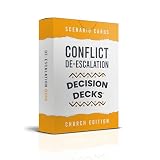
- CONFLICT TRAINING: 60 realistic scenarios that build calm, controlled, and compassionate responses.
- DEVELOPS EMOTIIONAL INTELLIGENCE: Strengthens communication, listening, and discernment during tense situations.
- PRACTICAL: Perfect for tabletop exercises, workshops, and volunteer training sessions.
- CREATED FOR CHURCH TEAMS: Designed for pastors, ushers, greeters, and safety volunteers in real-world ministry settings.
- PROMOTES EMPATHY: Culture of peace and unity, awareness, and team confidence in handling conflict with grace.
Rank #3

- Games include: Are You a Bully? Sharks, Jellyfish, Turtles, Compromise Burgers, Persuasion Pot, Keep Calm Meter, A Spinning Solution
- The set includes a number of different game styles such as snakes and ladders, puzzles and matching games, and sorting games which have self-correcting properties.
- Includes a Keep Calm Thermometer which can be used as an interactive and visual tool to communicate different feelings.
- A versatile set of games that can be enjoyed as a group or for individual learning.
- Includes a game guide with instructions of how to play and an answer sheet.
Product prices and availability are accurate as of the date/time indicated and are subject to change. Any price and availability information displayed on Amazon at the time of purchase will apply.




