The Tool Desk
Outbyte PC Repair FREEClear out junk files and repair common Windows errorsFree Scan →Outbyte Driver Updater FREEScan for outdated or missing drivers - takes under a minuteDriver Scan →Commercial auto insurance is designed for vehicles used in a business, but the right policy depends on who owns each vehicle, who drives it, and how it is used. A personal auto policy may not cover work-related use, so tell your insurer about business driving instead of assuming your personal coverage applies. Laws and policy wording vary by state and insurer; this guide is general information, not a determination of coverage for your business.
What is commercial auto insurance?
Commercial auto insurance is coverage for vehicles used in business operations. Depending on the policy and options purchased, it may provide liability protection and physical-damage coverage for covered autos. It may also address vehicles the business rents or hires and employee-owned vehicles used for company work, but those protections are not automatic. Check the policy wording and declarations to see what is covered.

The National Association of Insurance Commissioners (NAIC) says business auto insurance often includes higher limits and protections for rental vehicles, vehicles driven or owned by employees, large trucks, and vehicles used to carry goods or passengers. The exact protection depends on the policy. Read the NAIC overview of business insurance.
Do I need commercial auto insurance if I use my personal car for work?
Possibly. Personal auto policies usually do not cover vehicles used for work, and the boundary between personal and business use depends on the policy and circumstances. Disclose work driving to your insurer before relying on personal coverage. Ask whether your policy covers the specific tasks you perform or whether separate business coverage is needed. NAIC auto insurance guidance and its small-business insurance guidance explain why business use should be discussed with an insurer.
Recommended Free Tools
Commercial coverage is especially worth discussing if the business owns or leases vehicles, employees drive for work, you transport goods or passengers, or you rent vehicles for business trips. These are prompts for a coverage conversation, not a universal rule that a particular policy is legally required. State requirements and insurer rules differ.
What do the main coverage categories do?
Coverage names describe broad functions, not a promise that a particular loss will be paid. Limits, exclusions, deductibles, state requirements, and policy forms determine what applies.
| Coverage | What it generally addresses | What to verify |
|---|---|---|
| Bodily injury liability | Covered injury claims by other people when the insured is legally responsible. | Limits, insured parties, exclusions, and state requirements. |
| Property damage liability | Covered damage to someone else’s property when the insured is legally responsible. | Limits and exclusions, including how the policy treats the business’s operations. |
| Uninsured/underinsured motorist | May protect the insured in certain situations involving an at-fault driver with no insurance or insufficient insurance. | Availability, requirements, limits, and how the state and policy define eligible claims. |
| Medical payments or personal injury protection (PIP) | May help with medical costs; PIP may cover other specified losses, depending on state and policy. | Which option is available or required and what expenses or people qualify. |
| Collision | Physical damage to a covered auto from collision-type events. | Which autos are covered, the deductible, and applicable exclusions. |
| Comprehensive / other-than-collision | Physical damage to a covered auto from covered non-collision causes, such as theft or weather. | Covered causes, deductible, and which autos are insured. |
These categories are explained in the NAIC consumer guide, the Oregon Division of Financial Regulation auto insurance guide, and the Texas Department of Insurance guide. Those state sources are examples, not a survey of every state.
How can coverage differ between vehicles?
A Business Auto Policy may use coverage symbols or schedule specific autos, and different vehicles may not receive identical protection. Do not assume that adding one vehicle means every vehicle, driver, or type of use is covered in the same way. Ask the insurer to identify which vehicles and coverage symbols apply, and confirm the answer in the declarations and endorsements. The California Department of Insurance commercial auto guide describes this distinction.
Outdated Drivers Are Slowing You Down
One free scan finds every outdated or missing driver and matches the right update for your exact hardware.Free scan · exact hardware matchPC Slower Than It Used to Be?
A free scan shows the junk files, broken settings and background clutter dragging Windows down - then fixes them in one click.Free scan · Windows 10 & 11Rank #3

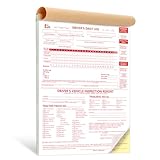
- Single Book Convenience: Stay organized on the road with this XUEJITECH driver log book, designed for individual drivers who need dependable, daily recordkeeping. Each book includes 31 sets of 2-ply carbonless forms. Whether you're an owner-operator or part of a fleet, this single log book offers the perfect balance of convenience and compliance—no bulk, no waste, just what you need.
- Compact 8.5" x 5.5" Size: Designed with the working driver in mind, each trucker log book measures a convenient 8.5 x 5.5 inches — the perfect size to fit in glove compartments, clipboards, or side door pockets. Its compact layout makes it easy to handle, write on, and store without taking up valuable cab space. Whether you’re filling it out at a stop or during pre-trip checks, the portable size keeps your log accessible and your records organized
- 2-Ply Carbonless Copy: Our log book is built with a 2-ply carbonless design, allowing drivers to create a clean, accurate duplicate with every entry—no messy carbon sheets required. The top white sheet records the original, while the yellow backing provides an instant copy for your records or dispatch. Engineered for daily use, Keep organized and compliant with dependable duplicate logs on hand, wherever the road takes you
- High quality: Built for life on the road, each XUEJITECH log book is crafted with paper and high-quality carbon fiber material that resists smudging, tearing, and bleed-through— even under rough conditions
- Thoughtfully Designed: The wrap-around back cover provides a stable writing surface and protects unused forms from damage, dirt, or imprint marks. Plus, each sheet features a clean tear-out line, allowing drivers to remove completed forms effortlessly without damaging the rest of the book. Designed for tough trucking environments, this thoughtful construction makes your daily recordkeeping fast, clean, and compliant
What business details affect policy fit?
Prepare an inventory before speaking with an insurer or broker. For each vehicle, be ready to describe:
- Who owns or leases it: the business, an employee, or another party.
- Who drives it and whether employees or other drivers use it.
- Its usual work use, including deliveries, job-site travel, or carrying goods or passengers.
- Whether the business rents or hires vehicles, or employees use their own vehicles for company work.
- Whether the vehicle has permanently attached equipment that should be discussed.
These details help the insurer assess which autos, drivers, and uses need to be addressed. A policy’s treatment of hired and non-owned autos may differ from its treatment of business-owned vehicles, so ask about each situation directly. NAIC’s small-business insurance guidance and business insurance overview discuss these exposures.
Rank #4

- DOT Compliance - These driver's vehicle inspection report (DVIR) books ensures compliance with DOT regulations (49 CFR 396.11 and 396.13)
- Material - Excellent quality carbonless paper is used in their production, tears off easily along the perforation. Minimize downtime & extend vehicle life span through our DVIR inspection book.
- 5-Pack - This vehicle inspection report book set comes with 5 books. Each book contains 31 sets of DVIR forms, in duplicate. In total, you will receive 155 forms.
- A5 Size - Driver's vehicle inspection report book size of 5.8" x 8.3", and forms are 2-ply, carbonless.
- Wide Application - Whether you manage a single vehicle or a large commercial fleet, our DVIR book is an essential tool for ensuring the safety and compliance of your operations. This enables drivers to indicate any necessary repairs promptly.
What should I compare before choosing a policy?
Request competing quotes using the same vehicles, drivers, use details, liability limits, and deductibles. Otherwise, a lower quote may reflect less coverage or a different set of insured exposures rather than a better price for equivalent protection. No current national commercial auto premium figure is established here, so a general “typical” price would not be a sound basis for budgeting.
- Liability limits: Compare the limits for bodily injury and property damage, and ask whether they fit the business’s operations.
- Physical damage: Check which vehicles have collision and comprehensive coverage and compare their deductibles.
- Hired and non-owned vehicles: Confirm how the policy treats rentals and employee-owned vehicles used for company work.
- Covered autos: Review the schedule and any coverage symbols to establish which specific vehicles receive each protection.
- Drivers and uses: Confirm that the listed drivers and the actual work—especially transporting goods or passengers—match what the insurer was told.
- Policy documents: Read the declarations, endorsements, exclusions, and applicable policy form; do not treat a coverage as included until the documents confirm it.
- Insurer and agent licensing: Check licensing with your state insurance department before buying.
For information on policy options and coverage documents, see the California Department of Insurance commercial auto guide and Oregon’s auto insurance guidance.
Best Value

- BUILT FOR TRUCKING FLEETS – Suitable for owner-operators, truck drivers, fleet managers, and commercial trucking companies seeking an ELD and fleet management solution.
Which rules apply to my business?
Insurance requirements and available coverage vary by state, and the examples from California, Oregon, and Texas do not establish the rules for every jurisdiction. The cited sources do not determine your legal minimum, insurer eligibility, appropriate limit, premium, or the outcome of a claim. For those questions, consult your state insurance department, a licensed agent or broker, the insurer, and the wording of the policy you are considering. NAIC notes that states have their own auto insurance rules in its business insurance overview.
Quick Recap
Product prices and availability are accurate as of the date/time indicated and are subject to change. Any price and availability information displayed on Amazon at the time of purchase will apply.




