In July 2024, University of Illinois farm economists lowered their planning assumptions to $4.00 per bushel for 2024 corn and $10.50 for soybeans. Using then-current futures markets, they put 2025 averages at about $4.30 for corn and $10.80 for soybeans. Those were forecasts—not current prices or final crop-year results—and the central Illinois budgets still projected losses after costs and cash rent were counted.
What the July 2024 outlook projected
In a July 30, 2024 analysis, Gary Schnitkey, Bradley Zwilling, Nick Paulson, Carl Zulauf, Ben Rhea, and Jim Baltz of University of Illinois farmdoc daily used futures-market signals to revise their crop-budget prices. December 2024 corn futures had fallen near $4.10 per bushel; the authors viewed that as consistent with harvest cash prices below $4 and chose $4.00 as a full-year planning price. They used $10.50 per bushel for 2024 soybeans, while warning that harvest cash prices could be below $10.
For 2025, the markets then implied somewhat higher averages—about $4.30 per bushel for corn and $10.80 for soybeans. The authors cautioned that these were uncertain budget assumptions: “Those budget price forecasts could change with unforeseen events, as does occur in agriculture.” Their practical advice at the time was: “Still, it seems prudent to plan for much lower prices.” Both statements refer to forecasts available on July 30, 2024, not what prices ultimately became. University of Illinois farmdoc daily, July 30, 2024.
Why lower crop prices hit harder after costs rose
The central Illinois comparison in the University of Illinois analysis paired prices with Illinois Farm Business Farm Management (FBFM) cost data. Average prices over 2014–2019 were $3.64 per bushel for corn and $9.69 for soybeans, but projected per-acre costs and rents were substantially higher by 2024. A crop price that looked relatively close to those earlier averages could therefore still leave a much thinner—or negative—margin.
What’s actually slowing this PC down?
Pick the symptom - the matching free tool is one click away.
#1 Best Overall

- High Yield Bush Growth: midori giant edamame seeds form 24-36 inch nitrogen-fixing bushes, rewarding vegetable garden growers in USDA 3-9 with crunchy pods rich in complete protein.
- Fast Germination: soybean seeds for planting sprout in 5-10 days at 70-90 °F, letting home garden beginners harvest tender edamame in just 80 days while heirloom seeds thrive in loamy soil.
- Nutrient-Rich Snack: soy beans deliver sweet nutty flavor and buttery texture; boil or freeze for soy-protein snacks, soy bean seeds to plant are ideal for survival gardening fans seeking clean non gmo edamame.
- Easy Direct Sow: edamame seeds for planting outdoors need 1" depth and 12" spacing, no trellis required; bush habit suits containers or raised beds, making veggie seeds ideal for small spaces.
- Disease-Smart Cultivation: edamame seeds to plant resist common pests when grown in full sun and evenly moist soil; gardening kit growers mulch to conserve water and pick bright green pods before they yellow.
| Central Illinois budget measure | 2014–2019 average | 2024 projection |
|---|---|---|
| Non-land corn costs per acre | $587 | $772 |
| Non-land soybean costs per acre | $363 | $512 |
| Cash rent per acre | $277 | $359 |
The 2024 figures are projections reported by University of Illinois farmdoc daily from Illinois FBFM data; the comparison averages cover 2014–2019. Non-land costs exclude land rent, so they are not a full break-even measure for a cash-rented farm. University of Illinois farmdoc daily, July 30, 2024.
What the central Illinois budget assumed
The July 2024 revision modeled high-productivity central Illinois farmland operated under cash rent. It assumed a corn yield of 234 bushels per acre at $4.00 per bushel and a soybean yield of 75 bushels per acre at $10.50. The soybean budget also included $5 per acre for modest crop-insurance payments; both crops included $5 per acre of PLC/ARC payments. The analysis said any PLC/ARC payments, if made, would be received in October 2025.
Rank #2

- EASY TO USE 🌱 Just coat your seeds and plant!
- POWERFUL MICROBIAL COMBINATION 🌱 Our Micronoc Seed Inoculant contains a carefully curated blend of nitrogen-fixing bacteria, phosphate solubilizers, and beneficial fungi. This dynamic combination creates a balanced and thriving soil ecosystem, giving your crops the perfect foundation for growth.
- ENHANCED NUTRIENT AVAILABILITY 🌱 By introducing nitrogen-fixing bacteria to your seeds, Micronoc Seed Inoculant unlocks a sustainable source of plant-usable nitrogen. This promotes robust root development, lush foliage, and overall plant vigor.
- Benefits for Seedlings 🌱 Enhances root development and nutrient uptake, boosts seedling vigor and resilience against stress.
- MICRONOC SEED INOCULANT 🌱 Is the perfect choice for all your planting seeds, from house plants to home gardens to field crops; it is compatible with all types of planting seeds.
| Crop or rotation | Projected return per acre |
|---|---|
| Corn | -$185 |
| Soybeans | -$74 |
| 50/50 corn-soybean rotation | -$129 |
These are budget projections under the stated prices, yields, cost assumptions, and land arrangement—not measured outcomes for every farm. The analysis noted that farm returns vary with such factors as debt position. An owned-land operation does not face the same cash-rent bill, although debt service and other costs still affect its cash flow. University of Illinois farmdoc daily, July 30, 2024.
Later supply estimates added context, not hindsight
After the July analysis, USDA’s National Agricultural Statistics Service (NASS) issued a September 12, 2024 forecast of 15.2 billion bushels of U.S. corn and 4.59 billion bushels of soybeans, with an average corn yield forecast of 183.6 bushels per acre. These were national estimates in a later USDA report; they were not information available to the July authors when they set their planning assumptions. The July analysis had already identified expectations for good U.S. corn yields alongside roughly stable demand as factors weighing on price expectations.
Rank #3

- GROW THE SWEETEST, MOST TENDER HEIRLOOM CORN - 1 packet contains 100 seeds of Golden Bantam corn (Zea mays). This cherished variety is known for its exceptional flavor and reliable harvests. Perfect for home gardeners seeking authentic, time-tested varieties.
- SWEET CORN SEEDS FOR BEGINNERS & PROS. These vegetable seeds for planting outdoors are ideal for all skill levels. Hardy and adaptable, they thrive in full sun and a variety of soils. With low-maintenance care, enjoy growing your own corn seeds from a trusted heirloom variety loved for its sweet, tender kernels.
- PERFECT FOR MOST REGIONS – COOL CLIMATE FRIENDLY. Designed to grow in USDA zones 3-11, these corn seeds are resilient and adapt to temperatures from 65°F to 95°F. Direct sow seeds outdoors for best results—no transplanting needed. Your garden will be filled with tall, healthy stalks reaching up to 6 feet.
- MATURES EARLY FOR QUICK HARVESTS. Enjoy a bountiful crop in just 75-80 days. Each Golden Bantam stalk produces 1-2 ears of corn with 8-12 kernel rows. Perfect for backyard gardens or homesteads, it’s a reliable, fast-growing option to maximize your gardening efforts.
- VERSATILE CULINARY USES – FRESH OR PRESERVED. Grill, boil, or add to recipes like chowder, cornbread, and salsa. These sweet corn seeds yield kernels that freeze, can, or dry well, letting you enjoy homegrown corn all year round. A perfect addition for both fresh meals and long-term storage.
USDA NASS, Crop Production, September 12, 2024.
What changed in the January 2025 Illinois update
University of Illinois farmdoc daily’s January 14, 2025 update revised its 2025 Illinois budget prices to $4.30 per bushel for corn and $10.20 for soybeans. Compared with the prior estimates, the update modestly improved projected corn returns and slightly reduced projected soybean returns. It nevertheless showed negative projected returns across northern, central, and southern Illinois regions.
The update put total-cost break-even prices in its regional budgets at $4.60–$4.66 per bushel for corn and $11.01–$11.56 for soybeans. These are regional budget ranges, not a single universal break-even price; yields, rents, and other assumptions differ by region.
Rank #4

- GROW THE SWEETEST, MOST TENDER HEIRLOOM CORN - Each packet contains 100 seeds of Golden Bantam corn (Zea mays). This cherished variety is known for its exceptional flavor and reliable harvests. Perfect for home gardeners seeking authentic, time-tested varieties.
- SWEET CORN SEEDS FOR BEGINNERS & PROS. These vegetable seeds for planting outdoors are ideal for all skill levels. Hardy and adaptable, they thrive in full sun and a variety of soils. With low-maintenance care, enjoy growing your own corn seeds from a trusted heirloom variety loved for its sweet, tender kernels.
- PERFECT FOR MOST REGIONS – COOL CLIMATE FRIENDLY. Designed to grow in USDA zones 3-11, these corn seeds are resilient and adapt to temperatures from 65°F to 95°F. Direct sow seeds outdoors for best results—no transplanting needed. Your garden will be filled with tall, healthy stalks reaching up to 6 feet.
- MATURES EARLY FOR QUICK HARVESTS. Enjoy a bountiful crop in just 75-80 days. Each Golden Bantam stalk produces 1-2 ears of corn with 8-12 kernel rows. Perfect for backyard gardens or homesteads, it’s a reliable, fast-growing option to maximize your gardening efforts.
- VERSATILE CULINARY USES – FRESH OR PRESERVED. Grill, boil, or add to recipes like chowder, cornbread, and salsa. These sweet corn seeds yield kernels that freeze, can, or dry well, letting you enjoy homegrown corn all year round. A perfect addition for both fresh meals and long-term storage.
For its revised 2024 projections, the update incorporated estimated American Relief Act of 2025 payments: $43 per corn acre and $30 per soybean acre. The authors said the assistance helped offset short-term losses, while commodity prices remained below total production costs for many farms with meaningful cash-rented acreage. The payment estimates changed the revenue side of those 2024 budgets; they did not eliminate the underlying pressure from costs and prices. University of Illinois farmdoc daily, January 14, 2025.
Independent reader supportYour contribution helps us test, update, and keep practical guides available for everyone.How to read the outlook for an individual farm
- Separate non-land costs from full costs. A margin after seed, fertilizer, chemicals, machinery, and other non-land expenses can look different from one that also includes cash rent.
- Use the farm’s own yield and rent. The July example concerns high-productivity central Illinois cash-rented land, not every Illinois region or U.S. operation.
- Distinguish a budget from cash flow. A per-acre return projection is not the same as a farm’s liquidity or ability to meet debt payments; land ownership, debt, and other farm-specific obligations matter.
- Keep assistance separate from market economics. Crop insurance and ad hoc government payments can change a particular year’s revenue, but they do not by themselves reverse a multiyear decline in crop prices or higher production costs.
- Treat each forecast as dated. Futures-based planning prices, USDA production estimates, and later budget revisions were published at different times and should not be presented as realized prices, yields, or returns.
A January 2025 University of Georgia Extension outlook also warned of narrow or negative grain margins for 2025, citing abundant production, a strong U.S. dollar, and uncertain trade policy. That outlook offers broader corroboration of margin pressure, but its geographic and budget assumptions differ from Illinois’s. University of Georgia Extension, 2025 crop outlook and budgets.
Free tools Windows power users keep installed
One-click scans. No signup required.
Quick Recap
Best Value
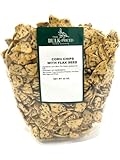
- CORN CHIPS WITH FLAX SEED: The Bulk-Priced Food Shoppe’s corn chips with flax seed are a healthy alternative to potato chips! They are a salty, crunchy snack for anytime. Eat them plain, dip them in salsa or a dip mix, or use them in any trail mix recipe!
- TASTE: These delicious, baked flax chips are made from hearty multigrain and raw flax seeds. Perfect for someone looking for a heart-healthy alternative to snack on. You will be coming back for more!
- FRESHNESS: Freshness of our products are always guaranteed due to in-house packaging. Bulk shipments are delivered weekly to our warehouse for the best possible quality.
- PACKAGING: Packaged and heat-sealed in a state licensed facility to ensure quality and cleanliness. Product comes in a resealable, stand-up bag.
- COUNTRY OF ORIGIN: United States – The Bulk-Priced Food Shoppe buys in bulk so YOU don’t have to! We give our customers the freshest food at the best possible price.
Product prices and availability are accurate as of the date/time indicated and are subject to change. Any price and availability information displayed on Amazon at the time of purchase will apply.




